REVIEW · ATHENS
Athens: Acropolis Wine Tasting with Cheese and Olives
Book on GetYourGuide →Operated by ATHENS WINE TASTING · Bookable on GetYourGuide
Five pours, ancient myths, and sharp wine lessons. This Acropolis-area tasting pairs a guided, hands-on session with a virtual look at Attica vineyards, so you’re not just sampling—you’re learning what makes Greek wine tick, from grape to glass.
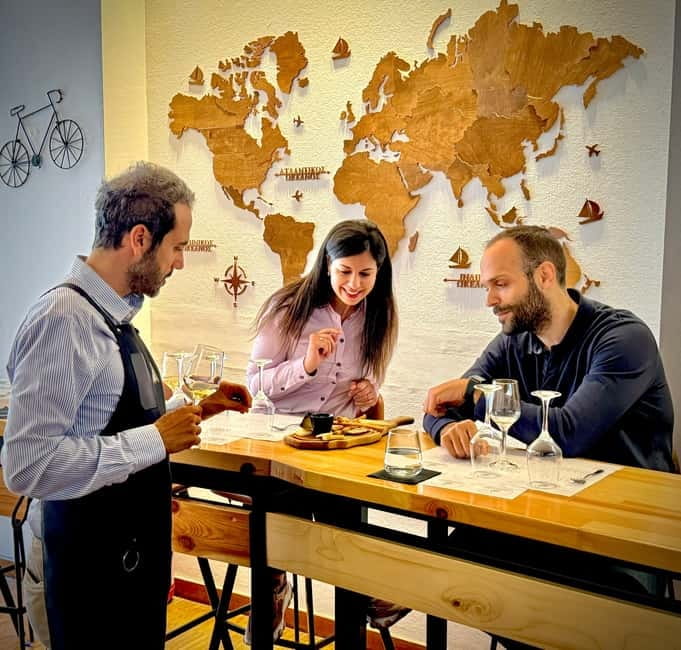
I like the fact that you taste five Greek wines (3 whites, 2 reds), which gives you a quick feel for the range of styles Greece does well. I also like that the expert teaches you how to evaluate wine—color, aroma, and taste—with a cheat sheet so you can remember what you liked and why.
One possible drawback: the format leans educational and structured, so if you’re looking for a casual, long-drink party, this may feel too “classroom” for your taste.
In This Review
- Key things to know before you go
- The Acropolis link: wine, myth, and a great Athens evening
- Five wines, 3 whites and 2 reds: why the lineup is a smart move
- The virtual Attica vineyard tour: grapes, ancient methods, and modern context
- Cheese, olives, and bread rusks: pairing that teaches your palate
- The guided method: how to evaluate wine without overthinking it
- How long it takes, what the group feels like, and language options
- Price and value check for a $44 tasting
- Quick tips so you get more from the session
- Should you book Athens Acropolis Wine Tasting with Cheese and Olives?
- FAQ
- How long is the Athens Acropolis wine tasting?
- What’s included in the ticket price?
- Do I need to be 18 to participate?
- What languages are the wine guides available in?
- Is it a small group or a private experience?
- Can I request dietary restrictions?
Key things to know before you go
- Five wine tastings in one tight session: 3 whites and 2 reds, so you can compare styles fast.
- A virtual Attica tour tied to what you’re drinking: grape varieties and ancient winemaking processes are explained.
- Cheese and olives aren’t an afterthought: you get local cheeses from all over Greece plus olives and bread rusks.
- You’ll practice wine evaluation, not just sip: the tasting method is part of the experience.
- Small-group energy: usually around 8–10 people, with the option for a private group.
- Your guide matters: past sessions included hosts like Theo, Tonia, Anastasia, Yammas, and Evalina—focused on both fun and clear teaching.
The Acropolis link: wine, myth, and a great Athens evening
This tasting is built around a simple idea: Greek wine isn’t just a product, it’s part of the culture. You get stories that connect what’s in your glass to ancient themes, including Dionysus, the God of Wine and Fertility. That myth thread isn’t trivia filler. It helps you understand why ancient Greeks treated wine as something social, ritual, and agricultural—not just alcoholic fuel.
And yes, the location vibe matters. You’re doing the activity in Athens with the Acropolis in the immediate orbit, so it feels like you’re sampling history with your own nose and tongue. It’s a smart way to break up a day of ruins and streets with something that still feels Greek, not imported.
If you want a “do this tonight” plan that doesn’t require long commutes, this fits well: the session is short, guided, and built for conversation without turning into a giant group.
You can also read our reviews of more tours and experiences in Athens.

Five wines, 3 whites and 2 reds: why the lineup is a smart move
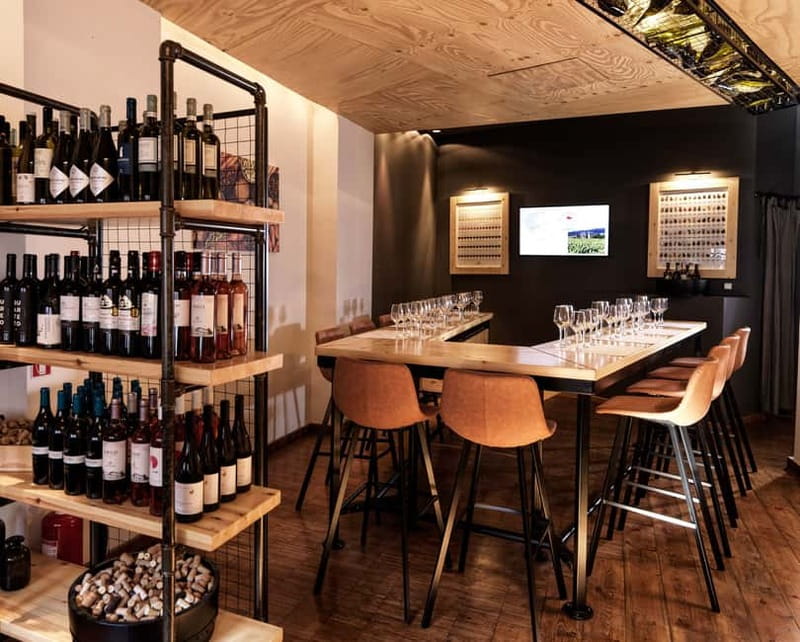
A tasting is only useful if you can compare. Here, you start getting traction immediately with five different wines: 3 whites and 2 reds. That balance is great for two types of people: total beginners and “I like wine but I don’t know the language” drinkers.
For beginners, the lineup works like training wheels. You can learn what you like (crisp vs. round, lighter vs. fuller) across both white and red, rather than committing to only one style. For more experienced drinkers, the value is in the method. You practice describing what you taste—then the guide explains how that connects to quality and winemaking choices.
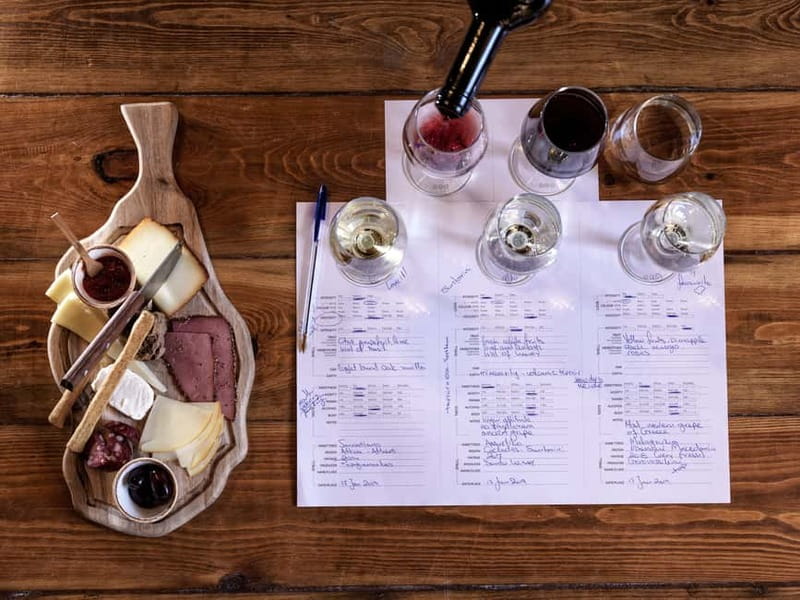
Important practical note: the experience is not just about flavor. You’ll also learn how to evaluate and recognize quality wine. Think of it as learning the vocabulary and the logic behind what you’re already reacting to. That’s why the cheat sheet matters. It turns the session into something you can carry to a shop or a restaurant afterward.
The virtual Attica vineyard tour: grapes, ancient methods, and modern context
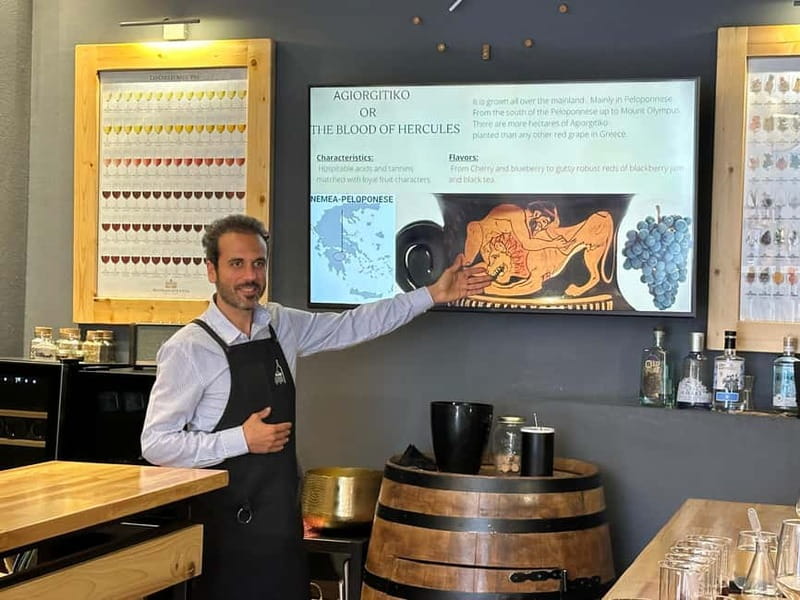
One of the coolest parts is the virtual tour that’s tied directly to the wines you’re tasting. Instead of hearing Greek wine described in vague terms, you get a guided walk through Attica vineyards, grape varieties, and the ancient processes used to make wine.
What I like about this approach is that it gives you cause-and-effect. You learn where grapes grow and what ancient winemaking traditions were about, then you taste something that’s meant to make that story concrete. It’s easier to remember details when they’re attached to a scent or flavor moment.
You also hear how historical wine regions connect to styles that modern producers still make today. That’s the big “so what” for most people. Greek wine has a reputation abroad that doesn’t always match how diverse it can be on the ground. This format helps you build a better mental map quickly, so you’re not just relying on labels or hype.
Cheese, olives, and bread rusks: pairing that teaches your palate
Wine tastings can sometimes treat food like decoration. Not here. You get a selection designed to help you taste better: 5 local cheeses from across Greece, Greek olives, and homemade bread rusks, plus bottled water.
Why this matters: cheese and olives act like palate tools. Salty, fatty, tangy, and chewy textures pull flavors out of the wine and make differences clearer. A cheese pairing can make a wine feel brighter, smoother, or more aromatic—so you’re tasting with more information than just “drink and hope.”
And the spread is practical, not precious. Bread rusks keep the session comfortable if you’re pacing. Olives add that savory, briny backbone that many people find helps reds and whites behave differently on the palate. It’s a friendly way to keep the tasting social without turning it into chaos.
If you have dietary restrictions, plan to mention them when booking, since the session is structured around specific pairings.
The guided method: how to evaluate wine without overthinking it
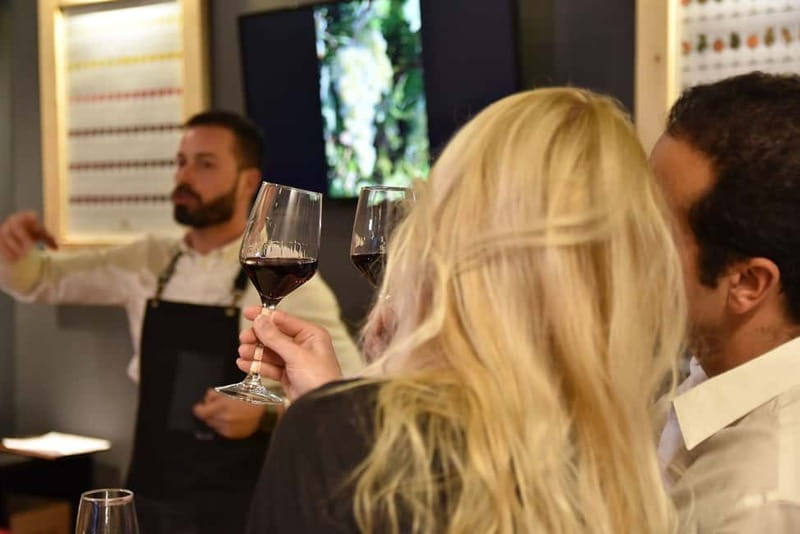
You’re not expected to be a sommelier. The guide teaches you a method you can actually use. That includes how to look at the wine’s color, smell it, and taste it in a way that’s systematic rather than random.
This is one of the most praised parts of the experience, and it makes sense. When someone breaks tasting down into steps, you start noticing patterns you didn’t know were there. You stop thinking only in terms of “I like it” and start thinking in terms of “here’s what I’m reacting to.”
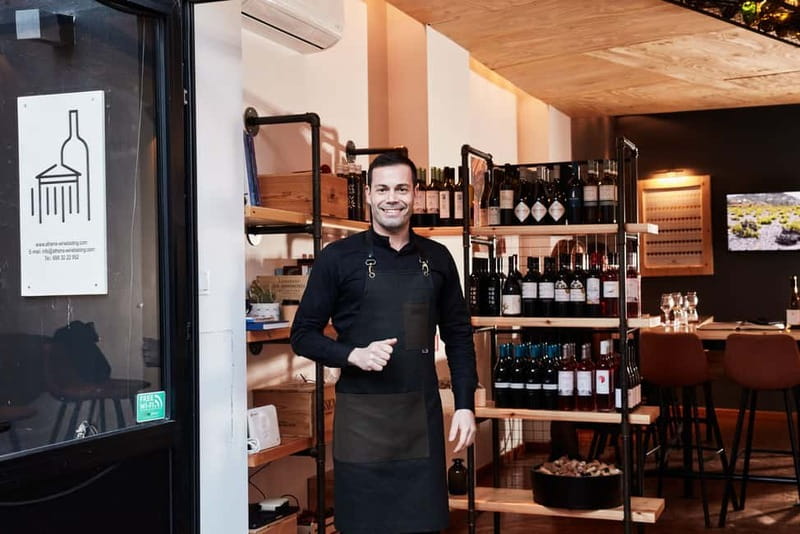
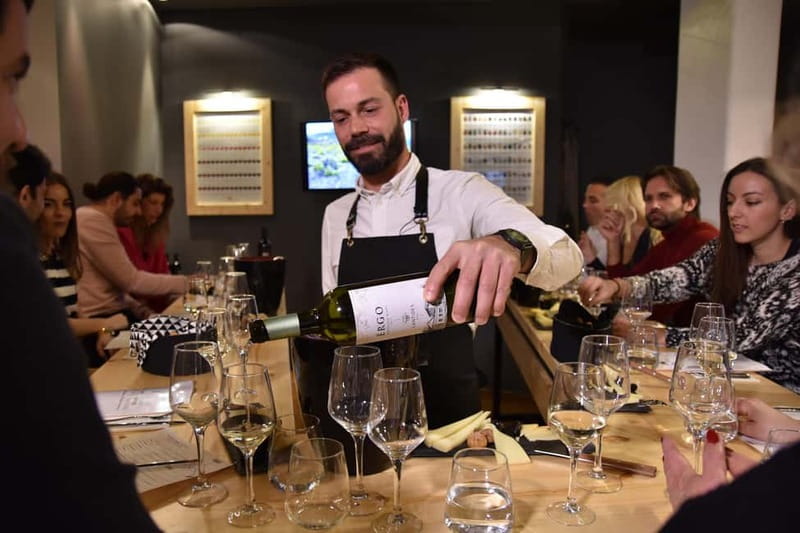
Also, the vibe is described as friendly and engaging, with guides who make you comfortable asking questions. Past sessions mention hosts like Theo and Tonia delivering explanations that are easy to follow, never rushed, and interactive. Even if you’re shy, the structure helps you find your footing fast.
The takeaway you want to leave with is simple: you should be able to describe what you’re tasting and make a better choice next time.
How long it takes, what the group feels like, and language options
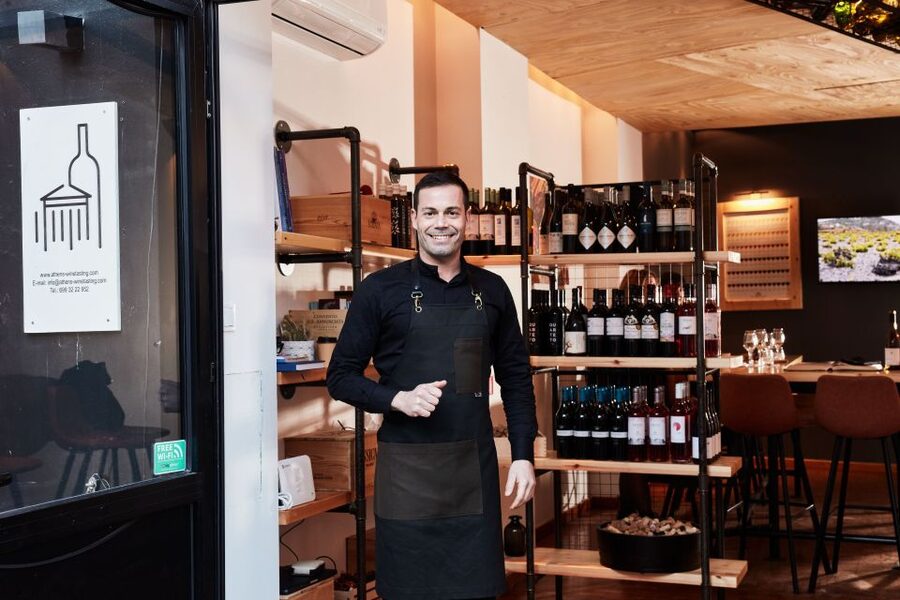
The session runs about 1 to 1.5 hours. That’s a good length for Athens because it doesn’t steal your whole evening. You’ll taste, learn, and eat a little without needing a nap afterward.
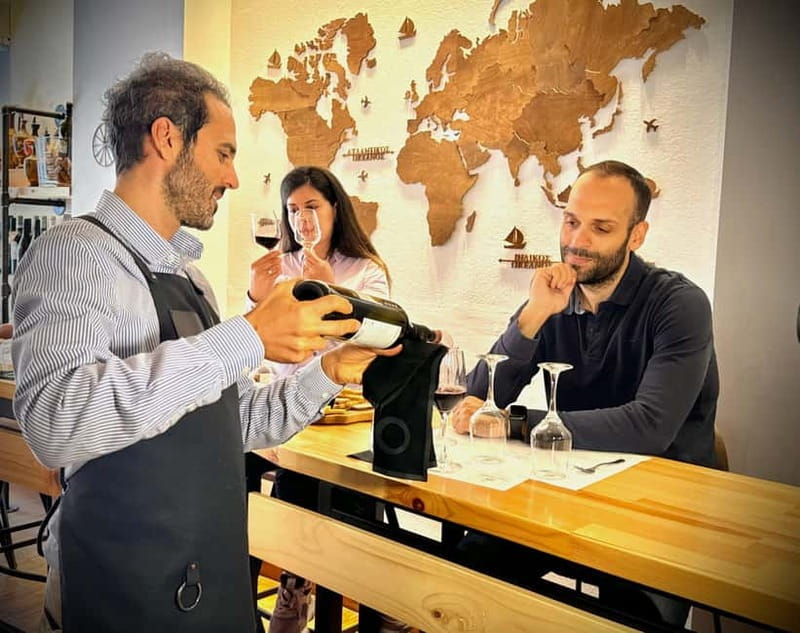
Group size is kept small. It’s usually a semi-private format around 8 to 10 people, which tends to make the teaching feel personal rather than like a lecture. There’s also a private group available option if you want quieter vibes or want to learn at your own pace.
Language options are English and Greek, so you can choose what works best for you. If you speak only one, you should still be fine—the guide is built to support the session in those languages.
One more practical point: you must be at least 18 years old and show a valid photo ID or passport for the tastings.
Price and value check for a $44 tasting
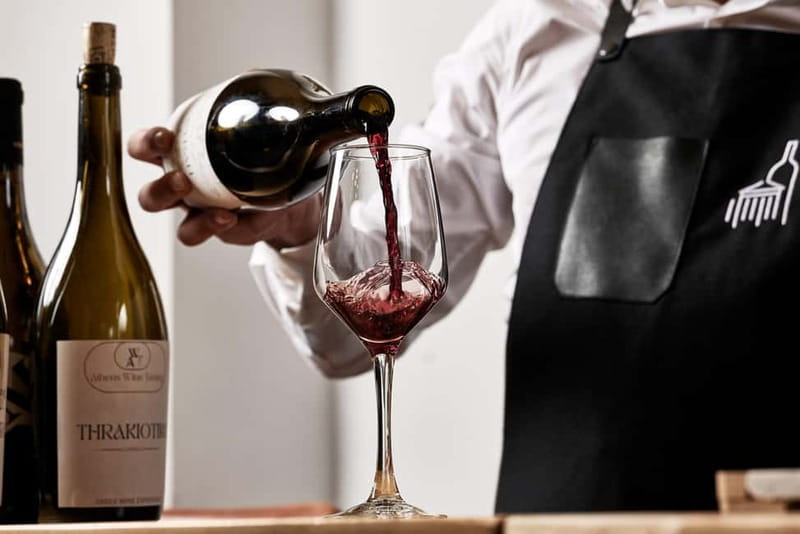
At $44 per person, this isn’t the cheapest “sip and smile” option in Athens. The reason it can still feel worth it is what you get bundled together:
- 5 wines (3 whites, 2 reds)
- A guided wine evaluation lesson
- 5 local cheeses, Greek olives, and homemade bread rusks
- Bottled water
- A cheat sheet to keep notes and remember what you liked
- A certified wine expert guiding the whole flow
In other words, you’re paying for guidance plus a structured tasting setup plus food pairings, not just a couple of pours. If you’re the type who learns faster when you’re tasting and discussing, the value math works.
If you’re purely chasing wine flavor with minimal talking, you might feel the price is high for the time. But if you want to leave with skills and a better map of Greek wine, it’s strong value.
Quick tips so you get more from the session
- Bring your curiosity, not your wine ego. The goal is to help you describe what you taste.
- Pace yourself. You’ll taste five wines plus pairings, so take sips slowly during the teaching moments.
- If you’re unsure about dietary limits, share them at booking. The session includes set foods.
- If you’re new to wine, pay attention to the color and aroma steps. Those are usually where beginners learn the most.
And if you’re worried you’ll miss the history while you’re busy tasting, don’t. The stories are tied directly to the wine themes you’re practicing with in the room.
Should you book Athens Acropolis Wine Tasting with Cheese and Olives?
Book it if you want a night that mixes Athens atmosphere with practical learning. This is a great fit for wine novices who want structure, and wine lovers who want a Greek-focused comparison without a full-day commitment.
Skip it if your ideal wine experience is mostly lounging with minimal instruction. This one is about learning how to evaluate wine quality, plus understanding ancient Greek food and wine culture through Dionysus, Attica, and the traditions behind winemaking.
If you like guided tastings where food and technique are part of the point, this is an easy yes for a short Athens evening.
FAQ
How long is the Athens Acropolis wine tasting?
It runs about 1 to 1.5 hours, depending on the session time you choose.
What’s included in the ticket price?
You get 5 Greek wine tastings, local cheese, Greek olives, homemade bread rusks, bottled water, and a list/cheat sheet to help you take notes.
Do I need to be 18 to participate?
Yes. You must be at least 18 years old and bring a valid photo ID or passport.
What languages are the wine guides available in?
The live tour guide supports English and Greek.
Is it a small group or a private experience?
It’s typically a small semi-private group of about 8 to 10 people, and private group options are available.
Can I request dietary restrictions?
Yes, you should make any dietary restrictions or requirements known at booking so the team can account for them.