REVIEW · SANTA CATARINA DA FONTE DO BISPO
Goat Cheese Making Workshop with Tasting
Book on GetYourGuide →Operated by Quinta Rosa De Victoria · Bookable on GetYourGuide
Goat cheese starts with a farm morning. In the heart of Serra do Caldeirão, you’ll learn the traditional way local farmers craft fresh goat cheese, then slow down for a tasting that includes cheese plus wine. One possible drawback: if you’re sensitive to lactose or dealing with food allergies, this isn’t the right fit.
I love that it’s truly hands-on, not just a look-and-learn stop. I also love the farm-to-table vibe of pairing the cheese with olives, olive oil, bread, and wine in the countryside. If you want a strictly classroom-style experience or have mobility limits that require extra planning, you’ll still be okay because it’s listed as wheelchair accessible, but comfortable shoes will matter.
In This Review
- Key Reasons This Workshop Works So Well
- Serra do Caldeirão Goat Cheese Making: The 2-Hour Rhythm You’ll Actually Enjoy
- Entering Quinta Rosa De Victoria: What the Meeting Point Tells You About the Experience
- Hands-On Goat Cheese Making With a Local Farmer: What You’ll Focus On
- A practical note on expectations
- The Serra do Caldeirão Context: Why This Region Shapes the Food
- The Tasting Session: Goat Cheese, Olives, Olive Oil, Bread, and Wine
- What’s included in the tasting
- What you should pay attention to while tasting
- Comfort, Timing, and Group Vibe: Simple Tips That Improve Your Experience
- Who will enjoy the energy most?
- Food Rules: Who Should Skip (and Why)
- Languages and Teaching Style: Getting It Without Missing the Point
- Value Check: Why This Workshop Feels Worth It
- Accessibility and Practical Planning: What You Need to Know
- Should You Book This Goat Cheese Workshop in Algarve?
- FAQ
- How long is the goat cheese making workshop?
- Where is the meeting point?
- What languages are offered during the workshop?
- Is the workshop wheelchair accessible?
- What should I bring?
- Is it suitable for lactose intolerance or food allergies?
- What isn’t allowed during the experience?
- Is there a cancellation policy?
Key Reasons This Workshop Works So Well
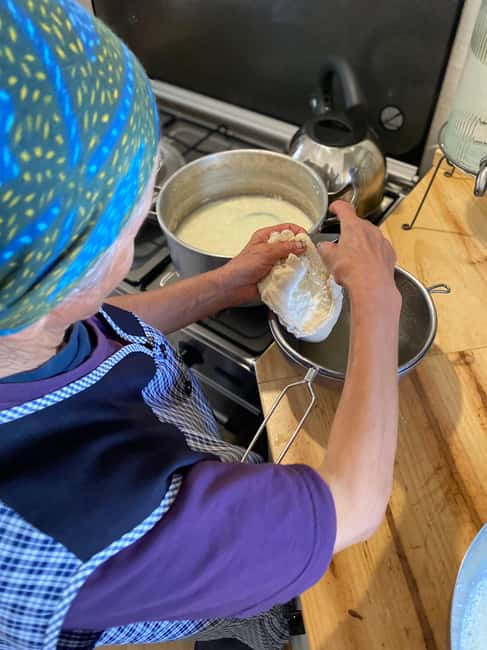
- Hands-on goat cheese making led by a local farmer for real, practical know-how
- Serra do Caldeirão setting gives context for how and why people here make this food
- Tasting with local pairings: goat cheese, olives, olive oil, bread, and wine
- English, Portuguese, Spanish instruction so you can follow closely
- 2 hours makes it easy to fit into your Algarve schedule without dragging on
- Accessible and outdoors-friendly with the right prep on sun and comfort
Serra do Caldeirão Goat Cheese Making: The 2-Hour Rhythm You’ll Actually Enjoy
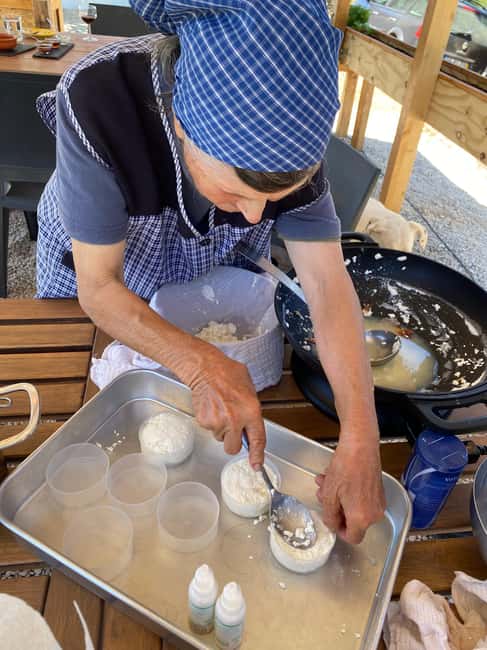
This is a short, satisfying experience: a 2-hour workshop that mixes work and taste. You’ll start with the cheese-making demonstration and hands-on participation, then move into a tasting session where you eat and drink what you learned about. It’s the kind of activity that makes you feel more grounded in the region, because you’re not just passing through scenic countryside—you’re learning how locals turn it into food.
The best part is the pacing. You don’t spend the whole time standing around watching a process you can’t understand. You get to do the making, then you get to taste right away while everything is still fresh in your head—flavor makes the lesson stick.
Entering Quinta Rosa De Victoria: What the Meeting Point Tells You About the Experience
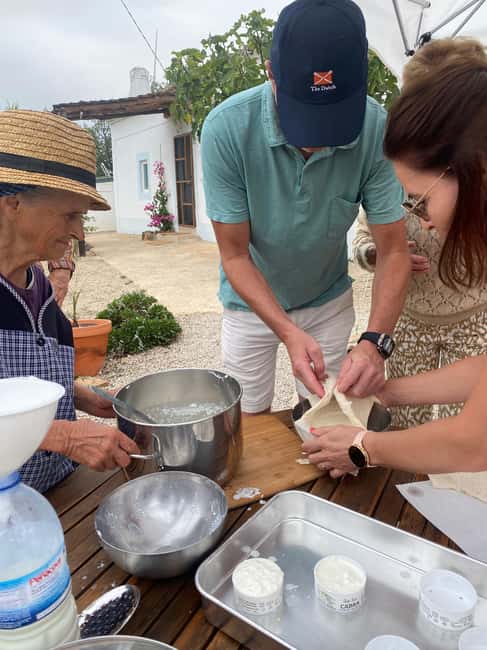
You meet at Quinta Rosa De Victoria, and the arrival instructions are refreshingly clear. Drive in through the open black gates, head down the dirt road, and park by the little white house. If you like to show up unhurried, this is one of those spots where arriving a few minutes early helps you settle in before it starts.
That dirt road and countryside feel isn’t just scenery. It signals that this is a working farm setting, not a showroom. You’re stepping into a place that’s built for goat farming and traditional production, which makes the workshop feel authentic from minute one.
If you’re using a navigation app, the coordinates provided are 37.27318572998047, -7.868228435516357. I’d save them before you go, because rural driving is where phones sometimes start acting up.
Hands-On Goat Cheese Making With a Local Farmer: What You’ll Focus On
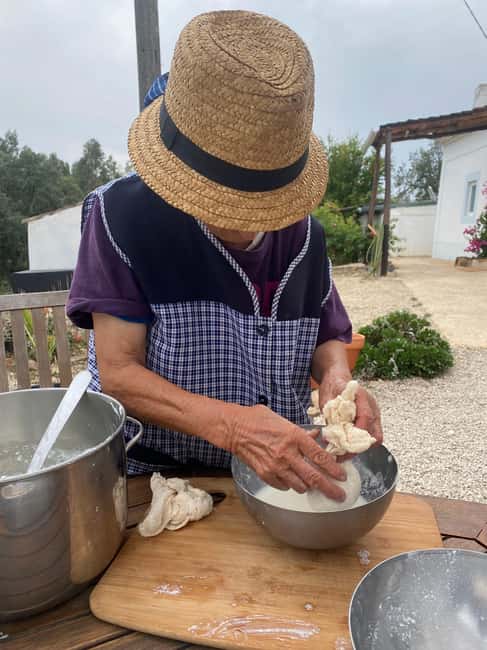
The core of the experience is a goat cheese making demonstration with a local farmer in the Algarvian countryside of Serra do Caldeirão. You’ll learn the traditional methods used by local farmers to craft fresh goat cheese, and you’ll get hands-on time as part of the session.
What matters here isn’t just the steps—it’s the mindset. Traditional cheese making is about timing, texture, and careful handling. Even if you don’t leave with a written recipe, you’ll walk away understanding the logic behind the process: why milk quality matters, why freshness matters, and why farm cheesemaking is tied to local routines.
You’ll also get instruction in English, Portuguese, and Spanish, which is a big plus if you’re traveling with friends who prefer different languages. Clear guidance makes the hands-on part less stressful. You’re there to learn, not to guess.
A practical note on expectations
This isn’t marketed as a technical chemistry class. It’s a farm workshop. So expect a friendly teaching style that helps you learn by seeing and doing, not by memorizing jargon.
The Serra do Caldeirão Context: Why This Region Shapes the Food
Serra do Caldeirão isn’t just a backdrop for goat cheese. The experience is framed around the region’s culture and heritage, and you’ll pick up that context as part of the session. You’re in a picturesque area of Portugal where people still maintain local food traditions, and that shows in how the workshop is presented.
When a cheesemaking activity includes regional context, it changes how you taste. Instead of eating cheese as a random snack, you start thinking like a local: what animals eat, what season it is, how families pass down methods, and why certain pairings make sense with what’s produced nearby.
That’s also where the experience becomes more than a fun thing to do. It becomes a way to understand the Algarve beyond beaches and towns.
The Tasting Session: Goat Cheese, Olives, Olive Oil, Bread, and Wine
After the making part, you move into the tasting. This is where the workshop earns its keep, because you don’t just watch cheese happen—you eat it and learn what to notice.
What’s included in the tasting
You’ll enjoy local goat cheese along with:
- Olives
- High-quality olive oil
- Bread
- A glass of wine
This pairing is smart. Goat cheese has a distinct tang and richness, and the olive oil and olives bring a salty, earthy counterpoint. Bread helps you reset your palate between bites. And the wine ties the whole thing together with a local-drink rhythm that makes the session feel like a small countryside meal.
What you should pay attention to while tasting
When you taste, don’t rush. Try to notice:
- how the cheese texture changes from bite to bite
- whether the wine softens the tang or sharpens it
- how olive oil smell and mouthfeel change the cheese
You’ll get more out of this if you treat it like an eating lesson rather than a checklist.
Comfort, Timing, and Group Vibe: Simple Tips That Improve Your Experience
This is a farm-based activity outdoors, so your comfort matters. The experience comes with a clear list of what to bring: comfortable shoes, a hat, camera, sunscreen, and water. I’m a big fan of activities that tell you this up front, because it means you won’t show up under-prepared and then suffer.
I’d also plan for a little walking on uneven ground. Even if the event feels small, the countryside setting means you’ll likely move around more than you expect. Good shoes help you focus on the teaching instead of your ankles.
Who will enjoy the energy most?
The reviews point to how fun this can feel—Patricia from Germany rated it 5/5 and described it as special and full of fun. Rebecca from the United States also rated it 5/5 and called it an incredible, once-in-a-lifetime experience. That matches the overall vibe: hands-on, friendly, and memorable.
If you like farm experiences, tasting with purpose, and learning by doing, you’ll probably leave happy and a little proud—like you just made something real.
Food Rules: Who Should Skip (and Why)
This is one place where you should take the limitations seriously. It’s not suitable for people with food allergies and not suitable for people with lactose intolerance. Since the tasting includes goat cheese, it makes sense that lactose-sensitive visitors may have issues.
If you have a mild intolerance or just prefer to be cautious, treat this as a no. The workshop involves actual cheese and tasting components. It’s better to find a different food experience that doesn’t revolve around dairy.
Languages and Teaching Style: Getting It Without Missing the Point
Instruction is available in English, Portuguese, and Spanish. That’s useful because cheese making can involve practical steps that are easier to understand when you hear explanations in your strongest language.
The teaching style is designed for real learning during the session. You’re not just observing. You’re there to participate, which means you’ll likely ask questions and get answers as the process happens.
Value Check: Why This Workshop Feels Worth It
You’re paying for three things that work together:
- Hands-on instruction from a local farmer using traditional methods
- A full tasting with multiple local products (cheese, olives, olive oil, bread, and wine)
- A regional connection to Serra do Caldeirão’s food culture
In other words, it’s not only a demonstration and it’s not only a tasting. It’s the combo that makes it feel like value. The timing also helps. Two hours is long enough to do the making and eat well, yet short enough to fit into a day of Algarve plans without draining your energy.
If you enjoy tasting food where it comes from—and you like the idea of bringing home a new appreciation, even if you don’t bring home cheese—it’s a very practical kind of souvenir.
Accessibility and Practical Planning: What You Need to Know
The activity is listed as wheelchair accessible, which is great news if you rely on mobility support. Still, rural properties can have uneven surfaces, so I’d plan for some outdoor movement and bring that comfortable, non-slip mindset.
Also, keep in mind what’s not allowed: pets and smoking. If you’re traveling with a companion animal, this won’t work for that plan.
Should You Book This Goat Cheese Workshop in Algarve?
Book it if you want a hands-on goat cheese making workshop that includes a real tasting and a sense of local life in Serra do Caldeirão. If you like food experiences where the learning connects directly to what you eat, this is the sweet spot. Between the strong review scores and the fact that it’s described as special, fun, and unforgettable, it’s easy to see why people rate it so highly.
Skip it if you have lactose intolerance or food allergies, since goat cheese and tasting foods are part of the core experience.
If you’re undecided, think of it this way: you’re trading one part of your Algarve day for the kind of memory that sticks because you made and tasted something real.
FAQ
How long is the goat cheese making workshop?
The workshop lasts 2 hours.
Where is the meeting point?
You’ll enter Quinta Rosa De Victoria through the open black gates, drive down the dirt road, and park by the little white house. Coordinates: 37.27318572998047, -7.868228435516357.
What languages are offered during the workshop?
The instructor speaks English, Portuguese, and Spanish.
Is the workshop wheelchair accessible?
Yes, it’s listed as wheelchair accessible.
What should I bring?
Bring comfortable shoes, a hat, a camera, sunscreen, and water.
Is it suitable for lactose intolerance or food allergies?
No. It’s not suitable for people with food allergies and not suitable for people with lactose intolerance.
What isn’t allowed during the experience?
Pets are not allowed, and smoking is not allowed.
Is there a cancellation policy?
Yes. There’s free cancellation up to 24 hours in advance for a full refund.