REVIEW · LAZISE
Lazise: Wine Tasting with Charcuterie and Cheese Board
Book on GetYourGuide →Operated by CittàdiLazise · Bookable on GetYourGuide
Three sips, zero pretension, in Lazise countryside. I like the way this tasting stays family-run and practical, not flashy, with Susy guiding you through the vineyard-to-glass story. Two things I really appreciate are the clear wine explanations and the food pairing built around cold cuts, cheeses, bread, bruschette, and farm-grown vegetables. One consideration: it’s not set up for celiac or gluten intolerance, so go only if gluten is not an issue for you.
This experience takes place in the green countryside around Lazise, where the views come from real working space: vineyard rows, an orchard-like feel, and vegetable cultivation tied to how the farm operates. You’ll taste three young, fresh wines (a rosé, a white, and a light local red) and you’ll get the thinking behind each one, including the chosen name and label.
It’s also a comfort-food kind of plan. You can keep it low-key for two hours, and families can bring the kids since juice is included for non-wine drinkers. If you’re sensitive to weather changes, note that the tasting can move indoors when conditions are rough.
In This Review
- Key things worth knowing before you go
- Why this Lazise tasting feels different from the usual wine stop
- Your 2-hour flow: what happens from arrival to the last sip
- 1) Arrive at the farm and settle in
- 2) Meet Susy and hear the farm philosophy
- 3) Taste three young wines in sequence
- 4) Eat as you sip: cold cuts, cheese, bread, and bruschette
- 5) Optional buy-in at the cellar
- The three wines: what to expect and how the pairing makes sense
- Rosé with peach notes
- White wine with green apple hints
- Light local red
- The food board: charcuterie, cheese, bread, bruschette, and garden vegetables
- Gluten and celiac note you should treat as non-negotiable
- Susy’s role: why the explanation part actually helps
- Value at $37: where the money actually goes
- Who should book this (and who should skip it)
- Practical tips for making the most of your visit
- Should you book this Lazise wine tasting?
- FAQ
- How long is the Lazise wine tasting experience?
- How many wines will I taste?
- What wines are included?
- Is food included?
- Can celiac or gluten intolerance be accommodated?
- What languages are spoken during the tasting?
- Where do I meet the group?
- What happens if the weather is bad?
- Are pets allowed?
- Can I buy wine to take home?
Key things worth knowing before you go
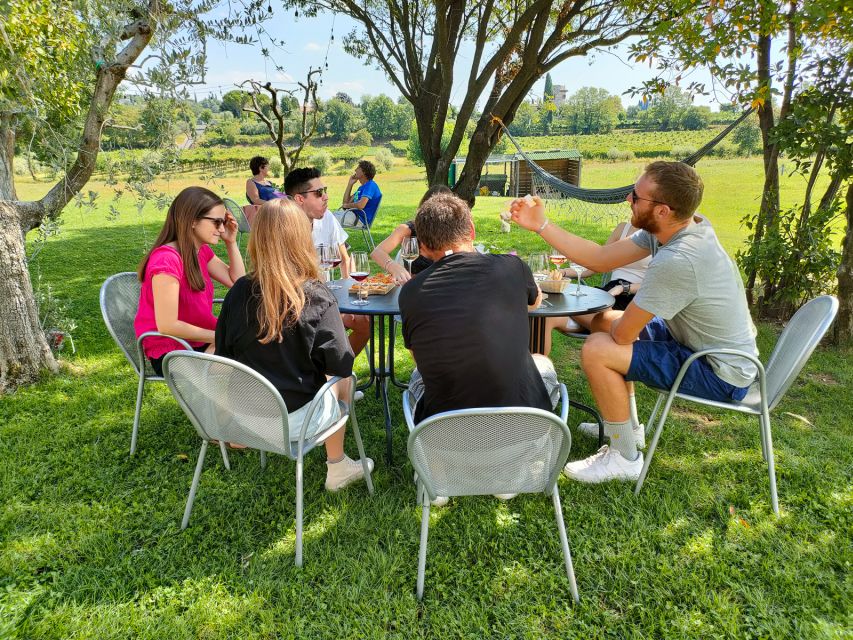
- Susy runs the show and explains how the farm grows vegetables, raises chickens, and keeps the vineyard sustainable
- Three wines in about two hours: still rosé, a white with green apple notes, and a light local red
- Food is the equal partner: cold cuts, cheeses, bread/bruschette, plus farm-grown vegetables
- It can feel like a farm dinner with cozy pacing and plenty of time to ask questions
- Gluten rules are strict: no celiac and no gluten-free food service
Why this Lazise tasting feels different from the usual wine stop
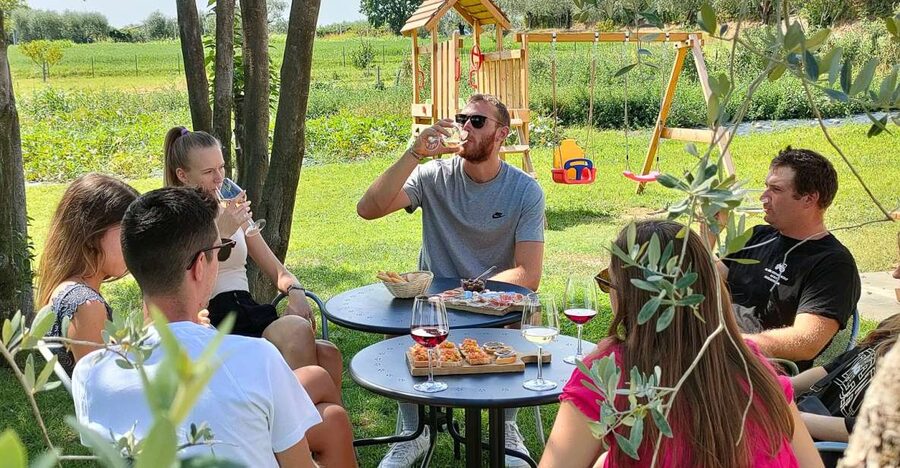
Lazise sits on Lake Garda, but the best parts of the area aren’t always the lakefront streets. This tasting is built to pull you a few steps off the main tourist path, into countryside that still feels like it belongs to locals.
The experience is run by a small family farm, and that matters. You’re not treated like you’re shopping your way through a script. Susy’s role is part host, part teacher, part translator of how this land actually turns into wine. You’ll also get a real sense of daily rhythms: vegetables from their own garden, chickens raised on-site, and a vineyard managed in a sustainable way.
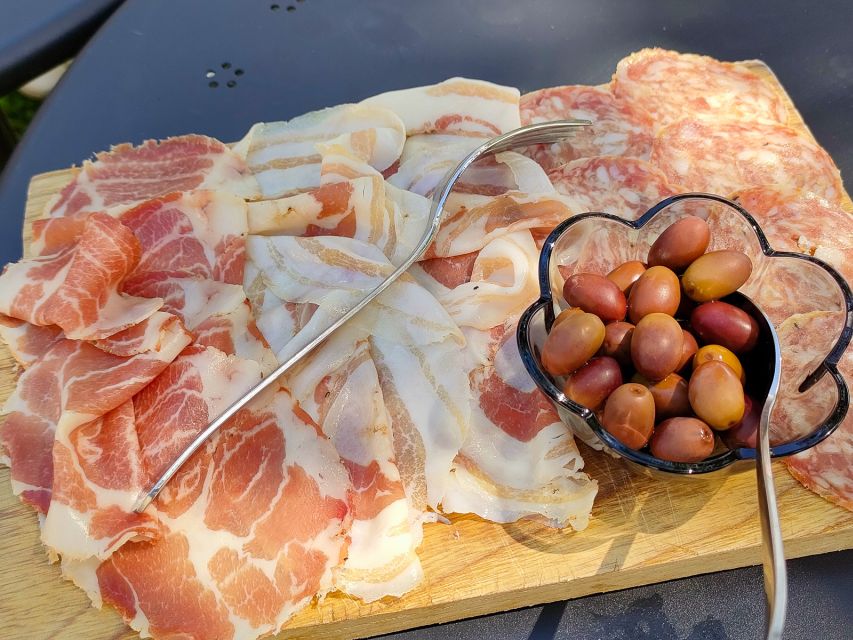
Then there’s the food. Instead of a tiny tasting snack, you get platters that do the job of a proper apéritif meal. The cold cuts and cheeses aren’t just thrown on a board for show. They’re presented alongside bread, bruschette, and home-grown vegetables, so the flavors feel connected to the wines instead of separate from them.
One more detail I like: the pacing leaves room to relax. Two hours can pass fast in the wrong setting, but here the goal is an easy countryside visit, not a rush job.
Your 2-hour flow: what happens from arrival to the last sip
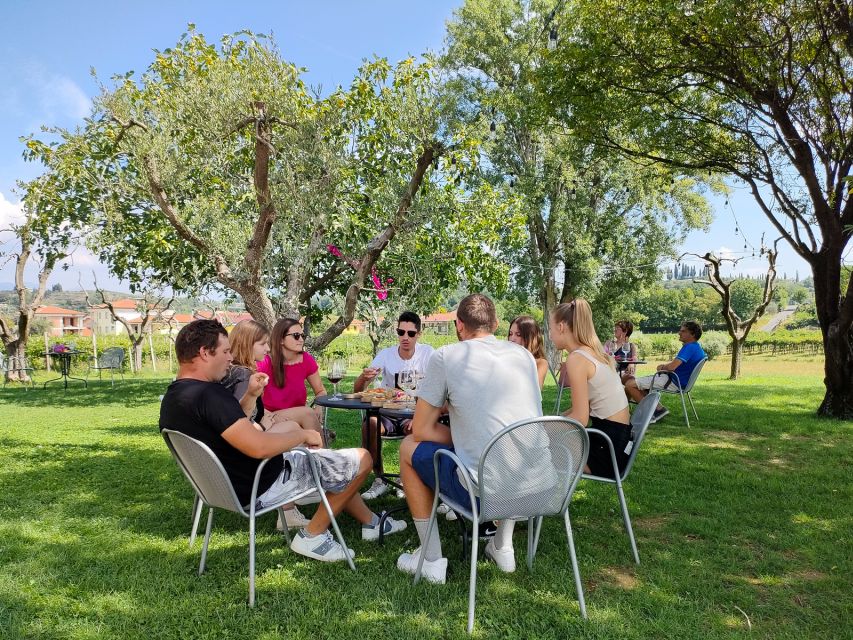
Plan on about two hours total, with the tasting itself designed around three wine samples and a steady stream of paired food. The session is timed by availability, and you’ll check starting times when you reserve.
1) Arrive at the farm and settle in
Your meeting point is inside, and there’s a free car park on-site. That’s helpful on Lake Garda, where parking can turn into a sport. Once you’re inside, you’ll get oriented and then start moving into the tasting rhythm.
You’ll be guided in English and Italian (so it’s easy to follow even if your Italian is still in the “hello and thanks” stage). The farm setting also tends to feel cozy, with a calm atmosphere that makes it easier to talk without shouting.
2) Meet Susy and hear the farm philosophy
Susy explains the farm’s philosophy and vision: how they cultivate the vegetable garden, raise chickens, maintain the vineyard, and produce wine using a sustainable approach. This isn’t just background noise. It gives context for why the wines taste fresh and young, and why the food pairing leans heavily into vegetables and simple, local ingredients.
This is also where you’ll learn about each wine beyond the basics. You’ll hear how it’s made, what character to expect, and why it carries its particular name and label.
3) Taste three young wines in sequence
You’ll sample three different wines, each paired with the food you’re eating. The lineup is specific:
- a still rosé with fruity peach notes
- a white wine with hints of green apple
- a light and harmonious local red
This order makes sense for most palates. The rosé starts the meal with fruit and lift, the white follows with crisp brightness, and the light red rounds things out without turning heavy.
4) Eat as you sip: cold cuts, cheese, bread, and bruschette
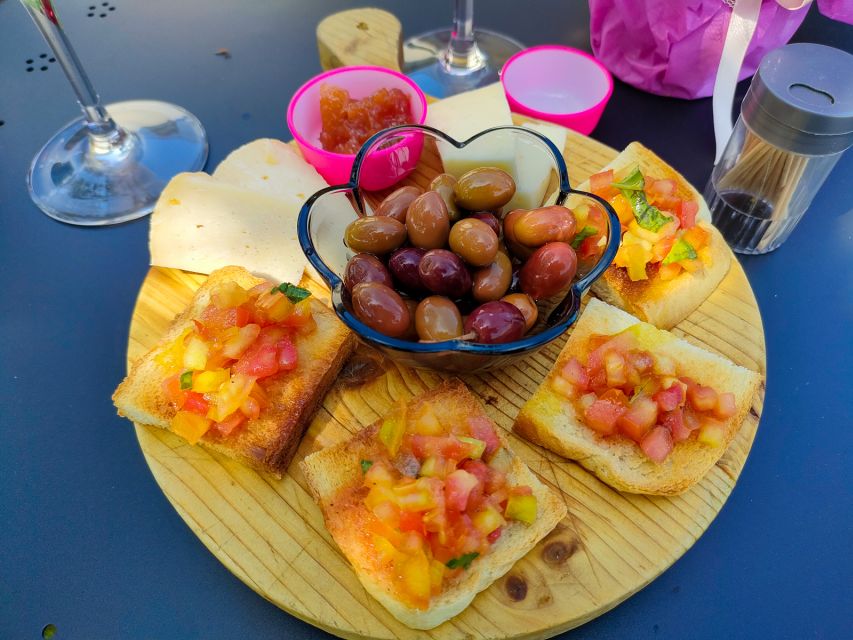
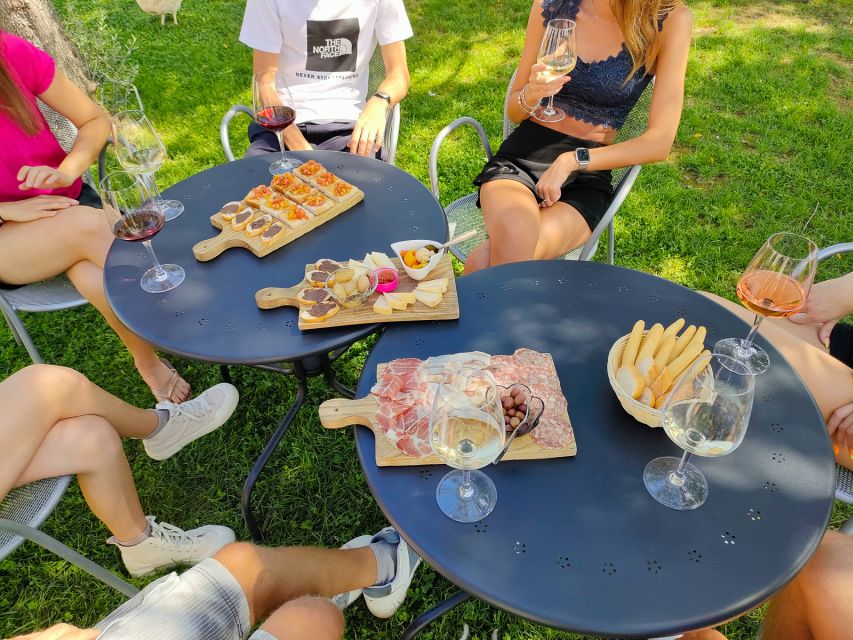
The food boards are part of the pacing. You’re not waiting for a single course at the end. Instead, you’ll keep eating and tasting together, with platters of cold cuts and cheeses, bread and bruschette, plus self-made vegetables from the farm.
5) Optional buy-in at the cellar
At the end, there’s a possibility to buy bottles in the cellar. It’s not an aggressive sales moment. If you like what you tried, you can take that result home as a souvenir you can actually use.
The three wines: what to expect and how the pairing makes sense
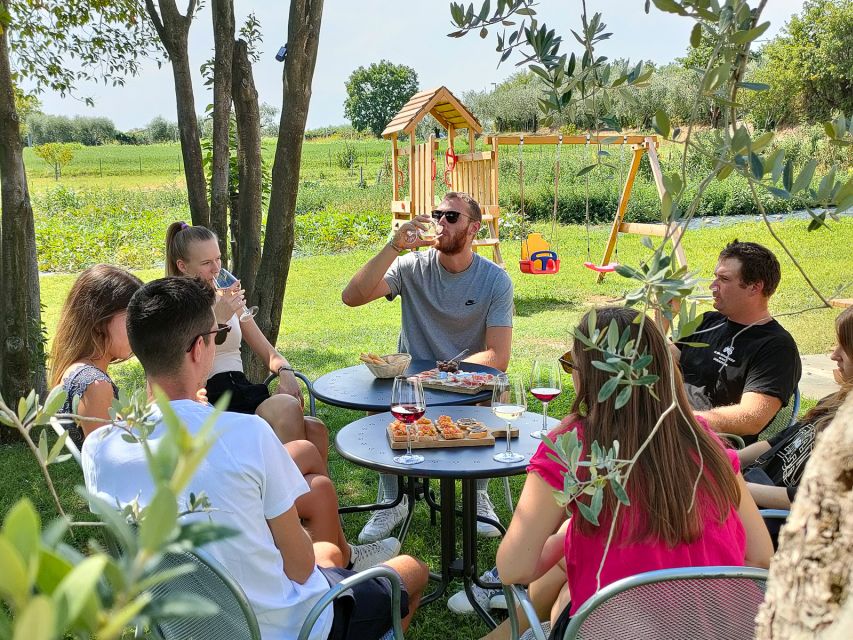
A lot of wine tastings teach theory but skip the practical part: how does this wine actually work with food? This one leans into pairing, so the wines don’t feel like separate sips floating in space.
Rosé with peach notes
The rosé is described as still, with fruity peach characteristics. Pair that with salty, savory bites: cold cuts and aged or semi-aged cheeses tend to bring out fruit perception. When you’re snacking, you’ll likely notice the rosé stays refreshing rather than turning sweet.
White wine with green apple hints
The white is noted for hints of green apple. That kind of crisp, slightly tart profile usually matches well with vegetables and lighter cheese styles. If you’re the type who likes wines that don’t feel heavy, this sample is often the crowd-pleaser.
Light local red
The final wine is a local red that’s described as light and harmonious. This matters because it’s not trying to be a powerhouse. The goal is balance with the food boards rather than dominating them. If you normally find red wine too intense, this is the gentler entry point.
The food board: charcuterie, cheese, bread, bruschette, and garden vegetables
Let’s talk about what you’ll actually eat, because this is where the value shows up.
You’ll get platters of:
- cold cuts
- cheeses
- bread and bruschette
- farm-grown vegetables (self-made)
And water is included. Non-wine drinkers get juice, which is a big deal for families. Kids can take part without having to sit out the whole thing.
Also, this is not the kind of tasting where you’re nibbling one tiny bite per wine. The boards are described as copious, and that lines up with what you need to make pairing feel real. You’re tasting, eating, and resetting your palate naturally over the course of the session.
If you’re wondering what to do if you’re hungry: don’t over-plan a full meal right before. This experience is set up like an apéritif-plus dinner snack situation, and going in hungry makes everything more enjoyable.
Gluten and celiac note you should treat as non-negotiable
The big practical limitation is that gluten-free and celiac needs can’t be served here. So if gluten is off the table for you, you’ll want to skip this one and choose a different food-friendly wine tasting.
Susy’s role: why the explanation part actually helps
Good wine talk is a shortcut to enjoyment. Bad wine talk is a lecture you can’t taste.
Susy’s explanations focus on how each wine is born: cultivation, production choices, the characteristics, and the reason for the name and label. You’re not stuck with grape trivia only. You’re also hearing about the farm itself—vegetable garden work, chickens, sustainable vineyard maintenance—so the wine comes with a believable backstory.
This also pays off in the glass. If you know what you’re tasting for, you taste it more. The difference is simple: you stop wondering and you start noticing.
Value at $37: where the money actually goes
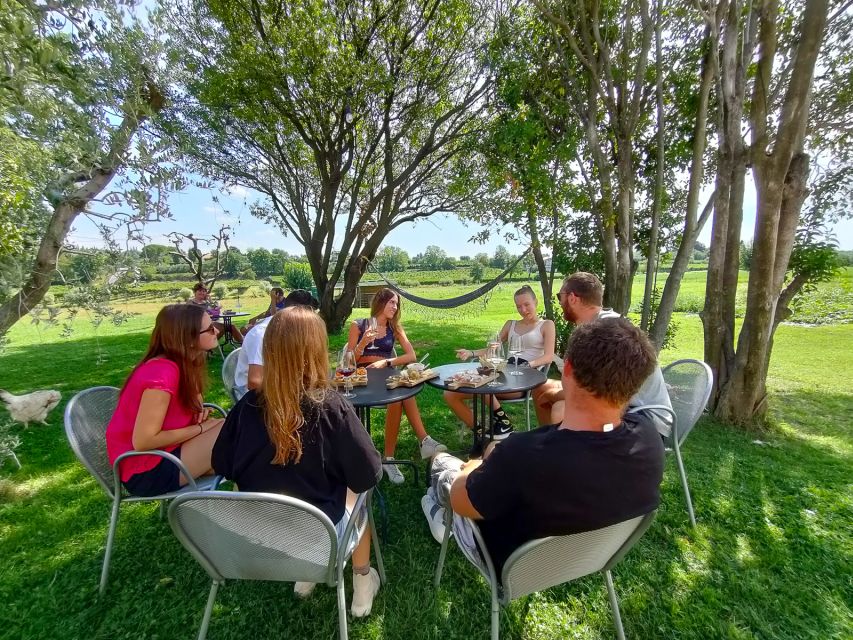
At $37 per person for about two hours, the best way to judge value is by what you receive, not just the headline price.
You’re included for:
- 3 different wines
- cold cuts, cheese, bread, bruschette, and farm vegetables
- water
- juice for kids or for anyone who doesn’t drink wine
That’s the core reason this feels like a solid deal. You’re paying for a full pairing meal experience plus guided wine tasting. And the farm setting means you’re not only buying liquid—you’re buying context, pacing, and food that’s meant to be eaten, not admired from a distance.
One possible cost bump: if you want more wine and food, you can ask, but it comes with extra charges. The good news is you don’t need extra to make the visit feel complete.
Who should book this (and who should skip it)
This is a good fit if you want:
- a low-key wine experience in Lazise countryside
- wine sampling without a stuffy vibe
- real food pairing with local-style ingredients
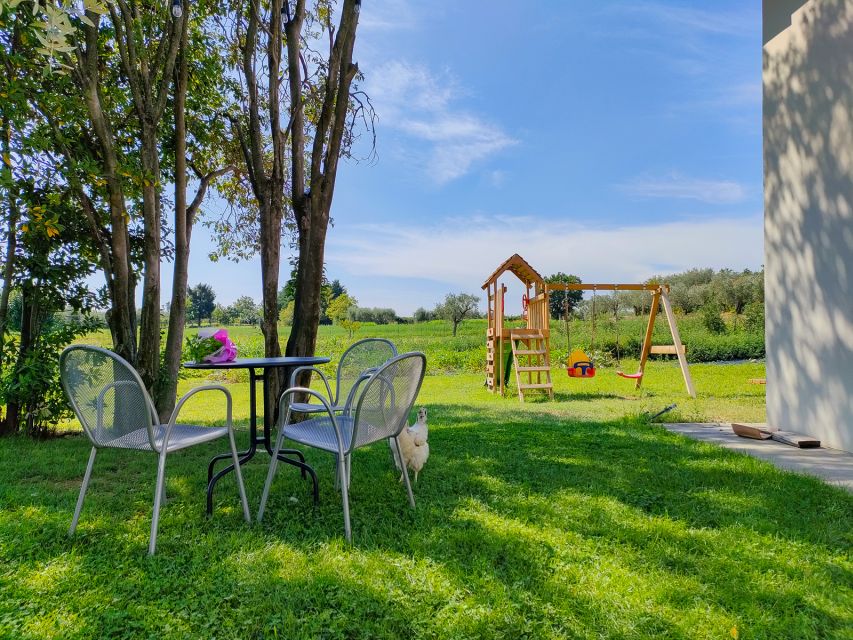
- an activity that works for families, thanks to juice options and a space where kids can play safely
It’s also a strong choice for people who like to ask questions. The host’s approach and the farm details make it easy to dig deeper, whether you’re a wine novice or someone who loves learning terms.
Skip it if:
- you need gluten-free or celiac-friendly food (it can’t be served)
- you’re looking for a high-speed itinerary packed with multiple stops
Practical tips for making the most of your visit
- Arrive hungry-ish. With boards of cold cuts, cheese, bread, bruschette, and vegetables, you’ll enjoy it most with an appetite.
- Use the tastings to learn, not to rush. Each wine has its own label story and production explanation. Slow down for the names and characteristics.
- Ask about wine purchases only if you truly like it. Bottles can be bought in the cellar, and it’s nice to leave with something that matches what you tasted.
- Plan for indoor tasting in bad weather. The tasting can move inside, so you won’t be stuck canceling mid-day just because it gets gloomy.
- If you’re traveling with kids or non-drinkers, you’re covered. Juice and water are included, so the table isn’t wine-only.
- Bring your car if you can. Free parking is available on-site, which saves time and stress.
Should you book this Lazise wine tasting?
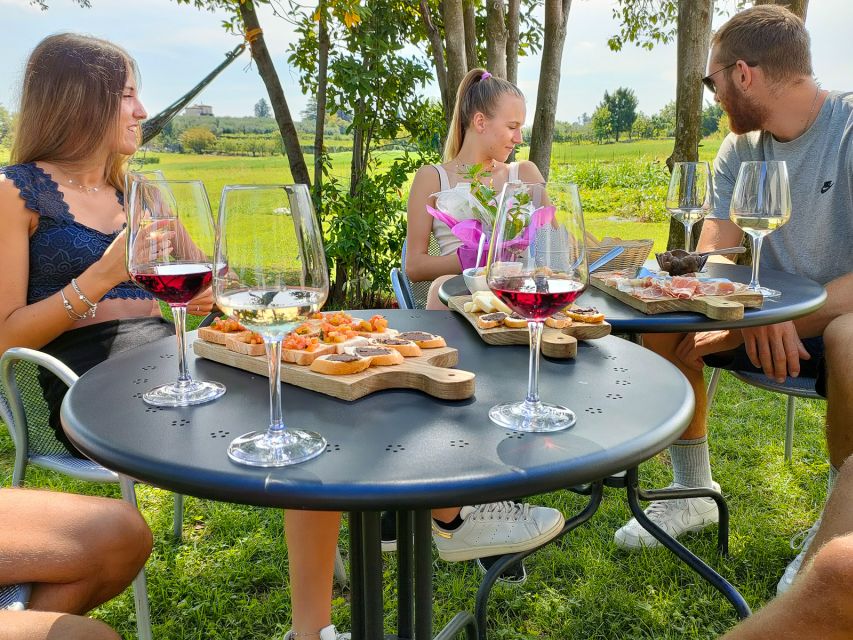
If you want a two-hour, countryside-focused experience that pairs three wines with farm-forward food, this is a smart booking. The price stacks up well because you get more than tastings—you get an actual apéritif-style meal, guided by Susy with explanations that help you taste better.
Book it if you’re traveling as a couple, a small group, or a family and you’re aiming for something calm and authentic away from the busiest Lake Garda lanes.
Skip it if gluten is a concern for you, because gluten-free service isn’t available here. And if you’re only interested in a quick sip-and-go, this tasting is designed for eating, asking questions, and relaxing, so lean into that slower pace.
FAQ
How long is the Lazise wine tasting experience?
The experience lasts about 2 hours.
How many wines will I taste?
You’ll taste 3 different wines.
What wines are included?
You can expect a still rosé with peach notes, a white wine with hints of green apple, and a light local red.
Is food included?
Yes. You’ll have cold cuts, cheeses, bread, bruschette, and farm-grown vegetables, plus water. Juice is included for kids or for anyone who doesn’t drink wine.
Can celiac or gluten intolerance be accommodated?
No. The experience can’t serve celiac and people with gluten intolerance, and gluten-free food isn’t available.
What languages are spoken during the tasting?
The guide speaks English and Italian.
Where do I meet the group?
The meeting point is inside, and there is free car parking.
What happens if the weather is bad?
If the weather turns bad, the tasting will be held indoors.
Are pets allowed?
Yes, pets are allowed.
Can I buy wine to take home?
Yes, there is the possibility to buy wines in the cellar. You can also request more wine and food for an extra cost.