Palma is all about big landmarks and small everyday stops, and this tour blends both. You start at Plaça d’Espanya and work your way into the old core with a guide who ties the city’s food life to what you’re seeing. I like that it’s paced for real wandering, not a rushed checklist, and I especially like how the market stop explains what locals actually buy.
I also like the tasting end of the walk—wine, ham, and cheese—because it turns all those food conversations into something you can taste right there in town. The only real drawback to consider: it’s a walking tour with about 2.5 hours on your feet, so wear comfortable shoes and plan for a bit of city strolling.
If you want Palma with context, plus a proper bite at the end, this is a strong, practical choice—especially if you prefer smaller streets over big-city sightseeing bus vibes.
In This Review
- Key things you’ll notice
- From Plaça d’Espanya to Palma’s food map
- Mercat de S’olivar: where everyday Majorcan choices make sense
- Plaça de Cort and the civic core: learning what symbols mean
- Placa Major: Palma’s former main square, now a social stage
- The Gothic cathedral exterior: why Palma grew around one landmark
- The walk ends where you eat and drink: wine plus ham and cheese
- Value and price: what $57.19 buys you in real terms
- Pacing, language, and who this tour fits best
- Logistics that actually matter on a city walk
- Should you book this Palma old town and market walk?
- FAQ
- What is the duration of the Palma Old Town & Market Walking Tour with wine, ham and cheese?
- What time does the tour start?
- Where does the tour start?
- Where does the tour end?
- Is the tour private?
- What languages is the tour offered in?
- Do I need a printed ticket?
- What happens at the end of the tour?
- How soon will I get confirmation after booking?
- Is the tour near public transportation?
- Accessibility-wise, is it suitable for most travelers?
Key things you’ll notice
- Market rhythm at Mercat de S’olivar: You see how locals shop for produce, cured meats, cheeses, seafood, and wine.
- Historic squares with purpose: Plaça de Cort and Placa Major help you understand how Palma organized civic life and commerce.
- Gothic cathedral as a city anchor: You’ll admire it from the outside and learn how Palma grew around it.
- Private-group feel: Only your group participates, which usually means a calmer pace and more questions.
- English guide and mobile ticket: Easy to use, and confirmation comes within 48 hours when available.
From Plaça d’Espanya to Palma’s food map
The tour starts at Plaça d’Espanya, Palma’s main transport hub and the natural gateway into the historic center. Even if you arrive by bus, taxi, or on foot from your hotel area, this is a smart first choice because you get orientation fast. You’ll hear how Mallorca fits into the story of Palma—then you’ll step into the old quarter with the food angle turned on from the beginning.
This opening matters more than you might think. Palma can look like a pile of beautiful streets and monuments until someone puts the city into a simple framework for you. Here, the guide uses the first stop to set that framework: where Palma’s identity comes from, and why the island’s food culture is tied to how people lived and traded.
The pace from the start is relaxed, and that’s a win. You’re not sprinting between spots. You’re learning how to look—at street layouts, at the way squares connect, and at the everyday places where locals would normally spend time.
You can also read our reviews of more tours and experiences in Mallorca.
Mercat de S’olivar: where everyday Majorcan choices make sense
Next comes the Mercat de S’olivar, Palma’s main traditional market. This stop is designed to give you the feel of local shopping life, not just a quick glance and a photo. You’ll walk through the market area while your guide explains what locals pick up: fresh produce, cured meats, cheeses, seafood, and wine.
What I like about this kind of market stop is that it helps you understand what you’ll want to order later. If you’ve never done this before, cured meats and cheeses can feel like a generic “Spanish snack.” But when someone explains the local logic—seasonal products, common pairings, and why markets are essential—you start tasting with more context.
There’s also a subtle benefit for your trip style. Instead of treating food like a souvenir, you start thinking like a shopper. You’ll likely notice that markets aren’t only for tourists. They’re where routine happens: people go to buy what’s needed, for today’s meals and tomorrow’s too.
Time at the market is about 15 minutes, and that’s the tradeoff. You won’t have hours to browse every stall, and admission isn’t included for this stop. But as an introduction, it’s a good balance: enough to learn the themes, not so much that you lose your energy before the rest of the walk.
Plaça de Cort and the civic core: learning what symbols mean
After the market area, you head to Plaça de Cort, the political heart of Palma. This square is more than a pretty crossroads. Your guide points out how civic life works locally and ties in traditions and symbols—plus a notable detail: an old olive tree that anchors the place in the island’s identity.
This stop is short—around 5 minutes. But civic squares often hold the key to understanding why cities feel the way they do. When you know where decisions were made, where people gathered formally, and what symbols represented, you read the streets differently afterward. Palma stops feeling random.
A small practical tip for this part: keep your phone handy for the exterior details, but also look at how people move through the square. Even in a short stop, it’s the layout that gives you a feel for daily life.
Placa Major: Palma’s former main square, now a social stage
Then you move to Placa Major, once Palma’s main square for public events and markets. Today it’s a lively space surrounded by historic buildings, and it’s a natural spot to understand how Palma evolved socially and commercially over time.
What you get here is a “time bridge” effect. You can see architecture from different eras, you can imagine the square’s older role, and you can connect it back to the food culture you just learned. Markets don’t appear out of nowhere. They grow where people gather, where commerce is convenient, and where travel routes make sense.
This stop is about 10 minutes, and it works well as a mid-tour reset. You’ll get context without burning energy. If you tend to get museum fatigue, this is a good place to catch your breath for a moment and refocus.
The Gothic cathedral exterior: why Palma grew around one landmark
From there, you walk through the historic core and admire the exterior of Palma’s iconic Gothic cathedral. You’re not touring inside here; this is a relaxed introduction focused on context, origins, and the way Palma developed around the landmark.
This outside view is still worth it, because cathedral exteriors often tell you how a city organized itself. Your guide connects Palma’s maritime past to its growth pattern. That matters in a city like Palma, where the harbor and trade history shaped both wealth and street-level life.
It’s also a moment to slow down a bit mentally. After market talk, civic squares, and old main streets, the cathedral becomes the visual “anchor” that ties it all together.
If you like taking photos, this is where you’ll want to aim for your best angles—especially if the light is good around midday. Keep expectations realistic: you’ll likely see a lot of people around the cathedral area, so aim for a few strong shots rather than trying to get a perfect empty-frame photo.
The walk ends where you eat and drink: wine plus ham and cheese
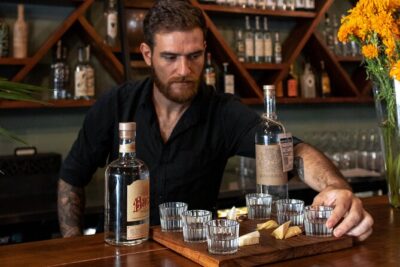
One of the biggest reasons this tour earns strong marks is what happens at the end. It finishes at Carrer de Bonaire, specifically where the tour includes food and drink. Since the experience is built around wine, ham, and cheese, you should expect a tasting-focused finish right after the historical walk.
This is the part that turns information into memory. You spend a chunk of time learning about local tastes—produce, cured meats, cheeses, seafood, and wine—and then you get to try the flavors in a structured way. For me, that makes the learning stick. Even if you don’t remember every square’s detail, you’ll remember the taste and the pairing style.
Practical angle: because the tour lasts about 2 hours 30 minutes, the food stop is a nice payoff that doesn’t balloon your day. Start at 12:00 pm, and you’re done early enough to continue your own exploration afterward—lunch in Palma can easily turn into the entire afternoon if you let it.
Value and price: what $57.19 buys you in real terms
At $57.19 per person, this isn’t a “cheap and cheerful” stroll. But it also isn’t priced like a big-ticket attraction. The value comes from three things you can actually feel:
- A guided walking experience with a private-group setup, so you’re not squeezed into a large crowd.
- A market education stop that explains what locals buy and why (not just where the stalls are).
- A tasting finish built around wine and Majorcan cured/cheese staples.
Where value can wobble: if you’re expecting long market time or a deep dive into cathedral interiors, you may feel the duration is short. This tour is designed for good flow—context first, then taste—rather than “hours inside one place.”
For most people, that’s exactly the sweet spot. You get enough structure to understand Palma without losing the freedom to wander on your own right after.
Pacing, language, and who this tour fits best
The tour runs about 2 hours 30 minutes and is offered in English. It’s a private tour, meaning only your group participates. That tends to make questions easier and the mood calmer, which matters when you’re mixing architecture and food talk.
It’s also a good fit if you like a guide who keeps the day moving but stays friendly and flexible. In the feedback I saw, the guide approach is often described as welcoming and fun, with strong historic context. One detail that stood out in the general pattern: patience with families, including a very young child. So if you’re traveling with kids who can handle a short-to-medium walk, this tour may work better than overly academic or overly long sightseeing.
Who might skip it: if you have zero interest in food and markets and only want big monuments or museum interiors, you might find the content too “local-life” focused. This is built for people who want to understand Palma as a lived-in place.
Logistics that actually matter on a city walk
This tour uses a mobile ticket, and you’ll receive confirmation within 48 hours of booking (subject to availability). The start point is near public transportation, which is useful because Palma’s old streets can be easier on foot than by car.
The route starts at Plaça d’Espanya and ends at Carrer de Bonaire. Plan to keep that in mind for your next move. If you want to continue walking afterward, you’ll already be close to a convenient area for food and drink.
One more practical note: while most travelers can participate, you should still assume normal city-walking conditions—uneven pavement, some curb cuts, and standing around for short stops. Bring comfortable shoes and a light layer, because midday weather in Mallorca can change how you feel on your feet.
Should you book this Palma old town and market walk?
I’d book it if you want Palma in a practical, bite-sized format: old squares, real local market context, and a tasting finish that matches what you learned while walking. It’s especially good value for the combination of guided context + market food culture + wine and ham and cheese in one smooth morning-to-lunch-time slot.
I’d hesitate if you hate walking tours, want museum-style indoor time, or only care about the cathedral interior. In that case, you might prefer something more monument-focused.
FAQ
What is the duration of the Palma Old Town & Market Walking Tour with wine, ham and cheese?
The tour is about 2 hours 30 minutes.
What time does the tour start?
The start time listed is 12:00 pm.
Where does the tour start?
The tour starts at Plaça d’Espanya, Pl. d’Espanya, 07002 Palma, Illes Balears, Spain.
Where does the tour end?
It ends on Carrer de Bonaire, Centre, 07012 Palma, Illes Balears, Spain, where you eat and drink.
Is the tour private?
Yes. It’s described as a private tour/activity, with only your group participating.
What languages is the tour offered in?
The tour is offered in English.
Do I need a printed ticket?
No. You’ll use a mobile ticket.
What happens at the end of the tour?
The tour ends where you eat and drink, and the experience is centered on wine, ham, and cheese.
How soon will I get confirmation after booking?
Confirmation is received within 48 hours of booking, subject to availability.
Is the tour near public transportation?
Yes, it’s listed as near public transportation.
Accessibility-wise, is it suitable for most travelers?
It states that most travelers can participate.