REVIEW · ST MAARTEN
Private Cheese and Wine Tasting
Book on Viator →Operated by Le Comptoir des Fromages - Cheese and wine Tasting · Bookable on Viator
Cheese lessons with wine are better than you think. In Marigot, this small-group workshop from Le Comptoir des Fromages pairs lait cru cheeses with wine pairings, plus stories and games that make the learning stick.
I love the mix of tasting and technique, especially how you learn to choose, cut, and present cheese. You also get a seasonal lineup of 7 to 9 artisanal or farm-made cheeses.
The one thing to consider is the pace: you’re tasting in about 2 hours, and it’s a lively format with quizzes and blind-test style moments.
In This Review
- Key things you’ll notice fast
- Marigot cheese meets wine: what the 2-hour workshop really feels like
- The small-group advantage: why 8 people makes a difference
- Your cheese lineup: 7 to 9 artisanal, farm-made lait cru cheeses
- Wine pairings that teach your palate, not just your taste buds
- How the host turns taste into an actual learning experience
- What you do during the session (from start to finish)
- Price and value: is $115.83 worth it?
- Who should book this cheese and wine workshop in St Maarten
- Quick practicalities that help you enjoy it
- Should you book this private cheese and wine tasting?
- FAQ
- How long is the cheese and wine tasting workshop?
- How many cheeses and wines are included?
- Is the cheese made from raw milk?
- What is the group size?
- Where does the workshop start?
- What happens if the activity doesn’t meet the minimum number of bookings?
- Is there free cancellation?
Key things you’ll notice fast
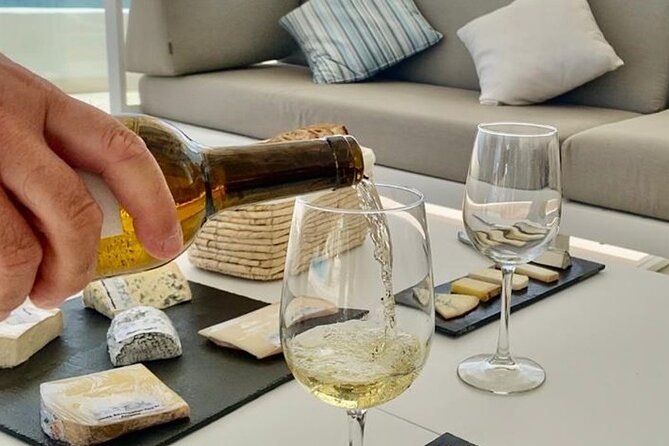
- 7 to 9 cheeses, seasonal and raw-milk: the selection changes by season and focuses on cheeses made with exclusively lait cru.
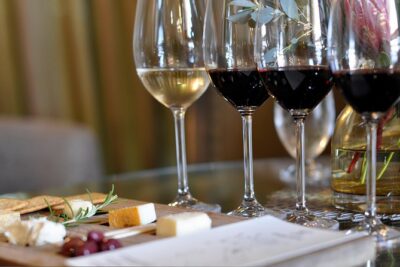
- 3 to 4 wine pairings: each wine is selected to match the cheeses you’re tasting.
- Max 8 people: you get room to ask questions and actually interact, not just sit and listen.
- Games and quizzes: quiz moments and a blind-test style challenge keep you paying attention.
- How cheese works: you learn history, production regions, cheese families, making, and aging, not just flavor talk.
Marigot cheese meets wine: what the 2-hour workshop really feels like
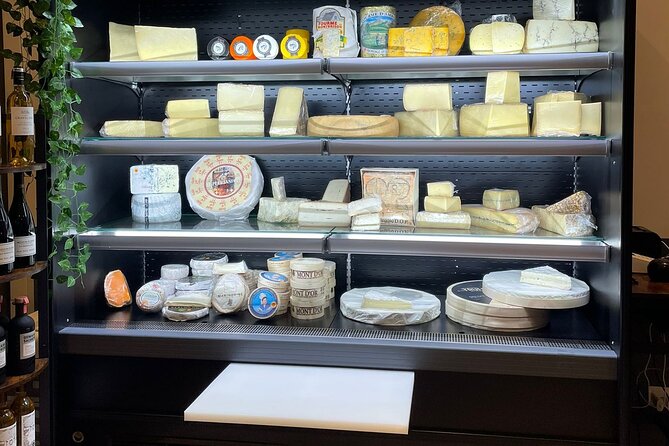
This experience is set up like a good meal with teaching built in. You start at Le Comptoir des Fromages on the Front de Mer in Marigot, and from there the session moves through tastings, short lessons, and interactive games. The vibe is warm and friendly, with a host who guides the group without turning it into a lecture hall.
You’re not just sampling bites. The structure is designed to help you taste with purpose. That means you’ll learn what to look for and how to connect flavor to the cheese itself: the region, the family of cheese, the basic production process, and how aging can shift texture and taste. If you’ve ever bought cheese at home and wondered what to do next, this gives you a clear path.
The small size matters. With a maximum of eight people, it feels more like a dinner party with shared questions. You can hear explanations, ask follow-ups, and join in the quiz moments instead of watching from the back row.
And because there are both afternoon and evening workshops, you can slot it into your day without feeling like you have to rearrange everything around one fixed time. If you’re the type who likes a planned activity before dinner, this is a strong option.
You can also read our reviews of more tours and experiences in St Maarten.
The small-group advantage: why 8 people makes a difference
In a bigger tasting, you often get two outcomes: either you rush through the tastings, or you spend most of the time watching someone else learn. Here, the group is capped at eight, so the host can slow down and tailor the pace to what people are tasting and asking.
That intimacy also changes how the lesson lands. The format includes anecdotes and interactive activities like quizzes and blind-test style play. Those are easier to pull off when the group is small. You get more chances to participate, and the answers don’t feel like they’re spoken into the void.
There’s another practical benefit: you’ll spend more of the 2-hour window actually tasting. The workshop doesn’t seem built around dragging you through long explanations. It moves from cheese to wine to short learning moments, then back to sampling so you can connect what you learned with what you’re tasting right now.
If you’re traveling as a couple or with friends, this is also a nice fit. Even if you don’t know the other people in the group, the setting makes it easy to mingle—without it turning into an awkward social event.
Your cheese lineup: 7 to 9 artisanal, farm-made lait cru cheeses
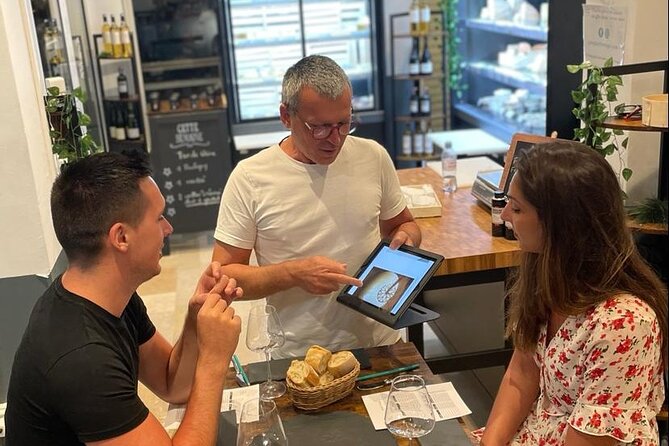
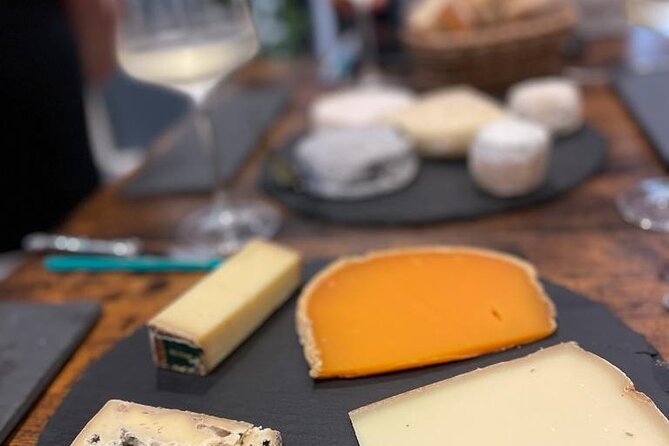
Here’s what you’re really signing up for: 7 to 9 cheeses (sometimes 9 in practice) plus 3 to 4 wine pairings, all within roughly two hours. The key detail that shapes everything is that the cheeses are exclusively made with lait cru—raw milk.
That matters because it affects the character of the cheese. You’ll be tasting differences that come from the basic milk style, the makers, and the aging choices. And because the selection is seasonal, you’re not just getting the same list year-round. In plain terms: if you came back another season, you’d likely taste a different set.
The cheeses you’ll encounter are described as artisanal and farm-made. You’ll learn about the history, the main regions where cheeses are produced, and the big cheese families—so the tasting has a map in your head, not just random flavors.
You’ll also get practical lessons that help beyond the workshop. The session includes guidance on:
- how to select cheese
- how to cut it
- how to present it for serving
If you’ve ever hosted people and felt like you were guessing with the board (slice size, order, what pairs well), those tips are the kind you can use immediately after you get home.
One small consideration: raw-milk cheeses can be very strong in aroma and flavor compared with milder options. If you’re sensitive to intense smells, go in expecting that the flavors won’t be subtle.
Wine pairings that teach your palate, not just your taste buds
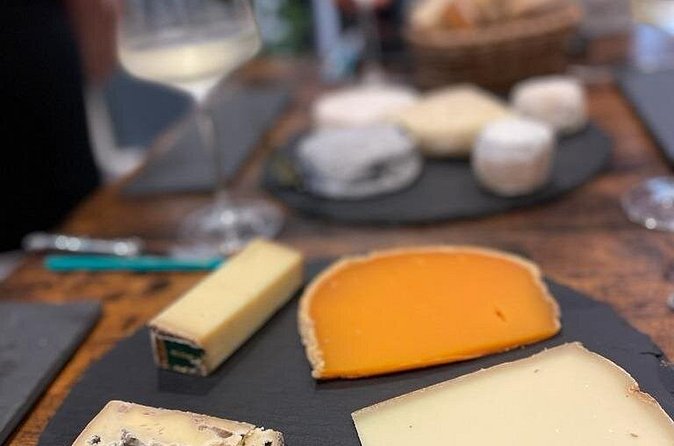
The workshop includes 3 to 4 wines chosen specifically for the cheeses you’ll taste. This is where the experience becomes more than a snack. The pairing portion trains your palate to notice relationships: how the wine’s acidity, fruitiness, and tannin feel can change what you perceive in the cheese.
Instead of treating wine like a separate activity, the workshop folds it into the cheese lesson. You’ll taste, listen to pairing logic, and then move to the next cheese without waiting until the end to figure out what worked.
In terms of value, this is a smart add-on. A lot of tastings sell you samples but don’t teach you how to pair on your own. Here, the pairing is part of the lesson framework, so you leave with a method—something you can repeat when you buy cheese or build a board later.
Also, the interactive format helps. When there’s a quiz or blind-test style moment, you’re forced to rely on your senses instead of second-guessing what you think the cheese is supposed to taste like. That makes the pairing feel more grounded in what you actually experience.
If you already like wine, you’ll enjoy how the pairings confirm your instincts. If you’re more of a casual wine drinker, you’ll still benefit because you’re tasting step-by-step, with the host guiding you through the logic.
How the host turns taste into an actual learning experience
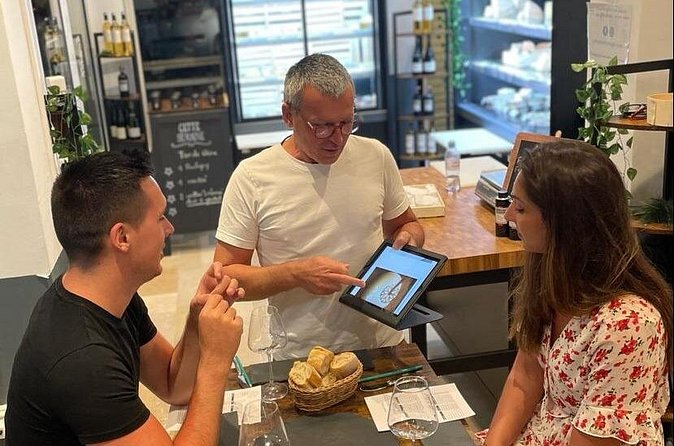
The host leading the workshop is Géraud (spelled Geraud/Géraurd in different mentions, but the same person). The consistent thread is that Géraud combines warm hosting with clear explanations, taking time to guide the group through the how and why of cheese.
You don’t just hear about cheeses—you learn about the world around them. The workshop includes learning about:
- the history and cultural side of cheese
- the main regions of production
- cheese families (the big categories)
- how cheese is made and aged
This is the part I find most useful. Once you understand basic families and what aging does, you can stop treating each cheese like a surprise. Instead, you start recognizing patterns—soft versus firm, stronger aromas versus milder ones, and how texture and aging often connect to flavor.
Géraud also brings anecdotes and interactive activities into the flow. That keeps it from becoming repetitive. The quizzes and blind-test moments also add a bit of friendly pressure to pay attention, which is exactly what helps most people remember what they tasted.
And because the group is small, the host can slow down when questions come up. That matters when you’re asking, for example, how to choose a cheese for a board or how to handle cutting and serving.
What you do during the session (from start to finish)
Your tasting starts at Le Comptoir des Fromages in Marigot, at the Front de Mer location known as Les Amandiers. The workshop ends back at the same meeting point, so you’re not wandering across the island with a packed calendar.
From there, expect a guided flow that typically follows this pattern:
- Welcome and setup for what you’ll taste
- Tasting a first wave of cheeses with explanations about origin, family, and production basics
- Wine pairings matched to the cheeses as you go
- Interactive moments like quizzes and a blind-test style activity
- Closing guidance on how to choose, cut, and present cheese
The whole thing runs for about 2 hours. That’s a good length: long enough to taste multiple cheeses and actually learn something, but not so long that you feel wiped out before dinner.
One more practical perk: it uses a mobile ticket, which is convenient when you’re moving around the island and don’t want to juggle paper.
Price and value: is $115.83 worth it?
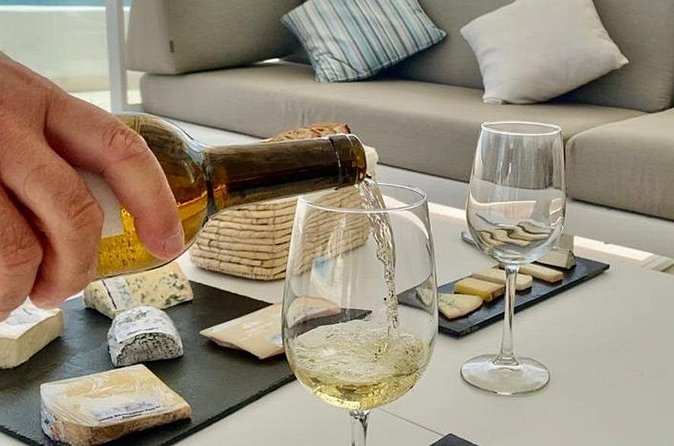
At $115.83 per person, you’re paying for more than a few cheese samples. You’re paying for guided tasting, instruction, and the structure that links cheese to wine in an easy-to-follow way.
Here’s why the value works on paper:
- You get 7 to 9 cheeses plus 3 to 4 wine pairings.
- The group is capped at 8, so it’s not a high-volume production.
- The workshop teaches practical skills like choosing, cutting, and presenting cheese.
- The format is interactive, with quizzes and games, which makes it more memorable than a passive tasting.
In other words, it’s not just about the food. It’s about leaving with a usable mental model. If you’re a foodie who likes learning, you’ll probably feel like the cost makes sense quickly. If you only want a quick bite and don’t care about the teaching, it could feel like more than you need.
One planning note that helps: this is commonly booked about 37 days in advance. If you’re trying to lock in a specific afternoon or evening slot, booking earlier gives you more options.
Who should book this cheese and wine workshop in St Maarten
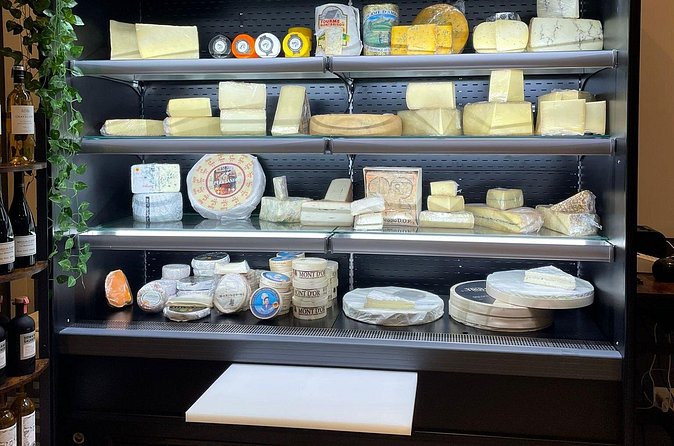
This workshop is a great match if you’re one of these travelers:
- You like wine and cheese, and you want the pairings to make sense, not just taste good.
- You enjoy hands-on learning and don’t mind a quiz or blind-test style game.
- You want a small-group experience with real interaction.
- You plan to host friends later and want advice on building a proper cheese board.
It’s also a solid choice for couples who want something more interesting than a standard sit-down meal, but still want an experience that fits into a 2-hour window.
On the other hand, if you prefer very quiet, minimal interaction, the playful quiz format might feel too active. Also, because you’ll be tasting multiple cheeses made with lait cru, expect flavors that can be strong and aromatic.
Quick practicalities that help you enjoy it
A few details can help you feel prepared:
- The meeting point is Le Comptoir des Fromages, Les Amandiers, Front de Mer Marigot (Saint Martin, Marigot 97150).
- The workshop runs about 2 hours, and there are afternoon and evening options.
- Service animals are allowed, and most travelers can participate.
- The activity can run as long as enough people book, otherwise you’ll be offered a fallback date or a refund without charge.
- You’ll use a mobile ticket.
If you’re the type who gets overwhelmed by too many choices, bring that energy here. The host’s job is to guide you through the lineup so you don’t feel like you need to figure everything out alone.
Should you book this private cheese and wine tasting?
Yes, I think you should book it if you want an experience that’s part tasting, part education, and part fun. The strongest reason is the combination of small-group size (max 8) with guided learning from a host named Géraud, plus real pairing logic with 3 to 4 wines.
Also, the seasonal, raw-milk focus means you’re tasting something more specific than generic cheese platters. You’ll come away with practical skills for selecting and serving cheese, not just a pleasant afternoon.
Skip it only if you want something low-energy and quiet, or if you strongly prefer mild, gentle flavors. Otherwise, this is an easy win in Marigot—especially if you like learning while you eat.
FAQ
How long is the cheese and wine tasting workshop?
It lasts about 2 hours.
How many cheeses and wines are included?
You’ll sample 7 to 10 artisanal or farm-made cheeses (often described as 7 to 9) and 3 to 4 wine pairings.
Is the cheese made from raw milk?
Yes. The selection is exclusively made with lait cru.
What is the group size?
The maximum group size is 8 travelers.
Where does the workshop start?
It starts at Le Comptoir des Fromages, Les Amandiers – Front de Mer Marigot Saint Martin, Marigot 97150, St Martin.
What happens if the activity doesn’t meet the minimum number of bookings?
If at least 3 people haven’t booked, the provider will offer a fallback date or a refund without charge.
Is there free cancellation?
Yes. You can cancel up to 24 hours in advance for a full refund.