REVIEW · CEGLIE MESSAPICA
Puglia: Masseria Seppunisi Tour, Cheese, Burrata Tasting
Book on GetYourGuide →Operated by Masseria Seppunisi · Bookable on GetYourGuide
Cheese tastes better when you make it. At Masseria Seppunisi on the Murge plateau, I love how this tour turns the usual cheese story into something hands-on, from milk to burrata and mozzarella. You walk the farm with a live guide and see the workflow that keeps Apulian dairy traditions alive.
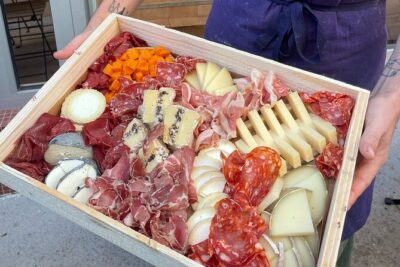
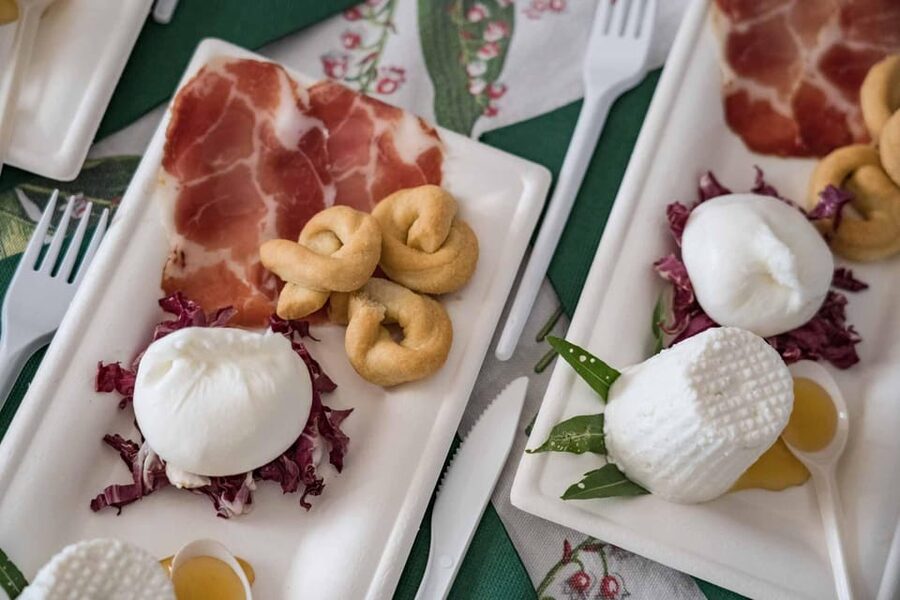
I especially like the way the experience ends: a proper aperitif with five types of farm cheese, cold cuts, taralli, focaccia, dessert, and local wine. It’s not a tiny snack; it’s a full tasting plate that actually matches what you just learned.
One thing to plan for: this is a working farm, so nearby machinery and the pace of production can make the guide harder to hear if you’re not close.
In This Review
- Key Things I’d Highlight Before You Go
- Masseria Seppunisi: The Kind of Farm Visit You Can Taste
- Arriving at the Farm: Location and the One Simple Mistake to Avoid
- Meet the Farm Story: Why the History Is Practical, Not Just Decorative
- Cowshed Time and Calves: The Part That Feels Like Puglia
- The Dairy and Aging Rooms: Where Cheese Becomes Real Work
- Making Your Own Burrata or Mozzarella: The Hands-On Payoff
- The Aperitif Tasting: Five Cheeses, Taralli, Focaccia, and Wine
- What I Think About the Tour Length and Group Size
- Sound Levels and Comfort: A Real Working-Farm Consideration
- Who This Tour Suits Best in Puglia
- Should You Book the Masseria Seppunisi Cheese Tour?
Key Things I’d Highlight Before You Go
- Petting and meeting calves up close during the cowshed portion
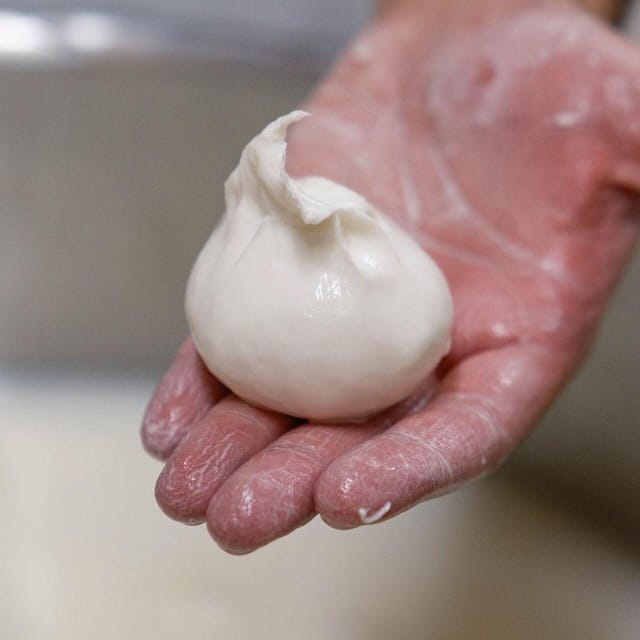
- Hands-on burrata or mozzarella shaping with an expert
- Cows, dairy, and aging rooms in one tight 2-hour loop
- Small group size (max 10) so you’re not stuck watching from far away
- A generous tasting plate with wine, five cheeses, and classic Apulian breads/snacks
- Comfortable shoes required and no sandals/flip-flops allowed
Masseria Seppunisi: The Kind of Farm Visit You Can Taste
If you like food that comes from a real place, not a factory tour vibe, this is a strong choice. Masseria Seppunisi is on the Murge plateau in Apulia, between the Itria Valley and the gates of Salento. The farm’s roots go back to the 16th century, and it’s been run by four generations, with daily milking still at the center of everything.
What makes this tour work so well is the pacing. You start with the farm story, you meet the animals, you move through the dairy spaces where milk turns into cheese, and then you do the hands-on making. Then you sit down and eat what you helped create.
The price is $53 per person for a 2-hour experience that includes both labor (your hands-on burrata/mozzarella) and food (wine plus a multi-item tasting plate). For many food tours in Italy, you pay extra for tasting alone. Here, the tasting is built into the experience because you watch the process first.
Arriving at the Farm: Location and the One Simple Mistake to Avoid
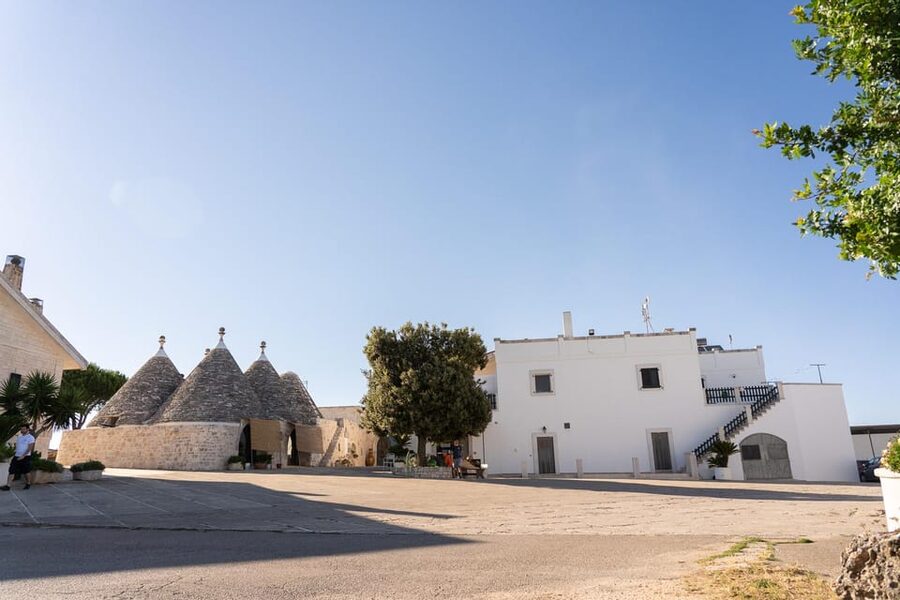
Start with logistics, because this place is rural. When you search Masseria Seppunisi on Google Maps, you’ll likely see shops in the nearby village. You want the actual farm on the outskirts, not the village shops.
This matters because the whole feel of the tour depends on being on-site—barn, dairy, aging rooms, and the small production spaces. If you arrive at the wrong spot, you’ll lose time and stress yourself out.
Bring comfortable shoes and skip sandals or flip-flops. The farm areas can be a mix of surfaces, and you’ll be walking through working zones, so footwear isn’t a minor detail.
Meet the Farm Story: Why the History Is Practical, Not Just Decorative
The tour begins with a historical overview of the masseria and how the farm operates today. This isn’t history as a lecture. It’s history as context: why these farms still matter on the Murge plateau, and why daily routines like milking shape the cheese you’ll eat.
You’ll also get a quick sense of how “fresh” and “local” shows up here. The farm uses high-quality milk from its own cattle, processed in the company dairy with an approach described as km0. In plain terms, the tour is designed to show you the source and the workflow, not just hand you a sample at the end.
If you’re the type who likes to understand what you’re eating, you’ll enjoy this part. If you’re not, you’ll still get value because it sets up what comes next: cowshed, dairy spaces, and aging rooms.
Cowshed Time and Calves: The Part That Feels Like Puglia
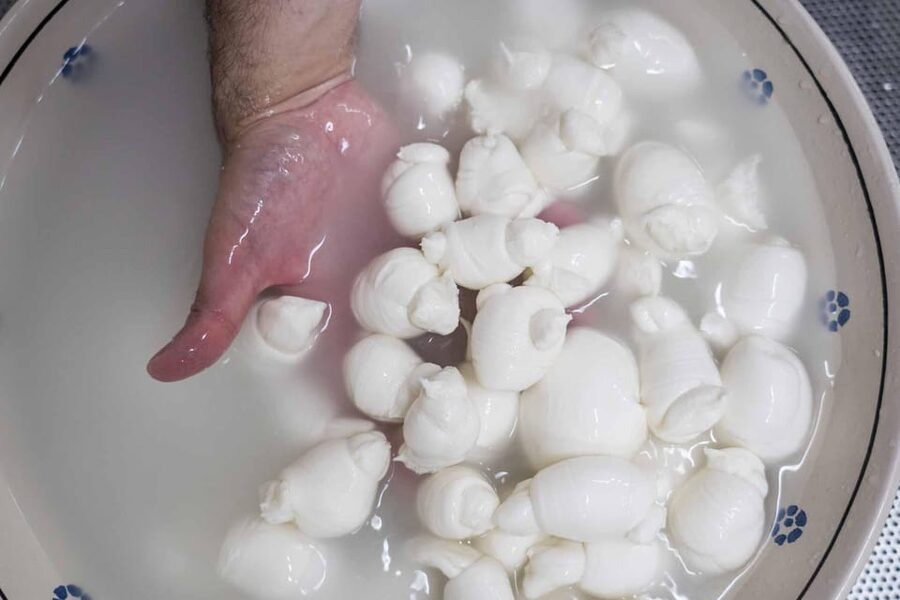
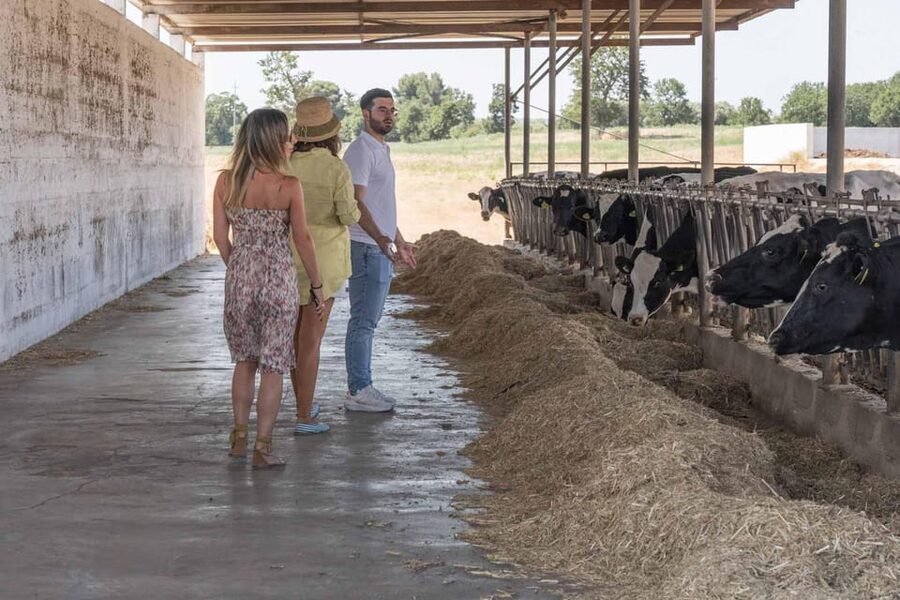
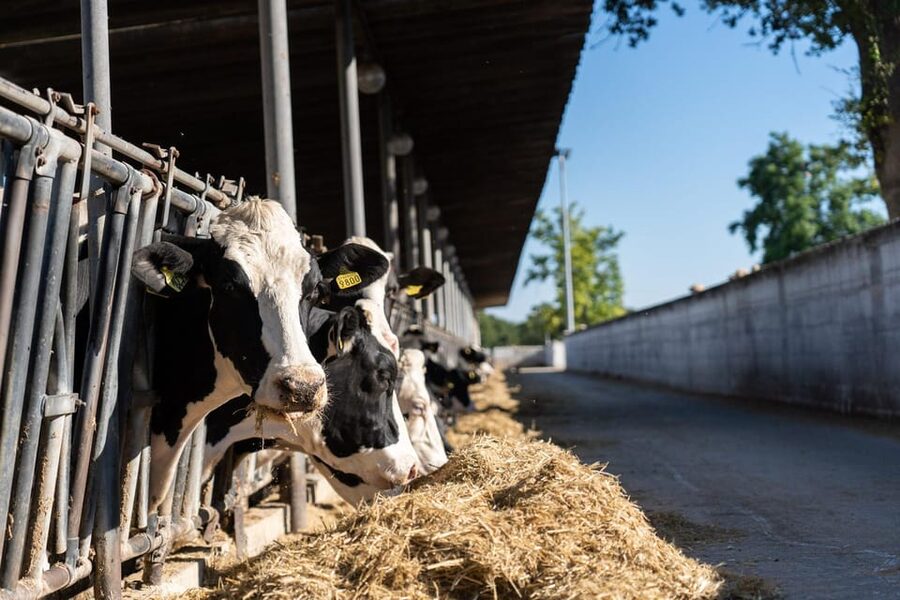
The cows are the stars of Masseria Seppunisi. After the initial farm story, you move into the cowshed area to meet the herd and learn about the daily milking routine. You can also get time petting young cows, which turns the tour from purely educational into genuinely warm.
In reviews, people describe the moment of meeting the calves as a highlight—especially for families. There’s something about a working farm that makes the animals feel less like a photo stop and more like living part of the day’s rhythm.
One small caution: because it’s a working farm, everything has a practical pace. Stay with the group, follow the guide, and don’t treat the cows as a petting zoo. This is close contact, but it’s still farm operations.
The Dairy and Aging Rooms: Where Cheese Becomes Real Work
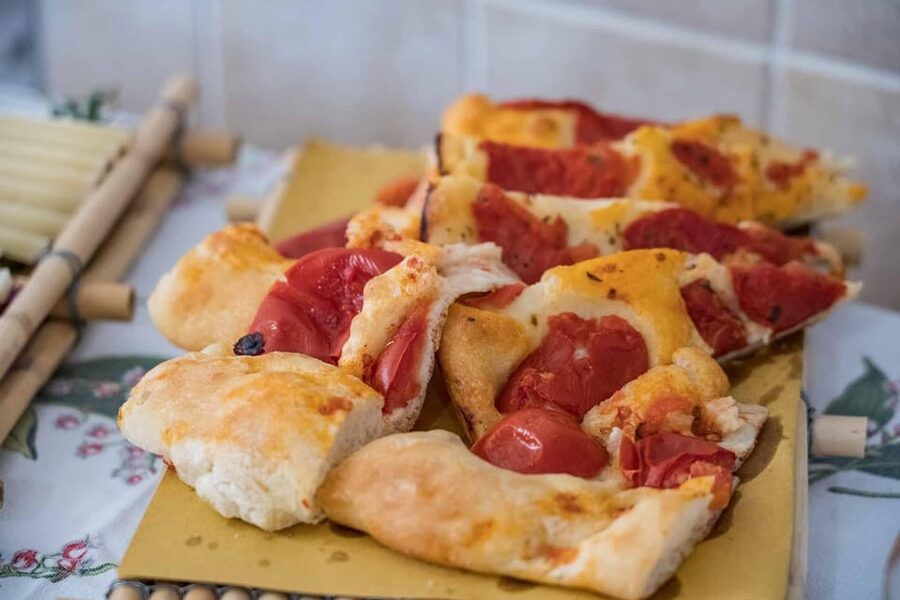
Next comes the route through the dairy and into the cheese aging rooms. This is where the tour stops being “cute farm visit” and becomes “how does this actually happen.”
You cross from the cowshed into the dairy spaces where milk is processed into cheese. The tour includes the walk through the production workflow with an expert guiding you through what’s happening at each step. You’ll see the cheese-making process close up, and you’ll get the sense that this is skilled work, not a simple recipe.
You may also catch glimpses of related dairy products along the way, since the production area can include items like stracciatella in the same workflow. The key point for you: you’re not just hearing about cheese. You’re watching the production flow that creates different textures and flavors.
Then you enter the aging rooms, which add a second layer of understanding. Fresh cheese is one thing. Aging is what builds depth, saltiness, and that firmer bite you get from hard cheeses later in the tasting.
Making Your Own Burrata or Mozzarella: The Hands-On Payoff
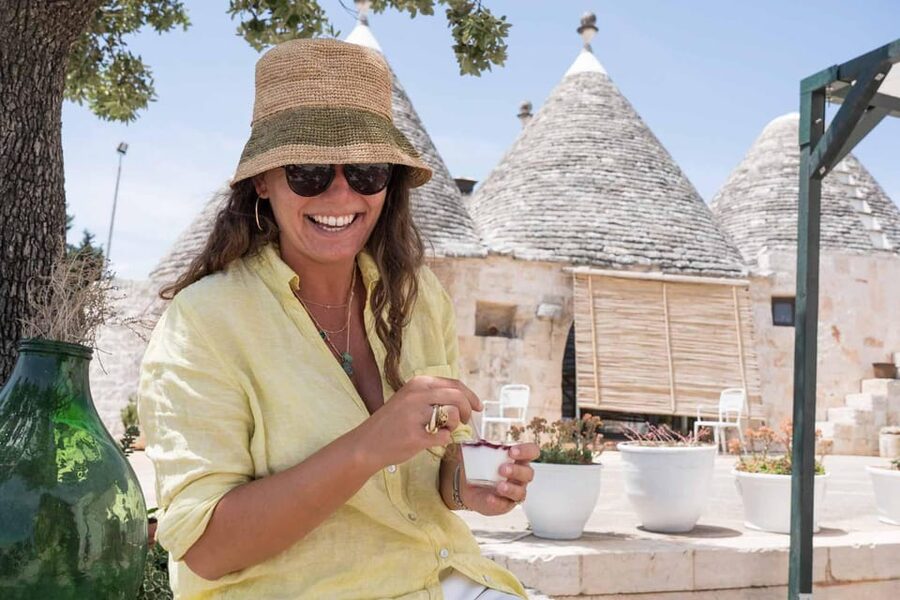
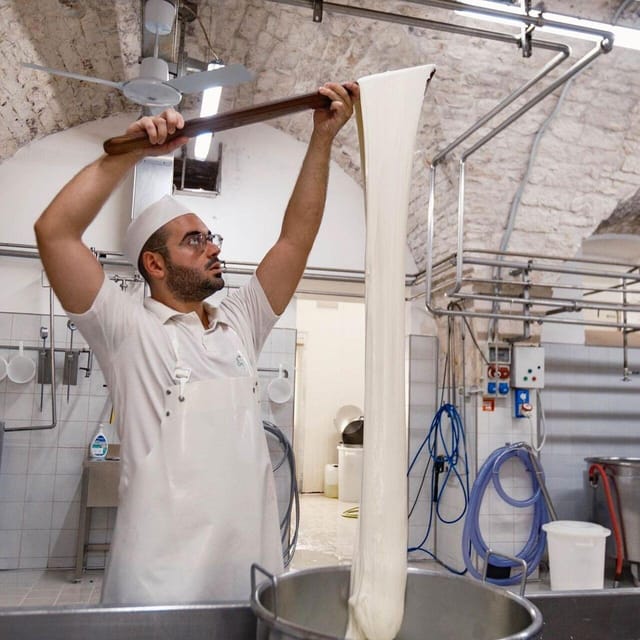
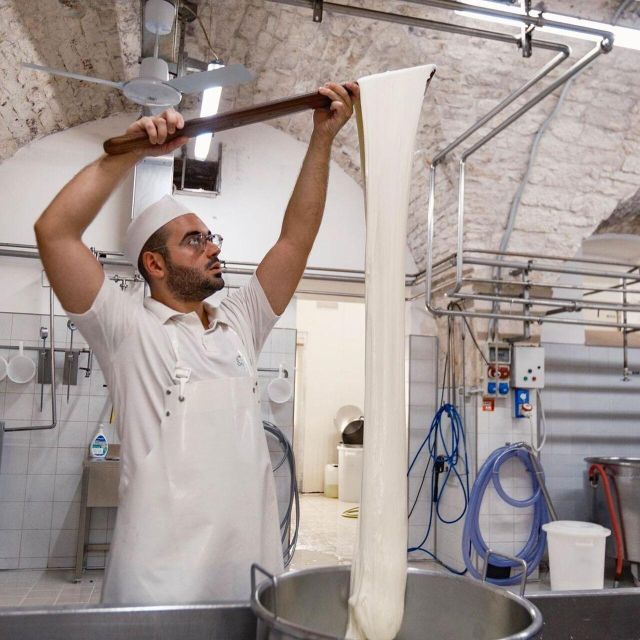
This is the heart of the tour. With the help of an expert, you’ll make mozzarella and burrata with your own hands. The “with your own hands” part matters, because it turns cheese from something you buy into something you shape and understand.
Expect a guided, step-by-step experience. You’ll learn how the mixture becomes the familiar curd, then how it’s handled and shaped. Multiple reviews mention watching the cheese maker work and then getting a chance to do it yourself, including shaping burrata.
It’s not hard in the sense of needing special skills. But it does require attention. You’ll be working in a real dairy environment, so listen closely, move when the guide tells you, and follow the timing.
If you want the most “I did that” feeling, aim to participate fully during the hands-on part. This tour is structured so you actually get time to make cheese, not just stand near the action.
The Aperitif Tasting: Five Cheeses, Taralli, Focaccia, and Wine
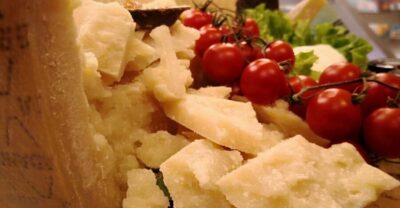
After the work (and yes, it’s work), you get the reward: a tasting plate and aperitif. You’ll be served a plate that includes five types of cheeses, cold cuts, Apulian taralli, Apulian focaccia, and a final dessert. Local wine accompanies everything.
This part is valuable because it connects the whole loop. You’ve just walked through milk, production, and aging. Then you taste the results in a way that makes differences obvious—soft versus firmer textures, mild versus more pronounced flavors, and the way wine changes how the cheese tastes.
In reviews, people mention a chilled rosé pairing that fits nicely with the dairy and cured elements on the plate. Others call out that the tasting includes both softer and harder cheeses, which is a smart mix if you want variety without extra stops.
One fun, practical note from real farm reality: farm cats may show up after tasting, and they can be fast about stealing small pieces of mozzarella. If you set food down, keep an eye on it.
What I Think About the Tour Length and Group Size
This tour runs 2 hours, and that’s a sweet spot. You get enough time to see cows, walk the dairy areas, and participate in making cheese. You don’t get stuck in a long, slow experience that drags on.
It’s also capped at 10 participants. For hands-on food experiences, smaller groups matter. You’re more likely to hear instructions clearly and get personal guidance when you’re forming the cheese.
If you’re visiting in peak season, this small group size can help your day feel less crowded and more human.
Sound Levels and Comfort: A Real Working-Farm Consideration
Here’s the main drawback to keep in mind, based on what people report: this is a working farm. There can be loud machinery and active work happening, which can make the guide tougher to hear if you’re not positioned well.
My advice is simple. Stay close to the guide when they’re explaining the next step. If you drift away for photos, you may miss key instructions—especially during the hands-on session.
Also, dress for movement. You’ll likely be walking on farm surfaces and standing around work areas. Comfortable shoes are a must, and keeping your footing steady makes the whole experience more relaxed.
Who This Tour Suits Best in Puglia
This is ideal for cheese lovers who want more than a tasting flight. If you like to understand what you’re eating, the production walkthrough plus hands-on making will keep you engaged.
It also fits couples and families. In reviews, children love the animal time and the activity of making burrata or mozzarella. Even if kids are less interested in aging rooms, the overall flow keeps them busy: cows, making, then a tasty payoff.
If you’re traveling with food allergies or dietary restrictions, the only safe path is to ask ahead what’s in the tasting plate. The tour data lists items included (cheeses, cold cuts, taralli, focaccia, dessert, wine), but it doesn’t spell out alternatives for special diets.
Should You Book the Masseria Seppunisi Cheese Tour?
Yes—if you want an Apulia food experience that’s genuinely tied to a living farm. I like that you don’t just taste; you meet the cattle, watch the dairy workflow, and make burrata or mozzarella with your own hands. The $53 price feels reasonable because the tour bundles real instruction, wine, and a multi-item tasting plate into one tight 2-hour visit.
Book it especially if you’re the type who gets a kick out of process. You’ll leave with a stronger sense of why different cheeses taste different, not just the flavors themselves.
Skip or rethink it only if you hate anything messy or hands-on. This tour is practical and farm-real. If you want a quiet, museum-style experience, you might find the working environment a bit too active.