REVIEW · SAO JORGE ISLAND
Sao Jorge Cheese Tour – Half day
Book on GetYourGuide →Operated by Jaime Fernando Bettencourt Pereira · Bookable on GetYourGuide
That slow, quiet work starts with the cows. This half-day São Jorge cheese tour pairs hand-milking on a family farm with a guided stop at Uniqueijo (the island’s dairy cooperative), where you’ll learn how São Jorge DOP cheese goes from raw milk to aged rounds you can actually taste.
I especially like how you get both ends of the story: fresh milk in its simplest form, then cheese sampled at different maturation stages (3, 6, and 24 months). I also like the way your guide connects cheese to daily island life, pastures, and tradition, with examples like Jaime Fernando Bettencourt Pereira sharing island context and Nuno explaining the production with real care. One consideration: the pacing can feel a bit uneven at times, with some guests noting longer waits and a tasting that didn’t feel equally memorable for everyone.
In This Review
- Key Points You Should Know Before You Go
- Why This Half-Day Cheese Tour Works So Well on São Jorge
- The Value of Paying $111 for a Farm + Uniqueijo Day
- Stop 1: Pickup Options and How the Timing Shapes the Experience
- Stop 2: Calheta, São Jorge and the Guided Farm Story
- Hand-milking and milk you can taste
- Seeing cows in a near-natural setting
- What you’re learning here
- Stop 3: Uniqueijo Cheese Cooperative and Modern Production
- You’ll see modern methods, then test the result
- Tasting São Jorge DOP at 3, 6, and 24 months
- Why this tasting method is worth it
- The Fajãs Views and the Island Context You Get Along the Way
- Guides Matter: Jaime and Nuno’s Style of Teaching
- What’s Included (and What Isn’t)
- Practical Tips: What to Bring and How to Dress
- When the Cheese Factory Stops: Weekends and Holidays
- Who This Tour Is Best For
- Price vs. What You Get: A Simple Way to Decide
- Should You Book the São Jorge Cheese Tour?
- FAQ
- What is the duration of the São Jorge Cheese Tour?
- Is this tour a half-day experience?
- Where does the tour start and where does it end?
- What’s included in the price?
- Are meals included?
- What languages is the live guide available in?
- Do I get to taste milk and cheese?
- At what ages is the cheese tasted?
- Are cheese factories open on weekends and holidays?
- What should I bring for the tour?
- Is the tour private?
Key Points You Should Know Before You Go
- Hand-milking first: you’ll see cows milked the traditional way on a family farm, not just in a classroom.
- From milking to packaging: Uniqueijo shows production, storage, packaging, and sales using modern methods.
- Taste-by-age experience: samples at 3, 6, and 24 months make the changes in texture and flavor obvious.
- Scenic island context: along the way, you’ll get views and explanations tied to São Jorge’s geography.
- Small, guided, private setup: live guide in English or Portuguese with a private group format.
Why This Half-Day Cheese Tour Works So Well on São Jorge

If you only have a limited window on São Jorge, this tour is a smart use of time. It’s not a long bus-and-brochure day. It’s focused: farm life, then factory craft, then tasting that actually teaches you something.
I like that it’s built around a real product with a clear identity: São Jorge DOP cheese. That matters because you’re not just sampling random cheeses; you’re tasting one island style and watching how age changes the result. And because it includes transfers and a guide, you don’t need to figure out how to connect the farm and cooperative on your own.
The total time lands around 3–4 hours, so you can still keep the rest of your day for walks, viewpoints, or beach time in the Fajãs area.
The Value of Paying $111 for a Farm + Uniqueijo Day
At $111 per person, this isn’t a bargain-snack tour. But it also isn’t just a tasting with a label on top. You’re paying for three things that are harder to DIY:
- Transport (pickup and drop-off between Velas and Calheta options)
- Live instruction on how cheese is made, not a self-guided museum loop
- Structured tasting that compares milk and cheese across maturation stages
You also get insurance included, which doesn’t sound exciting, but it helps when you’re on an island where weather and road conditions can shift.
Meals aren’t included, so plan a simple lunch or snack on your own before or after. If you go in hungry, you’ll likely enjoy the tasting less than you could, because you won’t be comparing flavors as clearly.
Stop 1: Pickup Options and How the Timing Shapes the Experience
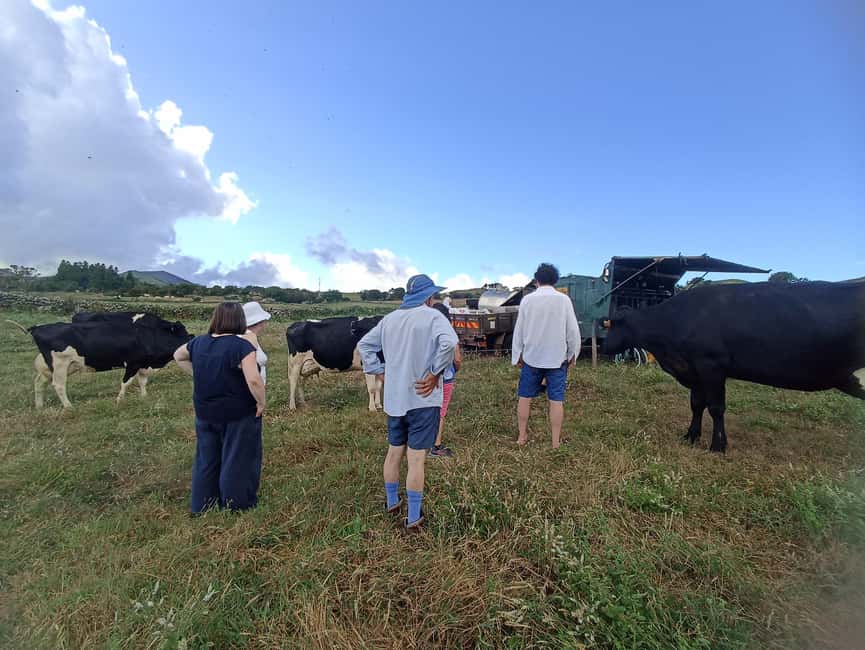
You’ll start with pickup at one of two options: Velas or Calheta. From there, the day splits into two guided sections, with a farm visit and a cheese factory visit as the core.
Why this matters: São Jorge cheese-making isn’t quick. Even though the tour is only half a day, the structure gives enough time to see and taste meaningfully rather than rushing everything like a checklist. If you’re the type who likes to ask questions, this timing makes it easier to get answers without feeling cut off.
Also, because the tour is around 3–4 hours, dress for comfort and for standing around—especially if you want to linger with your guide during the tastings.
Stop 2: Calheta, São Jorge and the Guided Farm Story
The first major guided block runs about 2 hours around Calheta, São Jorge. This is where the tour earns its name. You’re not just hearing about cheese. You’re watching the steps start at the source.
Hand-milking and milk you can taste
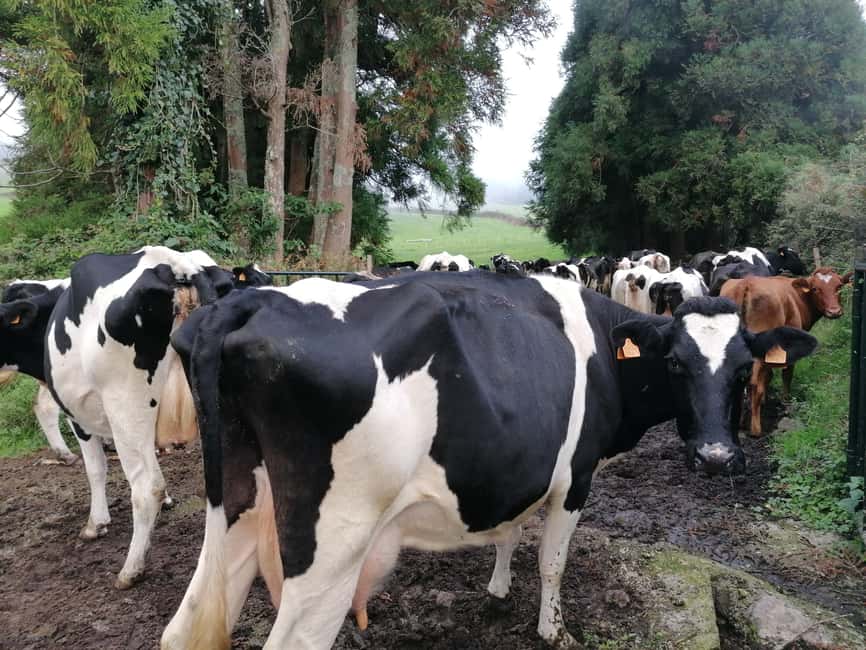
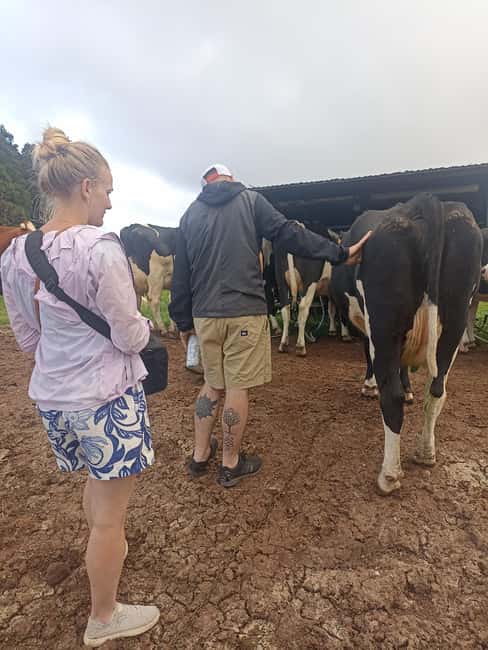
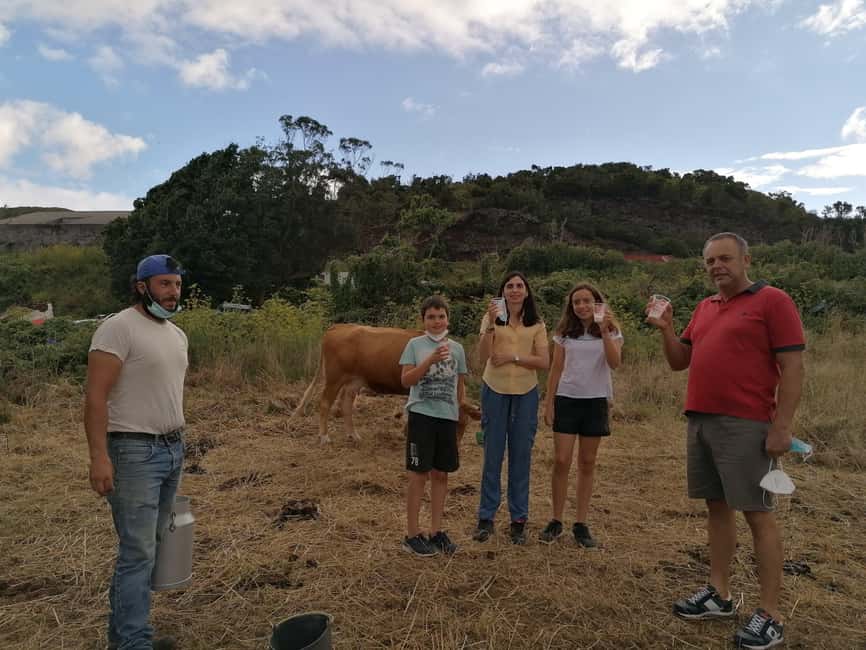
You’ll visit a family farm where the cow is still milked by hand. That difference is more than romantic. Hand-milking changes the rhythm of the work. It also helps you understand that cheese here isn’t just a production line; it’s tied to routine, animal behavior, and daily island schedules.
You’ll also get to taste milk in its most natural state. That’s a key moment for anyone who thinks cheese is only about what comes after curd and aging. Milk tastes different than cheese because it’s not “hidden” under salt, texture, and time. It’s a quick lesson in ingredients.
Seeing cows in a near-natural setting
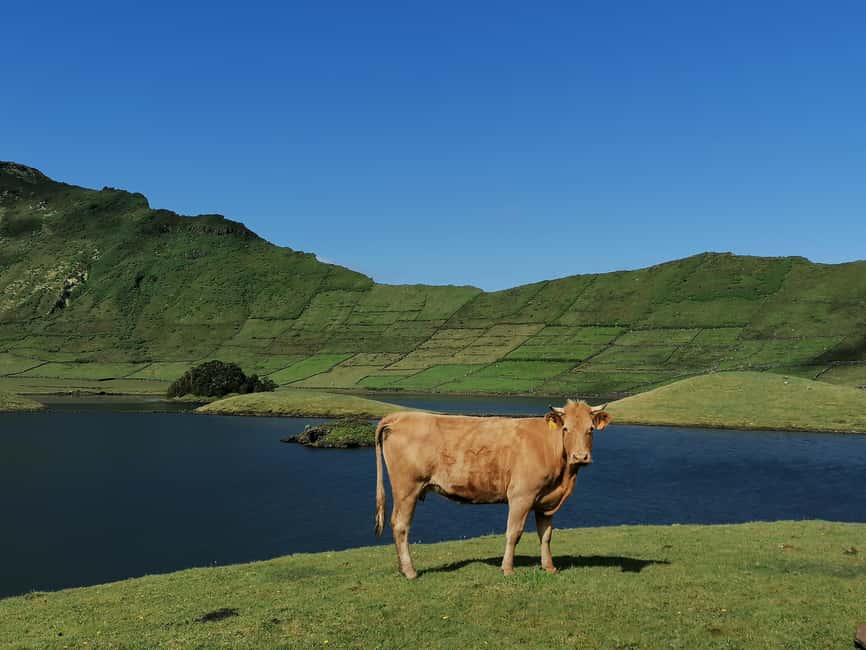
You’ll see cows in their near-natural habitat: the high-altitude green pastures on São Jorge. The tour frames these pastures as part of why the cheese has such excellent quality and a unique flavor. Even if you don’t leave with a chemistry explanation, you’ll understand the practical idea: food quality and environment matter.
One small detail that stuck with me from what people report about farm explanations: the milking routine can involve a kind of hierarchy, and on one farm you may even hear how cows manage that process together. It’s not something you learn from a brochure, and it adds personality to what you’re seeing.
What you’re learning here
By the time the farm visit ends, you’ll understand the logic of the whole tour:
- milk quality comes first
- tradition isn’t separate from production
- the next steps (curdling, handling, aging) exist to preserve what the milk already carries
Stop 3: Uniqueijo Cheese Cooperative and Modern Production
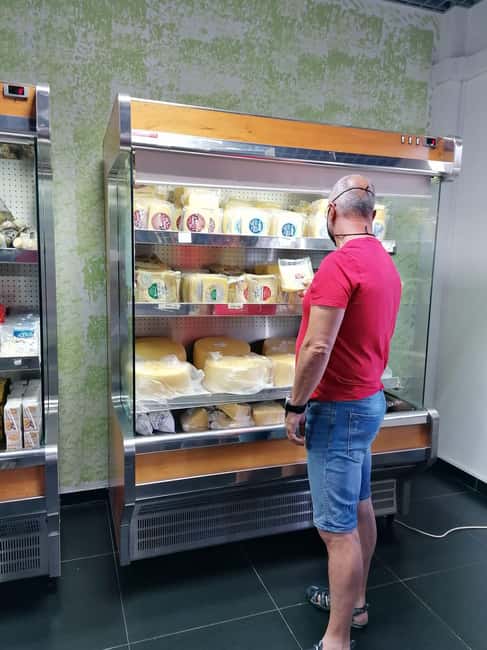
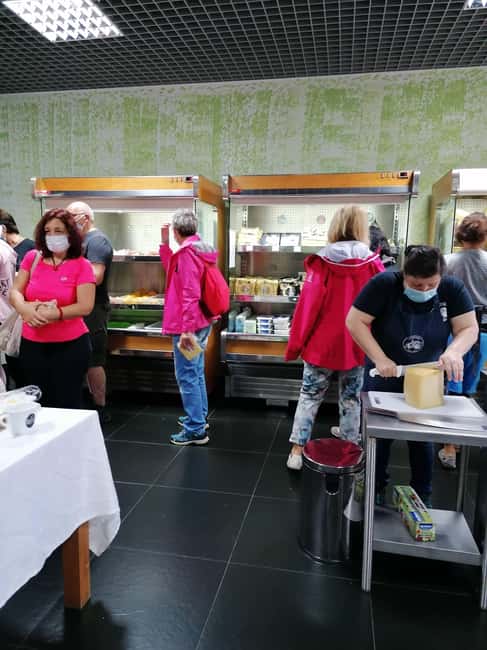
Next comes a visit to the Union of Agricultural and Dairy Cooperatives of São Jorge – Uniqueijo. People tend to remember this stop because it connects tradition to scale.
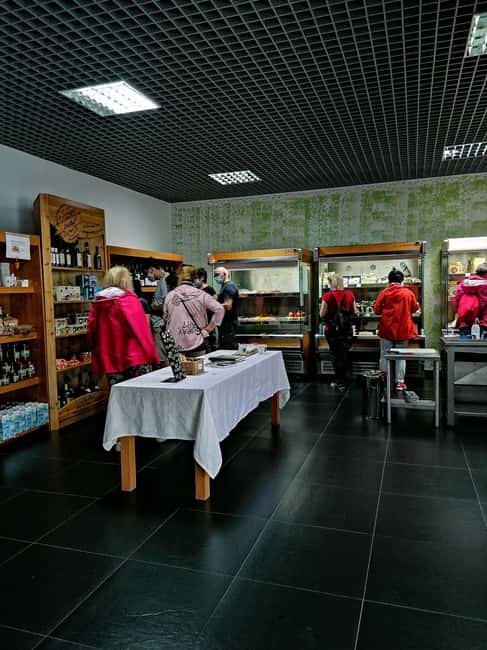
The cooperative is where São Jorge DOP cheese is produced, stored, packaged, and sold. What I like about this part is that you don’t get only one side of the story. The farm is local routine. Uniqueijo is organized process.
You’ll see modern methods, then test the result
Uniqueijo uses modern technologies and manufacturing methods. That can feel like a contrast at first: your mind is still on hand-milking, and now you’re looking at systems designed for consistency.
The payoff is that the tasting makes those systems meaningful. Instead of just watching, you compare cheese at different stages of maturation.
Tasting São Jorge DOP at 3, 6, and 24 months
This is the tour highlight if you like food that changes over time. You’ll sample São Jorge cheese at:
- 3 months
- 6 months
- 24 months
Those ages usually mean the biggest shifts in flavor intensity and texture. Even if you’re not a connoisseur, you’ll taste the differences and learn what aging is doing. It’s one thing to hear that a cheese ages. It’s another thing to put them side by side and notice how one becomes sharper and more developed.
Why this tasting method is worth it
Many tours serve samples that feel random. Here, the structure turns tasting into learning. You can connect age to what you’re experiencing in the cup or on the palate. Then you can make better choices later when you’re shopping for cheese to bring home.
The Fajãs Views and the Island Context You Get Along the Way
On the road, you don’t just sit. The tour builds in explanation tied to São Jorge’s geography and customs. Some guests mention a scenic drive connected to the Fajãs, along with a guide who talks through what you’re seeing.
This context matters more than it sounds. São Jorge cheese isn’t only a food item. It’s tied to a landscape where farming and dairying have to work with altitude and exposure.
If you enjoy travel that connects what you eat to where you are, you’ll likely appreciate this.
Guides Matter: Jaime and Nuno’s Style of Teaching
This tour lives or dies on the guide, and in the experiences people share, the human side shows up clearly.
Jaime Fernando Bettencourt Pereira is listed as the provider, and guests call out how he explains the history and customs of São Jorge and the Azores in general with a strong knowledge base. Another guide name that comes up often is Nuno, praised for availability, knowledge, and friendliness.
You should go in hoping to ask questions. If you’re curious about how milk becomes cheese, or why aging changes everything, your guide’s job is to make the chain of steps make sense.
What’s Included (and What Isn’t)
Included:
- Transfers between pickup and drop-off points
- Guided tour of a family farm
- Visit to a cheese factory/cooperative
- Cheese tasting (including different maturation stages)
- Insurance
Not included:
- Meals
Practical tip: bring water and plan for timing. If you tend to get hungry quickly, you’ll want a snack before you go. The tasting is great, but it doesn’t replace a full meal for everyone.
Practical Tips: What to Bring and How to Dress
This is an outdoor-to-indoor style day. You’ll be on your feet more than you might expect.
Bring:
- Comfortable shoes
- Warm clothing (especially if you’re sensitive to cool air)
- A camera
- Water
If you’re visiting in shoulder seasons, conditions can shift. Even when the sun is bright, you’ll likely appreciate a layer.
When the Cheese Factory Stops: Weekends and Holidays
A key practical note: cheese factories are closed on weekends and holidays. That can affect whether Uniqueijo’s portion runs as described.
If your dates land on a weekend, double-check your schedule before you lock in the rest of your day. This is one of those travel details that can save you from disappointment.
Who This Tour Is Best For
I think this works best for you if:
- you want hands-on food learning rather than a quick drive-by
- you enjoy comparing flavors across time (3, 6, 24 months)
- you like animal-related experiences that focus on daily farm life
- you have limited time and want a structured half-day
It may be less ideal if:
- you expect a fully polished, perfectly timed operation with zero waiting
- you’re only interested in eating without wanting to understand the process
- you dislike cold farm settings (since warm clothing helps)
Price vs. What You Get: A Simple Way to Decide
Here’s a straightforward way to judge the $111 price tag. Ask yourself:
- Would I pay for a guided farm visit plus a cooperative tour plus tasting?
- Do I care about the process from milking to packaging, or just the final cheese?
- Will I use the info later when buying cheese on the island?
If you answer yes to those, the tour usually feels like good value because you get both story and tasting. If you’re mainly looking for a casual snack stop, it may feel expensive compared with what you’d do on your own.
Should You Book the São Jorge Cheese Tour?
Yes, if you want a compact, meaningful São Jorge experience that connects landscape, farming, and food. I like that it starts at hand-milking, then moves to Uniqueijo, then teaches aging through tastings at 3, 6, and 24 months. That combination gives you a clear takeaway you can use when you eat and buy cheese later.
If your schedule includes a weekend or holiday, treat it as a must-check detail due to factory closures. And if you’re very time-sensitive, keep expectations flexible since some people report waiting and uneven tasting experiences.
For the right traveler—curious, food-minded, and short on time—this tour is a strong bet.
FAQ
What is the duration of the São Jorge Cheese Tour?
The tour is approximately 3–4 hours.
Is this tour a half-day experience?
Yes. It’s marketed as a half-day format with a total duration of about 3–4 hours.
Where does the tour start and where does it end?
Pickup options include Velas and Calheta. Drop-off options are also Calheta and Velas.
What’s included in the price?
Included are transfers, a guided farm tour, a cheese factory/cooperative visit, cheese tasting, and insurance.
Are meals included?
No. Meals are not included.
What languages is the live guide available in?
The live guide is available in English and Portuguese.
Do I get to taste milk and cheese?
Yes. You’ll taste milk in its most natural state and sample cheese at different stages of maturation.
At what ages is the cheese tasted?
The tasting includes cheese at 3, 6, and 24 months.
Are cheese factories open on weekends and holidays?
No. Cheese factories are closed on weekends and holidays.
What should I bring for the tour?
Bring comfortable shoes, warm clothing, a camera, and water.
Is the tour private?
Yes. It’s listed as a private group tour.