REVIEW · SAN MIGUEL DE ALLENDE
Taste of Europe in Mexico: History and Flavors of Artisan Cheese
Book on Viator →Bookable on Viator
Cheese lessons in Mexico can taste like a story. This one pairs Mexican artisan cheeses with French-style technique, taught in a small group setting in San Miguel de Allende. You get the background too: how cheese became part of Mexico’s food culture, and how generations of French cheese makers helped shape what you’ll find today.
I also loved how hands-on it feels: you don’t just hear about flavors, you start eating right away with appetizers, then move into a big tasting board. The second thing I liked is the focus on pairing rules, including how to match cheeses with local condiments like membrillo and orange blossom honey. One thing to consider: it’s a tasting-first class, so if you prefer only mild bites or you’re trying to avoid strong flavors, you’ll want to plan accordingly.
In This Review
- Key Things You’ll Notice (Fast)
- San Miguel at 3:00 pm: a cheese class that starts with a city moment
- French roots in Mexican cheese: history you can taste
- Appetizers first: getting your palate ready before the real tasting
- The cheeseboard build: learning how to buy, serve, cut, and store cheese
- Pairing drinks with cheese: the rules that make it click
- The dozen artisan cheeses: what you’ll taste and what to look for
- Cheese-based dessert: when the sweet finale actually makes sense
- Price and value: $110 for a 2-hour cheese education plus lots of food
- Who should book this workshop in San Miguel?
- Should you book this cheese-and-flavors workshop in San Miguel de Allende?
- FAQ
- Where does the experience start?
- What time does it begin?
- How long is the class?
- Is transportation included?
- What’s included in the ticket price?
- How many people are in the group?
- What language is the class taught in?
- Can I cancel for a refund?
Key Things You’ll Notice (Fast)
- Small group size (max 12) means you can ask questions and get guidance as you taste
- A large, French-inspired cheeseboard with a dozen local artisan cheeses
- Local pairings like membrillo, cajeta de Celaya, and miel de azahar (orange blossom honey)
- Pairing rules for different cheese styles, plus drinks alongside the tastings
- A cheese-based dessert finish that keeps the theme going to the end
- Hosted in Tonya’s home, with a view over the city mentioned by past guests
San Miguel at 3:00 pm: a cheese class that starts with a city moment
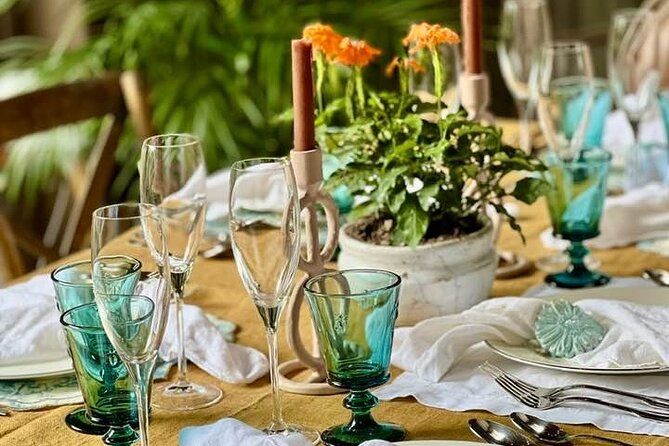
This experience starts at 3:00 pm near the meeting point on Independencia 2260 (Mexiquito). The schedule also includes Parroquia de San Miguel Arcangel as Stop 1, which is a good cue that you’re in the right Central San Miguel zone—easy to connect with your day’s walking plans or a quick ride in.
What I like about this start time is that it doesn’t compete with a full day of sightseeing. You’re not rushing to catch a morning ticket, and you can use the afternoon to build up appetite. In a small group (up to 12 people), the pacing stays friendly, and introductions happen before the tastings really kick in.
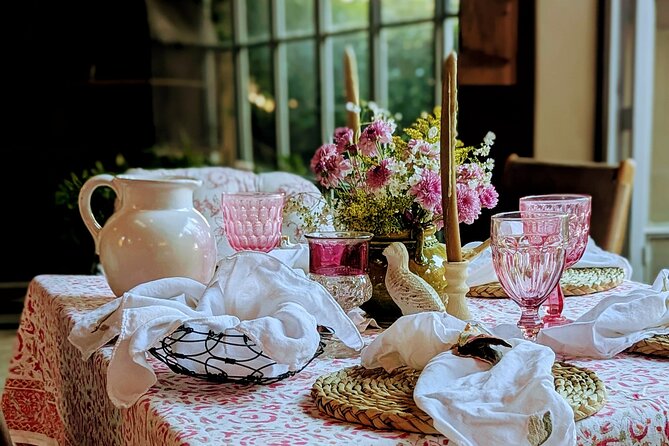
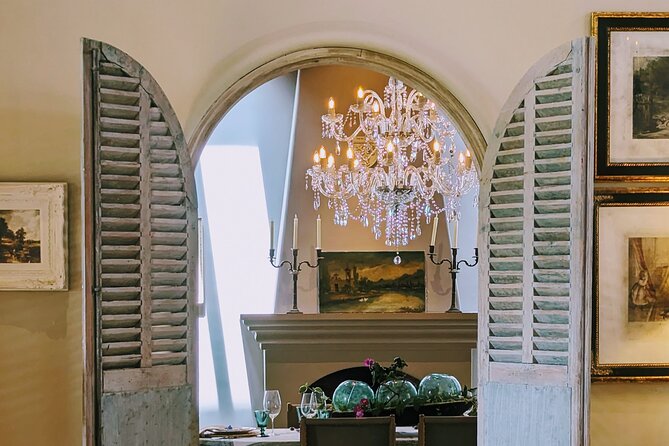
The class itself is held in the host’s home, and one standout detail from past guests is the lovely setting and the view over the city. That matters more than it sounds. Good cheese tasting benefits from comfort—slower attention, fewer distractions, and space to look at what you’re eating as you learn what makes each cheese distinct.
You should also know one practical thing: private transportation isn’t included, so plan your own way to the meeting point. Good news: it’s near public transportation.
You can also read our reviews of more tours and experiences in San Miguel de Allende.


French roots in Mexican cheese: history you can taste
After the first snacks and drinks, you’ll settle in and get a focused overview of cheese in Mexico—especially the French influence. The class highlights how cheese makers from France made Mexico home over hundreds of years, and how that heritage shows up in the cheeses people enjoy today.
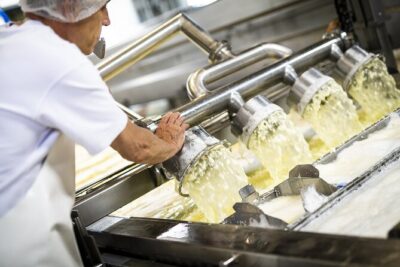
This isn’t the kind of history lesson that turns into a lecture. The goal is simple: understand why styles exist and what to look for when you’re buying. You’ll learn the basics of how cheese is made, then connect that to what you’ll taste on the board.
You also cover the practical difference between commercial cheese and artisan cheese. That comparison helps you read labels later. Artisan cheeses tend to reflect more hands-on processes and more specific flavor outcomes. Commercial ones can taste consistent, but the “why” behind the flavor often gets lost. In this class, the lesson links production choices to your tongue—salty vs creamy, firm vs soft, and why some cheeses seem to grow in flavor as you take time with them.
Appetizers first: getting your palate ready before the real tasting
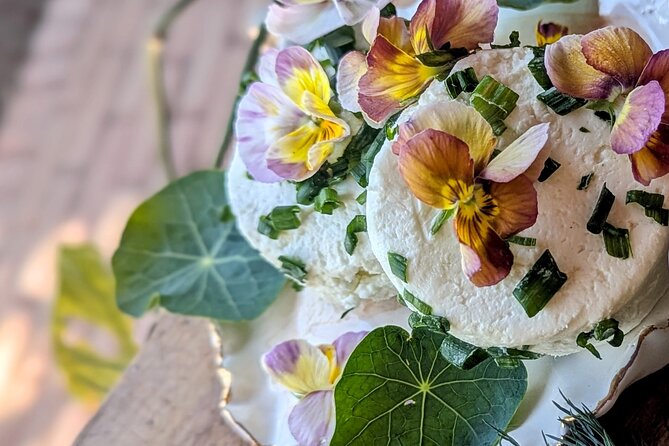
Before the big cheeseboard, you start with multiple starters. The menu is designed to wake up your palate without stealing the show from cheese. You might see baked feta with grapes or tomatoes and herbs, served with crostini. There’s also baked camembert en croute (candied pecans and jams/honey can show up here too), plus crostini again to help you anchor the flavors.
You may also get a range of salty-and-sweet supportive bites, like:
- Charcuterie-style plates with meats, nuts, fruits, olives, jams, membrillo, and bread/crackers
- Antipasto-style items, including grilled bread with tomato, buffalo mozzarella, grilled eggplant, and zucchini
- A cheesy Italian artichoke pie (artichokes and provolone in a crust)
- Focaccia with rosemary and tomatoes, or olives
Why this matters: cheese tasting is easier when your taste buds aren’t “starting cold.” Bread and crostini add texture and make it easier to compare cheeses without one bite overwhelming the next. Even better, the starters help you learn the vocabulary of pairing—sweet, savory, acidic, and nutty—so the cheeseboard lesson lands faster.
Also, you’ll have a beverage with the early course. Past guests singled out wine pairings, and that fits the class theme: use drinks to show how flavor changes with temperature, acidity, and alcohol.
The cheeseboard build: learning how to buy, serve, cut, and store cheese
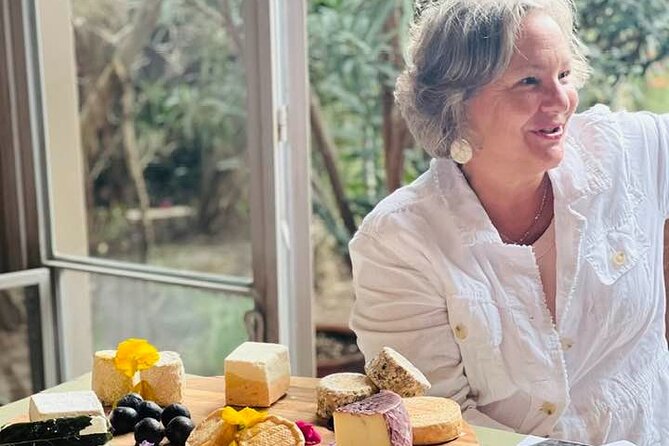
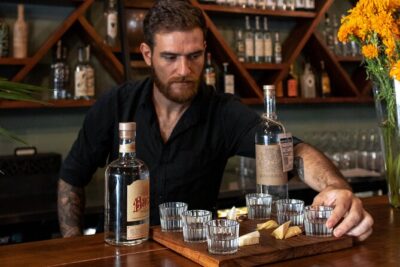
Then comes the centerpiece: a large French-inspired cheeseboard with a dozen local artisan cheeses. You’ll build it as part of the teaching, not just watch someone lay out platters. That’s a major value point. Once you learn how to arrange and portion cheese, you can recreate the experience back home.
Alongside the cheeses, you’ll have the kinds of accompaniments that actually make pairing easier:
- Bread and crackers
- Membrillo (often paired for jam-like sweetness)
- Cajeta de Celaya (a caramel-style goat-milk sweetness)
- Miel de azahar (orange blossom honey)
- Flowers and other pairing-friendly items
You’ll learn what to buy in Mexico and where to buy it, then how to serve and cut it. That sounds basic, but it’s the difference between a board that looks pretty and one that tastes good. If you cut too early, cheese can lose texture. If you serve everything the same way, you miss how each style wants to be tasted.
You’ll also learn how to store cheese so it doesn’t turn rubbery or overly strong. That’s one of those practical skills that saves money and reduces food waste, especially when you buy artisan cheeses and don’t want to “mess them up” in your kitchen.
Pairing drinks with cheese: the rules that make it click
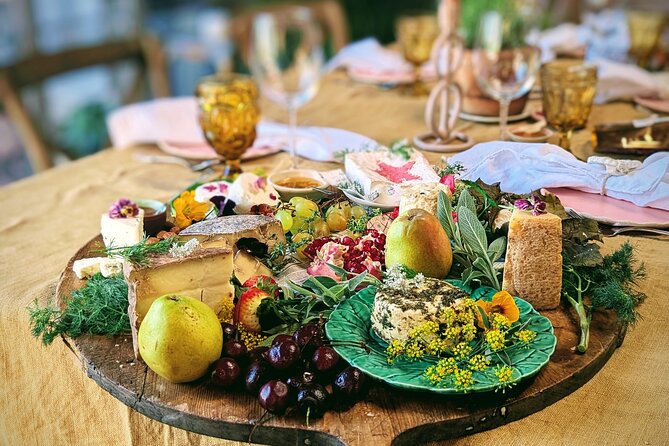
As you move around the board, you’ll taste each cheese and learn the pairing logic as you go. The class includes several drinks and teaches the rules for matching them with different types of cheeses.
Here’s what I find helpful about pairing lessons like this: they teach you the pattern, not just a list of what goes with what. For example, you can learn how sweetness from things like membrillo or honey can balance salt and fat. You can also learn how drink acidity and alcohol structure can sharpen flavors or soften sharper cheeses.
Past guests praised the way pairing worked at this class, especially with cheese and wine pairings guided by the host’s husband, who is described as having a strong wine focus. That adds personality and practical context. You’re not just tasting; you’re getting real-time feedback on what to notice next.
If you want to recreate the pairings later, the most useful takeaway is likely this: learn your cheese style first, then build the pairing around texture and fat level. You’ll get guidance for that on-site.
The dozen artisan cheeses: what you’ll taste and what to look for
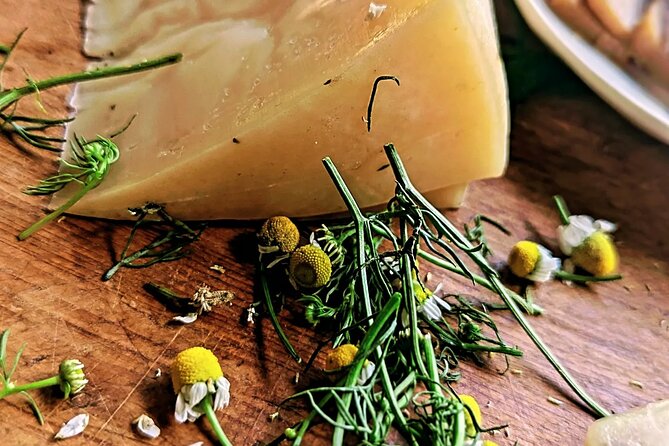
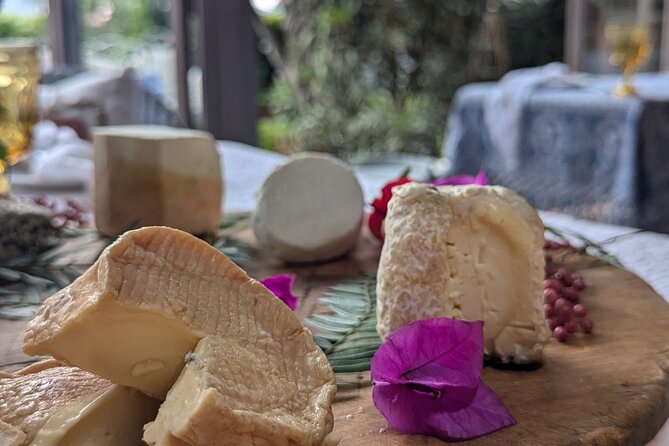
A key detail: you’ll have dozen local artisan cheeses on the board, sourced locally. That means you’re not sampling imported “trophy cheeses” only. You’re learning what’s available in the San Miguel area and how local makers express flavors in cheese form.
Since the cheeses themselves can vary in any class run, what you can count on is the tasting structure:
- You taste each cheese while pairing accompaniments are explained
- You hear about the cheese makers and cheese mongers, and where you can find similar options in Mexico
- You learn what makes commercial vs artisan cheese taste different
During the tasting, pay attention to how each cheese changes on the palate across bites:
- Does it start creamy and finish salty?
- Does sweetness from cajeta or honey feel like it turns up fruit notes?
- Do jams tame a strong aroma?
- Does bread or crostini change the way the cheese tastes?
One guest specifically highlighted tasting something like 8 different cheeses as memorable, which tells you the session is designed so you actually track flavors rather than just eat and move on. Even with a larger total count on the board, the lesson keeps each bite meaningful.
Cheese-based dessert: when the sweet finale actually makes sense
The class doesn’t stop at cheese. You finish with a cheese-based dessert, which helps reinforce what you learned about pairing.
Dessert options you might get include:
- Pistachio cheesecake, made with fresh pistachios and cheeses
- Goat cheese panna cotta, described as a homemade cooked pudding with fresh local goat cheese
- Fig frangipane tart, served with cheese ice cream
This ending is smart because it teaches you that cheese doesn’t only mean savory. Goat cheese desserts, for example, often feel tangy and creamy at the same time, which can work surprisingly well with fruit and nuts. Pistachio brings its own buttery, earthy flavor, pairing naturally with creamy cheese notes.
If you’re worried the class will become repetitive, dessert is the reset button. It gives you a last taste experience that ties back to the theme: cheese is a flavor tool, and it belongs in both savory and sweet moments.
Price and value: $110 for a 2-hour cheese education plus lots of food
At $110 per person for about 2 hours, this isn’t an impulse buy. It’s priced like a guided experience, not like a snack stop.
Here’s the value case:
- You get multiple appetizers and snacks, not one plate
- You get a major cheeseboard with a dozen local artisan cheeses
- Drinks are included, with pairing guidance (including wine pairings noted by past guests)
- You get a dessert that keeps the cheese theme consistent
- You learn practical skills: how to set up a board, how to cut and serve, and how to store cheese
If you love food education—especially pairing and tasting technique—this price makes sense. You’re paying for instruction plus plenty of tasting. If your goal is purely to eat a lot of cheese with no interest in learning anything, you might find it pricey compared to a casual meal. But for a hands-on tasting class with structured guidance, you’re getting your money’s worth in both food quantity and takeaway skills.
Who should book this workshop in San Miguel?
I think this experience fits best if you’re:
- A cheese lover who wants a real lesson, not just a platter
- Interested in how French traditions show up in Mexican food culture
- Curious about artisan foods you can recreate later at home
- Wanting a small-group class in a comfortable setting with room for questions
It may be less ideal if:
- You avoid strong flavors or want a strictly mild menu
- You don’t like guided pacing and would rather taste on your own schedule
- You’re not planning ahead for how to reach the meeting point, since private transport isn’t included
Should you book this cheese-and-flavors workshop in San Miguel de Allende?
Yes, I’d recommend booking if you want something that feels both social and educational. This class has a clear structure: appetizers first, then a history-and-making overview, then the big French-inspired cheeseboard with local San Miguel condiments, then pairing with drinks, and finally a cheese-based dessert.
The strongest reason to choose it is the combination of practical skills and real tasting. You leave knowing how to build a board, how to buy and serve cheese in Mexico, and how to think about pairing instead of guessing. If that’s your travel style, you’ll enjoy the full two hours.
If you’d like, tell me what cheeses you normally enjoy (soft, firm, blue, goat) and whether you drink wine. I can suggest what to focus on during the pairing portion so you get the most fun out of your tastings.
FAQ
Where does the experience start?
It starts at Independencia 2260, Mexiquito, 37717 San Miguel de Allende, Gto., Mexico.
What time does it begin?
The start time is 3:00 pm.
How long is the class?
It lasts about 2 hours.
Is transportation included?
No. Private transportation is not included.
What’s included in the ticket price?
You’ll get snacks and several appetizers, a dozen or more cheeses for tasting, and a variety of beverages. Dessert is also included.
How many people are in the group?
The group size is capped at a maximum of 12 travelers.
What language is the class taught in?
The experience is offered in English.
Can I cancel for a refund?
Yes. There’s free cancellation, and you can cancel up to 24 hours in advance for a full refund.