REVIEW · CASTILE AND LEON
Visit La Antigua Cheese Factory (Cheese Tourism)
Book on Viator →Operated by Quesería La Antigua de Fuentesaúco · Bookable on Viator
Cheese gets real when you see the work. At La Antigua in Fuentesaúco, I like that the visit follows the full path from raw milk to finished cheese, not just a quick slideshow.
Two things really win me over: the hands-on feel of a working sheep-dairy operation, and the guided tasting of two varieties that makes the whole process click.
You also get a “small group” vibe (up to 25), and the guides add personality—names you may meet include Estefanía and Elena, with Fernando also credited in the team.
One possible drawback: there’s no private transportation included, so you’ll want your own plan to reach Camino de Salamanca in Fuentesaúco for the 11:00 am start.
In This Review
- Key highlights I’d plan around
- Where La Antigua Cheese Tourism fits in your Spain trip
- Meeting point and how to show up prepared
- What you’ll actually do during the 1 hour 45 minutes
- The real magic: seeing raw sheep milk become cheese
- Maturation and conservation: why time is part of the recipe
- The tasting: two varieties, plus better habits
- Who this suits best (and who might not love it)
- Price and value: is €29.62 worth it?
- Tips to get more out of your visit
- Should you book La Antigua Cheese Tourism?
- FAQ
- How long is the La Antigua Cheese Factory visit?
- Where does the tour start, and when?
- How much does the tour cost?
- Is transportation included?
- What’s included in the ticket?
- What about tickets and confirmation?
- How big are the groups?
- Is there a guided tasting at the end?
- What is the cancellation policy?
Key highlights I’d plan around
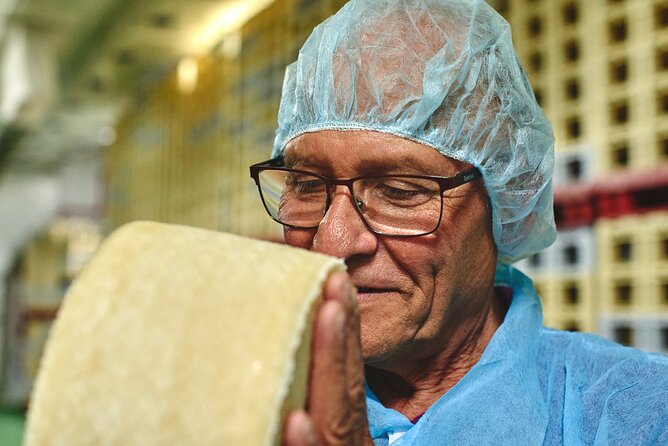
- Raw sheep-milk process in real facilities, from milk collection to production, maturation, and conservation
- A guided visit that’s interactive and personal, not a rush through rooms
- Two-variety cheese tasting to finish, plus snacks during the experience
- You dress for the job with a robe, hat, and leggings provided
- Small group size (maximum 25) so questions actually get answered
Where La Antigua Cheese Tourism fits in your Spain trip
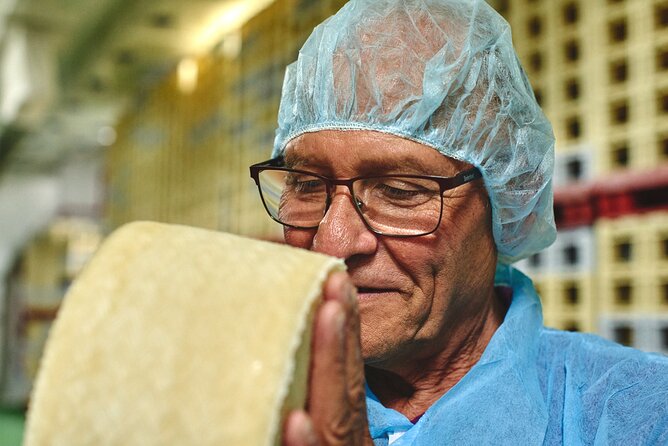
La Antigua Cheese Factory sits in Castile and León, in the small town of Fuentesaúco (Zamora). If you like travel that feels local—rural, practical, and tied to real work—this is a great match. It’s the kind of activity that also pairs well with broader exploring around the countryside, because you’re not stuck in a big city schedule.
The timing matters. The tour starts at 11:00 am, runs about 1 hour 45 minutes, and ends back at the same meeting point. Plan your day so you’re not rushing into another long drive right after. This is one of those experiences where you’ll want a little buffer so the tasting and questions don’t feel squeezed.
Meeting point and how to show up prepared
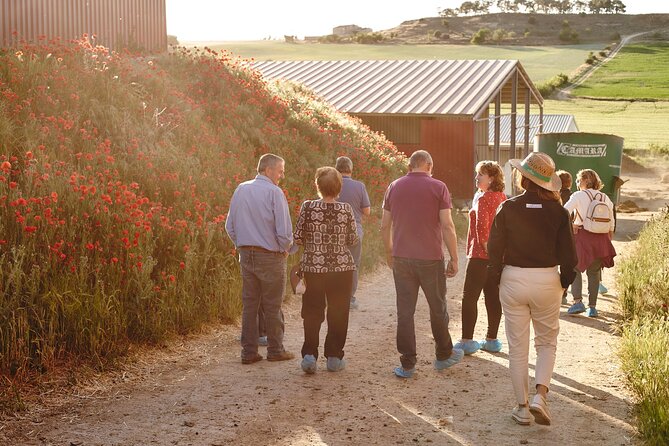
You meet at Camino de Salamanca, 49400 Fuentesaúco, Zamora, Spain, on the activity start. The tour provider notes that you’ll receive confirmation within 48 hours of booking (subject to availability), and you’ll use a mobile ticket.
Since private transportation isn’t included, I strongly suggest you handle getting there like you would a museum in a small town: research your route ahead of time and plan for the last stretch to Fuentesaúco. If you’re already staying nearby, great. If not, build in extra time so you arrive calm, not sprinting.
One fun detail that changes the feel of the visit: they provide a robe, hat, and leggings. That’s not just a costume. It signals that they want you comfortable in a working environment and ready to pay attention to what’s happening around you.
What you’ll actually do during the 1 hour 45 minutes
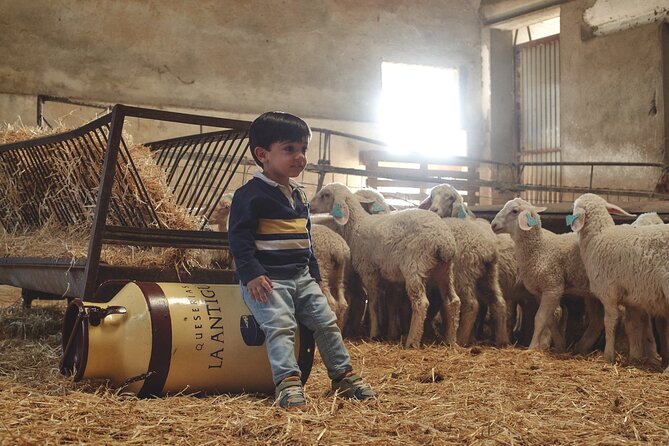
This isn’t a lecture with a tasting at the end. The flow is built like a guided walkthrough of a cheese-maker’s day, from milk to aging to sale.
You start with the idea of sheep-milk cheese as a profession—because this family has been tied to the dairy sector for more than 20 years, and they’ve helped shape cheese tourism as a concept. That background matters. It shows in the pacing: the tour wants you to understand why each step exists, not just memorize names of cheeses.
As the group moves, you’ll learn the steps involved in making sheep’s cheese, including:
- Collection and unloading of the milk trucks
- Production of the cheese
- Maturation and conservation (how it’s stored and cared for as it ages)
- How the process ends, through caring for the cheese until it’s ready for sale
- A final tasting of two varieties
Even if you’re not a cheese expert, this format helps. You leave with a simple mental map: milk arrives, curd happens, then time and storage do their job. It’s a clean story you can carry into any cheese menu back home.
The real magic: seeing raw sheep milk become cheese
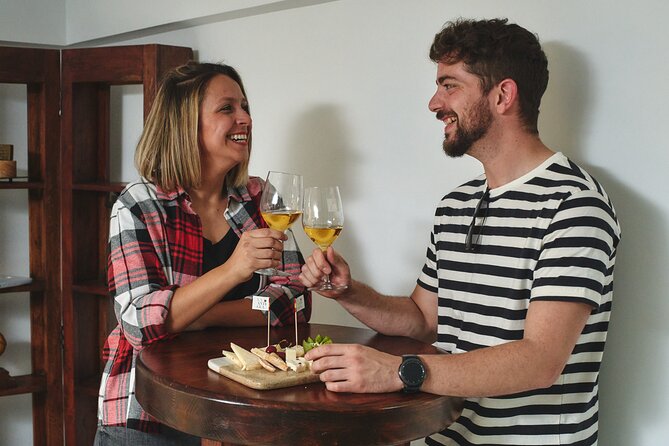
The heart of the visit is the artisan factory side of things—learning how they handle raw sheep milk and turn it into cheese in a system that takes patience. You’re not just looking at finished wheels. You’re seeing the “chain” of work that makes those wheels possible.
A working dairy has details people often miss. The tour focuses on:
- how milk is handled on arrival
- how the team moves into production
- how the cheese is then matured and conserved correctly
That last part is the one that surprises many first-timers. Aging isn’t a single moment. It’s continuous care. When you understand that, the tasting becomes more meaningful. You start tasting for process, not just flavor.
This is also where the guides make a difference. Guides mentioned in the reviews include Estefanía and Elena, and their approach shows up repeatedly: clear explanations, time for questions, and a finish that feels genuinely “gourmet,” not thrown together.
Maturation and conservation: why time is part of the recipe
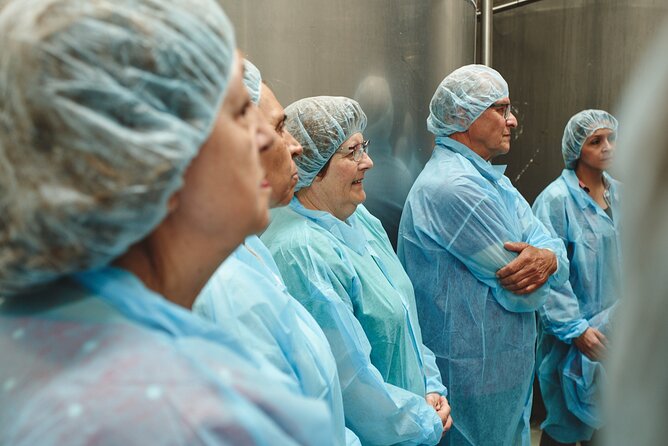
Most food tours stop at cooking. Here, the “cooking” is only part of the story. The tour takes you through maturation and conservation, which is where the personality of sheep cheese really develops.
In practical terms, this section helps you understand why two cheeses can share a milk source but taste totally different:
- maturation changes texture and flavor depth
- conservation keeps the cheese stable and properly cared for during aging
- time shapes what you’ll ultimately experience during tasting
If you’re the kind of traveler who reads labels and then feels confused at the counter, this is the antidote. After the factory walk, terms like aging style and storage choices make more sense. You’re tasting a result of decisions, not random luck.
The tasting: two varieties, plus better habits
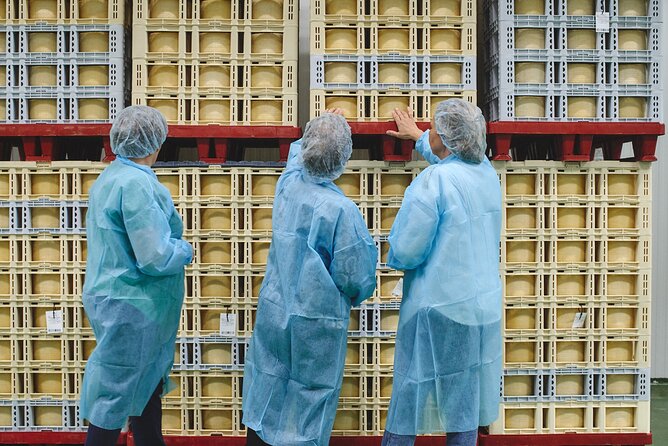
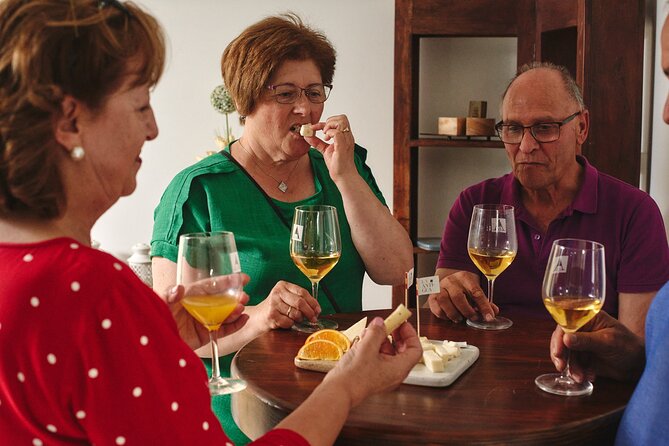
The visit ends with a tasting of two varieties. The tasting isn’t just taste-and-run either. Reviews describe guides teaching how to cut and eat cheese properly, which sounds small but makes a real difference.
Here’s what I’d pay attention to during tasting:
- Notice aroma first, then texture, then the flavor finish
- Compare the two varieties as a pair, not as separate snacks
- Ask the guide what in the process most likely explains the difference
Based on the cheese names people highlighted, you may encounter offerings like truffled cheese (Tartufo), añejo styles, or standout flavor profiles such as paprika-flake varieties. You might also hear about pairings that fans really love, like brandy butter. I’m careful here: the tour states the tasting is of two varieties, and the exact picks can vary. But the fact that people keep naming specific favorites is a good sign you’re not stuck with bland choices.
Also: snacks are included, so you’re not going to feel like you’ve arrived hungry and left empty.
Who this suits best (and who might not love it)
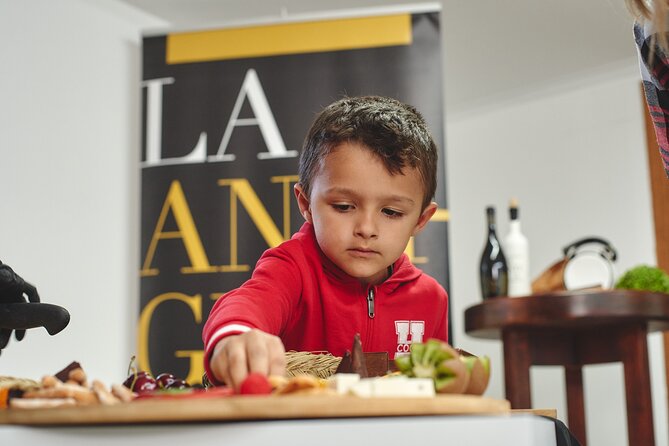
This tour fits you if:
- you like food tourism that explains the actual work
- you want rural Spain in a format that’s structured but not stiff
- you enjoy hands-on learning, where questions are welcome
- you’re a sheep cheese fan, or curious enough to become one
It’s also a good family-friendly style. Reviews mention that the experience works for both adults and children, and the staff appear willing to adapt when needed.
If you don’t care about production steps—if you only want scenery or a totally relaxed food snack—then a factory-focused visit might feel too “process-heavy.” Still, even that depends on your curiosity. Cheese-making is visual, practical, and often more interesting than people expect.
Price and value: is €29.62 worth it?
At $29.62 per person (with a 1 hour 45 minutes duration), this is priced in the “solid experience” range rather than a cheap add-on. The value comes from what you’re getting, not just the tasting:
- guided walk through a working artisan cheese factory
- explanations of production, maturation, and conservation
- a finish with tasting of two varieties
- snacks included
- provided robe, hat, and leggings
The price also makes sense if you compare it to paying separately for a tasting plus a guided specialty stop. Here, it’s bundled around the factory’s real workflow.
One more detail that supports value: the maximum group size is 25. That tends to improve the quality of answers and makes the experience feel more personal.
Tips to get more out of your visit
A few practical choices will help you enjoy it more:
- Arrive a little early for the 11:00 am start so you can settle before the walk begins.
- Since you’ll get a robe, hat, and leggings, wear comfortable clothes you’re happy to work around.
- During the process explanation, keep one “focus question” in mind, like: What step most affects flavor? You’ll get more from the tasting once you have that question parked in your head.
- If you care about specific flavors, listen for mentions of favorites people talk about, such as Tartufo or añejo styles.
If you’re the type who buys cheese back home, this tour also helps you choose better. You’ll know what kinds of decisions the makers are making along the way.
Should you book La Antigua Cheese Tourism?
I’d book it if you want genuine food culture in Castile and León without traveling far into big-city tourist routines. The factory walk + two-variety tasting is a strong combo, and the fact that people keep praising the guides by name—Estefanía, Elena, and the broader team—suggests you’ll get both clarity and enthusiasm.
Skip it (or at least think hard) if you’re dependent on someone else to handle transportation, because private transport isn’t included and the meeting point is a fixed location in Fuentesaúco. Also, if you’re not curious about how cheese is made, you may find the production/maturation focus less exciting than you hoped.
If cheese is even a little on your mind, this is one of those stops that turns taste into understanding—and understanding into better choices later.
FAQ
How long is the La Antigua Cheese Factory visit?
It lasts about 1 hour 45 minutes.
Where does the tour start, and when?
The tour starts at Camino de Salamanca, 49400 Fuentesaúco, Zamora, Spain, at 11:00 am and ends back at the meeting point.
How much does the tour cost?
The price is $29.62 per person.
Is transportation included?
No. Private transportation is not included, so you’ll need your own way to get to Fuentesaúco.
What’s included in the ticket?
The ticket includes a robe, hat, and leggings, plus snacks, and the tasting of two varieties.
What about tickets and confirmation?
You’ll receive a mobile ticket, and confirmation is received within 48 hours of booking (subject to availability).
How big are the groups?
The activity has a maximum of 25 travelers.
Is there a guided tasting at the end?
Yes. The experience ends with a tasting of two cheese varieties.
What is the cancellation policy?
You can cancel for free up to 24 hours in advance for a full refund.