REVIEW · GRAN CANARIA
Aguïmes : Cheese Making Workshop at la Jaira de Ana
Book on GetYourGuide →Operated by La Jaira de Ana · Bookable on GetYourGuide
Making cheese from fresh goat milk is oddly satisfying. At la Jaira de Ana, you get a guided cheese-making workshop plus a dairy-style tour where you see how the milk is collected and what goat care looks like on the farm. I especially like the hands-on parts, from the early process steps to shaping the cheese, and I also like that you leave with a cheese you made yourself.
One possible drawback to consider: the instruction is Spanish and English, and communication can be a little tricky for some people if translation is limited during the practical steps.
In This Review
- Key Moments That Make This Workshop Worth Your Time
- Goat-to-Cheese Learning at La Jaira de Ana (Aguïmes)
- The 3-Hour Workshop: What You’ll Do Step by Step
- Why the Goat Care and Milk Collection Part Really Matters
- Sanitary, Hands-On Work: What the Workshop Feels Like
- Taking Your Cheese Home: Value Beyond the Workshop
- Optional Cheese Tasting: Worth It If You Like Comparisons
- Price and Value: Is $30 a Fair Deal?
- Language Comfort: Spanish and English, With Practical Follow-Along Tips
- Practical Tips Before You Go (So the Day Stays Easy)
- Who Should Book This Goat Cheese Workshop?
- Should You Book Aguïmes: Cheese Making Workshop at La Jaira de Ana?
- FAQ
- How long is the cheese making workshop?
- How much does it cost?
- Is the cheese tasting included in the price?
- Do I get to take the cheese home?
- What languages is the workshop offered in?
- What should I bring and prepare before I arrive?
Key Moments That Make This Workshop Worth Your Time
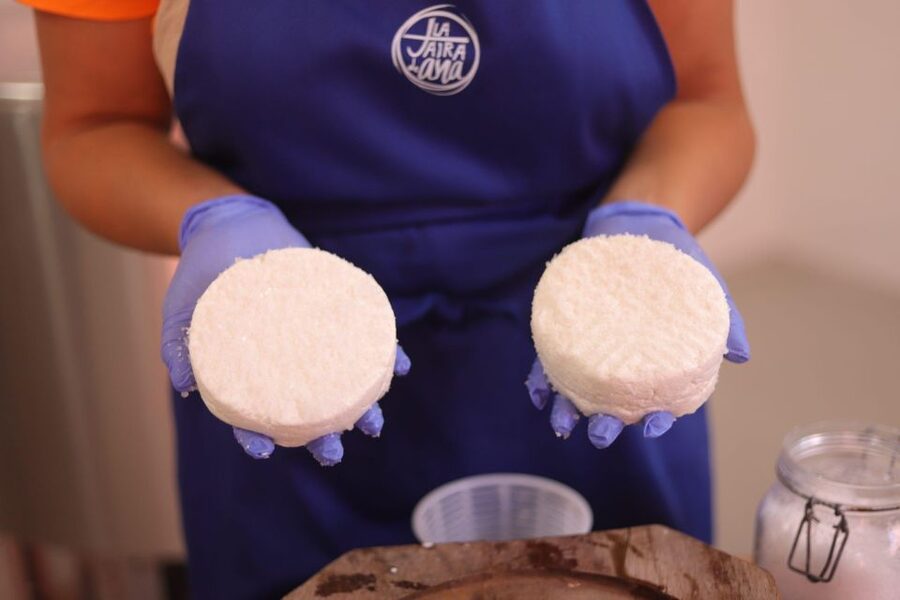
- Goat-to-cheese learning, starting with milk collection and goat care, not just a recipe talk
- Hands-on cheese steps you actively do, including stages like coagulation and molding
- You take your cheese home, with optional guidance and the option to bring a cooler
- A farm visit that adds context, so the why behind the craft feels real
- Optional cheese tasting available after, but not included in the base price
Goat-to-Cheese Learning at La Jaira de Ana (Aguïmes)
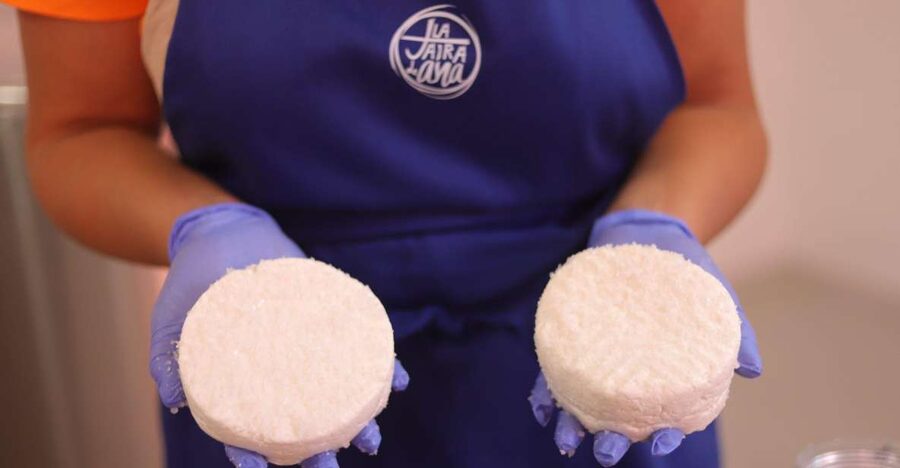
This is the kind of workshop that makes the whole concept of cheese feel tangible. You’re not just tasting products—you’re working with real ingredients and real techniques, using the milk from goats cared for right there. That matters because it turns a food experience into a skill you understand.
I like that the experience is built around a simple flow: meet the farm setting, learn how milk gets collected, then move into making the cheese. You also get the basic story of how fresh milk becomes a formed product through the process steps the instructor guides you through. It’s practical, and it’s meant to be fun, not intimidating.
The setup can be on the farm or in another prepared space, depending on the day. Either way, the workshop still keeps the same focus: learning the process, doing the steps yourself, and taking your cheese home.
You can also read our reviews of more tours and experiences in Gran Canaria.
The 3-Hour Workshop: What You’ll Do Step by Step
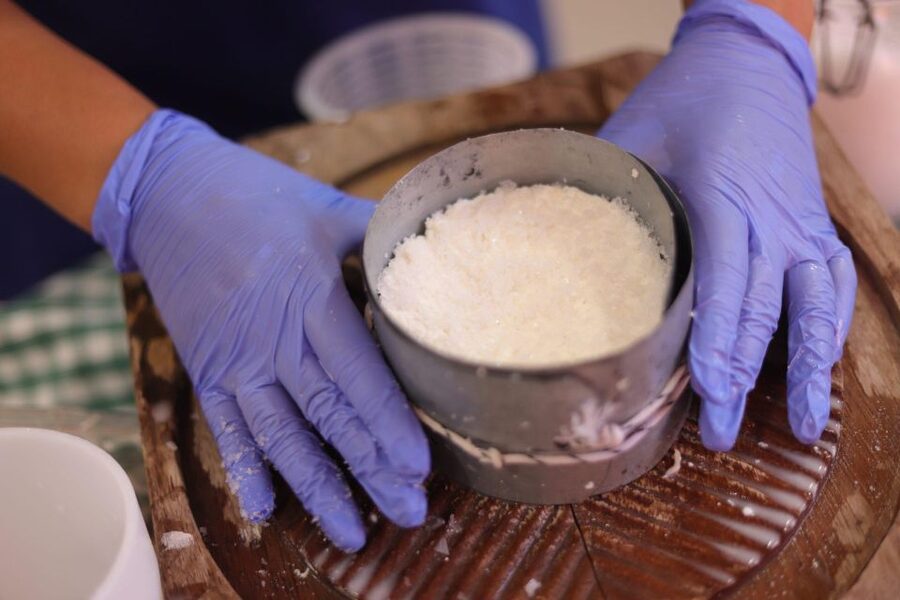
The session runs for about 3 hours, and you redeem your voucher when you arrive at the location with staff from La Jaira de Ana. From there, you’ll be walked through the process in a way that keeps you moving, not stuck listening for the whole time.
First comes a warm welcome and a guided introduction to cheese-making. You’ll learn about the process from obtaining the milk to the transformation steps that lead to the final cheese. Expect to get hands-on time during the core parts, guided by the instructor as you go.
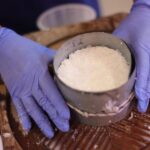
Then you’ll likely spend time observing the goats and seeing how the fresh milk used for your cheesemaking activity is collected. After that, you’ll work through the cheese-making stages. The key practical steps you can expect to participate in include coagulation and molding, the stages where the milk starts turning into something that resembles cheese you recognize.
To finish, you have an option to enjoy a small tasting of the cheeses prepared with the flavors highlighted from the final results. That tasting isn’t included in the price, but it’s the easiest way to compare what you made with the overall lineup they’re working with.
Why the Goat Care and Milk Collection Part Really Matters
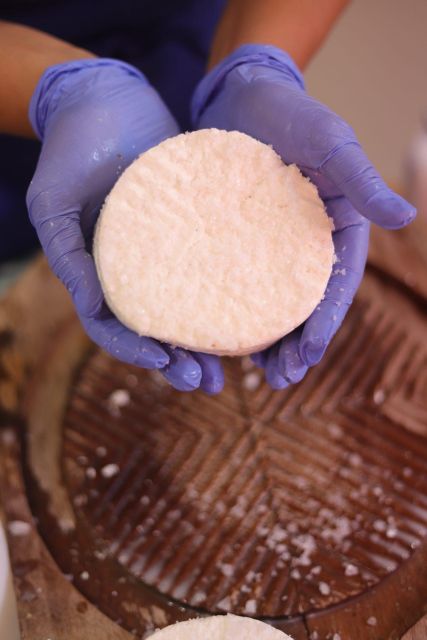
It’s easy to think a cheese workshop is mostly about curds and molds. But the farm-and-milk portion is what turns the workshop into something you’ll remember beyond the taste.
Seeing how goats are cared for gives you context for why fresh milk behaves the way it does in the process. And watching milk collection helps you understand that good cheese starts long before anyone touches a vat or a mold. Even if you’re short on Spanish, the visual part does a lot of work for you.
In the same vein, the workshop’s focus on using fresh milk from their own goats makes the experience feel grounded. You’re not learning a generic “cheese recipe.” You’re learning how cheese making fits into farm routines, and that connection is a big part of the value.
Sanitary, Hands-On Work: What the Workshop Feels Like
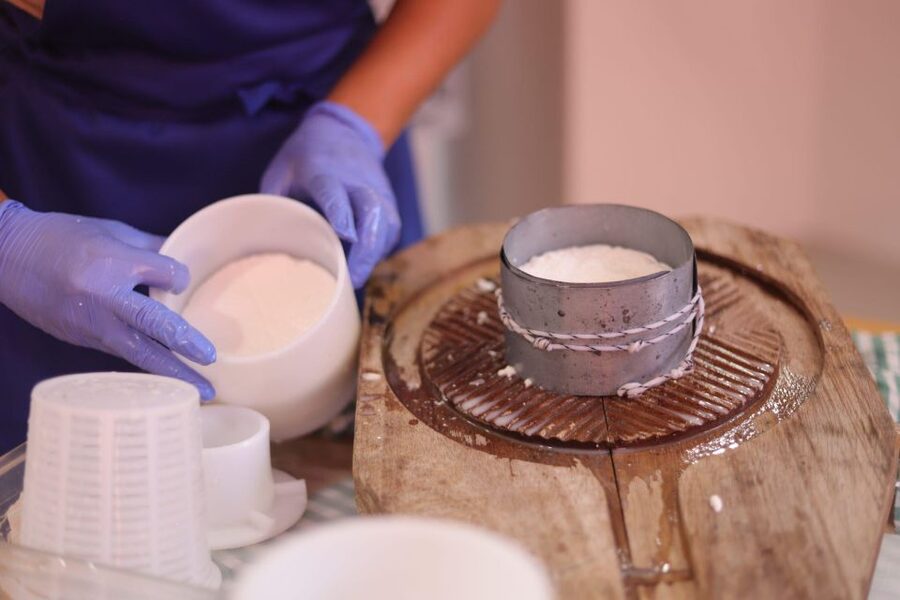
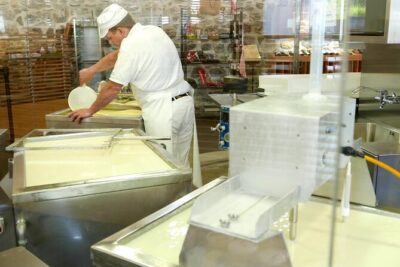
Cheese making sounds rustic, but this workshop is set up to be clean and practical. One of the strongest signals from the experience is that the process is handled in a sanitary way, including things like hairnets and gloves. That’s not just for hygiene—it also helps you feel confident while you’re learning.
You’ll also be encouraged to participate. You’re not standing at the edge of the room as someone else does the work. You can expect a guided, hands-on flow where each step connects to the next one, so it feels like you’re building something rather than following random instructions.
And when it comes time for the final product, there’s a satisfying payoff: the cheese you make in the workshop is yours to take home. If you want to help it survive the trip, you can bring a cooler to keep it from going bad.
Taking Your Cheese Home: Value Beyond the Workshop
Most food workshops end when you leave the table. This one keeps going because you’re taking your own cheese with you.
That changes the math of the experience in a good way. You’re paying for a structured 3-hour learning session, a farm/dairy guided tour, and a real edible result that you can keep. Even if you’re not a big goat-cheese fan, the “I made this” factor is meaningful because you’ll understand what you’re tasting.
You should also plan for transport. The information you’re given includes that you may bring a cooler, and that’s a useful hint. If you’re coming from somewhere warm or you’ll be on the move for a while after the workshop, cooling becomes part of how you protect your purchase.
And don’t treat the cheese tasting as a “must” to complete the day. Your own cheese is the main finish.
Optional Cheese Tasting: Worth It If You Like Comparisons
At the end, there’s an option for a small tasting that highlights the flavors of the cheeses prepared with your own hands. That tasting is extra cost, so it’s a separate decision.
If you love learning by comparing, this add-on makes sense. You’ll get a clearer sense of what different stages and shaping choices can mean in flavor and texture. If you’re less focused on tasting and more focused on skill-building, you can skip it and still leave with a cheese you made.
Either way, the workshop ends back at the meeting point, so you’re not dealing with a complicated schedule afterward. You’re simply left with a take-home result and the knowledge of how it was made.
Price and Value: Is $30 a Fair Deal?
$30 per person for about 3 hours is pretty reasonable when you consider what’s included. You’re not just watching a demonstration. You get the cheese workshop itself, the guided dairy tour, and the cheese you make to take home.
Where the value really shows up is in the combination: farm context + hands-on production + a real product. Many experiences either teach you (but you don’t leave with food) or feed you (but you don’t learn the method). Here, you’re doing both, and that’s why the price feels fair.
One detail to keep in mind: the tasting is not included. So your total day cost may be slightly higher if you add it. Still, even without tasting, you’re leaving with something you made, plus instructions for enjoying it.
Language Comfort: Spanish and English, With Practical Follow-Along Tips
The workshop is offered in Spanish and English, with an instructor who works in both languages. Still, real life can be messy in the practical parts—especially when you’re handling steps like coagulation and molding that require timing and attention.
One review signal you should take seriously: communication can be difficult if most of the explanation is in Spanish and any English translation relies on a phone or a less-than-perfect setup. My practical advice is to go in expecting some moments where you understand more with your eyes than with your ears.
To help yourself, ask early how you should proceed at each step. Keep your attention on the instructor’s gestures and what they want you to do next. If you’re comfortable with basic food words in Spanish, it can help, but you don’t need to be fluent. The physical steps carry a lot of the meaning.
Practical Tips Before You Go (So the Day Stays Easy)
Plan like you’re going to a hands-on farm activity, not a museum visit. The info you’re given includes comfortable shoes, and that’s exactly right. You’ll want stable footing and footwear that’s okay for a working environment.
Bring your passport or ID card as well. It’s a simple checkbox that prevents last-minute hassle when you arrive.
If you care about keeping your cheese in good shape, consider bringing a cooler. That’s specifically mentioned as an option to keep the cheese from going bad, and it’s one of the best ways to protect your results from travel heat.
Also, make sure you redeem your voucher when you arrive with staff at the location. This is a “show up and check in” type of experience, and it helps everything move smoothly.
Who Should Book This Goat Cheese Workshop?
You’ll love this if you want a food experience with real-world skill, not just a taste. It’s a great fit if you like farms, goats, hands-on workshops, or cooking and food crafts.
It also works well for couples or friends who enjoy doing something together and then taking a tangible result home. The structure—welcome, farm context, hands-on steps, take-home cheese—gives you a full arc for the day.
Skip it if you’re only interested in tasting cheese and you don’t care about the process. Also, if language barriers are a deal-breaker for you, know that while English is available, the practical instruction can still feel uneven at times.
Should You Book Aguïmes: Cheese Making Workshop at La Jaira de Ana?
In my view, this is an easy “yes” if you want an authentic, working-farm food day. For $30, you get the workshop, a guided dairy visit, and the cheese you make to take home. The hands-on, sanitary setup (hairnets and gloves are part of the vibe) makes it feel safe and well run.
The only reason not to book is if you hate being hands-on or you’re relying on perfectly fluent English throughout every practical step. If that sounds like you, consider messaging the provider in advance, or treat the non-verbal guidance as part of the experience.
If you’re craving something different from the usual sightseeing loop in Gran Canaria, this workshop delivers a real skill and a real product. And that combination is rare enough to be worth your time.
FAQ
How long is the cheese making workshop?
It lasts about 3 hours.
How much does it cost?
The price is $30 per person.
Is the cheese tasting included in the price?
No. You have the option to add a small tasting, and it’s extra cost.
Do I get to take the cheese home?
Yes. The cheese you make in the workshop is yours to take home, and you can bring a cooler if you want to help keep it from going bad.
What languages is the workshop offered in?
The instructor can work in Spanish and English.
What should I bring and prepare before I arrive?
Bring your passport or ID card and wear comfortable shoes. You’ll also redeem your voucher when you arrive at the location with La Jaira de Ana staff.