REVIEW · CAGLIARI
Cagliari: artisan beer and cheese tasting
Book on GetYourGuide →Operated by BinuShop · Bookable on GetYourGuide
A thousand years of beer culture, served with cheese. This small-group stop in Cagliari turns Sardinian craft beer and cheese pairing into a hands-on tasting with real context on the island’s food story. I especially like the pairing logic and the way the host explains what you’re tasting as you go, not after the fact. One thing to plan for: the meeting spot is outside the city center, so you’ll want a car or a taxi you can trust.
You’ll get two big wins in an hour: first, learning how small-batch beer is made and why Sardinian brews taste the way they do. Second, you’ll work your way through cheeses of different ages matched with a local beer, plus olives and typical Sardinian bread. If you’re short on time and want a strictly quick grab-and-go, this may run a bit longer than the scheduled hour.
In This Review
- Key moments that make this tasting worth it
- Craft beer and cheese in Cagliari, but done the Sardinian way
- Where you start: Enoteca & Bottega Binushop at I Mulini
- What you’ll learn as the beer is poured: ingredients and the island’s beer habits
- The main tasting format: beer first, then cheese, plus bread and olives
- Cheese pairing across ages: what to taste (and what the guide will help you notice)
- Olives, typical bread, and those longevity foods
- Sardinia’s history, told through what’s on your table
- Who this tasting is best for (and who should skip it)
- Price and value: what $47 buys you (and why it’s not just a snack)
- Language and guide style: English, Italian, Spanish
- Practical tips so the experience feels smooth
- Should you book the Cagliari craft beer and cheese tasting?
- FAQ
- How long is the Cagliari artisan beer and cheese tasting?
- What is the price per person?
- Where does the tasting start?
- Is this a small group experience?
- What languages is the tour guide available in?
- What’s included in the tasting?
- Can I cancel for a refund?
- Is free cancellation available up to 24 hours before?
- What if I have a food intolerance?
- Is the activity wheelchair accessible?
Key moments that make this tasting worth it

- Small-group, private feel (max 4 people) so you can ask questions and taste at your pace
- Craft beer production explained in plain language, with attention to ingredients like malt and hops
- Cheese pairing across different ages, so you taste how aging changes texture and flavor
- Olives and Sardinian bread included to balance the beer and cheese
- Sardinia’s story told through food, including history and the idea of longevity foods
Craft beer and cheese in Cagliari, but done the Sardinian way
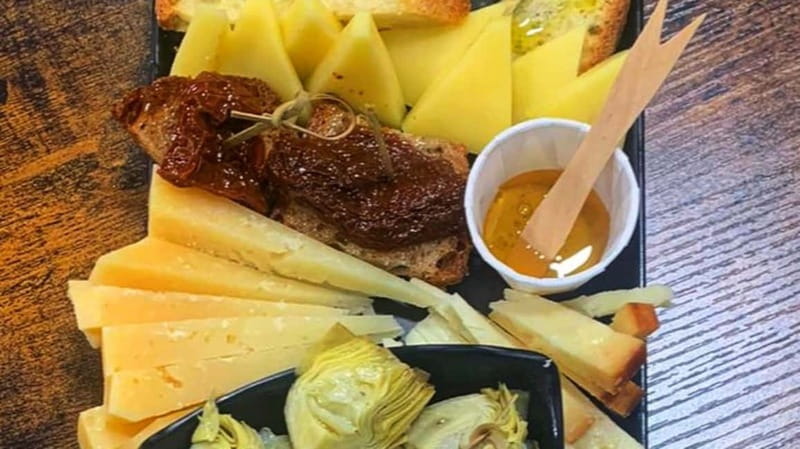
Sardinia has a talent for turning everyday ingredients into something with identity. Beer is part of that, and cheese is part of that too. What makes this experience fun is how the two meet: you’re not just sampling items. You’re learning why they get paired the way they do.
This tasting is set up around a simple idea: beer is made from ingredients with personality—water, malt, hops—and Sardinia has its own deep habits around using those ingredients. The result is an island beer culture you can taste, from consumption to small artisan production. Then the host adds the other half of the equation: Sardinian cheeses from small local producers, offered in different types and ages so you can actually notice change from one bite to the next.
I also like that the setting is a shop-based experience, not a staged performance. It feels like you’re inside a real local place where people come in, ask for products, and talk about what’s good.
You can also read our reviews of more tours and experiences in Cagliari.

Where you start: Enoteca & Bottega Binushop at I Mulini
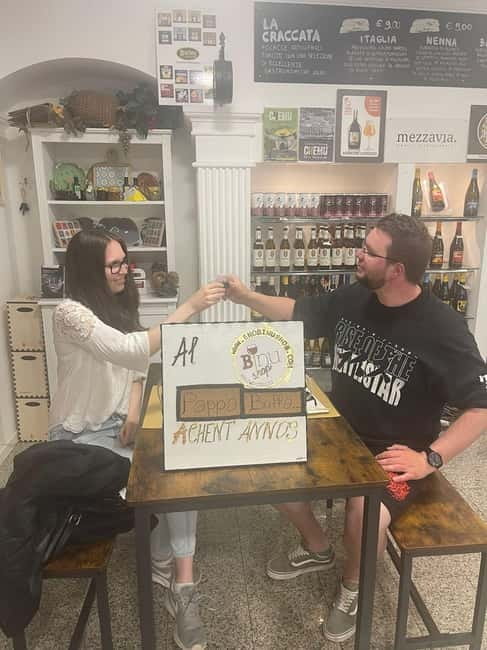
Your session begins at Enoteca & Bottega BinuShop, inside the parking area for the “I Mulini” Shopping Center. Look for the sign at the entrance to the parking area—Binushop is on the left.
This matters more than you might think. Because it’s a shop location (and not a central city landmark), you’ll typically spend more time tasting and less time walking around. The tradeoff is that the area can feel removed from the old center. If you’re relying on public transit, you should build in extra time and a buffer, because getting in and out can be trickier than you’d expect.
If you like your food experiences grounded—where you can buy what you taste—this is a good fit. You get a tasting, but you’re also close to the shelf.
What you’ll learn as the beer is poured: ingredients and the island’s beer habits
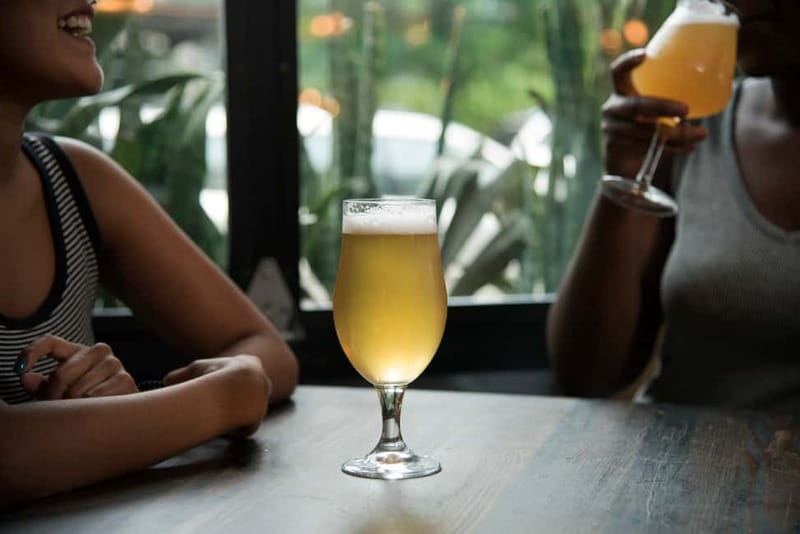
The host sets the tone by framing beer as more than a drink. The information starts with ingredients—water, malt, and hops—and then connects those ingredients to Sardinia’s long relationship with beer.
You’ll hear the story as an island-wide habit, not a single brewery myth. Beer has been enjoyed for centuries, with references to Egyptians and Medieval friars in the broader historical context. The practical takeaway is that beer isn’t a trend here; it’s part of how people have historically brewed, shared, and used seasonal ingredients.
Then comes the hands-on part: you’ll be guided through the phases of craft beer production with a focus on small Sardinian breweries. That’s the difference between sampling beer and understanding why each glass lands the way it does. If you’re the kind of person who reads labels or wants to know why one IPA-style taste feels sharper than another, you’ll get more out of this than a typical “sip and smile” tasting.
Your group stays small—up to 4 participants—so the guide can adjust the pace. You’re likely to get enough time to taste without feeling rushed, and you’ll have a chance to ask questions as you go (rather than during a silent pause at the end).
The main tasting format: beer first, then cheese, plus bread and olives
Here’s the structure you can expect. You’ll taste one local craft beer during the session, and it’s matched with a selection of Sardinian cheeses in different types and ages. The spread also includes Sardinian bread and olives.
This design is smart. Beer changes as it hits the palate, but cheese also changes as it warms in your mouth. Adding bread and olives gives you quick “reset” flavors—salty, starchy, fatty, tangy—that help you notice the differences between cheeses rather than just drowning everything in one strong taste.
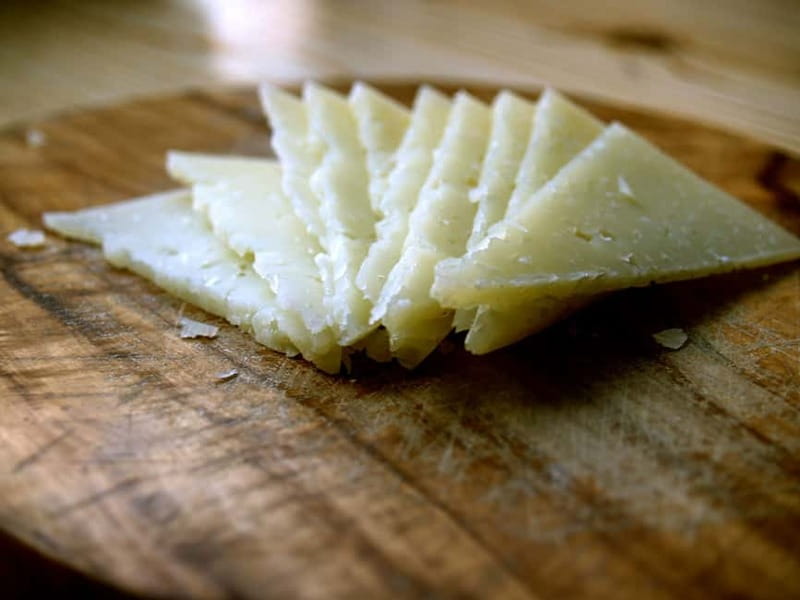
The cheeses are described as coming from small local productions, and you’ll go across ages. That’s key. Aging affects texture and flavor intensity, so you’ll be tasting not only variety, but progression. Expect differences that come from aging level: younger cheese tends to feel fresher and more straightforward, while older cheese tends to be more intense. The guide helps you pay attention to those shifts.
And don’t skip the bread and olives. Even if you only think you’re there for beer and cheese, those two sides do important work: they balance salt, fat, and acidity, and they make the beer-cheese pairing feel more intentional.
Cheese pairing across ages: what to taste (and what the guide will help you notice)
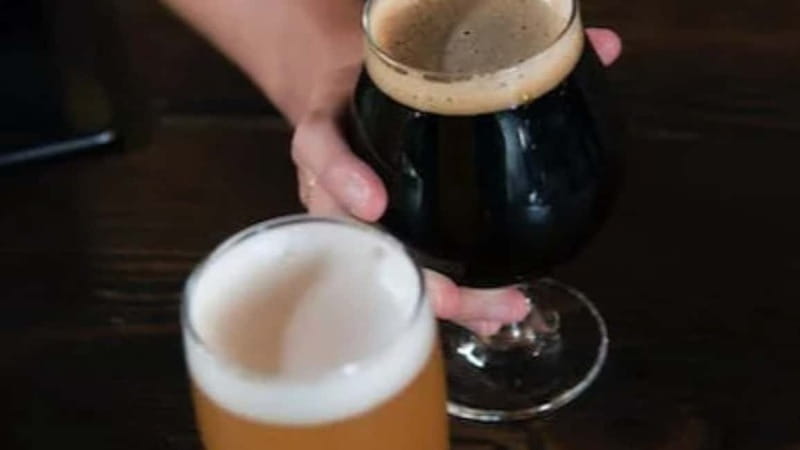
Cheese pairings are easy to mess up if the tasting doesn’t explain what matters. In this experience, the guide’s job is to make the pairing feel logical.
Since you’ll sample cheeses of different ages, the guide can point out what changes: flavor strength, texture, and how each cheese interacts with the beer. Older cheeses can intensify bitterness and savory notes, while younger ones can feel more bright or milky. The beer selection is tied to that shift, so you can taste pairing as a skill, not just a label.
The best part is that you’re not stuck eating the same style of cheese on repeat. Instead, you get variety within a coherent theme—Sardinia. That means the tasting feels like a learning session with food you actually want to keep eating, rather than a quick sampling flight that leaves you hungry.
Olives, typical bread, and those longevity foods
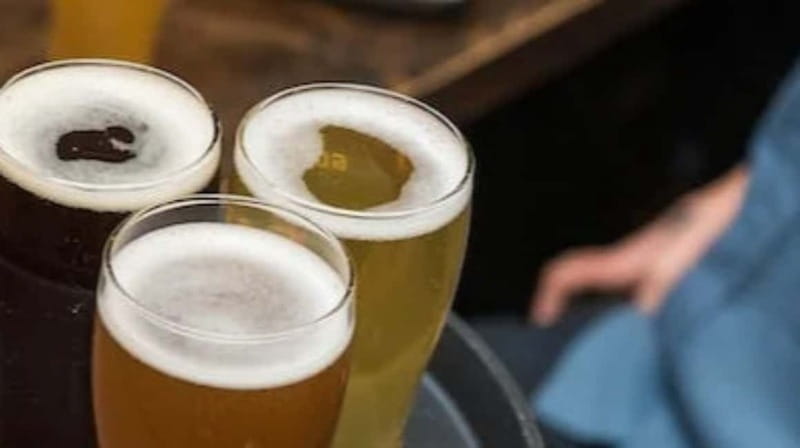
Sardinian cuisine has a reputation for food habits that support longevity, and this tasting explicitly includes the idea of dishes of longevity. The exact items can vary, but the point is consistent: you’ll taste typical foods that locals connect to long, healthy living.
In the same session, you’ll also get olives and typical Sardinian bread. These aren’t filler. They’re there to round out the beer and cheese experience.
Olives add salt and a sometimes-perfumed bitterness. Bread adds starch that cools your palate and helps you reset between stronger bites. Together, they make the tasting feel more like a meal, not a snack board.
If you’re worried about cheese overload, this is one reason the tasting stays enjoyable. You get enough variety that you can switch your focus, rather than forcing your way through one flavor category.
Sardinia’s history, told through what’s on your table

This experience isn’t only about flavors. It includes historical and cultural insights during the tasting, and it references the island’s broader story—how beer spread across Sardinia in both consumption and artisan production, and how those traditions connect to local identity.
You’ll also get “mysterious history” framing. That’s not the usual dry lecture. The style here is practical: the host explains why these foods and drinks matter, then links the story directly to what you’re tasting.
That approach is valuable because it keeps you engaged. Instead of facts bouncing around your head, you tie them to your tongue. The explanation helps you notice the difference between styles and understand why Sardinian small breweries matter.
Who this tasting is best for (and who should skip it)
This is a great fit if you:
- love craft beer and want the story behind it, not just a tasting list
- enjoy cheese and want to compare flavors across different ages
- like small-group settings where you can ask questions
- want a real local store experience where the host can also steer you toward nearby food
It may not be the best fit if you:
- are only interested in drinking a lot of beer quickly (this is a guided pairing, not a big-flight festival)
- need a very central location and can’t manage a car or taxi
Also, if you’re on a tight schedule, watch the time. Even though the session is listed as 1 hour, plan for it to run a bit longer depending on conversation and pace. The small-group format supports that.
Price and value: what $47 buys you (and why it’s not just a snack)
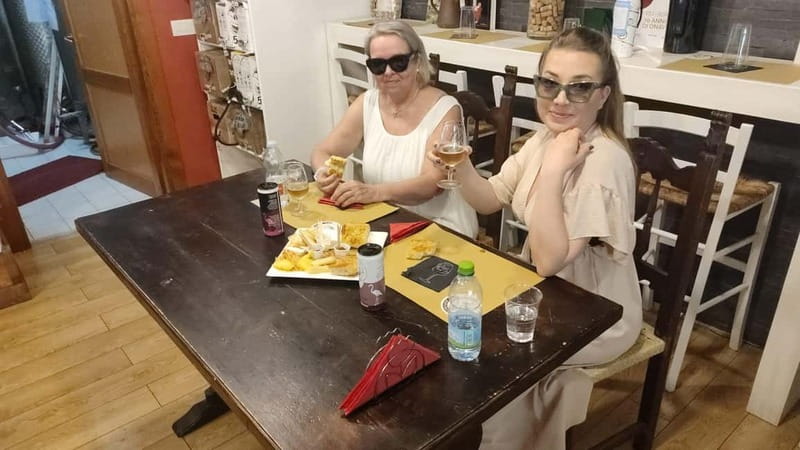
At $47 per person for a session listed at 1 hour, you’re paying for a few things at once:
- guided tasting with a live tour guide
- beer and pairing foods (cheese across different ages, plus olives and bread)
- cultural and historical context woven into the experience
- a small group size, so you’re not one face among many
If you’re comparing this to buying beer and cheese at a store on your own, the price starts to make sense. Buying items separately can be cheap in the moment, but you won’t get the pairing framework that helps you understand what you like and why.
This kind of guided pairing is also useful if you want to bring something home. When you taste with guidance, you’re more likely to buy the right bottle or cheese—not just whatever looks interesting on the shelf.
Language and guide style: English, Italian, Spanish
The live guide is available in English, Italian, and Spanish, and the session is wheelchair accessible. In a small group, language matters because it changes how much you can actually ask and understand.
From the guide names shared in past sessions, you may see hosts including Francesca or Federica. Either way, the vibe is clear explanations and a pace that lets you taste without feeling squeezed.
If you enjoy chatting about food traditions and learning how locals talk about beer and cheese, you’ll probably have an easy time here.
Practical tips so the experience feels smooth
1) Plan transport. The meeting point is at I Mulini’s parking area. It’s not “walk out of the historical center and you’re there.” If you don’t have a car, arrange a reliable taxi.
2) Give yourself buffer time. The session can take a little longer in real life, especially if you end up chatting or going back for another taste to compare.
3) Come hungry for the right reasons. This is a tasting, not a full dinner. Still, it includes multiple foods, so arriving with an empty stomach helps you enjoy the progression.
4) Ask before you decide. Since the tasting is guided, it’s a good moment to ask what cheese ages you’ll get and how the beer changes between bites. If you have preferences, say them early.
5) Food intolerances need an email. If you have food intolerances, notify the team by email after booking (their instructions specify email only). Don’t assume they’ll catch it from a booking note.
Should you book the Cagliari craft beer and cheese tasting?
Book it if you want a high-quality pairing experience in a small group, with real food context and a setting where you can also buy what you like. It’s a smart choice for beer lovers who also enjoy learning how Sardinian ingredients and traditions connect.
Skip it if you only care about quantity or you need a super central, no-taxi location. The tasting is worth it, but the area around I Mulini means you should treat transport as part of the plan.
If you like food that tells a story—beer made locally, cheese aged with intention, bread and olives that balance the whole plate—this is an easy yes for your Cagliari itinerary.
FAQ
How long is the Cagliari artisan beer and cheese tasting?
It lasts 1 hour.
What is the price per person?
The price is $47 per person.
Where does the tasting start?
You’ll meet at Enoteca & Bottega Binushop, inside the parking area of the I Mulini Shopping Center. The sign is at the entrance to the parking area on the left.
Is this a small group experience?
Yes. The group is limited to 4 participants.
What languages is the tour guide available in?
The live guide offers English, Italian, and Spanish.
What’s included in the tasting?
You’ll get a guided tasting that includes one local craft beer paired with a selection of Sardinian cheeses (different types and ages), plus olives and typical Sardinian bread.
Can I cancel for a refund?
Yes. You can cancel up to 24 hours in advance for a full refund.
Is free cancellation available up to 24 hours before?
That’s what the policy states, so you can cancel up to 24 hours in advance for a full refund.
What if I have a food intolerance?
You must notify the provider immediately after confirming your reservation by email to [email protected]. The instructions specify that intolerance requests are only taken via email.
Is the activity wheelchair accessible?
Yes, it is wheelchair accessible.