REVIEW · OVIEDO
Bulnes: Excursion with funicular and Cabrales cheese cave in the Picos de Europa
Book on GetYourGuide →Operated by buendía · Bookable on GetYourGuide
Bulnes is hard to reach for a reason. This day mixes big Picos de Europa views with two very local traditions: Cares Gorge and Cabrales cheese. I especially like the pacing—bus to viewpoints, then funicular to an off-grid village, then a cheese cave visit that actually explains the work behind the flavor. One thing to consider: it’s a long day (8 to 12 hours), and a couple parts can move fast if your Spanish isn’t strong.
Two standouts for me are the ride to Bulnes—an 8-minute trip that goes underground through the mountain—and the moment you arrive in Bulnes, where there’s no cell phone coverage and the village feels frozen in time. I also like that the cheese stop isn’t just a sales pitch; you get a guided look at the process and then a tasting with Asturian cider. The only drawback I’d flag is that the funicular ride is basically practical transport, not scenic—so don’t plan your best photos there.
If you want a day that feels both scenic and “hands-on local,” this is a solid choice. Just wear comfortable shoes and be ready for some time on the bus before the good stuff starts.
In This Review
- Key points before you go
- From Cangas de Onís to Poncebos: the Cares Gorge build-up
- Poncebos: the Cares Route start and those “river-carved” walls
- Bulnes funicular: an underground ride that does one job well
- Arriving in Bulnes: off-grid village time and Picu Urriellu views
- A small reality check
- Arenas de Cabrales and Cueva del Queso: the work behind the flavor
- Tasting Cabrales with Asturian cider: the classic pairing
- Price and value: what $81 buys you in the Picos
- Timing and comfort: wear shoes and plan for motion
- Who this is best for (and who should skip)
- Final verdict: should you book Bulnes, Cares Gorge start, and the cheese cave?
- FAQ
- How long is the Bulnes, funicular, and Cabrales cheese cave excursion?
- Where do I get picked up?
- Is the Bulnes funicular ticket included?
- What will I do in Poncebos?
- Is there guided time in Bulnes?
- Do I get to eat lunch in Bulnes?
- What happens at the Cabrales cheese cave?
- What languages are available for the tour?
- What should I bring for the day?
- Is this tour suitable for wheelchair users or mobility impairments?
Key points before you go
- Poncebos + Cares Gorge views: you’ll start with the famous gorge area called La Garganta Divina.
- Bulnes funicular ticket included: an 8-minute underground ride that gets you to a village no road can reach.
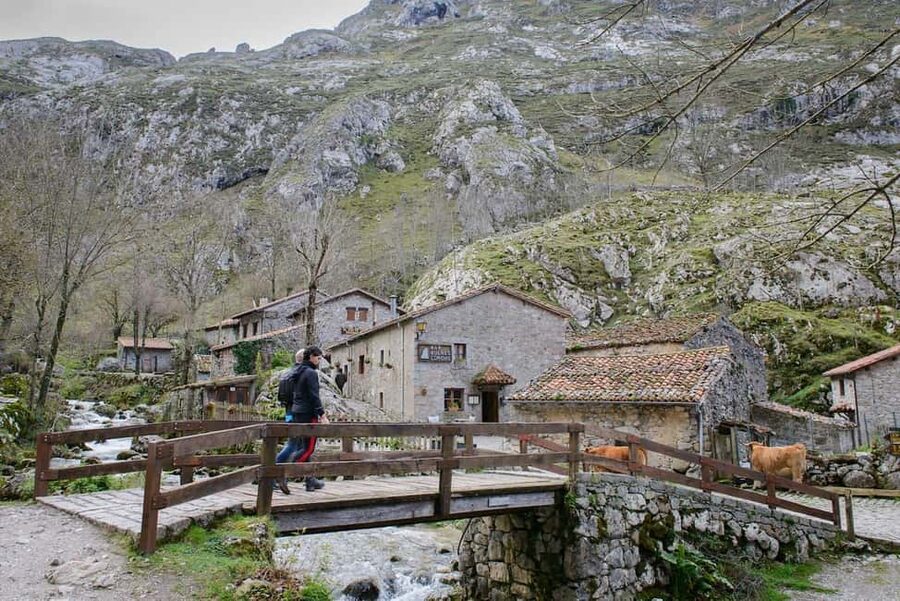
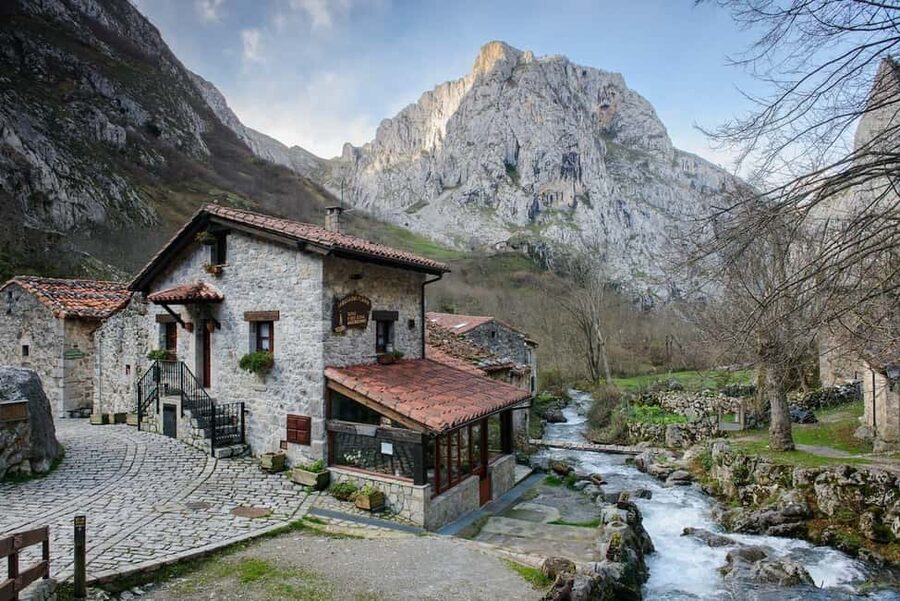
- Bulnes village guided tour plus free time: cobbled lanes, a small chapel, and viewpoint time for Picu Urriellu.
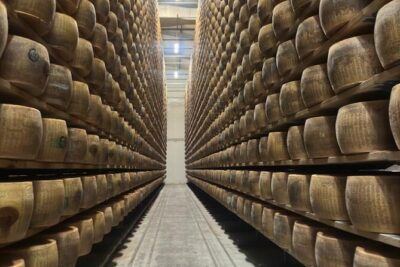
- Cueva del Queso experience in Arenas de Cabrales: a guided look at Cabrales cheese-making.
- Cabrales tasting with Asturian cider: you’ll finish with the local classic pairing.
- Long-but-structured day: plan for travel time and breaks, not a slow countryside wander.
From Cangas de Onís to Poncebos: the Cares Gorge build-up
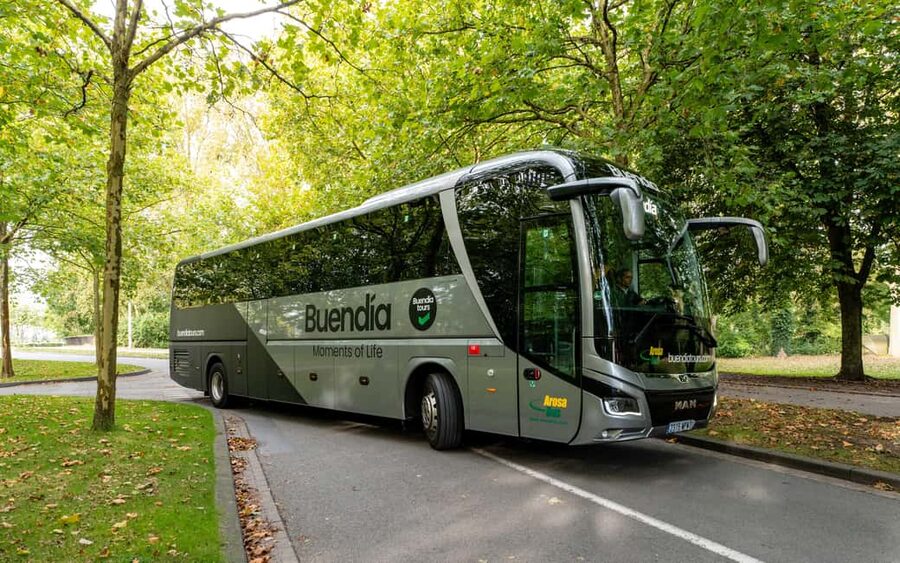
The day starts with a private bus transfer from your chosen pick-up point in the area (Cangas de Onís, with options that include the bus station and a couple central points in Oviedo). Expect a long drive—partly why the tour feels “big day” rather than leisurely.
As you head toward Poncebos, you’ll see mountain scenery and small rural villages along the way. This matters because the Picos de Europa can feel dramatic even before you get to the viewpoint areas. You’re not just arriving at places; you’re building momentum for what comes next.
Once you reach Poncebos, you’re at the starting point area for the Cares Route, known as La Garganta Divina (The Divine Gorge). Even if you don’t do the full hike, it’s a great way to connect with why this region is famous.
Poncebos: the Cares Route start and those “river-carved” walls
Poncebos is where the Cares Gorge is front and center—steep rock walls, a river cutting through over time, and a feeling of scale that’s hard to get from photos. The key idea here is that you’re standing at the gateway to a canyon carved out by erosion, not by some dramatic “one-time” event.
In practical terms, you’ll get a break plus free time in the Poncebos area. This gives you flexibility: you can take in the views slowly, grab a quick moment to orient yourself, or just enjoy the quiet and watch the gorge do its thing.
One caution: this is the kind of spot where it’s easy to over-plan your time. If the weather is good, you’ll want extra minutes. If it’s not, you’ll be glad you didn’t try to force a long walk. Bring layers, and keep your plans simple.
Bulnes funicular: an underground ride that does one job well
Then comes the transition that makes Bulnes special: you take the Bulnes funicular, and the ticket is included. The ride is short—about 8 minutes—and it’s completely underground, passing through the mountain. That’s the point: it’s built to move you into a village road can’t reach.
Here’s what I like about this part. It’s not a “thrill ride.” It’s functional. And because it’s inside the mountain, it feels different from the normal cable car experience.
Because the funicular is underground, don’t expect panoramic views on the way up. If you’re coming for dramatic shots, you’ll get them after you arrive. Think of this as the doorway, not the destination.
Arriving in Bulnes: off-grid village time and Picu Urriellu views
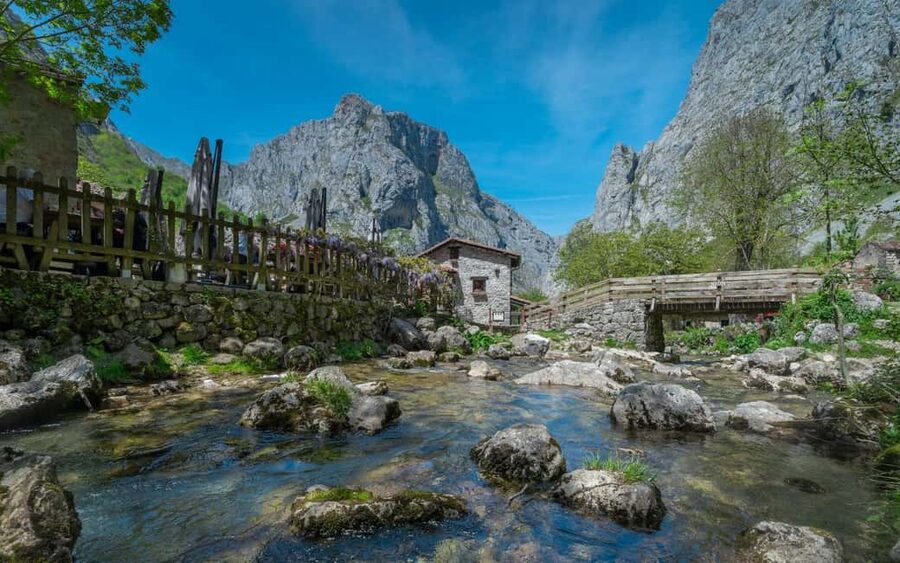
Bulnes is the kind of place that slows your pace down. The village is reached only by the funicular, and once you’re there, you get a guided tour plus free time. One of the best details: there’s no cell phone coverage. Your phone can’t save you from being present—which honestly makes the village feel even more real.
During the guided part, you’ll learn about the village atmosphere and what to notice in the traditional streets and houses. There’s also a small chapel of Nuestra Señora de las Nieves, a calm stop that helps you understand the everyday faith and community rhythm of Bulnes.
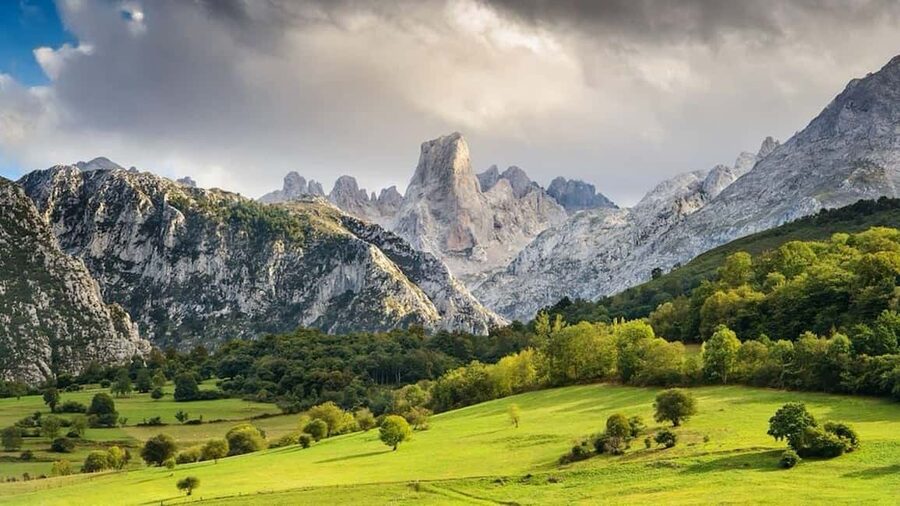
You’ll also have the option to climb or walk up to a viewpoint. This is where Picu Urriellu—also known as Naranjo de Bulnes—comes into play. It’s one of Spain’s most iconic peaks and a mountaineering symbol. Even if you’re not a climber, seeing it in person gives you that “people build stories around this mountain” feeling.
A small reality check
Bulnes time is great, but it’s not a full-day hike. You’re there for a taste: village walking, a viewpoint moment, and then you move on. If you want long wandering in the Picos, this tour is a well-organized sampler, not a slow retreat.
Arenas de Cabrales and Cueva del Queso: the work behind the flavor
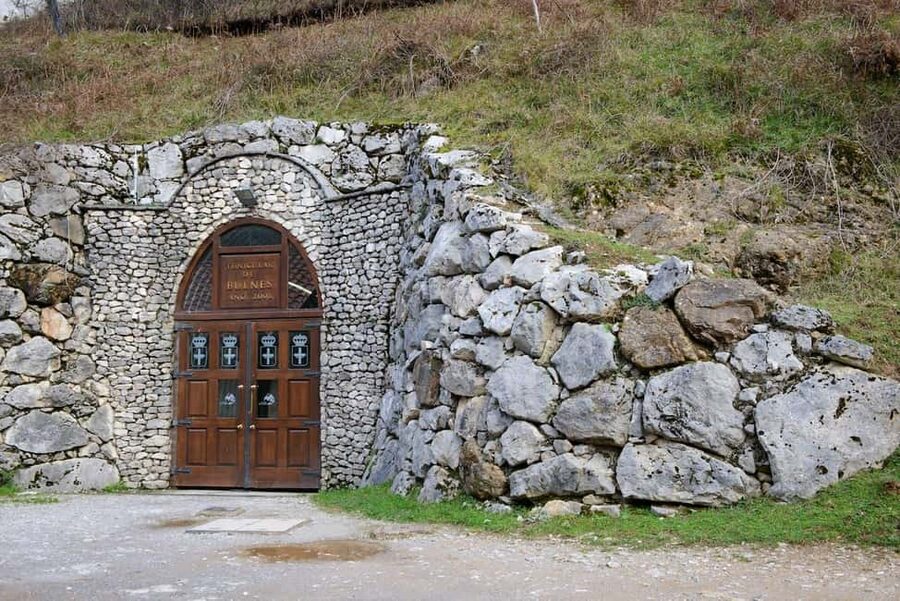
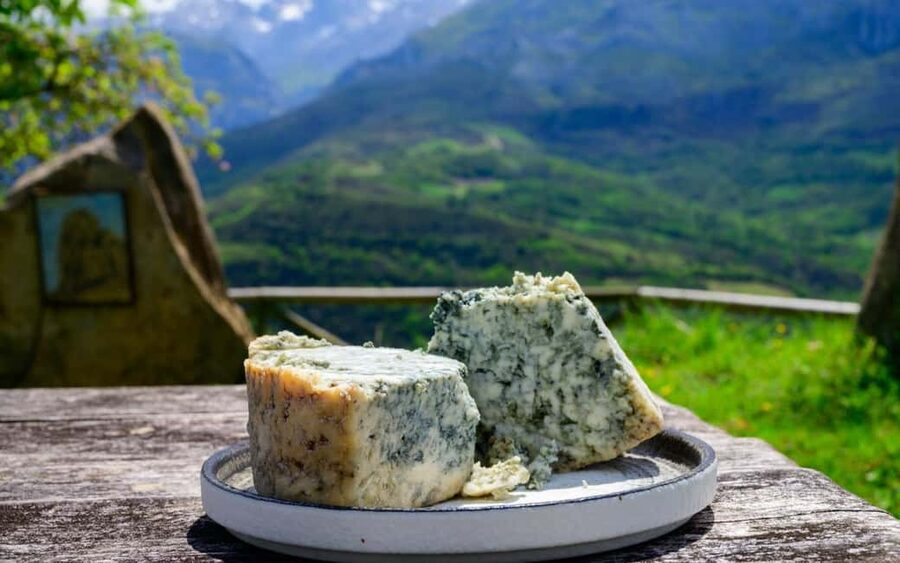
After Bulnes, you shift gears toward food culture in Arenas de Cabrales, where Cabrales cheese has its roots. The highlight here is the Cueva del Queso, a guided visit to the cheese cave where you learn about the traditional Cabrales cheese-making process.
This stop is valuable because it turns cheese from “something you buy” into “something you understand.” You’re not just getting a description of taste. You’re hearing how the cheese is produced and why the process matters for what ends up in your bite.
The cave visit is guided, and it’s part of why this day feels more authentic than a quick snack stop. You get context for the strong, distinctive character Cabrales is known for, and you also get to see how caves and aging fit into the story.
One practical thing: cave visits often run at a certain pace to keep the group moving. Wear something comfortable and listen closely during the guided explanation.
Tasting Cabrales with Asturian cider: the classic pairing
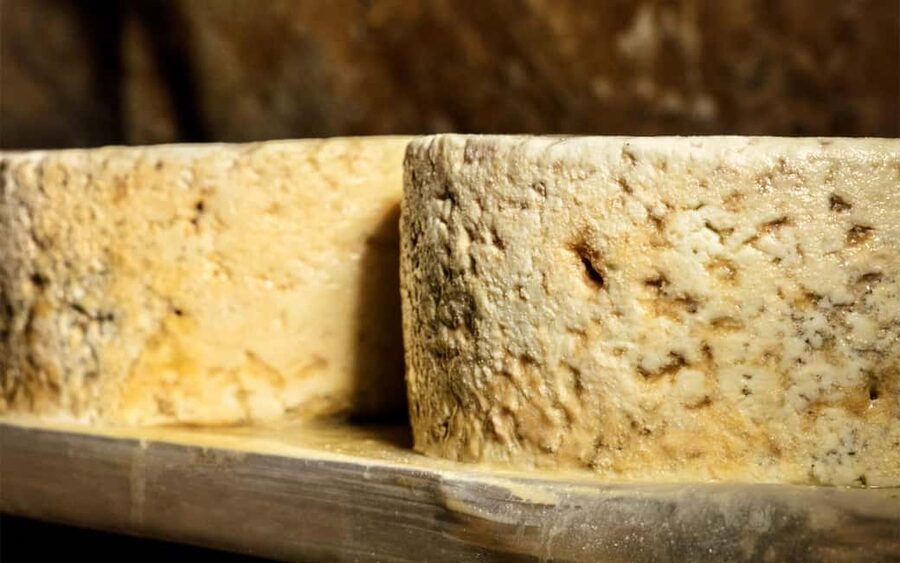
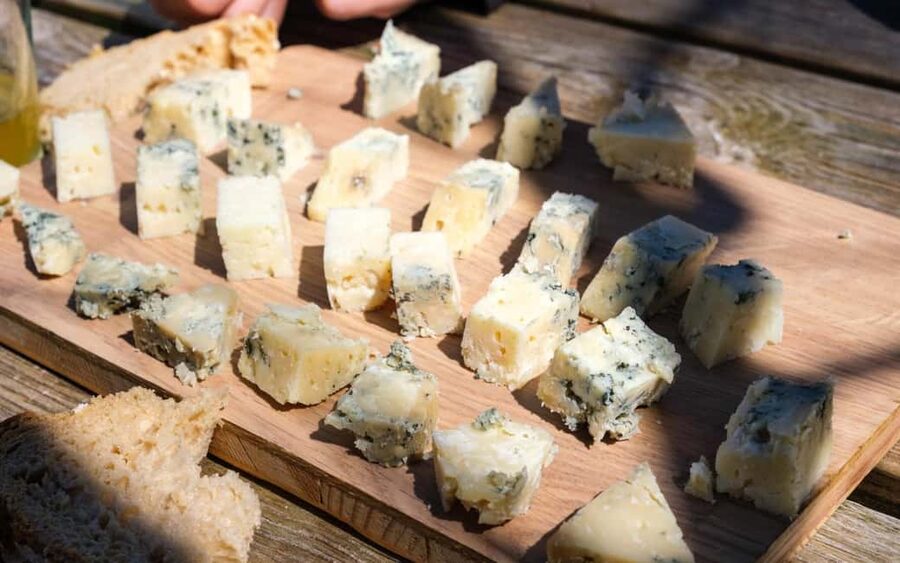
You finish with a Cabrales cheese tasting, served with Asturian cider. This is a smart way to close the loop: you just learned about the process, now you taste the result with the regional drink that belongs with it.
I like tastings best when they’re part of a real sequence, not just a payoff. Here, the payoff feels earned because the cave visit gave you something to look for—texture, intensity, and the way flavors shift when you add cider.
If you’re a fan of trying local pairings, this is one of the easiest “buy what you like later” situations. Even if you’re not buying anything, you’ll leave with a real memory: cheese cave to cheese to cider, all in one day.
Price and value: what $81 buys you in the Picos
At about $81 per person, you’re paying for a full structure: an expert guide, round-trip private bus transfers, the funicular ticket, guided time in Bulnes, guaranteed access there for lunch timing (lunch isn’t included), and the cheese cave visit plus tasting with cider.
That’s the key value: you’re not just paying for attractions. You’re paying for logistics in a region where things are spread out and some places (like Bulnes) are only accessible in specific ways. The tour also handles the schedule so you’re not piecing together tickets and timing on your own.
Is it a lot of money for food alone? Sure, if you think of it as a meal experience. But it’s not just food. It’s transit + guided experiences + entry included where it counts.
If you’re staying in Asturias and want the Picos without turning the day into a self-made puzzle, this price can feel fair.
Timing and comfort: wear shoes and plan for motion
The tour runs 8 to 12 hours, so think of it as a day tour, not an easy half-day. You’ll have breaks and free time, but you also have transfers, a funicular ride, and guided segments that keep the day moving.
Comfort matters. The most practical advice here is simple:
- Bring comfortable shoes you can walk in.
- Dress for changing mountain weather.
- Don’t pack your day with extra plans before or after—your feet and patience will need the recovery time.
Also note: the tour is not suitable for people with mobility impairments or wheelchair users, so plan accordingly.
Who this is best for (and who should skip)
This excursion works best for you if you want:
- A guided day in the Picos with built-in transportation.
- Strong local culture, not just scenery.
- A mix of views (Cares Gorge start), a unique transport moment (Bulnes funicular), and a food tradition (Cueva del Queso).
It may be less ideal if:
- You hate long bus rides.
- You’re expecting big “photo views” during the funicular itself (it’s underground).
- You need very slow pacing and lots of downtime. This tour is structured, and parts can move along.
As for languages, the live guide is available in English and Spanish. One helpful detail from recent experiences: having good communication really matters on tours like this, and the day quality can rise a lot with a strong host. One guide name that stood out was Santiago, praised for making the outing more interesting and communicating well with the group.
Final verdict: should you book Bulnes, Cares Gorge start, and the cheese cave?
I’d book this tour if you’re visiting Asturias and want a single day that gives you the region’s “why.” You’ll see the Cares Gorge start area, reach the roadless village of Bulnes via the funicular, get viewpoint time for Picu Urriellu, and then end with a guided Cabrales cheese cave visit and tasting with cider.
Skip it if you’re chasing a laid-back day with minimal driving, or if you’re only interested in scenery. Here, the balance is intentional: a bit of walking, a lot of guiding, and a food-focused finish.
If your goal is an authentic Picos day that feels organized and genuinely local, this checks the boxes.
FAQ
How long is the Bulnes, funicular, and Cabrales cheese cave excursion?
The duration is listed as 8 to 12 hours, depending on the starting time you choose.
Where do I get picked up?
Pick-up points can vary by option. Options mentioned include locations around Cangas de Onís and central spots in Oviedo.
Is the Bulnes funicular ticket included?
Yes. The funicular ticket for Bulnes is included in the price.
What will I do in Poncebos?
You’ll reach Poncebos, the starting point area for the Cares Route, and you’ll have a break plus free time there (about 30 minutes).
Is there guided time in Bulnes?
Yes. You’ll have a guided tour of Bulnes, plus additional free time.
Do I get to eat lunch in Bulnes?
The tour includes guaranteed access to Bulnes for lunch timing, but lunch itself is not included.
What happens at the Cabrales cheese cave?
You’ll have a guided visit to the Cheese Cave (Cueva del Queso) and then a tasting of Cabrales cheese with Asturian cider.
What languages are available for the tour?
The live guide is available in English and Spanish.
What should I bring for the day?
Wear comfortable shoes and bring weather-appropriate clothing.
Is this tour suitable for wheelchair users or mobility impairments?
No. It’s listed as not suitable for people with mobility impairments or wheelchair users.