REVIEW · DOLIANOVA
Dolianova: visit and workshop in a cheese factory
Book on GetYourGuide →Operated by Escursì · Bookable on GetYourGuide
Dolianova smells like a good plan. In about 2.5 hours, you get a real look at how Sardinian pecorino and caprino go from milk to finished cheese, then you taste your reward. It’s a practical, hands-on way to understand why Sardinia’s sheep and goat traditions still matter.
What I like most is the format: you’re not only watching a production line, you’re joining an artisanal workshop where you can help make cheese. I also really enjoy the payoff at the end, because you sit down for a guided tasting of several farm cheeses, usually paired with local wine.
One thing to consider: this experience isn’t suitable for everyone. There’s no alternative for lactose intolerance, and it’s not suitable for people with mobility impairments.
In This Review
- Quick reasons to go
- Where the Dolianova cheese story starts
- The guided factory visit: seeing pecorino and caprino made for real
- What’s the practical value of all that watching?
- The workshop: making cheese with your own hands
- A small but smart detail: you get the right gear
- Certificate for the kids, and the grown-ups too
- The tasting: 3 to 4 cheeses, and why wine matters here
- How much cheese do you actually get?
- Who this is best for (and who should skip it)
- Price and value: is $84 a fair deal for 2.5 hours?
- What to know before you arrive
- Should you book this Dolianova cheese factory workshop?
- FAQ
- How long is the Dolianova cheese factory visit and workshop?
- How much does it cost per person?
- Where do I meet the guide for the tour?
- What happens during the cheese workshop?
- Is wine included with the tasting?
- Is there an alternative if I’m lactose intolerant or if I have mobility needs?
Quick reasons to go
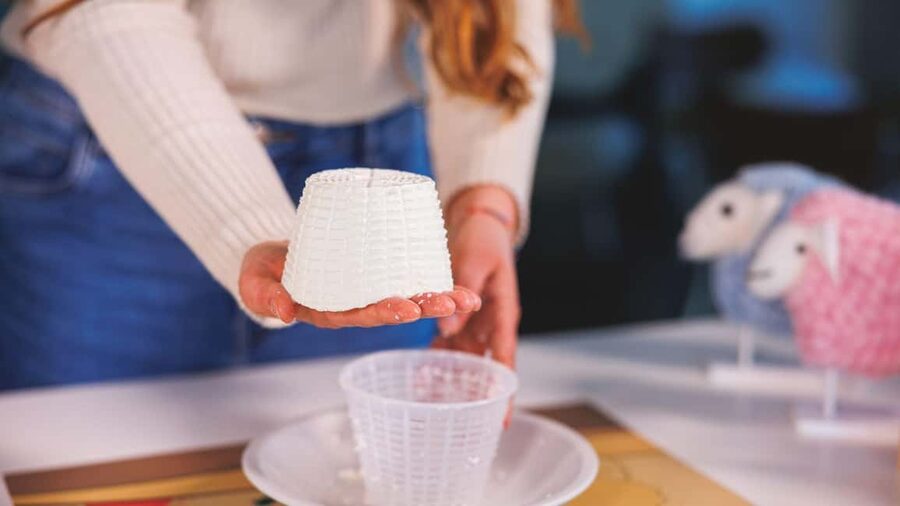
- Hands-on cheesemaking with coagulation, forming, and salting steps you can actually do
- See the full cheese journey, from milk testing through brine salting, aging, and packing
- Guided tasting with wine, plus water for minors or non-wine drinkers
- Visitor kit provided, with clothing and hair protection for the workshop
- Fun for adults and children, with a certificate you can take home
- Value for a short visit: tour + workshop + tasting in one stop near Cagliari
Where the Dolianova cheese story starts
Dolianova is in southern Sardinia, not far from the Cagliari area, and this visit is built around a working dairy farm with decades behind it. The company has been producing sheep and goat cheeses for more than 60 years, so you’re seeing craft that’s been refined, not just staged for tourists.
You’ll meet at the farm store, by a wooden shed on the property. The vibe is direct and functional, like you’re walking into the workplace of cheese people, not an ultra-polished museum. If you’re driving, parking is available outside the factory near the gate, which makes this easier than many city-based tours.
Language is solid: you’ll have an Italian or English-speaking host/greeter, depending on the session. And you should know the group has a minimum size of 10 people, so it’s not an ultra-private experience, but it’s also not something that feels like a bus tour.
The guided factory visit: seeing pecorino and caprino made for real
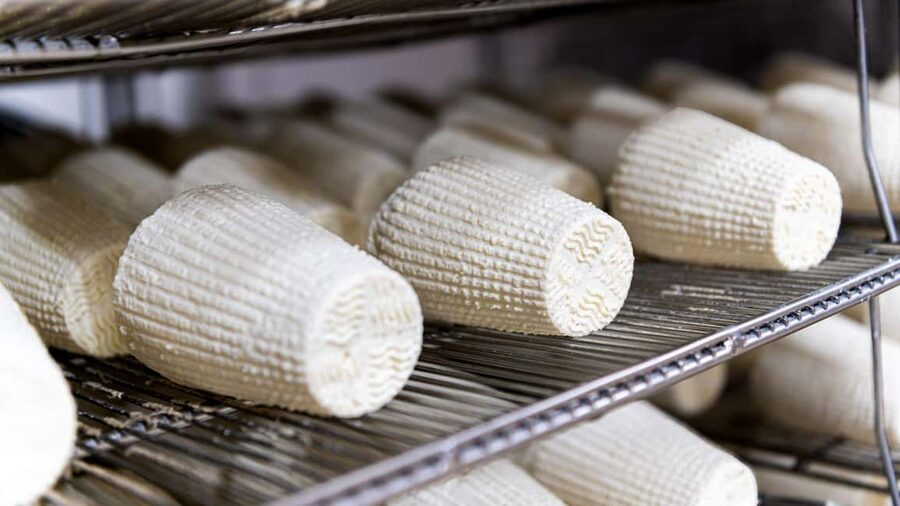
The tour is structured like a step-by-step story, moving through the different phases that shape each cheese’s character. You’ll get a guided journey through the history and secrets of Sardinian cheese production, with a focus on both pecorino (sheep) and caprino (goat).
Here’s what you can expect to watch as you go:
You start with the early stage: milk testing. This matters because it sets what comes next. If you care about cheese at all, pay attention here. It’s where the “how” becomes the “why.”
Next you’ll be walked through different recipes, which is a good reminder that cheese isn’t just one technique. Small changes in method can steer the whole outcome: texture, intensity, and aging behavior.
Then comes one of the most important phases you’ll actually hear about in plain terms: salting in brine tanks. This is more than seasoning. It’s part of the process that helps shape how the cheese ripens. Salting affects flavor development and helps the cheese settle into its aging routine.
After brining, you’ll see aging, which is where patience does the heavy lifting. You’ll also hear how cheese is later prepared, packaged, and shipped. That last piece is quietly useful: it explains how farm traditions meet real-world logistics without losing identity.
What’s the practical value of all that watching?
Cheese tasting is fun, but it’s also easy to get fooled by flavor alone. During this factory visit, you learn what forces flavor to show up. Even if you don’t remember every step, you’ll understand the logic behind what you’re about to taste. That makes the tasting at the end way more meaningful.
The workshop: making cheese with your own hands
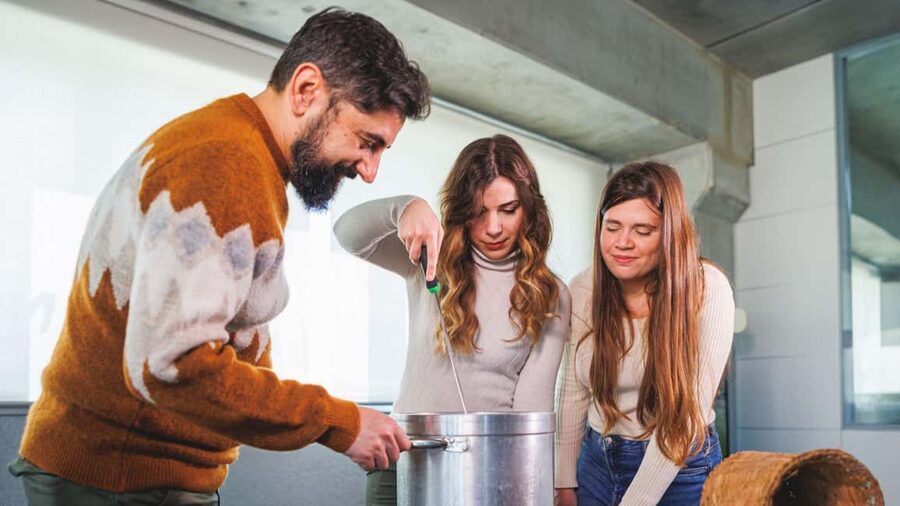
The heart of the experience is the workshop. This isn’t just a demo where you stand back and hope your camera gets focus. You’ll work through the core steps of artisanal cheesemaking, guided by experts.
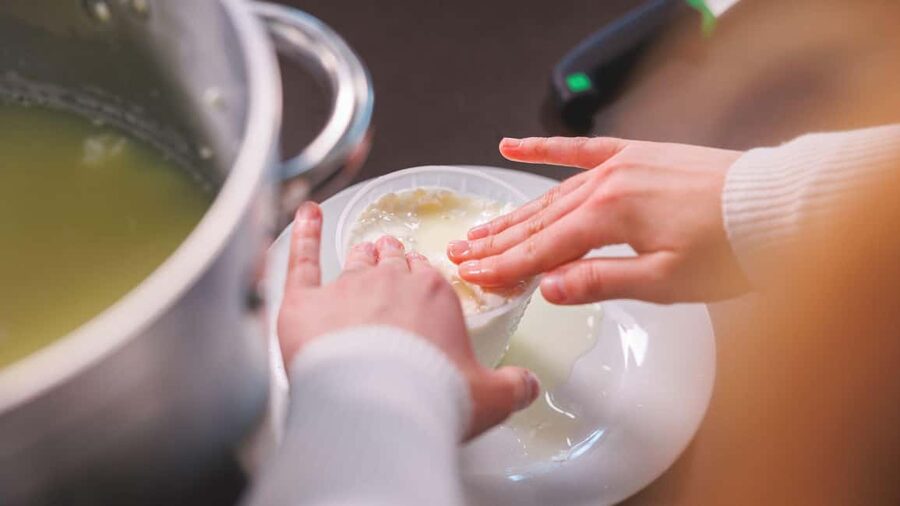
The workshop covers the process from coagulation of milk to forming and salting. Coagulation is the moment you usually only see from the outside, but here you get to understand what’s happening during that transformation. Then you’ll move into shaping and salting, which affects how the cheese firms up and develops.
You also get the chance to create your own cheese and then taste it. If you like souvenirs that actually make sense, this is one: it’s not a fridge magnet version of the trip. It’s a food memory, and the workshop includes the option to take your cheese with you.
A small but smart detail: you get the right gear
You’ll receive a visitor kit with clothing and hair protection for the workshop. That’s not just for cleanliness. It also helps you relax and focus on the process, without wondering if you’re going to mess up your clothes or drip your hair into the work area.
Certificate for the kids, and the grown-ups too
The workshop is described as educational and fun for both adults and children, and you’re handed a certificate as a souvenir. Even if you’re an adult who swears you don’t need paper rewards, it’s a nice touch. It turns the experience into something you can point to later when you’re telling friends what you actually did.
The tasting: 3 to 4 cheeses, and why wine matters here
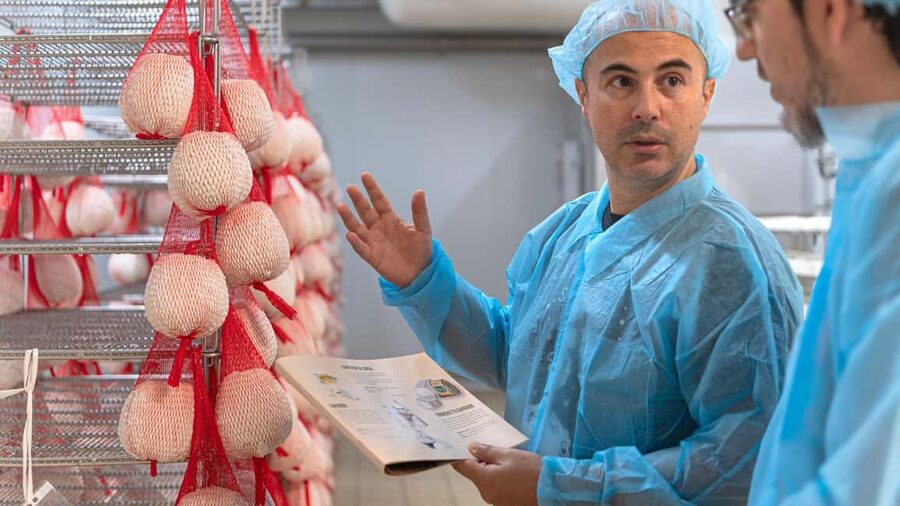
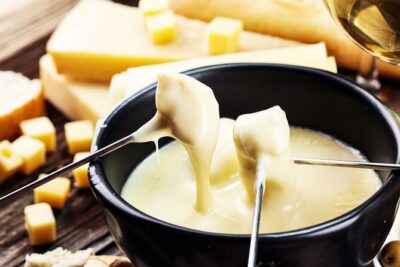
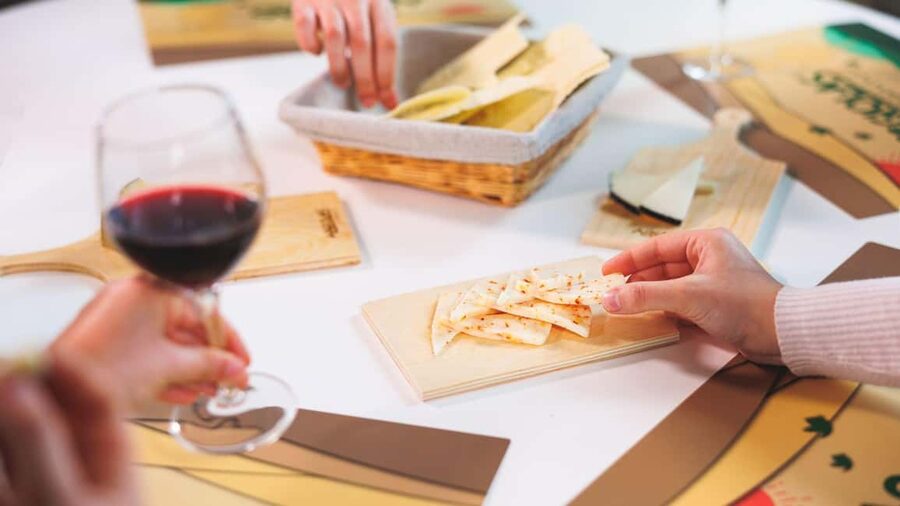
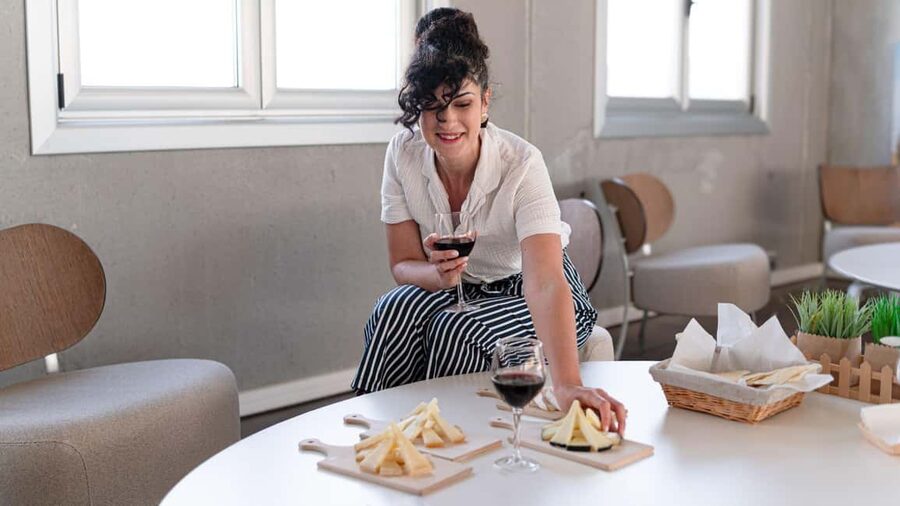
After the workshop, you’ll end with a guided tasting. You can expect three or four of the farm’s most famous cheeses, arranged so you can compare differences without feeling rushed.
Tasting is where your earlier factory observations start paying off. Because you’ve seen the process, you’ll have a better sense of why one cheese might taste stronger, another might feel softer, and another might carry a different balance after brining and aging.
The tasting is accompanied by a glass of local wine. If you drink wine, great. If you don’t, or you’re a minor, the experience provides water. For lactose intolerance, though, there’s no alternative mentioned, so plan accordingly.
How much cheese do you actually get?
One theme from the strong feedback is that the tasting portion feels generous. People talk about there being plenty of cheese on the table, and that they paired it with wine without it feeling like a token sip.
The tasting feels like the finish line, but the real goal is comparison. Try to notice texture and aftertaste. If you can do that, you’ll leave with more than just a good snack. You’ll leave with a better “map” of Sardinian cheese flavors.
Who this is best for (and who should skip it)
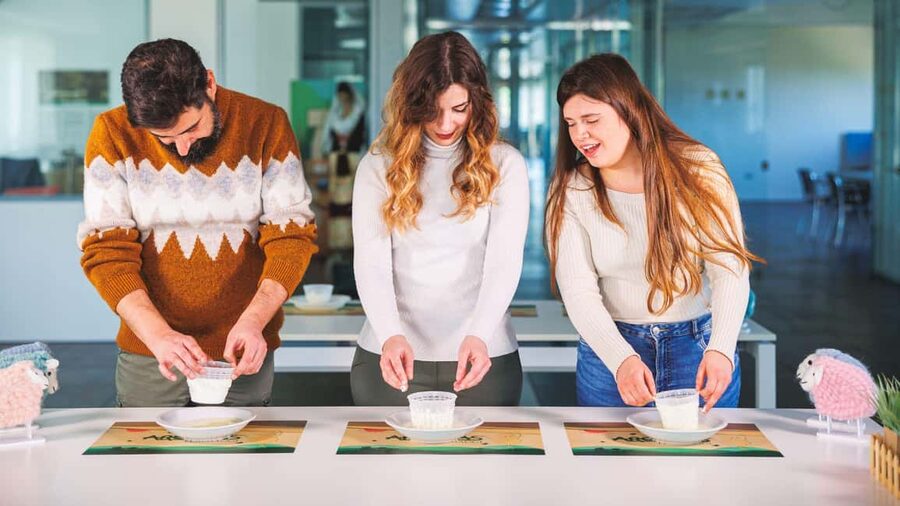
This works best if you like hands-on learning, food craftsmanship, and you’re interested in regional traditions beyond the obvious tourist hits.
You’ll especially enjoy it if:
- you care about how food is made, not just how it tastes
- you want a short activity that packs tour + workshop + tasting into one outing
- you like experiences that feel practical, not overly theatrical
- you’re traveling with kids and want something educational
You might want to skip or reconsider if:
- you have lactose intolerance (no alternatives are offered)
- you need mobility-friendly access (it’s not suitable for people with mobility impairments)
- you expect a purely passive sit-down museum style visit
Also note: pets aren’t allowed, so plan for that if you’re traveling with an animal companion.
Price and value: is $84 a fair deal for 2.5 hours?
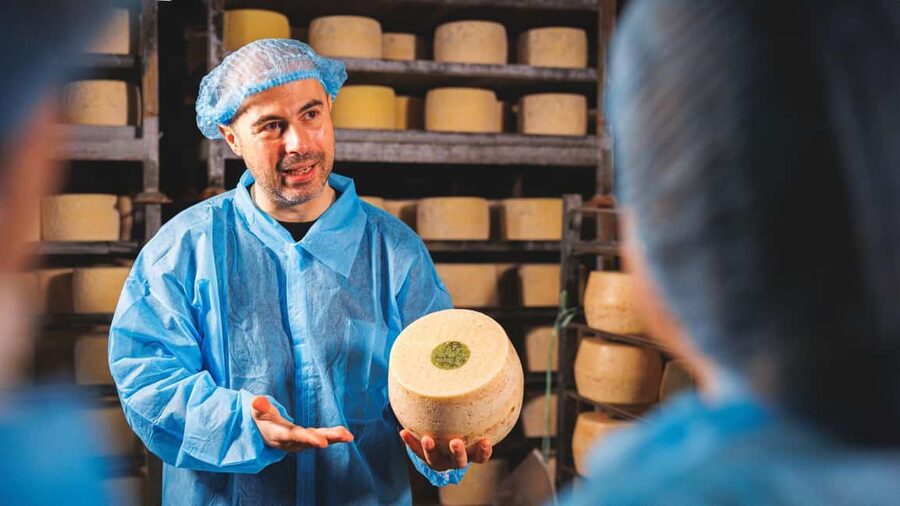
At $84 per person for a 2.5-hour experience, you’re paying for more than a tasting. You’re getting a guided factory visit, a workshop where you can actively make cheese, gear for the workshop, and the end tastings with wine.
Is that a bargain? It depends on what you compare it to. If you’re used to paying for food tastings that mostly feel like you’re standing around, this is usually better value because you do real work and get a real food product. If you hate interactive activities, then the price might feel steep, because the workshop is the main point.
My practical take: if you want to learn Sardinian cheesemaking in a concentrated session, this is priced in a way that makes sense for the included experience. It’s not just “try cheese.” It’s “understand and participate.”
What to know before you arrive
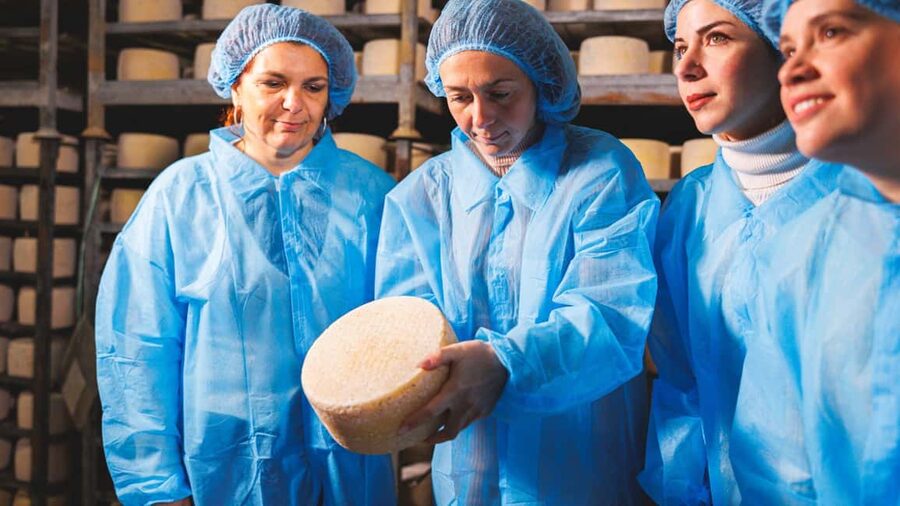
A few details can make your visit smoother.
First, wear clothes that you don’t mind getting food-floor friendly. Even with the provided kit, workshops are hands-on.
Second, plan for a small production-floor feel. The visit includes getting close to real processes and surfaces. It’s not about posing; it’s about watching and learning.
Third, arrive with the right expectations on guidance. The experience is rated highly, but one earlier note mentioned the guide not always matching the explanations the way you’d hope. That doesn’t sound like the norm from the overall feedback, but it’s worth keeping in mind: you’re booking a live teaching situation, not a prerecorded script.
Finally, remember the session runs only if there’s a minimum of 10 people. If your schedule is tight, check your dates so you don’t get stuck waiting on confirmation.
Should you book this Dolianova cheese factory workshop?
Book it if you want a short, food-centered experience that teaches you something real. I’d recommend it to anyone who likes regional craft and wants more than a quick tasting. The strongest parts are the hands-on cheesemaking and the way the tasting becomes more understandable after you’ve seen milk testing, brine salting, aging, packaging, and shipping.
Skip it if lactose intolerance is part of your needs, if mobility access is an issue, or if you want a fully passive experience. In those cases, you’ll likely feel frustrated instead of satisfied.
If you’re staying in southern Sardinia and you want an activity near Cagliari that feels authentic and practical, this is a smart use of time. You’ll leave with cheese knowledge, a certificate souvenir, and at least one tangible food memory from your own hands.
FAQ
How long is the Dolianova cheese factory visit and workshop?
It lasts about 2.5 hours.
How much does it cost per person?
The price is $84 per person.
Where do I meet the guide for the tour?
You meet at the company’s farm store by the wooden shed.
What happens during the cheese workshop?
You join an artisanal cheesemaking session with experts, and you help with steps including coagulation of milk, forming, and salting. You can taste what you make, and there is also an option to take your cheese with you.
Is wine included with the tasting?
Yes. The tasting includes cheese accompanied by a glass of local wine. Water is available for minors or those who do not like wine.
Is there an alternative if I’m lactose intolerant or if I have mobility needs?
The experience states there is no alternatives for lactose intolerance. It is also not suitable for people with mobility impairments.