REVIEW · COLMAR
Visit and tasting of wines and cheese and charcuterie platter
Book on Viator →Operated by Domaine Specht - Vins d'Alsace et activités oenotouristiques · Bookable on Viator
Cellar tours in Alsace hit different. This one is a focused Domaine Specht cellar visit that leads to a wine and cheese tasting cellar pairing, all in about 90 minutes. You start at the pressing hall, walk through stainless steel vats, then step into the historic part with wooden tuns where fermentation and winemaking get explained in plain language.
I love how personal the pacing feels in a small group (up to 15). I also like that you get more than just wine tasting you’re served an assortment of cheeses and charcuterie that works as an easy aperitif or light lunch. One drawback to consider: the time is tight, so you’ll want to be decisive during the tasting and ask questions early.
In This Review
- Key highlights to look for
- Finding Domaine Specht in Mittelwihr for a 90-minute tasting
- Pressing Hall and Stainless Vats: how fermentation fits into the bigger story
- Historic Wooden Tuns: where tradition meets the science of aging
- Tasting Cellar: choose wines and pair them with cheese and charcuterie
- How to make your tasting feel like a mini meal
- The guides and the “ask anything” vibe
- Price and value for a Colmar-area wine-and-food experience
- Who should book this tasting in Alsace
- Should you book this wine, cheese, and charcuterie tasting?
Key highlights to look for
- Pressing hall to stainless vats: see the winemaking process in the spaces where it happens
- Historic wooden tuns: learn why older materials and methods still matter
- Choose what you taste: you can select your wines rather than being locked into one flight
- Cheese and charcuterie platter included: built for pairing, not just snacking
- Guides who answer lots of questions: the vibe is patient and interactive
Finding Domaine Specht in Mittelwihr for a 90-minute tasting
This experience starts at 2 Rue des Églises, 68630 Mittelwihr, France. You finish back at the same spot, so you don’t have to worry about navigating your way out afterward. The whole visit is about 1 hour 30 minutes, which is a sweet spot: long enough to learn what you’re tasting, short enough to fit into a day around Colmar and the Alsace wine towns.
The group stays small, with a maximum of 15 people. That matters more than you might think. In a crowd, wine tours turn into a script. Here, you’re more likely to get your questions answered and get time to compare one wine to the next without feeling rushed.
English is offered, and you’ll receive confirmation when you book. You’ll also use a mobile ticket. And if you’re traveling with a service animal, it’s allowed.
Pressing Hall and Stainless Vats: how fermentation fits into the bigger story
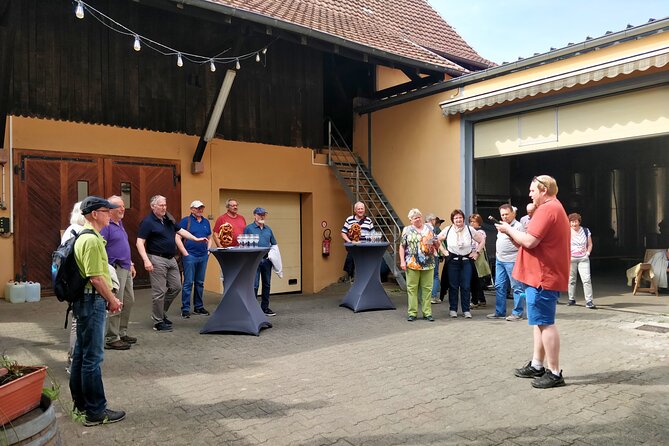
The tour begins with a visit to the pressing hall. This is where juice production starts, and it’s the perfect first stop because it sets up your tasting expectations. When you understand what happens before fermentation, the flavors in the glass feel less like a mystery and more like a cause-and-effect chain.
Next, you move into the middle of the winemaking flow: the area around the stainless steel vats. Stainless tanks are part of why many Alsace wines can be so precise in style. On this stop, you’ll learn more about fermentation and winemaking processes rather than only hearing about finished bottles.
What I like about this staging is that it keeps your brain engaged. Instead of hearing “this is a Riesling,” you hear why the wine exists in the form you’re about to taste. Expect the guide to connect the steps you see (pressing, fermentation, storage) to how the wine will smell and taste.
Historic Wooden Tuns: where tradition meets the science of aging
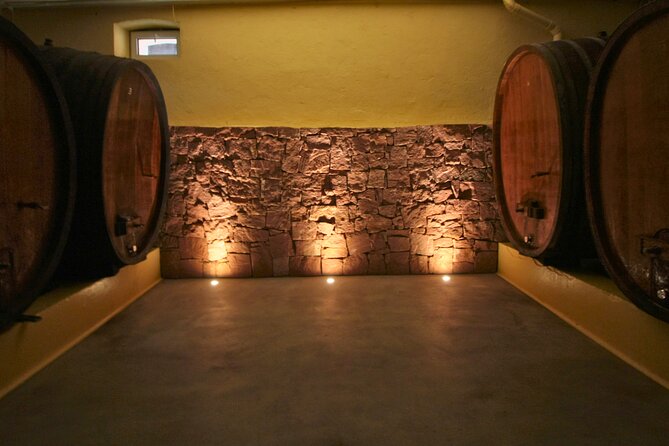
After the stainless phase, you head to the historic part of the cellar with wooden tuns. This stop changes the atmosphere fast. The space feels older, more grounded, and it’s a great contrast to the shiny, modern tanks you saw earlier.
Wooden vessels come with a different set of working habits than stainless. Even without getting overly technical, you’ll understand the idea that fermentation and aging aren’t one-size-fits-all. Material choices can influence how a wine evolves over time, and that’s why guides tend to stress this stage in the process.
This part of the tour is also where the experience becomes more than a walk. You’re there to learn how winemaking choices affect the end result, so when you get to taste, you’ll know what to look for. It’s the sort of explanation that helps you taste with intention, not just with enthusiasm.
Tasting Cellar: choose wines and pair them with cheese and charcuterie
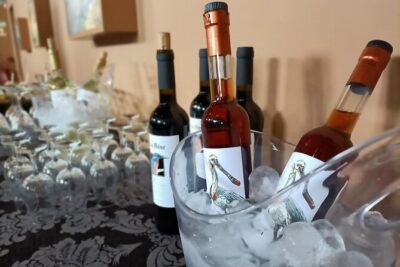
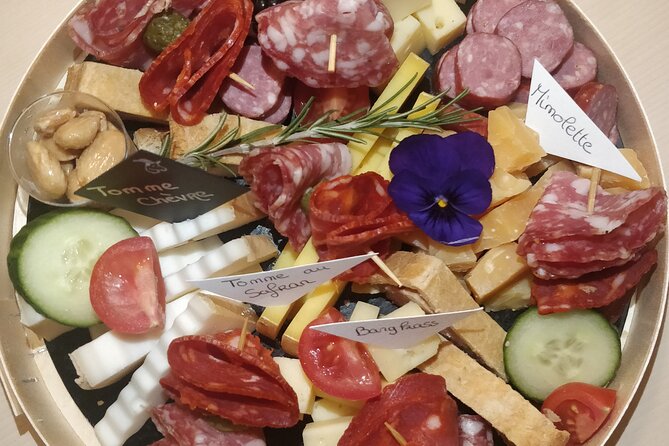
Then comes the part everyone wants: the tasting cellar. You’re invited to taste the best wines from the estate, and the tasting is accompanied by an assortment of cheeses and charcuterie. This is set up like a classic Alsace aperitif, but it’s substantial enough to work as a light lunch too.
The big practical win here is that you don’t have to accept a single forced order. One review-style detail that stands out: you can choose your own tasting. That’s ideal if you have preferences (or if you’re the type who wants to compare styles rather than just tick boxes).
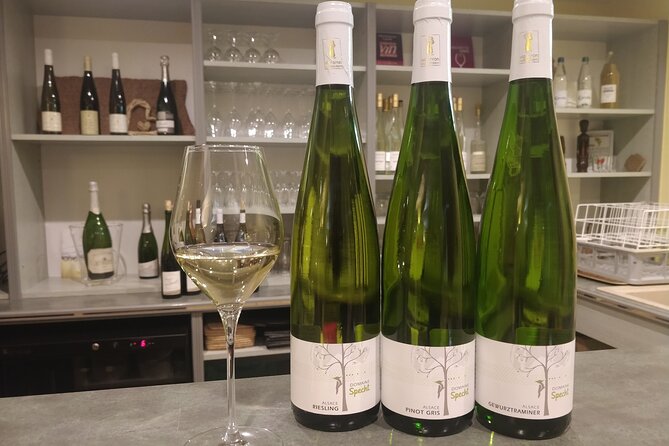
You’ll also taste a range of white varieties. In at least some tastings, people have been able to taste from Riesling through Gewürztraminer, and there’s even mention of Pinot Noir as part of the tasting options. You should expect the exact lineup to vary by what’s available and what the estate is serving that day, but the overall style range is clearly part of the experience.
How to make your tasting feel like a mini meal
Because cheese and charcuterie are part of the deal, you’ll get more out of the tasting if you eat a little like you’re at a table, not like you’re doing a science lab. Start with something simple, then let the next wine find its match.
A few easy moves that work well here:
- Take a bite of cheese or meat first, then sip.
- If a wine tastes too sharp, try it after a mouthful of food.
- If you fall in love with one style, don’t stop there ask your guide what to try next in the same family.
And yes, there’s one more nice detail: people have mentioned being able to go home with a box. If that’s offered during your time slot, it’s a handy perk for sharing or saving.
The guides and the “ask anything” vibe
This tour earns its high marks for one reason that’s hard to fake: the guides set a patient tone. People have highlighted how friendly and informative the guide was, how willing they were to answer questions, and how comfortable the atmosphere felt even when guests asked a lot.
You might meet someone like Herr Specht (mentioned in one account) or a guide identified as Orianne (also mentioned). The names aren’t the point. What matters is that you can slow down, ask about fermentation steps you just saw, and connect the story to the wine in front of you.
For your planning, think of this as a conversation tour, not a lecture. If you enjoy learning by asking why, this style fits you well.
Price and value for a Colmar-area wine-and-food experience
The price is $36.12 per person for about 1 hour 30 minutes, including the cellar visit and the tasting paired with cheeses and charcuterie. For Alsace, that’s the sort of deal that feels fair because you’re paying for access to working spaces plus real guidance, not just a pour at a bar.
Here’s how I judge value in a tour like this:
- You’re getting multiple cellar stops (pressing hall, stainless vats area, historic wooden tuns), which means you’re not repeating yourself.
- The tasting isn’t just wine it comes with a platter that turns the tasting into an actual eating experience.
- The group stays small, which makes the learning more likely to stick.
Also, this activity is often booked about 25 days in advance, which is a quiet clue that slots go quickly in peak periods around Colmar and the wine route. If your travel dates are fixed, booking earlier usually helps you lock in the time you want.
Free cancellation is offered up to 24 hours before the start time, so you’re not totally stuck if plans shift.
Who should book this tasting in Alsace
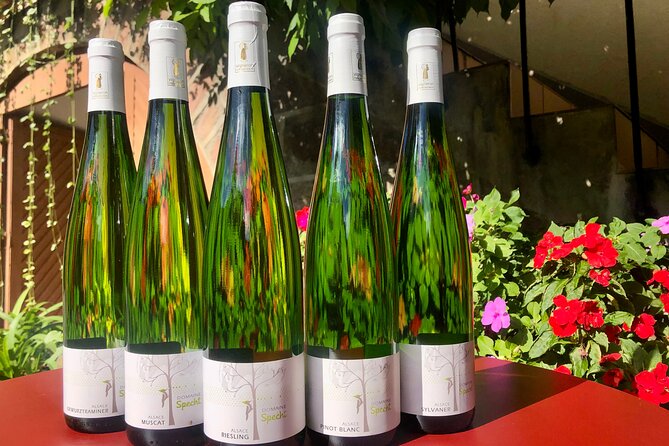
I’d book this if you want a guided experience that stays practical: you see the cellar spaces where winemaking happens, then you taste with food pairing right away. It’s also a strong pick for couples and celebrations. One experience is specifically described as a great way to spend an anniversary, which makes sense because it’s not rushed and it has that “small and personal” feel.
It’s also ideal if:
- you’re new to Alsace wines and want a clear path from process to flavor
- you like structured tastings with room for questions
- you want a satisfying food component without committing to a full restaurant meal
If you’re the type who wants a long, outdoorsy vineyard hike or a multi-stop tour across several producers in one day, this may feel too short. But if your goal is quality time in one cellar, ending with a proper wine-and-platter tasting, it fits nicely.
Should you book this wine, cheese, and charcuterie tasting?
If you’re choosing between a quick tasting room visit and a guided cellar experience, book this. The combination of process-focused cellar stops and a food-paired tasting cellar is exactly what makes it more than a generic flight.
Do it especially if you care about understanding what you’re tasting. The tour format sets you up to connect pressing, fermentation, and storage to the wines you choose at the end. And with a small group, you’re more likely to leave with questions answered and a couple of bottles you actually want to buy.