REVIEW · SORRENTO
Discover Sorrento with food tasting and walking Tour
Book on Viator →Operated by AVI Travel · Bookable on Viator
First time in Sorrento can feel like a maze. This tour helps you get your bearings fast while working your way through the flavors of the Amalfi Coast. I love the small group size (up to 15) because the guide can actually slow down and talk, not just herd everyone along. I also like that you get real food moments, not only photo stops, including a limoncello tasting and cheese-and-bruschetta snacks. One thing to consider: it’s still a walking tour, so if you’re hoping for a long, in-depth farm-only experience, you may feel the time at the lemon stops is shorter than expected.
You meet in the center (Piazza Tasso) at 4:30 pm, then spend the next couple of hours threading through old lanes, stopping for tastings, and learning why lemons matter here. The guides (for example, I saw names like Pepe, Nino, Alessandra, and Roberta) tend to be genuinely proud of Sorrento, and it shows in the way they explain the town’s architecture and food traditions. The one potential drawback is that the balance can lean toward strolling and historic streets as much as it leans toward lemon cultivation details.
In This Review
- Key things I think you’ll notice
- Sorrento at 4:30 pm: why this timing works
- Piazza Tasso to narrow lanes: getting oriented without a lecture
- Via Santa Maria della Pietà and Sorrento’s “small sight” moments
- Villa Fiorentino lemon grove: what you’ll get from the “lemon farm” promise
- Via del Mare: mozzarella and cheese tasting you can actually taste
- Via San Nicola: historical center wandering with purpose
- I Giardini di Cataldo: marmalade, liqueurs, and gelato (artisanal style)
- Limoncello and snacks: what’s included and how to make it work
- How much walking is “moderate” in real life?
- Price and value: is $89.02 worth it?
- Who this tour suits best
- Quick tips before you go
- Should you book Discover Sorrento with food tasting and walking?
- FAQ
- How long is the tour?
- What time does the tour start?
- Where do I meet the guide?
- Is the tour offered in English?
- What’s included in the tastings?
- Do I get to visit a lemon grove or farm?
- Is hotel pickup included?
- How big is the group?
- Do I need good mobility?
- Is there a cancellation refund if plans change?
Key things I think you’ll notice

- Up to 15 people means more personal attention and fewer rushed tastings.
- Limoncello tasting + snack stops keep the tour fun even when you’re just walking.
- Villa Fiorentino is your lemon-grove visit, tying the flavor to how the crop is grown.
- Mozzarella/cheese factory tasting gives you a salty, hands-on break from sweets.
- Giardini di Cataldo mixes liqueurs, marmalade, and gelato with an artisanal focus.
- A 4:30 pm start works nicely for cooler weather and an early-evening feel.
Sorrento at 4:30 pm: why this timing works
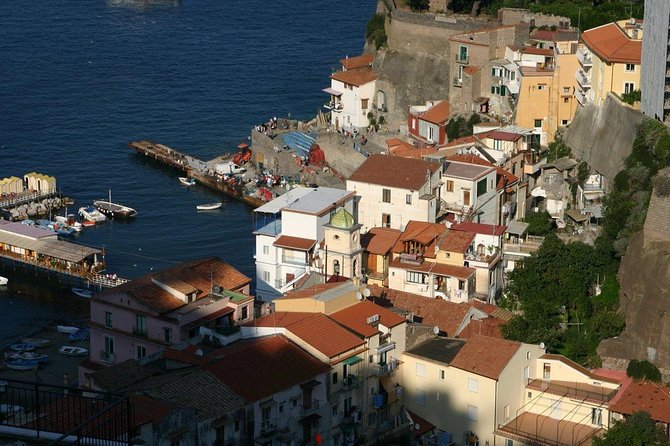
I like the late-afternoon start because you’re not fighting the hottest part of the day. Sorrento’s center around Piazza Tasso is lively, but this schedule gives you time to arrive, get oriented, and still have energy left afterward. If you’re doing one “must-do” activity on your first day, this is a smart candidate because it shows you where things are and why they look the way they do.
Also, two hours moves at a comfortable pace for a walking-and-tasting format. You won’t be stuck on one long sit-down meal, and you won’t feel like you only did errands either. It’s short enough to fit into a normal travel rhythm, but long enough to cover multiple flavors and multiple sides of town.
You can also read our reviews of more tours and experiences in Sorrento.


Piazza Tasso to narrow lanes: getting oriented without a lecture

The tour starts back at Piazza Tasso, Sorrento’s main square. From there, you work your way into the pedestrian core, beginning along Via Santa Maria della Pietà. Even if you’re not a “church person,” this kind of stop matters because it’s usually where the town’s character shows—stone, steps, and small-scale details you’d skip if you were just power-walking to dinner.
Then you continue through narrower streets on foot. That’s where the guide’s value really shows. In this kind of old town, the difference between seeing Sorrento and understanding it is often a matter of noticing: where the lanes bend, how buildings line up, and what kind of architecture repeats. Several guests praised guides for explaining the local connection and taking their time rather than speed-walking.
If you want an easy first-day plan, this opening half hour does a lot of the heavy lifting.
Via Santa Maria della Pietà and Sorrento’s “small sight” moments
Via Santa Maria della Pietà is a short segment, but it sets the tone. This is where Sorrento’s layout becomes clear: the town is built for pedestrians, and the best views are often angled, not frontal. You’ll get a sense of how Sorrento funnels people through the older parts, which helps later when you’re choosing where to wander on your own.
One watch-out: a couple of people felt the tour spent more time than they expected on historic/religious stops. That doesn’t mean it’s a bad tour; it just means your preference matters. If you’re mainly chasing lemon production details, keep in mind that Sorrento’s charm also comes through its historic landmarks.
Villa Fiorentino lemon grove: what you’ll get from the “lemon farm” promise
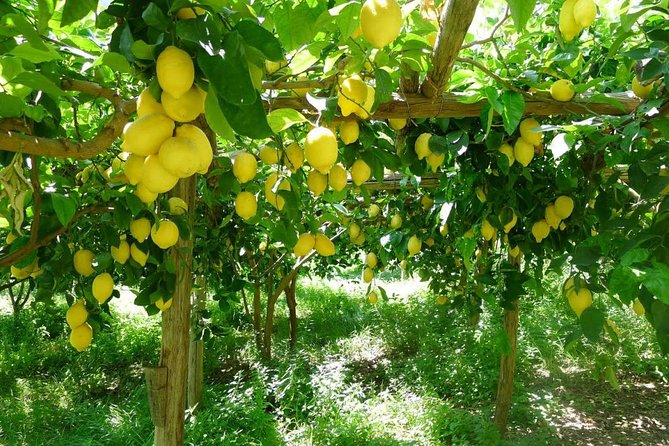
You’ll visit Villa Fiorentino, specifically its lemon grove, and this is the heart of the lemon side of the day. I like this setup because it ties the taste back to place: when lemons are the local identity, you can’t separate the fruit from the culture around it.
That said, be realistic about expectations. Some reviews complained that the visit felt brief. The itinerary component here is a 15-minute stop for the Villa Fiorentino lemon grove, so you’re getting a taste of the story, not a multi-hour agricultural deep dive. If you want only farm machinery, picking techniques, and long-form production tours, you might want to pair this with another activity—or pick a tour that’s explicitly longer and more farm-centered.
Still, for most people, this stop hits a sweet spot: enough time to understand what’s special, plus enough momentum left to enjoy the rest of Sorrento without feeling “stuck in one place.”
Via del Mare: mozzarella and cheese tasting you can actually taste
Next comes Via del Mare, where you stop at a traditional mozzarella and cheese factory for sampling. I love when a walking tour includes dairy because it breaks up the sweet-to-sweet rhythm you can fall into around lemon sweets and liqueurs.
Even though the exact menu isn’t spelled out beyond cheese and bruschetta snacks plus the included tastings, the structure is clear: you’re there to taste local specialties, not just watch someone talk about them. This is also a practical moment. After walking old streets, it’s a nice reset—sit down briefly, taste slowly, and pay attention to flavors that complement lemons and olive oil.
If you’re planning your own food day in Sorrento afterward, this tasting can help you figure out what you actually like. People who end up ordering the same flavors again usually started with something like this.



Via San Nicola: historical center wandering with purpose
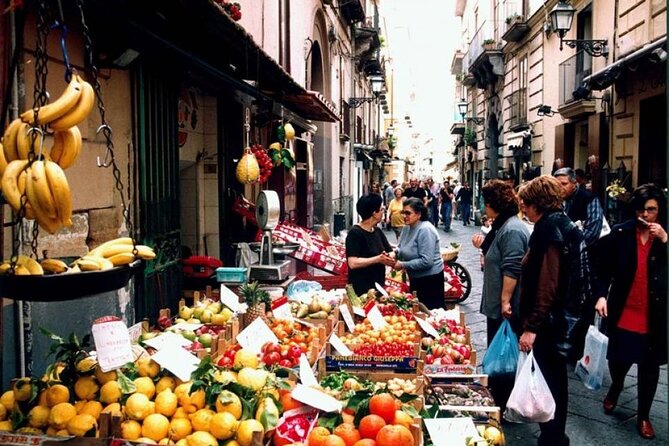
You’ll then walk through Via San Nicola, which is your historical-center stroll. This is the part of the tour that helps you slow down enough to notice Sorrento’s details. It’s not only about food; it’s about the feel of the town—courtyards, stone textures, and the way the old core keeps pulling you back in.
One more reason this matters: once you’ve walked it with a guide, you’re less likely to wander in circles later. You’ll also get a clearer mental map for evening plans, since Sorrento can feel compact but confusing if you only visit it quickly.
I Giardini di Cataldo: marmalade, liqueurs, and gelato (artisanal style)
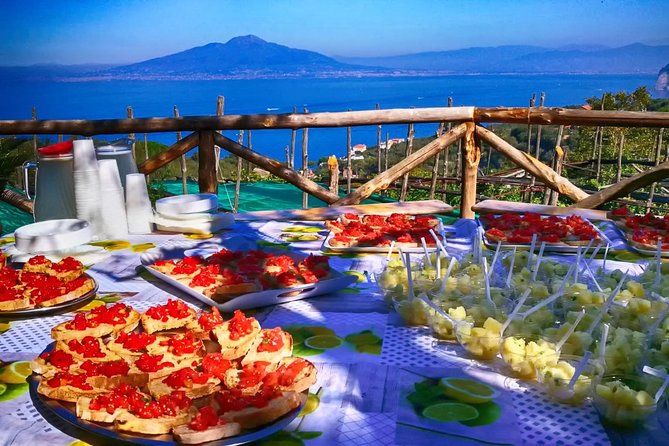
The stop at I Giardini di Cataldo is where the tour shifts from “ingredients” to “finished goods.” Here, you’re in a garden devoted to the production of liqueurs, marmalade, and gelato using artisanal techniques. You’re not just tasting; you’re seeing how the town turns lemons (and related flavors) into things you’ll recognize later in shops.
A lot of the best walking tours do one clever thing: they connect a taste to an image. Cataldo’s setting gives you that. You’ll likely remember the flavors more because you’re placing them in a specific, sensory environment—garden atmosphere, small-production craft focus, and product variety all in one stop.
Also, this is an excellent spot for anyone who doesn’t want only “one flavor” on repeat. Limoncello lovers will still be happy, but you’ll also see how marmalade and gelato fit into the bigger picture.
Limoncello and snacks: what’s included and how to make it work
Included in the experience is a limoncello tasting (alcoholic beverages) and snacks like cheese and bruschetta, plus a local guide. The tastings are what make this tour more than a scenic walk. They also help you avoid the common mistake of arriving in Sorrento hungry and spending your first evening guessing what to order.
A practical way to enjoy it: go in with a light appetite. You’re eating small bites, not doing a full dinner, but you are tasting multiple local specialties across the route. If you’re the type who hates being rushed, this tour’s smaller group structure tends to help. Several guests praised guides for not dragging the group forward and for letting people take their time.
And yes, alcohol is part of the plan. If you’re sensitive to it, pace yourself and sip slowly during the limoncello moment.
How much walking is “moderate” in real life?
The tour lists a requirement of moderate physical fitness, and the route includes multiple walking segments between central streets and several short stops. Based on the structure and timing, you’re not doing a long hike, but you are spending a good chunk of two hours on your feet.
This is why the small group matters. In a bigger group, slow walkers get stressed and everyone else gets impatient. With up to 15, it’s easier for the guide to maintain a steady, human pace.
If you’re traveling with teens or older parents, this could still work—just choose the option with realistic expectations. You’ll want comfy shoes, and you’ll want to be okay with “stroll + snack breaks,” not “bus + one big farm.”
Price and value: is $89.02 worth it?
At $89.02 per person for about two hours, you’re paying for three things: the guide, the food/drink tastings, and the access to multiple specialized stops in a short window. If you were to do this on your own, you’d spend time tracking down reliable places for mozzarella, liqueur/gift-production tastings, and lemon-focused stops. The tour compresses that into one route with an organized flow.
Is it a bargain? Not exactly, but it’s also not overpriced for what’s included. The best value shows up when you actually like both sides of the experience: (1) walking a historic core with context, and (2) sampling local specialties without building the plan yourself.
If you only want a long lemon farming session, you may feel the value is lower because the lemon grove component is time-limited and the tour also includes traditional food stops and historic streets.
Who this tour suits best
This is a great fit if:
- You want an easy first-day orientation in Sorrento.
- You enjoy tasting local products like cheese and limoncello.
- You like guides who explain how places connect to food and town life (names like Pepe, Nino, Alessandra, and Roberta came up in feedback, and the common thread was enthusiasm).
- You’re traveling with a small group or as a couple and prefer fewer people around you.
It might be less perfect if:
- You want a long, deep production tour of a lemon farm only.
- You dislike walking old streets for the majority of your time.
- You’re extremely strict about avoiding any historic/landmark stops.
Quick tips before you go
- Wear comfortable shoes. Two hours in Sorrento’s streets adds up.
- Bring a light jacket if you run cold in the evening air.
- If you’re doing dinner plans afterward, remember this includes tastings and an alcoholic beverage, so go easy on a huge meal right away.
- If you’re coming by public transport, the tour is listed as near public transportation, which helps.
Should you book Discover Sorrento with food tasting and walking?
I’d book it if you want a guided way to connect Sorrento’s streets with what you eat and drink there. The pairing of old-town walking with structured tastings is the core value. The small group size and the chance to learn from guides who genuinely care about the town are the difference-makers.
Skip it—or at least adjust your expectations—if your main goal is a long lemon-farm production lesson. The lemon grove stop exists, but the tour is also clearly built to show you the town and feed you along the route.
If you’re flexible, hungry in the right way, and happy to walk a bit, this is the kind of experience that turns Sorrento from a postcard stop into a place you actually understand.
FAQ
How long is the tour?
It runs for about 2 hours.
What time does the tour start?
The start time is 4:30 pm.
Where do I meet the guide?
Meet at Piazza Tasso, 80067 Sorrento, Metropolitan City of Naples, Italy.
Is the tour offered in English?
Yes, it’s offered in English.
What’s included in the tastings?
You get limoncello tasting (alcoholic beverages) and snacks such as cheese and bruschetta, plus a local guide.
Do I get to visit a lemon grove or farm?
The route includes a visit to Villa Fiorentino, where you’ll see its lemon grove.
Is hotel pickup included?
No, hotel pickup and drop-off are not included.
How big is the group?
There’s a maximum of 15 travelers.
Do I need good mobility?
The tour asks for moderate physical fitness level, since it involves walking.
Is there a cancellation refund if plans change?
Yes, there is free cancellation if you cancel at least 24 hours before the experience start time for a full refund. The tour can also be canceled if weather isn’t good, with a different date or full refund offered.