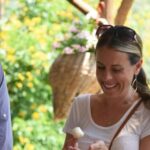
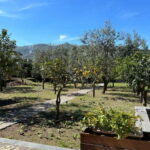
Somehow, pizza tastes better after you make the cheese. This hands-on, family-run farm class in Sorrento pairs a walk through lemon orchards and olive groves with working side-by-side to shape fresh mozzarella, ricotta, and caciotta, then bake a Margherita in a wood-fired oven. I love that it’s practical (knead dough, stretch cheese, see real steps), and I love the big payoff of those farm views plus tree-fresh fruit and the chance to taste olive oil the way it’s meant to be tasted. The one thing to consider is that this experience is weather-dependent, so plan a little flexibility around that morning.
You’ll start at Buyourtour di Amo Italy Travel’s meeting point on Via Luigi de Maio at 10:00am, with pickup available. The whole thing runs about 3 hours, and it’s offered in English, so you can focus on the process rather than translating your way through Italian food.
In This Review
- Key Highlights You’ll Actually Care About
- A 10:00am Start on a Real Family Farm Near Sorrento
- Lemon Orchards and Tree-Fresh Lemonade
- Olive Groves, Cold-Pressed Olive Oil, and Why It Matters
- Cheesemaking in Action: Mozzarella, Ricotta, and Caciotta
- Margherita Pizza from Scratch, Wood-Fired Style
- What You’ll Eat (and Why the Menu Is Smarter Than It Sounds)
- Price and Time: Is $154.88 Worth It?
- Weather, Groups, and What to Plan for That Morning
- Who This Works Best For (and Who Might Skip It)
- Should You Book This Farm-to-Table Class in Sorrento?
- FAQ
- FAQ
- How long is the Farm-to-Table Pizza and Cheese-Making class?
- What time does the tour start in Sorrento?
- Is pickup available?
- Is there a mobile ticket?
- What language is the experience offered in?
- What location do I meet at?
- Is there a maximum number of travelers?
- Is there a minimum group size during December?
- Is cancellation free?
Key Highlights You’ll Actually Care About
- Tree-fresh lemon time: you’ll learn how lemon lemonade is made from lemons picked right there
- Cold-pressed olive oil tasting: you’ll sample organic extra virgin olive oil from nearby groves
- Hands-on cheesemaking: fresh mozzarella, creamy ricotta, and delicate caciotta, made the traditional way
- Real wood-fired oven pizza: you knead dough, choose farm ingredients, and bake your Margherita
- A family-style host experience: guides like Mario, plus warm, welcoming hosts, make it feel personal
- Great views, not just food: farm scenery is a repeat theme in the best reviews
A 10:00am Start on a Real Family Farm Near Sorrento
This is the kind of tour that changes how you think about ingredients. Instead of arriving hungry and just watching, you get a morning workflow: look, smell, taste, then do. It starts at 10:00am at Buyourtour (Via Luigi de Maio, 26, 80067 Sorrento NA), and you can often reduce hassle with pickup offered. That matters because Sorrento traffic and parking can turn a simple morning into a puzzle.
The tour is about 3 hours, which is a sweet spot. Long enough to learn real technique, short enough that you can still enjoy Sorrento afterward—shopping, strolling, and a late lunch with your brain still in food mode.
The group size is capped (up to 100 travelers), but what really stands out from reviews is that when groups are small enough, the class can feel private. If you’re booking with friends or you’re traveling in a larger group, you may get that warmer, more personal pace.
You can also read our reviews of more tours and experiences in Sorrento.
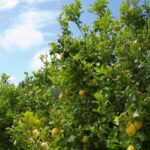
Lemon Orchards and Tree-Fresh Lemonade
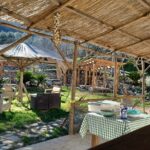
The day begins in the lemon orchards, where the focus is on simple but crucial Italian logic: start with what grows best where you are. You’ll stroll through fragrant rows and learn how to make fresh lemonade using lemons taken straight from the tree.
Why I like this part for your trip: it’s not a generic photo stop. Lemon growing is tied to the whole Campania flavor profile—bright, crisp, and clean. And once you squeeze or taste something that’s truly fresh, you start noticing why Italian dishes often use acidity so carefully.
Also, you don’t just hear about lemons. Reviews highlight eating fruit straight from the tree, which is exactly the kind of small moment that makes the whole tour feel like a living farm routine rather than a staged activity.
Practical note: wear shoes you don’t mind getting a little dusty and keep water handy. Even a short orchard walk can be sun-heavy in southern Italy.
Olive Groves, Cold-Pressed Olive Oil, and Why It Matters
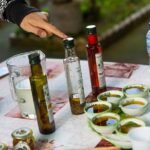
Next comes the olive groves, and this is where the tour becomes more than cooking class theatre. You’ll taste organic extra virgin olive oil that’s cold-pressed. That detail isn’t just marketing language. Cold pressing is one reason olive oil can taste fresher and more fragrant, instead of muted.
This is also where you learn to think like a cook. Good olive oil isn’t only about flavor—it’s about balance. In a Margherita pizza, for example, you want olive oil to support the tomatoes and mozzarella instead of taking over.
If you’re the type who likes to bring something home, this part often pays off because you’ll know what to look for when you shop. You’ll taste something that comes from the land around you, not a bottle that’s been sitting in a warehouse for months.
Cheesemaking in Action: Mozzarella, Ricotta, and Caciotta
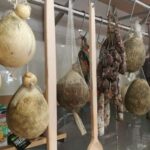
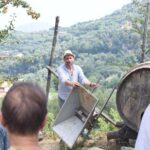
Now for the part everyone remembers: cheesemaking. You’ll witness and then participate in making fresh mozzarella, creamy ricotta, and caciotta using traditional methods.
Let’s be honest—cheese classes can either be hands-on or more like watching a demo with a few minutes of participation. Here, the vibe is clearly hands-on. Reviews specifically call out making cheese and then making pizza, with hosts who guided the process in a welcoming way.
Two big reasons this is valuable for you:
- You’ll understand what fresh cheese actually feels like—texture, warmth, timing.
- You’ll get a real respect for how ingredient handling changes the result.
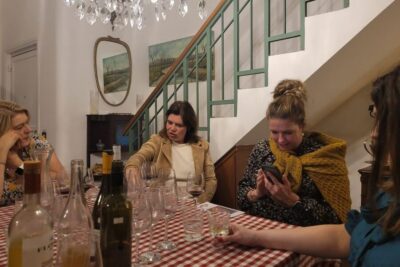
The tour is family-run, and that shows in the tone: warm welcomes, patient guidance, and an experience that feels like you got invited into a working routine rather than pulled through a script. One review mentions Mario by name as the guide and host, and that kind of personal attention makes a huge difference when you’re doing something fiddly like shaping or timing cheese.
Margherita Pizza from Scratch, Wood-Fired Style
After cheese comes pizza, and this step is where the whole farm-to-table idea clicks. You’ll learn how to make a classic Margherita pizza from scratch—knead your own dough, select fresh farm ingredients, and bake it to perfection.
The wood-fired oven is a key detail. Pizza baked in a wood-fired oven cooks fast and gives you that kind of heat-driven contrast—bubbles and browning that you can’t easily replicate at home. You’ll likely feel the speed of it as you wait for your pizza to hit the right stage.
Why you should care: Margherita is simple on paper, so it reveals skill. If the dough is right, if the ingredients are fresh, and if the oven temperature is correct, everything tastes like Italy. If anything is off, the pizza shows it.
Reviews also mention that the experience is a “great way to spend a few hours” and that the cheese-to-pizza sequence made it feel like a journey, not separate activities. That’s exactly how this one is designed: you’re not just learning recipes—you’re learning a chain.
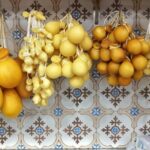

What You’ll Eat (and Why the Menu Is Smarter Than It Sounds)
The sample menu is straightforward, but the sequencing is smart.
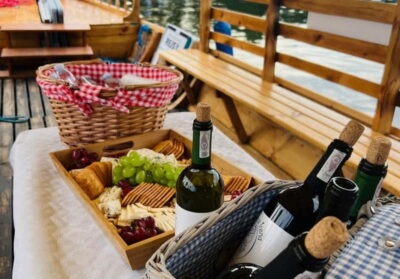
- Starter: handmade mozzarella and artisanal Italian cheese
- Main: traditional pizza Margherita
This matters because it sets expectations. You’re not sitting through an endless tasting menu. You eat the fruits of your labor in the order that builds understanding: cheese first, pizza second.
And you’ll likely have plenty of flavor from the earlier stops too—lemon lemonade and olive oil tasting. Those aren’t filler. They explain why Italian food works: acidity from citrus, richness from olive oil, and dairy freshness that makes everything feel lighter.
If you tend to do food tours that end with bread and a bland cookie, this one is different. It’s built around making components you can actually connect to the final meal.
Price and Time: Is $154.88 Worth It?
At $154.88 per person for about 3 hours, you’re paying for more than instruction. You’re paying for:
- access to a family-run working farm setting
- hands-on cheesemaking materials and instruction
- hands-on pizza dough and wood-fired baking
- tasting experiences like lemon lemonade and organic extra virgin olive oil
Value depends on how you like to travel. If you enjoy sitting in a classroom and learning about food history through slides, this probably won’t be your favorite use of money. But if you like doing things—kneading dough, handling cheese, tasting ingredients on-site—this feels like a fair trade.
It’s also worth noting the experience cap (max 100 travelers) and the real “host attention” described in reviews. A cooking class can be overpriced when it’s rushed or crowded. Here, reviews highlight that the family is welcoming and that guides like Mario are a big part of the quality.
Weather, Groups, and What to Plan for That Morning
This is one of those tours where good weather matters. If conditions are poor, the experience can be canceled and you’ll be offered another date or a full refund. That’s important because you’ll be spending time outdoors in lemon orchards and olive groves before you cook.
Group size can shape your experience too. The tour allows up to 100 travelers, but the mood in reviews suggests that when groups are smaller, you can get a more private feel. That’s a plus if you want more interaction rather than just following along.
Timing is also practical. Starting at 10:00am means you’re done early enough to keep your day flexible. If you’re also planning Sorrento shopping, you’ll probably be able to fit it in after the tour. Reviews mention that Sorrento itself is beautiful and great for shopping, so this can be a smart morning anchor.
Who This Works Best For (and Who Might Skip It)
This tour is a strong fit if you:
- want hands-on cooking, not just food tasting
- love dairy and want to understand mozzarella and ricotta beyond supermarket packaging
- enjoy farm experiences—especially when you can walk through lemon and olive areas
- like meeting warm local hosts and getting guided technique
You might consider skipping if you:
- hate outdoor walking, even short orchard and grove strolls
- prefer purely urban sightseeing and don’t want a rural morning
- expect a long, multi-course meal (this is focused on cheesemaking and pizza)
Also, if you’re traveling with kids, it could be fun because there’s active participation. But the tour details we have don’t specify age guidance, so you’ll want to check before booking.
Should You Book This Farm-to-Table Class in Sorrento?
If you’re choosing between a quick pizza stop and a real workshop, I’d book this. The best part is the logic of the day: lemons and olive oil lead into cheese, and cheese leads into pizza. That makes the learning stick, and it makes the meal feel earned.
I’d especially recommend it if fresh ingredients and hands-on work are your travel sweet spot. Reviews highlight breathtaking farm views, a welcoming family, and a guide host named Mario who made the time enjoyable. That combination—setting, hosting, and doing the cooking—usually gets rare agreement in food tours, and this one seems to deliver that.
If you’re short on time or have uncertain weather, aim for flexibility. The tour depends on good conditions for the outdoor farm portion, and you’ll get the most out of it when the morning is bright.
FAQ
FAQ
How long is the Farm-to-Table Pizza and Cheese-Making class?
It runs for about 3 hours.
What time does the tour start in Sorrento?
The start time is 10:00am.
Is pickup available?
Yes, pickup is offered.
Is there a mobile ticket?
Yes, the tour includes a mobile ticket.
What language is the experience offered in?
The class is offered in English.
What location do I meet at?
The start meeting point is Buyourtour, Via Luigi de Maio, 26, 80067 Sorrento NA, Italy.
Is there a maximum number of travelers?
Yes, the experience has a maximum of 100 travelers.
Is there a minimum group size during December?
From 01st December to 22nd December, a minimum of 4 people is required.
Is cancellation free?
Yes. You can cancel for free up to 24 hours in advance for a full refund, and the experience requires good weather.