REVIEW · CRETE
From Chania: Olive Oil, Wine, Cheese & Honey Tasting Tour
Book on GetYourGuide →Operated by TourMaster · Bookable on GetYourGuide
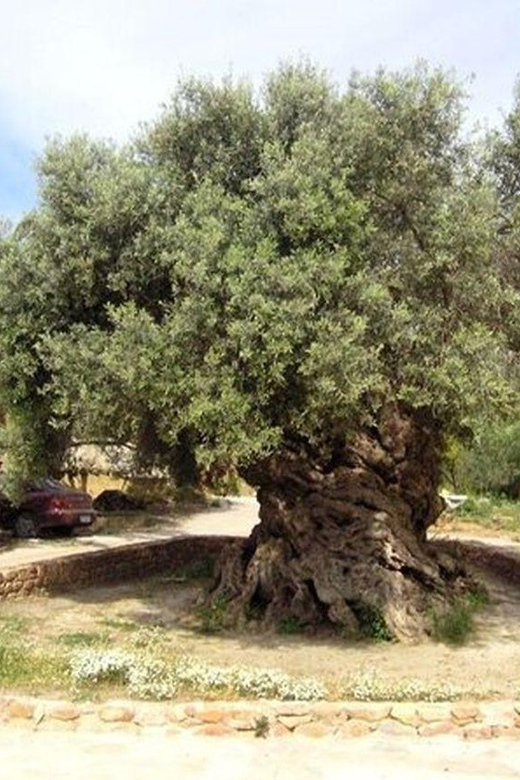
Crete tastes better when it comes with stories. This day tour is built around ancient agriculture, from the 3,000–5,000-year-old Olive Tree of Vouves to the flavors that grew up around it. I love that the day doesn’t just end at tasting; you also get the “how it’s made” moments that make every bite make sense.
The second big win for me is the sheer variety of stops: honey and olive oil production, plus cheese and a winery. The one downside to plan for is the group logistics. With lots of hotel pickup and drop-off points in the Chania area, you may spend more time on the road than you’d like, especially near the ends of the day.
Key highlights you’ll actually notice
- Olive Tree of Vouves (30 minutes): an ancient, sculptural icon tied to Crete’s olive culture
- Family-run bakery tasting: rusks, bread, and savory pastries you can take home
- Multi-award cheese factory stop: cheese tasting with a look at production if timing lines up
- Honey-making experience: bees, hives, extraction, and bottling plus an olive grove walk
- Olive oil production visit: from harvesting to pressing and finishing the final product
- Pnevmatikakis Winery: tasting around 20 wine varieties, often with raki in the mix
In This Review
- Olive Tree of Vouves: The 3,000–5,000-Year-Old Start
- The Family Bakery Stop: Rusks, Bread, and Savory Pastries
- Cheese Factory Time: Where Pairing Makes Sense
- Honey, Bees, and the Olive Grove-to-Oil Chain
- Pnevmatikakis Winery: 20 Wines, Plus Raki and Pairing
- Price and Logistics: What Your $49 Buys (and What It Costs You)
- A Smart Tasting Plan: Don’t Leave Full and Sorry
- Who Should Book This Cretan Food Tour
- Should You Book This Olive Oil, Wine, Cheese & Honey Tour?
- FAQ
- How long is the From Chania: Olive Oil, Wine, Cheese & Honey Tasting Tour?
- What does the tour include for tastings?
- Where do you get picked up and dropped off?
- What’s the highlight at the first stop?
- Is the tour suitable for children?
- What should I bring?
Olive Tree of Vouves: The 3,000–5,000-Year-Old Start
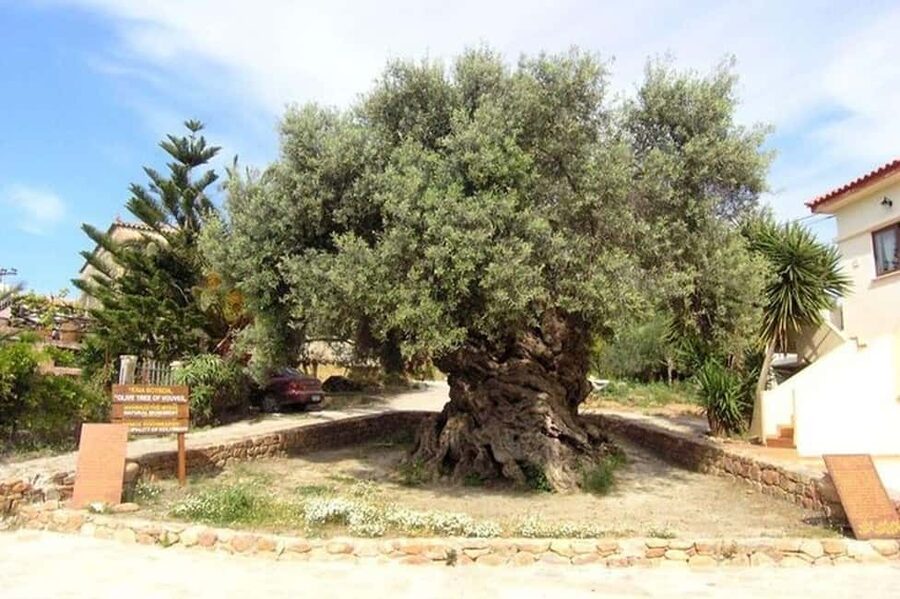
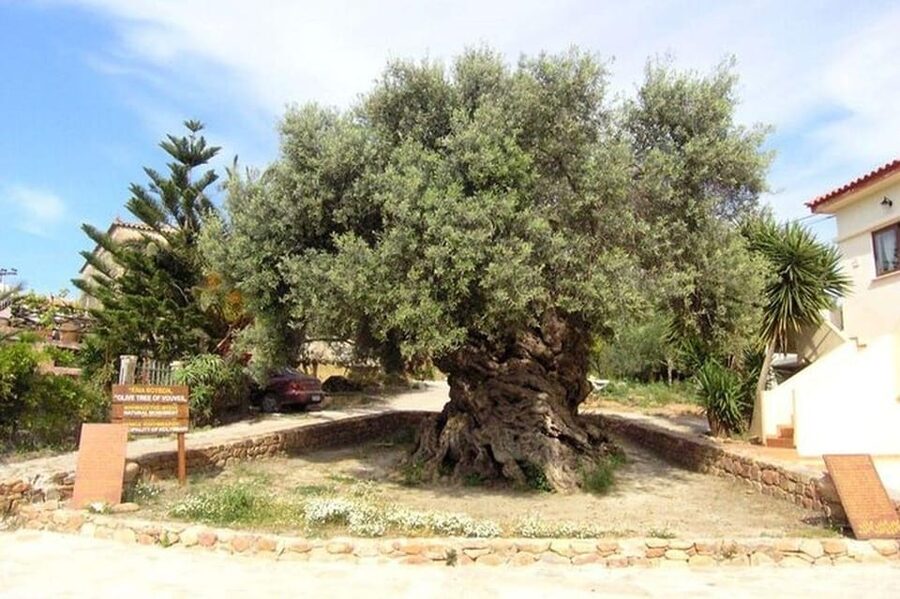
The day begins with a stop that’s hard to beat for sheer perspective. You’ll head to Ano Vouves and spend time at the ancient Olive Tree of Vouves, estimated to be between 3,000 and 5,000 years old. Even if you’re not into botany, this tree gives you a real sense of time. The trunk looks like it belongs in a museum, but it’s right there in the open, still part of living agriculture.
This first visit also sets up the rest of the day well. When you later taste olive oil, honey, cheese, and wine, you’ll understand that these aren’t random souvenirs. They’re part of a system: land, work, seasons, and craft passed down through generations.
One practical note: you get about 30 minutes at the site. If you want to linger for photos and a slower look around, arrive ready with water and don’t count on extra time.
The Family Bakery Stop: Rusks, Bread, and Savory Pastries
Next comes something you’ll feel right away. At a family-run bakery, you taste traditional Cretan baked goods such as rusks, fresh bread, and savory pastries. This is one of the most human stops on the tour because it’s simple: you smell warm bread, you taste, you ask questions, and you can buy items if you want to take them home.
I like this stop because it balances the day. Before the heavier tasting (cheese, wine), the bakery gives you a sturdy baseline. Rusks in particular work well for travel—crisp, practical, and very Cretan in spirit.
If you’re thinking of purchases, here’s a strategy: plan to buy only what you’ll use soon. The tour includes tasting, so you won’t feel pressure to load up. Also, if you’re sensitive to timing, try a few items first, then decide. Bakery lines are not mentioned, but it can still get busy with a group.
You can also read our reviews of more tours and experiences in Crete.
Cheese Factory Time: Where Pairing Makes Sense
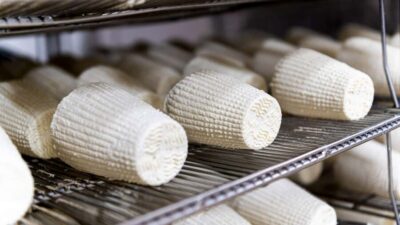
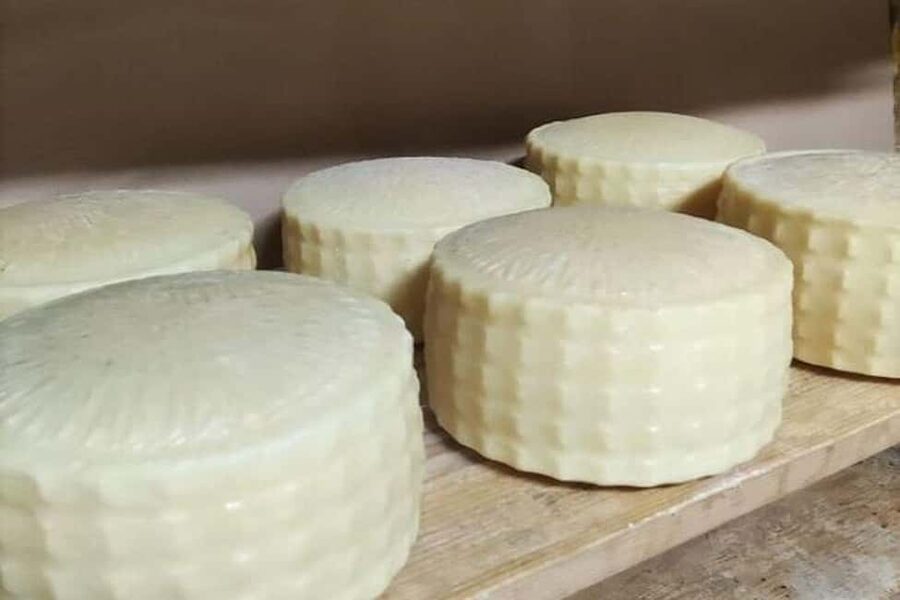
After the bakery, the day shifts into dairy craft at a multi-award-winning cheese factory. Depending on the season, you might see cheese-making in action. If not, your guide explains each step so you still leave with more than just a sample plate.
The cheese stop matters because it connects the dots between place and product. Crete’s cheese culture isn’t one flavor. It’s types, textures, and aging styles tied to local milk and tradition. When you taste, pay attention to how the cheese works with the other items on the tour—especially olive oil and honey. You may not get the same pairings twice, so it helps to taste with intention the first time.
A small realism check: if your group is large, some people find it harder to hear details at louder stops. If that’s you, stand where you can hear the guide, not where it’s easiest to photograph.
Honey, Bees, and the Olive Grove-to-Oil Chain
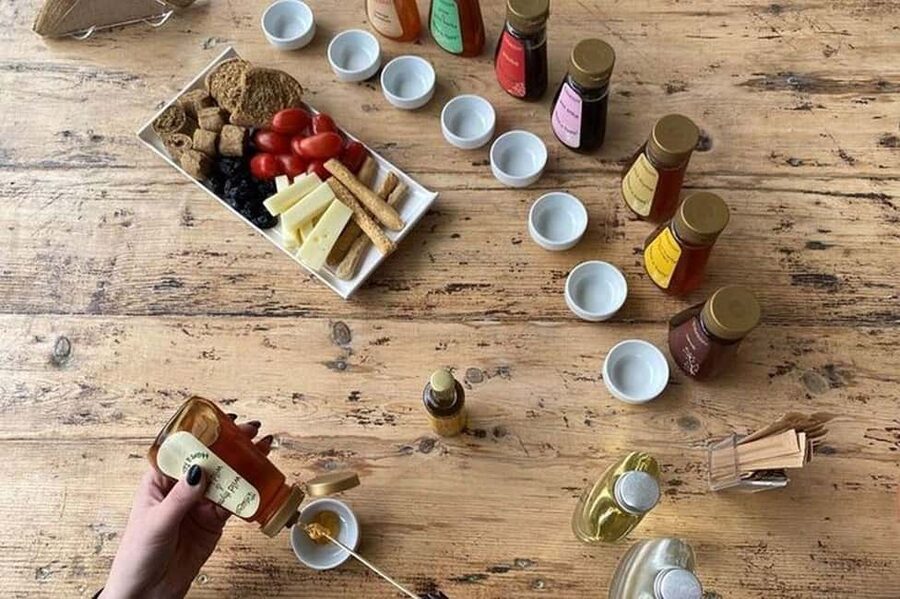
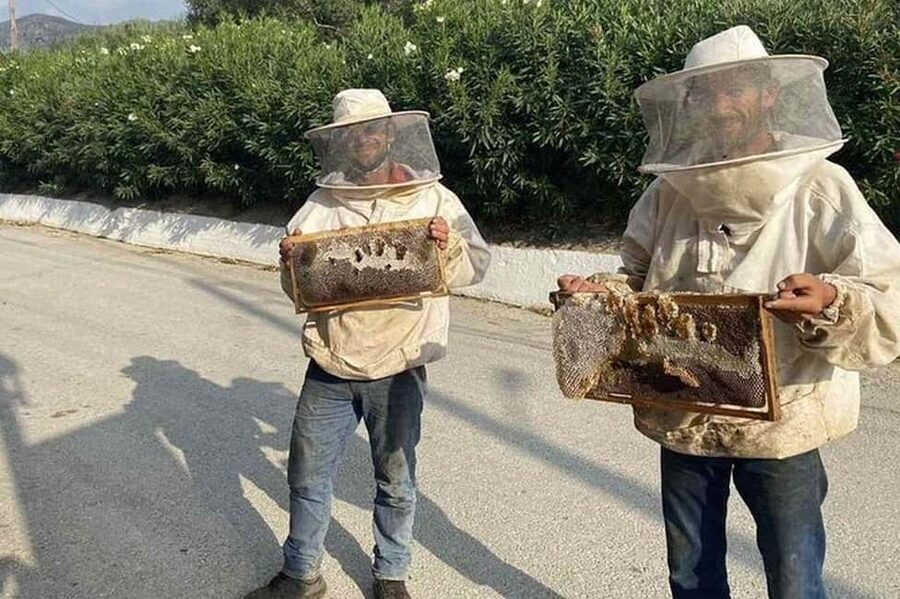
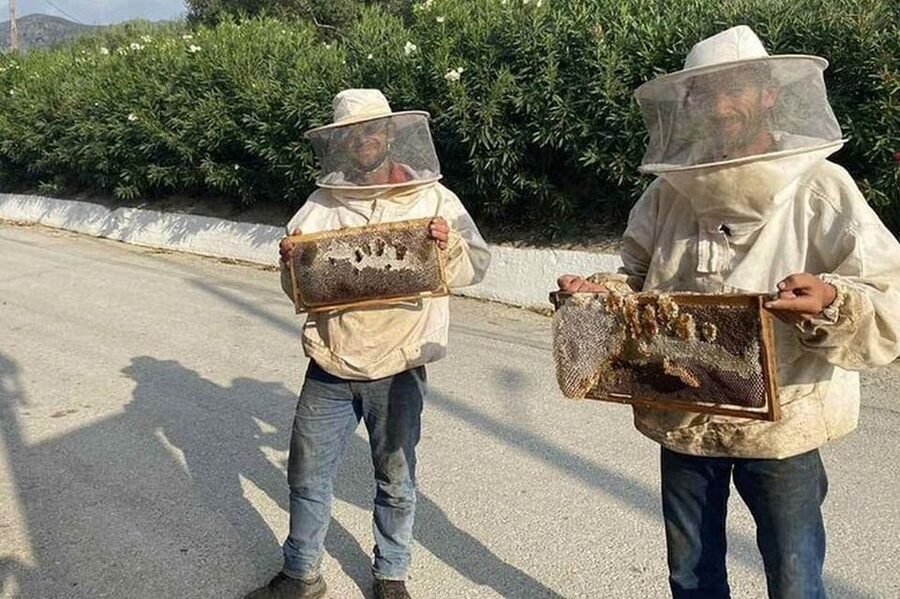
This is the most “hands-on thinking” part of the day. You’ll stroll among ancient olive trees and learn the honey-making process start to finish: bees and hives, extraction, and then bottling. You’re also guided through what makes local honey different, which is useful because honey can taste very different depending on what the bees are working.
I also like that this section doesn’t treat honey as a standalone product. You’ll then visit a local olive factory to see how Cretan olive oil is produced: from harvesting and pressing to the finishing steps. The tour ties nature and food production into one storyline.
Why this is valuable for you: once you’ve watched the flow of work, you stop thinking of products as store items. You start tasting for process. It makes the honey tasting more specific and the olive oil tasting more noticeable.
Bring a sun hat and sunscreen for this stretch. You’ll be outdoors around the olive grove and you won’t want to rush through it while squinting.
Pnevmatikakis Winery: 20 Wines, Plus Raki and Pairing
Wine is the grand finale step. You’ll visit a family-owned winery: Pnevmatikakis Winery. Here the focus is on Cretan winemaking and a tasting that includes about 20 different wine varieties.
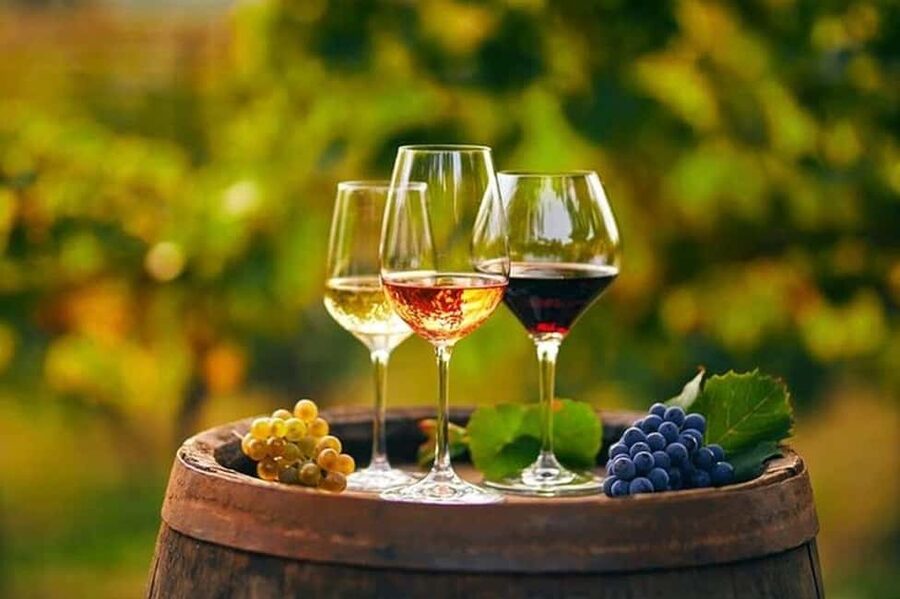
This is also where the tour feels like an actual celebration rather than a checklist. You’ll taste wines alongside Cretan delicacies, and it’s common to include raki during the tasting portion. If you like wine, this stop will feel like a treat. If you’re not a wine person, you’ll still likely find a couple bottles you’d actually bring home, because you’re tasting a range rather than one style.
One thing to watch: wine is last for a reason. Many of the tastings earlier in the day are filling (bread, cheese, honey, olive oil). At the winery, pace yourself. The included amount is generous, and you’ll want to stay alert for the ride back.
There’s also a family-friendly angle: children are welcome with a specially crafted platter and beverages. If you’re traveling with kids, this is one tour where the structure still works.
Price and Logistics: What Your $49 Buys (and What It Costs You)
At about $49 per person for a 7-hour day, this tour is priced like a serious value meal plus cultural stops. You’re not just paying for bus rides. Your ticket includes hotel pickup and drop-off, transportation in an air-conditioned vehicle, a professional local guide, and visits to the bakery, honey/olive facilities, cheese factory, and winery, with tastings of wine, cheese, olive oil, honey, and bakery products.
So where’s the trade-off? Time. Pickup and drop-off come from a large set of hotel locations, and that can mean a lot of time being coordinated across the Chania area. Some people feel the early pickup phase and later drop-off take longer than the scenic stops themselves.
If you’re trying to maximize the day, pick your pickup point thoughtfully. If you have the option of being picked closer to central Chania, that can help you spend more time tasting and less time waiting.
A Smart Tasting Plan: Don’t Leave Full and Sorry
This tour is built for eating, so you’ll want a small game plan. Here’s how to get the best from the day without feeling miserable on the bus.
First, use the first tasting stops to calibrate your tastes. Try the bakery items and one or two cheese samples before you commit to buying anything. Next, when you reach honey and olive oil, take notes mentally on what you like and why. Does the honey feel floral or darker? Does the olive oil taste more peppery or milder? Those impressions help you make choices at the winery too.
Second, remember you’ll likely have multiple chances to purchase products. The tour includes tastings, and buying is optional. If you’re traveling with luggage limits, focus on items that travel well and are worth the space. Honey and olive oil can be practical, and cheese is trickier depending on what you can transport and how soon you’ll eat it.
Third, keep water handy. The tour asks you to bring sunglasses, a sun hat, and sunscreen for a reason. Comfort makes the tastings enjoyable instead of forced.
Who Should Book This Cretan Food Tour
I’d book this if you want a day in Crete that feels both authentic and easy to follow. It’s especially good for:
- Food lovers who like learning how the product is made, not just eating it
- Travelers who want a single outing that covers olive, honey, cheese, and wine
- People who enjoy agriculture stories and countryside drives more than museum hours
It may not be the best fit if:
- You hate coach days with lots of hotel stops and potential waiting
- You want a very quiet, small-group experience
- You’re extremely sensitive to long days of tasting (it’s filling)
Also check the mobility reality before you go. The information provided mentions wheelchair accessibility, but it also says it’s not suitable for wheelchair users. That mismatch is exactly the kind of thing you should confirm directly with the operator before booking.
Should You Book This Olive Oil, Wine, Cheese & Honey Tour?
Yes, if you’re coming to Chania and you want one day that truly matches the island’s food culture. For the money, you get far more than “samples.” You get the ancient olive tree, a honey and olive oil production story, cheese craft, and a winery tasting with around 20 wine varieties.
I’d skip or reconsider only if your priority is minimizing bus time or if you’d rather spend the day at a slower pace without multiple stops and tastings. If that sounds like you, you might enjoy a smaller, more direct tour.
If your goal is to leave Crete with bottles and boxes you can actually explain, this one is a strong pick.
FAQ
How long is the From Chania: Olive Oil, Wine, Cheese & Honey Tasting Tour?
It lasts about 7 hours.
What does the tour include for tastings?
You’ll taste wine, cheese, olive oil, honey, and bakery products, with an included wine tasting that includes 20 different wine varieties.
Where do you get picked up and dropped off?
The tour offers hotel pickup and drop-off from a long list of locations across the Chania area (around 40 pickup options).
What’s the highlight at the first stop?
You’ll visit Ano Vouves and see the ancient Olive Tree of Vouves, estimated to be between 3,000 and 5,000 years old.
Is the tour suitable for children?
Children are warmly welcomed at the winery stop with a specially crafted platter and beverages.
What should I bring?
Bring sunglasses, a sun hat, and sunscreen.