REVIEW · AGUIMES
Gran Canaria: Cheese Workshop in Agüimes
Book on GetYourGuide →Operated by La Jaira de Ana · Bookable on GetYourGuide
Goat cheese, made with baby goats. At La Jaira de Ana in Agüimes, Gran Canaria, you’ll learn the process step by step and walk out with a cheese you made yourself. I especially love the hands-on feel of the workshop and the up-close chance to meet baby goats in their own space.
There is one catch to plan for: the timing can be a bit unpredictable, and one past booking struggled to locate the farm even with navigation. I’d build in buffer time and make sure you have the farm’s contact details ready, just in case.
In This Review
- Key highlights before you go
- Why a goat-cheese workshop in Agüimes is a great Gran Canaria choice
- The start: welcome, milk collection, and learning the whole chain
- The hands-on cheesemaking: coagulation to shaping
- Tasting and the moment you get your cheese home
- Meeting goats (and more farm animals) in a real working setting
- Price and value: $35 for 1.5 hours of real food work
- Getting there and timing: the main things to watch
- What to pack (and what to expect) for a Spanish-taught workshop
- Who this goat-cheese workshop fits best
- Should you book La Jaira de Ana’s cheese workshop in Agüimes?
- FAQ
- Where does the cheese workshop take place?
- How long is the workshop?
- How much does it cost?
- Is the workshop taught in English?
- Do I make the cheese myself?
- Can I interact with the goats?
- Do I take the cheese home?
- What should I bring to take the cheese home?
- Is there free cancellation?
- Is there a reserve and pay later option?
Key highlights before you go
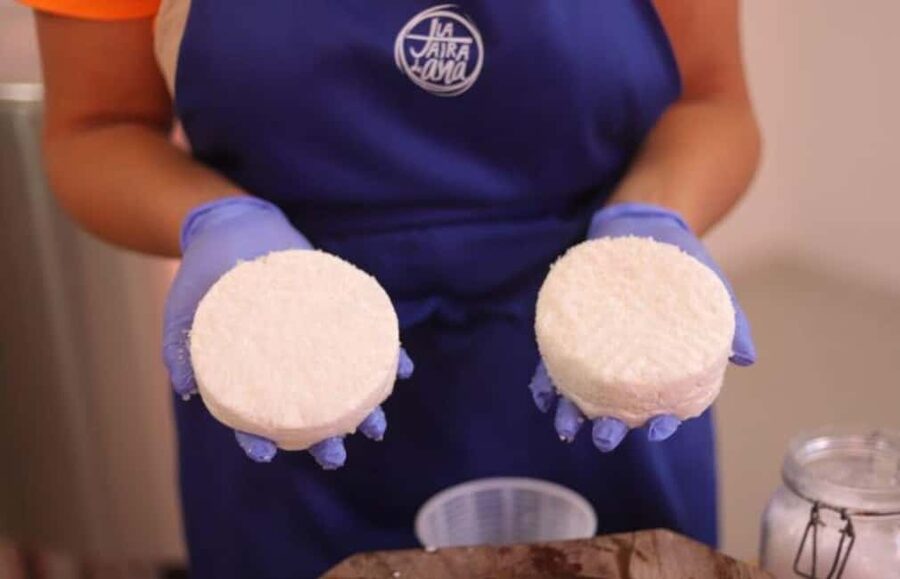
- Step-by-step artisan cheese-making led by the farm’s team
- Fresh goat milk used for your cheese
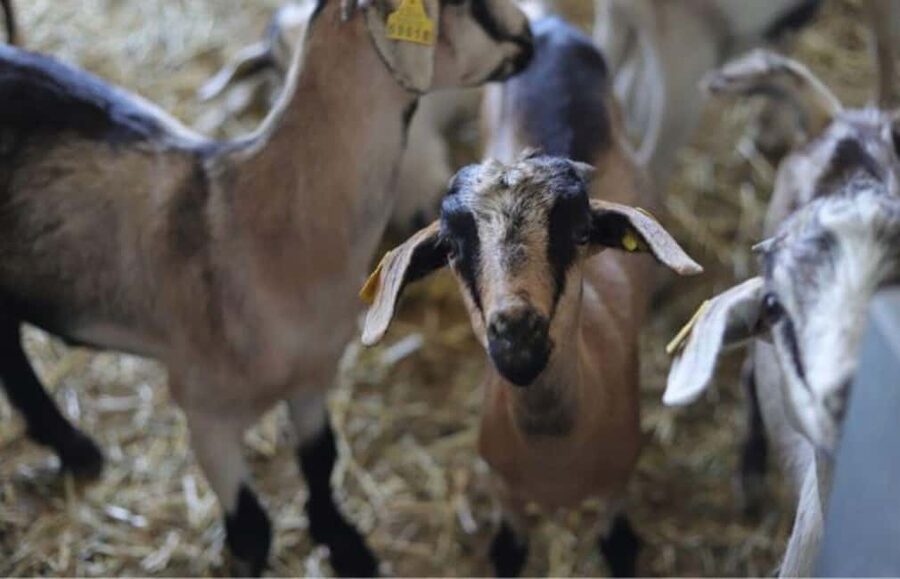
- Meet and interact with little goats in a natural setting
- Coagulation to shaping, with guidance through each stage
- Take-home cheese, if you bring your own cooler
- A scenic farm setting with views across the city, plus patient instruction from guides
Why a goat-cheese workshop in Agüimes is a great Gran Canaria choice
Most Gran Canaria days fall into two buckets: beach time or big sightseeing. This one gives you something different, hands-on, and very local.
At La Jaira de Ana, the point isn’t just watching food happen. You get to learn how goat milk becomes artisan cheese, and you get close to the animals along the way. That combination makes the experience feel real, not staged.
Also, it lasts 1.5 hours. You get a memorable food activity without losing half your day.
The start: welcome, milk collection, and learning the whole chain
You’ll begin with a warm welcome and an explanation of how the cheesemaking process works from start to finish. The team introduces each phase, including milking and the transformation from milk into cheese.
You’ll also get to observe how the fresh milk used in the workshop is collected. Seeing that step matters, because it helps you understand what you’re actually working with once you move to the cheese-making portion.
Then you shift into the animal part. You’ll meet and interact with the goats, and you’ll learn about their care in the context of the farm. This isn’t just cute-time. It sets the tone for why the milk and hygiene matter in artisan cheese.
One practical note: the workshop language is Spanish, so expect instruction in Spanish even if some parts may be shown in the original language. If your Spanish is basic, you’ll still be fine. The visuals and hand-on steps do a lot of the communication work.
The hands-on cheesemaking: coagulation to shaping
This is the core of the experience, and it’s structured so you’re not just standing around. The workshop is built around the traditional process taught step by step, with you actively involved.
You’ll work through stages that include coagulation—when the milk changes in texture—and then the later stages where the curds get shaped. The exact method can vary with the cheese style, but the sequence is the same idea: change the milk, form the right structure, then prepare it for the finishing steps.
What I like about this format for visitors is that it turns food education into muscle memory. After you’ve handled the materials and followed the guidance, the process makes sense in your head.
You’ll also learn what’s happening at each stage as you go, not after the fact. That’s where the value shows up: you leave understanding why the steps matter, not just what button to press.
Tasting and the moment you get your cheese home
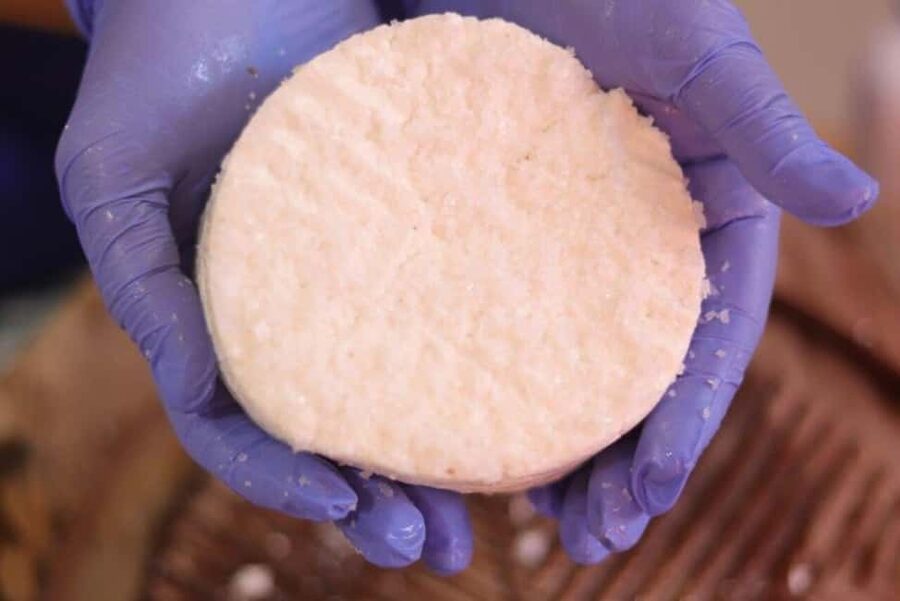
At the end, you’ll reach the satisfying payoff: tasting the cheese you created. That tasting step helps connect the science-y parts—like coagulation and forming—with the real outcome you came for: flavor.
Then comes the take-home part. The workshop includes that you can take home the cheese you made yourself, which is the big reason to book if you love food souvenirs that you’ll actually use.
Do not forget your gear here. The farm specifically reminds you to bring your cooler. In plain terms, this is about keeping the cheese at the right temperature after the workshop. If you don’t have a cooler, you’re making your life harder for the last mile.
Also, plan your timing with transportation in mind. Cheese is not a “grab-and-go” snack when you want it to arrive properly.
Meeting goats (and more farm animals) in a real working setting
The goats are the emotional hook, but the farm is the point. You’ll interact with little goats in a natural environment, which feels different from a petting zoo.
One of the most praised parts of the experience is the patience and guidance from the farm’s team, including people named Ana and Fermet. That matters because cheesemaking needs attention, not speed. If you’re learning something hands-on, you want someone who can explain without rushing you.
This farm also works for families. One guest noted the place is kid friendly with baby rabbits and other farm animals that children can watch and play around with. So if you’re traveling with younger kids and you want an activity that isn’t just a playground stop, this can fit.
Just keep in mind that it’s still a farm setting. You’ll be around animals and working with food, so you should expect a practical, slightly rustic vibe.
Price and value: $35 for 1.5 hours of real food work
$35 per person for a 1.5-hour workshop sounds straightforward. The question is: is it fair value?
Here’s how I judge value for experiences like this. You’re not only paying for instruction. You’re paying for fresh ingredients (including goat milk), the labor to guide you through the steps, and the included take-home cheese. That last part is key. Many food workshops give you a taste and send you away. This one gives you a product you can keep.
You also get more than the final cheese. You learn the process from milking to finishing steps, plus you interact with the animals. That’s why it works as a Gran Canaria activity even if you’re not a hardcore foodie.
One more value angle: farm produce is offered at reasonable costs, which can help you stretch your day if you want to buy something extra after the workshop. Even if you don’t, you’ll still feel like you spent money on a “real place,” not just a class.
Getting there and timing: the main things to watch
The duration is listed as 1.5 hours, but start times can shift. One booking described an appointment set for 11:30 that ended up happening an hour later. That doesn’t mean it will always run late, but it’s a signal to build in a small buffer, especially if you’re planning another activity right after.
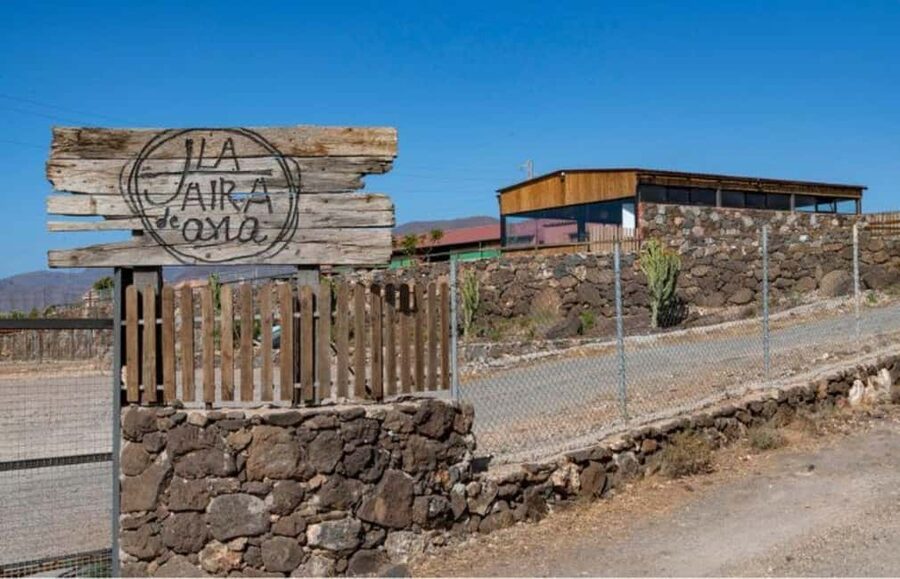
Location can also be tricky. A past guest said they had a hard time finding the farm despite using navigation, and they couldn’t reach anyone by phone during the delay. I can’t confirm the same issue will happen to you, but I’d treat the farm like a destination you verify before you rely on your GPS alone.
My practical advice:
- Arrive a little early so you’re not stressed.
- Save the farm contact details on your phone.
- Have a plan for the drive, since you’re going to a rural/agricultural place, not a city landmark.
What to pack (and what to expect) for a Spanish-taught workshop
Because the instruction is Spanish, plan for a bit of language floating in the air. The good news is that cheesemaking is visual and practical. You can follow along by watching hands, tools, and milk behavior even if you miss some words.
Wear clothes you don’t mind getting a little messy. Even if the farm uses aprons, you’ll be handling food and moving through work areas.
Bring:
- A cooler for taking your cheese home
- Comfortable shoes for a farm environment
- Water for before or after (the workshop doesn’t specify drinks)
If you like tasting food, don’t skip the final part. The taste helps you judge what you made, and it’s part of the point of the class.
Also, since the experience includes animal interaction, keep your expectations simple. You’re there to learn cheesemaking with the goats as part of the story.
Who this goat-cheese workshop fits best
This is ideal if you want a Gran Canaria activity that feels local and hands-on. It’s especially strong for people who:
- Love artisan food and want to understand how it’s made
- Want something more interesting than another museum stop
- Travel with a family and want a farm day that includes kid-friendly animals
- Prefer shorter experiences that don’t swallow your whole day
It may be less ideal if you’re very time-strapped and can’t tolerate slight scheduling changes. It may also feel challenging if you need highly detailed instruction in English, since the workshop is taught in Spanish.
Should you book La Jaira de Ana’s cheese workshop in Agüimes?
If you’re choosing between a standard tour and something truly food-focused, I’d pick this one. For $35 and 1.5 hours, you’re learning a real craft, meeting goats in their environment, and taking home the result. That’s a strong mix.
Book it if you’ll actually use a cooler and you’re comfortable with a Spanish-led format. Skip it if your schedule is rigid or you hate activities where you might have to track down a specific rural location.
If you want a fun, practical, and very Gran Canaria way to spend a few hours, this goat-cheese workshop is one of the better bets.
FAQ
Where does the cheese workshop take place?
It takes place in Agüimes, Spain at La Jaira de Ana.
How long is the workshop?
The duration is 1.5 hours.
How much does it cost?
It costs $35 per person.
Is the workshop taught in English?
The workshop is in Spanish, and some content may be shown in its original language.
Do I make the cheese myself?
Yes. You make your own artisanal cheese using fresh goat’s milk.
Can I interact with the goats?
Yes. You’ll meet and interact with little goats in a natural environment.
Do I take the cheese home?
Yes. The experience includes taking home the cheese you made.
What should I bring to take the cheese home?
Bring a cooler to take your cheese home.
Is there free cancellation?
Yes. You can cancel up to 24 hours in advance for a full refund.
Is there a reserve and pay later option?
Yes. You can reserve your spot and pay nothing today.