REVIEW · FLORENCE
Journey through Italian Cheese
Book on Viator →Operated by Tuscany in a Bottle · Bookable on Viator
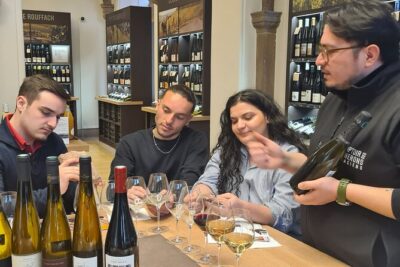
Cheese first, lessons next. In central Florence, you’ll spend about 90 minutes with a guided tasting at Formaggioteca Terroir, a cheese shop with serious street cred (it won Best Cheese Bar at the Italian Cheese Awards in 2023). I love how the experience pairs a big tasting-and-learning moment with a real-food setting, so the info about Tuscan wine regions and the Italian wine designation system sticks.
Two things I especially like: you taste a thoughtfully chosen lineup of 5 Italian cheeses with guidance on what you’re noticing, and you also get tasting notes that make wine-shopping feel easier right after. One possible drawback: it’s an 18+ experience, and with limited time (and a small group), it’s best if you want a focused lesson and samples, not a long sit-down meal.
In This Review
- Key Highlights You Can Count On
- The 90-Minute Format That Makes It Actually Work
- Formaggioteca Terroir: Where the Cheese Is the Main Character
- Who Guides You (and Why Certified Cheese Notes Help)
- What You’ll Do in the Shop: The Flow From Cheese to Wine
- The Cheese Tasting: 5 Types That Teach You How Italian Cheese Works
- The Wine Part: Tuscany Regions and the Italian Designation System
- How Proper Tasting Advice Changes What You Buy
- Pairing Logic: Why Cheese-and-Wine Together Teaches Faster
- Group Size and Timing: Easy to Fit Into Your Florence Day
- Price and Value: What $46.13 Actually Buys You
- Practical Tips Before You Go
- Should You Book This Wine-and-Cheese Session?
- FAQ
- How long is the experience?
- Where does the experience start in Florence?
- What time does the session start?
- Is the guided tasting offered in English?
- How many people are in a group?
- What tastings are included?
- Is there an age requirement?
- Can I cancel and get a full refund?
Key Highlights You Can Count On
- A top Florence cheese shop location at Formaggioteca Terroir, recognized in 2023 for excellence
- Rebecca leads the cheese portion as a certified cheese taster (ONAF)
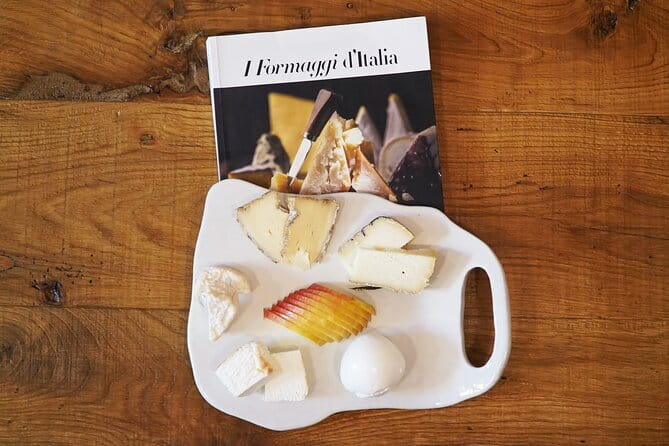
- 5 cheeses, carefully varied by milk type, style, and age so you can actually compare
- 2 wines paired in the same session so you connect wine ideas to what’s on your plate
- Tuscan wine regions plus designation basics using famous examples like Chianti Classico and Brunello di Montalcino
- Small group size (max 9) keeps the questions practical and the pace comfortable
The 90-Minute Format That Makes It Actually Work
This is the kind of experience that fits real travel life. You’re in Florence, you want something tasty, and you also want your money to buy more than just a plate of cheese. The format is about 1.5 hours, so you get enough time to compare flavors and learn what matters without eating up half your day.
You’ll start in the shop and stay there through the session. That matters because it keeps things simple: no complicated hop-on routes, no hunting for the right entrance, and no time wasted once you arrive. It’s also a good match for pairing with other Florence plans afterward—especially if you’re doing museums or a wine-and-food crawl and need something educational but not exhausting.
The adult-focused part is real: wine is included, and the minimum age and drinking age is 18. If you’re traveling with kids or teens, this one probably won’t fit your group. If you’re an adult who enjoys learning with your senses, you’ll likely love the pace.
You can also read our reviews of more tours and experiences in Florence.
Formaggioteca Terroir: Where the Cheese Is the Main Character
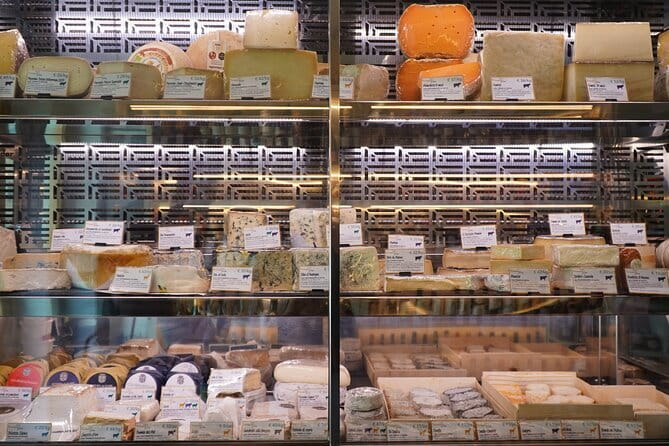
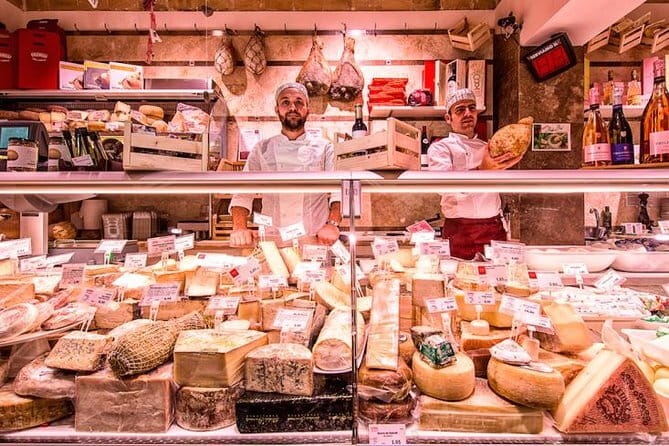
The address is easy to plug into maps: Via dei Renai, 19, 50125 Firenze FI. You meet at Formaggioteca Terroir, a cheese shop with more than 50 selected cheeses on hand. That scale matters because it sets the tone. This isn’t a pop-up tasting. It’s a place where people come to browse, ask questions, and learn what’s worth buying.
And yes, the shop has attention from the industry. In 2023, it won Best Cheese Bar at the Italian Cheese Awards. You don’t need to care about awards to enjoy the experience, but it’s a solid clue that the cheese selection and service are taken seriously here.
Here’s what I think makes the setting valuable for you: when you taste five cheeses in one focused lesson, it helps to be in a shop where cheese is treated like craft. You’re not just sampling; you’re building a mental checklist for how cheese changes with milk type, aging, and style.
Who Guides You (and Why Certified Cheese Notes Help)
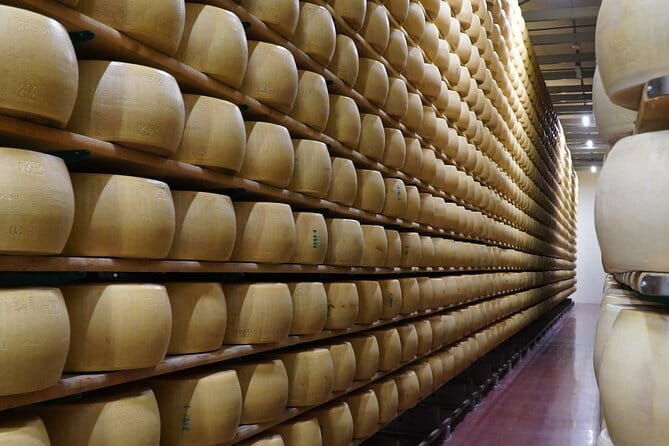
You’ll meet your guide at the shop. The experience is led by Rebecca, a certified cheese taster (ONAF). That credential matters because it usually means the tasting isn’t random. You’re more likely to get a structured way to notice aroma, texture, and flavor progression—plus practical explanations you can reuse later when you shop.
In past sessions, other facilitators such as sommelier Caterina have shown up in the experience feedback. Even if your guide is someone else, the common thread is the same: the teaching style is meant to be clear, friendly, and built for real tasting, not a lecture you forget.
What You’ll Do in the Shop: The Flow From Cheese to Wine
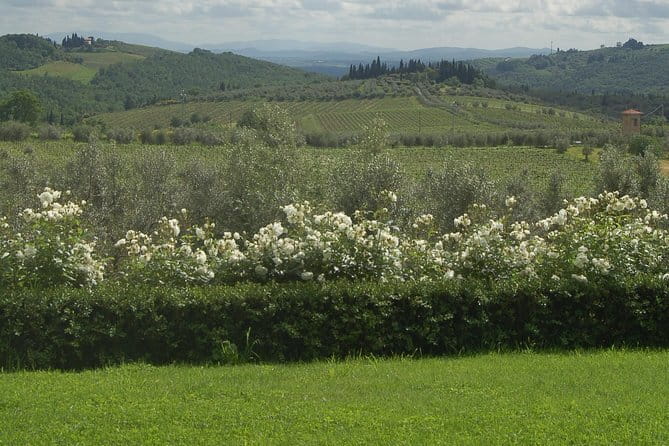
You’ll begin with the cheese portion in the shop, then move into the paired wine tasting. The session is designed so you’re not overwhelmed by too much at once. Instead, you’ll taste in a sequence that helps you compare.
You can expect the start to look like this:
- A first cheese platter featuring 5 Italian cheeses
- Guided discussion while you taste each one, including what to pay attention to
- Then the wine portion, where you taste 2 wines alongside the cheese learning
This matters for your brain. If you’ve ever tasted cheese and wine separately on a trip, it’s easy to lose track of why something works together. Here, the pairing is part of the lesson, so you learn the logic, not just the result.
The Cheese Tasting: 5 Types That Teach You How Italian Cheese Works
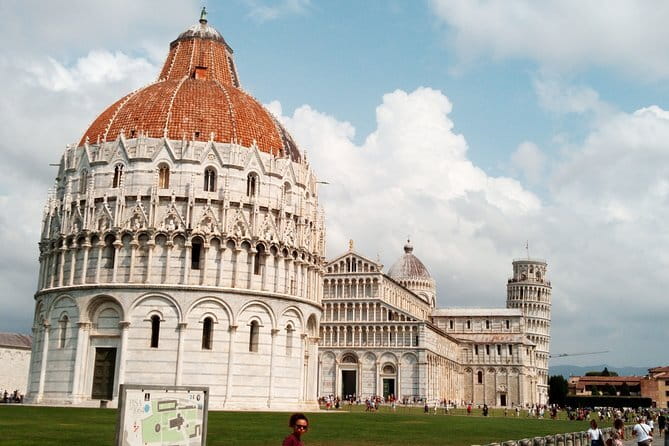
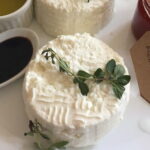
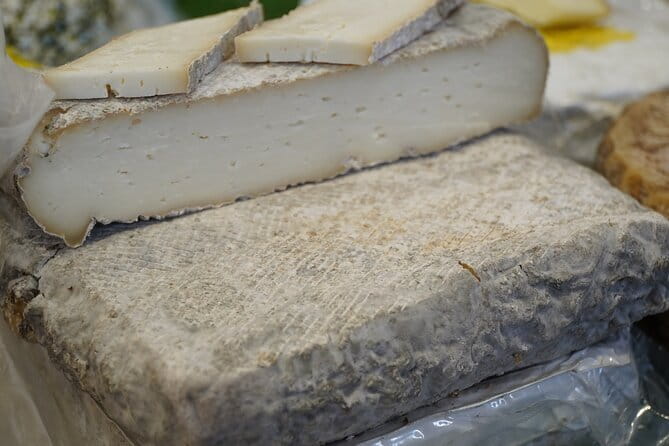
The cheese lineup is the heart of the experience. You taste 5 different cheeses, and the big point is variety. You’ll sample cheeses made from different types of milk, plus different styles and ages. That variety is not random. It’s the fastest way to understand how Italian cheese makers think.
As you taste, you should listen for the guide’s explanations around:
- How milk type affects flavor and texture
- How aging changes intensity and character
- How style differences show up in aroma and mouthfeel
Even if you’re not a “cheese person,” this part works because it’s built on contrasts. You’re likely to walk away with a simple way to describe what you like—creamy vs. firm, mild vs. assertive, buttery vs. nutty or aged—without sounding like you memorized a dictionary.
One extra benefit: being in a shop with many cheeses gives you a natural next step. Once you understand what you liked in the lesson, you can look at the wider selection and buy with more confidence. You’ll know what questions to ask, and you won’t feel stuck with the usual tourist choices.
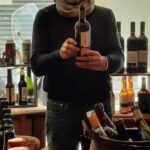
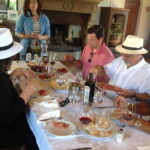
The Wine Part: Tuscany Regions and the Italian Designation System
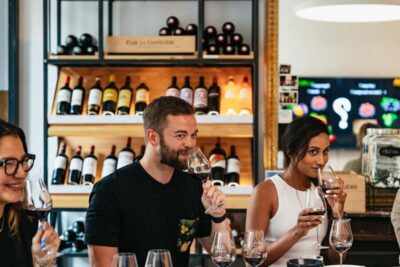
After the cheese portion, you’ll taste 2 wines and learn about wine in Tuscany in a way that’s practical. The experience covers wine regions of Tuscany and the Italian wine designation system, which can be a headache if you’ve only seen names on restaurant lists.
Here’s what you can expect to get out of this section:
- A basic map of how Tuscany’s wine identity is organized
- How designations tell you something about rules, production choices, and quality expectations
- Tasting notes that connect what you’re tasting to the label
The famous examples mentioned for the tasting education include Chianti Classico and Brunello di Montalcino. Those are great anchor wines because people recognize the names. But the goal isn’t trivia. The goal is that you leave knowing what to look for next time you see a Tuscan label.
How Proper Tasting Advice Changes What You Buy
Some wine classes stop at swallowing and smiling. This one includes guidance on how to taste so the wines make sense while you’re drinking them.
From the teaching focus, you should come prepared to learn a few practical methods, like:
- How to smell for more than just “wine-y” aroma
- How to notice flavor progression rather than just the first sip
- How to think about what makes a wine taste good to you
That last part is bigger than it sounds. If you learn what makes a wine enjoyable on your palate, you don’t get stuck following trends. You start ordering with confidence, even if you’re not sure what a producer’s name means yet.
Also, learning wine basics right after you’ve tasted cheeses helps you. Cheese can change how wine tastes. Once you’ve experienced that connection in a guided setting, you’re less likely to feel confused in a restaurant later.
Pairing Logic: Why Cheese-and-Wine Together Teaches Faster
The pairing is the secret sauce here. When you taste cheeses and then wines in the same session, you’re training your senses to notice combinations that work.
So when you see a cheese plate at dinner later, you’ll be able to think in a more useful way:
- Does the wine’s acidity cut through fat?
- Does a wine’s structure match the cheese’s texture?
- Are you trying to contrast flavors or complement them?
You don’t need to turn into an expert sommelier. You just need a few working ideas. This experience gives you those ideas fast—during an enjoyable, edible classroom.
Group Size and Timing: Easy to Fit Into Your Florence Day
The group size is capped at 9 travelers, which is exactly what you want for a tasting class. With fewer people, you’re more likely to hear the explanations clearly and have room for questions.
The session starts at 4:30 pm and finishes back at the meeting point. That end point is helpful if you have other plans nearby. It also means you’re not stuck navigating your way across town afterward with a half-finished buzz and a snack-less stomach.
Also plan for a focused block. Reserve about 1.5 hours, and don’t schedule something instantly before or after that requires your full attention. You’ll want a little buffer to reset, especially since you’re tasting wine.
Price and Value: What $46.13 Actually Buys You
At $46.13 per person, you’re paying for two things at once: guided food education and tasting itself. In Florence, wine and cheese are not cheap, and you’re getting more than a casual pour—your experience is structured around learning the why behind what tastes good.
Here’s the value angle that matters:
- You’re tasting 5 cheeses plus 2 wines, not just one or two samples
- You get explanations about Tuscan wine regions and the Italian designation system, which helps with future ordering
- You’re taught tasting method basics, so the experience keeps paying off after the glass is empty
It’s also a good value if you’re the kind of traveler who likes to understand what you’re buying. If you’re just chasing flavor with zero interest in labels or style differences, you might find a simpler tasting better fits your style. But if you want to leave with confidence—what to order, what to ask for—this price is easier to justify.
One more smart detail: you receive tasting-related follow-up information you can download after the class. That kind of takeaway is worth real money because it reduces the chance you’ll forget what you learned as the trip speeds up.
Practical Tips Before You Go
A few small things help you get more from the hour-and-a-half:
- Eat something earlier if you’re sensitive to tasting sessions. You’ll have cheese, but everyone digests differently.
- Wear something comfortable for standing and close conversation inside the shop.
- Have your questions ready. If you’re curious about the designation system or how to choose wines in a store, ask while there’s time.
- If you shop after, do it while the lesson is fresh. The guide’s notes make it easier to pick cheeses that match what you actually liked.
And keep an eye on your email. Confirmation comes within 48 hours of booking, subject to availability.
Should You Book This Wine-and-Cheese Session?
If you want an adult-focused, small-group lesson that mixes real tastings with real explanations, this one is an easy yes. I especially recommend it if you’re:
- Curious about Italian cheese but don’t know where to start
- Interested in Tuscany and want help decoding the wine label language
- Looking for a hands-on class that keeps the pace friendly and practical
Skip it if you’re traveling with anyone under 18, since the minimum age and drinking age is 18. Also skip it if you only want a casual snack and don’t care about learning how to taste or why wine regions and designations work.
If you’re on the fence, here’s my quick rule: if you’d enjoy learning with samples in a serious cheese shop, book it. It’s the kind of experience that makes the rest of your wine-and-food trip feel sharper.
FAQ
How long is the experience?
Plan for about 1.5 hours.
Where does the experience start in Florence?
You meet at Formaggioteca Terroir, Via dei Renai, 19, 50125 Firenze FI, Italy.
What time does the session start?
The start time listed is 4:30 pm.
Is the guided tasting offered in English?
Yes, it is offered in English.
How many people are in a group?
The class has a maximum of 9 travelers.
What tastings are included?
You’ll taste 5 different Italian cheeses (served as a cheese platter) and 2 wines during the session.
Is there an age requirement?
Yes. The minimum age is 18, and the minimum drinking age is also 18.
Can I cancel and get a full refund?
You can cancel for a full refund up to 24 hours in advance of the experience start time. If you cancel less than 24 hours before, the amount paid is not refunded.