Port wine meets serious cellar drama.
This guided Poças visit turns aging into something you can taste, not just read about, with a lineup that tracks change over time (Vintage 1999 and 2015, plus Colheita 2007 and 1997). I like the cellar walk itself, including a look at very old Port casks, and I like that the tasting is finished with food pairing built around carpaccio, salmon, and cheese. One catch to consider: if you usually prefer very dry whites or reds, Port’s richer, sweeter style may not be your cup of tea.
I also appreciate the family feel behind the brand. Poças has been around for more than 100 years, it’s run by the 4th generation of the same Portuguese family, and it still belongs to that family today. The visitor center is well regarded too, with an award as fortified wine producer of the year in 2018 and a Certificate of Excellence, so you’re not wandering into a random tasting room.
At about 1 hour 30 minutes, it’s a clean, efficient stop. You get a mobile ticket, confirmation at booking, and it’s near public transportation, which matters if your Porto day is already packed.
In This Review
- Key Highlights You’ll Actually Care About
- Poças in Porto: a family cellar with real stature
- The 90-minute format: why the pacing works
- Walking the cellar at Poças: where the age shows up
- The tasting lineup: Vintage 1999 & 2015 plus Colheita 2007 & 1997
- Carpaccio, salmon, and cheese: pairing without the fuss
- How to get more value from a short tasting
- Price and value: what $117 buys you in Porto
- Who should book Poças and who might skip it
- Timing it in your Porto day
- Should you book this Poças guided wine-and-food experience?
- FAQ
- What is the location for this experience?
- How long does the visit last?
- What is the price?
- What does the guided experience include?
- Which wines are included in the tasting lineup?
- Are food and wine pairings included?
- What is the cancellation policy?
Key Highlights You’ll Actually Care About
- Cellar tour with very old Port casks: you get the visual proof of why aging matters.
- A tasting lineup designed around transformation: Vintage 1999 and 2015 plus Colheita 2007 and 1997.
- Food pairing built into the experience: carpaccio, salmon, and cheese, plus wine harmonizations you can select.
- A family-run Portuguese winery: 100+ years of continuity with the same family behind it.
- Short and structured (about 1.5 hours): good pacing without feeling rushed.
- Strong reputation and visitor-center recognition: awards and a Certificate of Excellence add confidence.
Poças in Porto: a family cellar with real stature
Porto has plenty of wine stops, but Poças has a specific kind of credibility. It’s one of the few Port wine houses that started Portuguese and stayed in the same family hands, with leadership now in the 4th generation. That continuity shows up in how the tour is framed: not as a sales pitch, but as a day-to-day look at how Port changes in wood and time.
I also like that Poças doesn’t position itself as either old-school museum stuff or trend-chasing wine bar. It sits in the middle. You’ll hear about its Old Tawny Port reputation, and you’ll also get a nod to DOC Douro wines that have been proving their quality over the last 30 years. In plain terms, this is a place that understands both heritage and modern craft.
And because this is a real visitor center with many yearly visitors (about 28,000), you can expect a smoother setup than you’ll find at tiny, one-room tastings.
You can also read our reviews of more tours and experiences in Porto.


The 90-minute format: why the pacing works
This experience is about 1 hour 30 minutes. That timing is a sweet spot in Porto. You’re getting enough time for a guided cellar visit and a proper tasting, but you’re not sacrificing half your day to one stop.
The experience is also built around a teaching goal. The tasting isn’t random pours. The idea is to show you how Port transforms as it ages, so you have context while you drink, not just when you leave. That makes it easier to remember what you liked and why.
One practical upside: since it’s near public transportation and includes a mobile ticket, it’s easier to thread into your day. You don’t have to plan like you’re traveling to an out-of-the-way winery in the countryside.
Walking the cellar at Poças: where the age shows up
The cellar tour is the kind of stop that makes photos feel almost unnecessary. You’re walking through a working, serious space where the age of materials becomes part of the story. One highlight mentioned in guest feedback is the presence of Port wine casks that can be up to 150 years old. That’s not a marketing statistic you can ignore. It changes how you interpret the wine in your glass.
What I’d watch for during the walk is how the guide connects the physical environment to flavor. Port isn’t just a grape story. It’s oxygen, wood, time, temperature stability, and decisions made over years, not minutes. When you see long-aged casks, you stop thinking of Port as a single taste and start thinking of it as a slow process.
Even if you’re not a wine nerd, the cellar scene does the heavy lifting. It makes the aging story feel logical, not mystical.
The tasting lineup: Vintage 1999 & 2015 plus Colheita 2007 & 1997
The tasting portion is designed around comparison. You’ll be tasting:
- Vintage 1999
- Vintage 2015
- Colheita 2007
- Colheita 1997
That selection gives you different angles on age. Vintage wines and Colheita wines age with different expectations, and tasting them back-to-back helps your palate sort out what’s happening over time. If you pay attention to texture, sweetness, and aroma evolution, this lineup can teach you how age changes Port from the first sip to the finish.
Here’s the practical way to enjoy it: take notes in your head. Don’t try to write a dissertation. Just remember three things per wine—how it smells, how it feels on the tongue, and what happens at the end. After a few pours, you’ll start spotting patterns, and the transformation goal becomes real.
Carpaccio, salmon, and cheese: pairing without the fuss
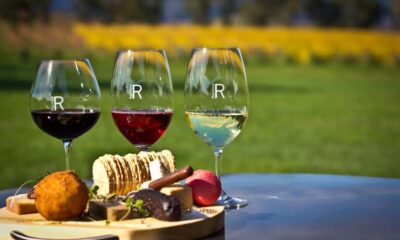
A Port tasting is better with food. It slows your drinking pace and it changes how your palate behaves. Poças includes food pairing as part of the gastronomic experience, centered on carpaccio, salmon, and cheese.
What I like about this setup is that it doesn’t force the pairings into weird, experimental territory. These foods are approachable, and they bring different salty, fatty, and savory elements that can balance richer Port characteristics. Carpaccio can add a clean, savory edge. Salmon brings a distinct richness. Cheese adds a creamy, lingering factor that can work with matured flavors.
Then there’s the smart bit: different harmonizations that you can select to shape the pairing. That means you’re not stuck with one fixed menu concept. You can choose the pairings that match what you actually enjoy—more contrast, more comfort, or something in between.
If you know you like pairing food with wine, this part is where the tour becomes more fun than just informational.





How to get more value from a short tasting
Even in a 1.5-hour format, you can make the experience feel deeper. Here are a few ways to do that without turning it into homework:
1) Start with your preferences
Before you taste, decide what you want out of the day: smoother and round, darker and bold, or more aromatic. When you know your target, the lineup makes more sense.
2) Taste in order, but don’t treat it like homework
Go with the flow. The transformation goal works best when you compare within the sequence, not when you jump around.
3) Use the food to reset your palate
Between pours, let bites do the work. If you’re trying to compare Vintage to Colheita, food will help you notice the difference instead of carrying one taste profile too long.
4) Ask questions about aging, not just the wine
If there’s one question that pays off, ask why the guide thinks the wine shifts with time. That’s the theme of the tour, and you’ll get better answers than a generic what does it taste like.
Price and value: what $117 buys you in Porto
At $117, this is not the cheapest tasting option in Porto. So the real question is value. What you’re paying for is a guided cellar visit plus admission and a tasting that includes multiple named Port bottlings, not just a single pour. You’re also getting food pairing and the chance to select harmonizations.
For a tasting experience to feel fair at this price, you want two things: quality and structure. Here, the structure is the point—the tour is built to demonstrate Port transformation. The quality shows up in the way guests describe the wine and the food as high quality, plus the cellar itself as genuinely impressive.
Also, the reputation signals something practical: you’re less likely to get a chaotic, run-by-the-clock tasting. Poças is tied to meaningful awards and the visitor center is recognized, which usually correlates with service that stays on track.
If you’re visiting for just a couple days and you want one “main” wine and food experience, this can be a solid use of time and money.
Who should book Poças and who might skip it
This tour fits best if you:
- Want a Port wine experience that explains aging in a concrete way
- Like food pairing with your wine, especially savory options
- Prefer a structured 1.5-hour activity over a long day trip
- Enjoy learning from a guide as you walk through a real cellar
You might consider skipping (or adjusting expectations) if you:
- Strongly prefer dry, lighter wines and dislike Port sweetness
- Want a tasting with lots of free time wandering at your own pace
- Expect a menu-style gourmet class rather than a guided cellar story
Timing it in your Porto day
Porto rewards smart scheduling. If you’re walking all morning through historic streets, a cellar visit gives you a break from sun and crowds. Since this is near public transportation, you can usually plan it without making your day complicated.
A simple approach: pair this with another nearby activity before or after, not something far off. The point is to protect your energy for the tasting—food and wine work better when you’re not running on fumes.
Should you book this Poças guided wine-and-food experience?
I think you should book it if you want one memorable, well-structured Port-focused stop in Porto. The combination is strong: a guided walk through a cellar with very old casks, a tasting lineup built around age and change, and food pairing featuring carpaccio, salmon, and cheese with selectable harmonizations. That mix turns wine tasting into a real experience, not just a few sips.
Skip it only if Port’s richer style won’t work for your palate, or if you’d rather spend your money on a different type of tasting format. If you’re open to learning how aging reshapes flavor, Poças is the kind of place that makes the lesson stick.
FAQ
What is the location for this experience?
It takes place in Porto, Portugal.
How long does the visit last?
The duration is about 1 hour 30 minutes.
What is the price?
The price is $117.
What does the guided experience include?
It includes a guided visit through the cellar and a tasting at the end. Admission ticket is included.
Which wines are included in the tasting lineup?
The tasting includes Vintage 1999 and 2015 and Colheita 2007 and 1997.
Are food and wine pairings included?
Yes. The gastronomic experience includes food pairing options connected to wine harmonizations you can select.
What is the cancellation policy?
There is free cancellation. You can cancel up to 24 hours in advance for a full refund. If you cancel less than 24 hours before the experience starts, the amount paid is not refunded.