REVIEW · PARMA
Parma: Traditional Cheese Factory Visit with Tasting
Book on GetYourGuide →Operated by ParmaLook Food Tours Experience · Bookable on GetYourGuide
Cheese-making becomes a real morning here. I love watching the full Parmigiano Reggiano workflow in action, and I love finishing with an honest-to-goodness tasting paired with local wine.
You also get a clear sense of why this cheese is so regulated and so consistent, not just a souvenir stopper. One possible drawback: the tour has a firm start. If you’re late to the pick-up time (even from train delays), you can be treated as a no-show with no way to reschedule.
Expect a guided visit that moves at a comfortable pace: van pickup, about 1.5 hours inside the factory, then you’re back to the same place. With headsets included and guides speaking Italian and English, it’s built for you to actually hear what’s going on, even in a busy production setting.
In This Review
- Key highlights to look forward to
- Parmigiano-Reggiano is a protected craft, not just cheese
- Meeting at NH Parma and the van ride that keeps things smooth
- From milk vats to curds: what happens in the production rooms
- Shaping, salting, and the stagionatura rooms where time does the work
- Consorzio testing and fire-branding: how the wheels get approved
- Tasting Parmigiano with local wine, plus shopping for take-home cheese
- Price check: $82 for 2.5 hours, and who this tour suits
- Should you book this Parmigiano Reggiano factory visit?
- FAQ
- How long is the Parmigiano Reggiano factory visit with tasting?
- What time and where do I meet for the tour?
- How long is the van ride to the factory?
- How much time do we spend at the cheese factory?
- What’s included in the price?
- Is the tour run rain or shine?
- Which languages are the tours offered in?
- What happens if I arrive late to the meeting point?
- Is this tour suitable for wheelchair users or people with mobility impairments?
- Are luggage or certain shoes allowed?
Key highlights to look forward to
- Full Parmigiano Reggiano process you can follow from milk to aging rooms
- Small-group feel and Q&A built into the tour flow
- Stagionatura visit where thousands of wheels age to spec
- Consorzio quality checks including hammer testing and branding
- Tasting time with local wine, plus a chance to buy cheese at the end
- Factory stop with shopping so you can take your favorites home
Parmigiano-Reggiano is a protected craft, not just cheese
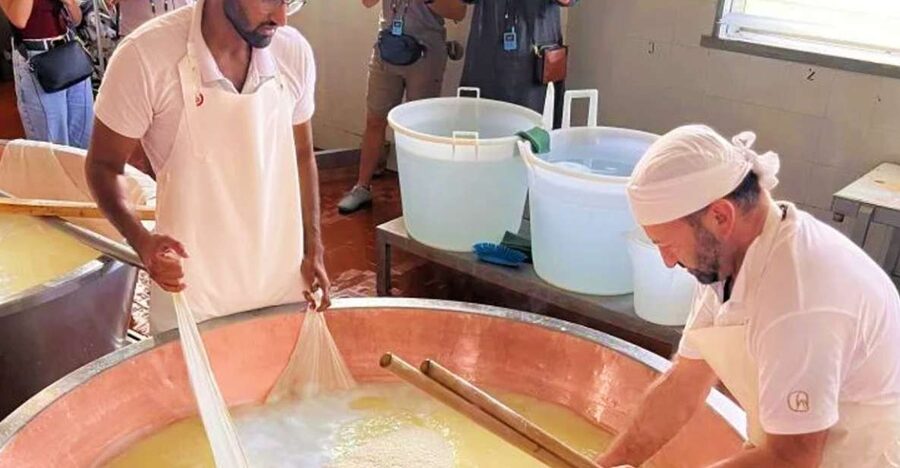
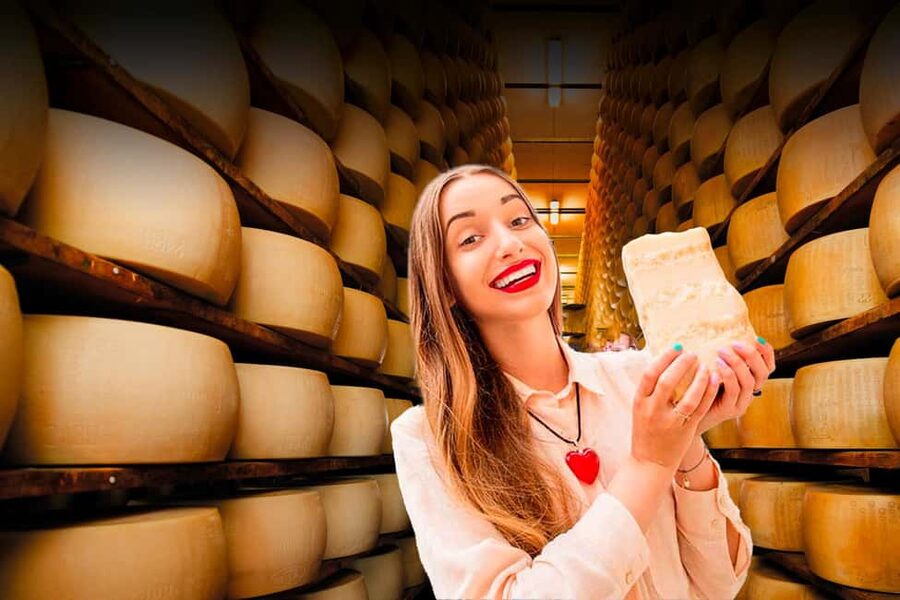
Parmesan in a plastic wedge is one thing. Parmigiano Reggiano made the right way is another. This tour focuses on the craft behind the name—an EU-protected cheese with strict rules about how it’s produced and where it’s made.
I like that the story starts with the local “Zona Tipica,” tied to Parma, Reggio Emilia, Modena, parts of Bologna, and even parts of Mantova. That matters, because it explains why the cheese tastes like the region: not through marketing, but through controlled production standards and traditional methods. You also hear how long the tradition runs—described as a 900-year-old lineage that still shapes daily work.
What you’ll learn isn’t abstract. The guide frames each stage as a cause-and-effect chain: the milk goes in, curds are formed, whey is separated, wheels are shaped and salted, then time does the heavy lifting in aging rooms. By the time you taste, you’ll have a mental map for why it tastes nutty, firm, and complex instead of random.
You can also read our reviews of more tours and experiences in Parma.

Meeting at NH Parma and the van ride that keeps things smooth
Pick-up happens at NH Parma, Viale Paolo Borsellino, 31 at 8:30. If you’re using the train, you’re directed to the north exit Falcone/Borsellino, then walk to the hotel on the right. The van waits at the parking area in front of the hotel.
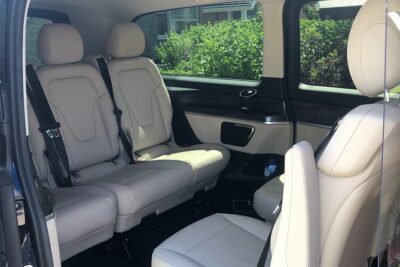
The transport is part of why this tour feels easy. You get about a 15-minute van ride to the factory and another 15 minutes back. That’s long enough to get you out of town, but short enough that you’re not spending your holiday budgeting time for transit.
A practical note that matters: no luggage or large bags on the vans. Also, this tour runs rain or shine, so wear shoes you can walk in comfortably inside and outside the production area. The tour also isn’t suitable for wheelchair users or people with mobility impairments, so plan a different option if accessibility is a concern.
From milk vats to curds: what happens in the production rooms
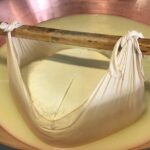
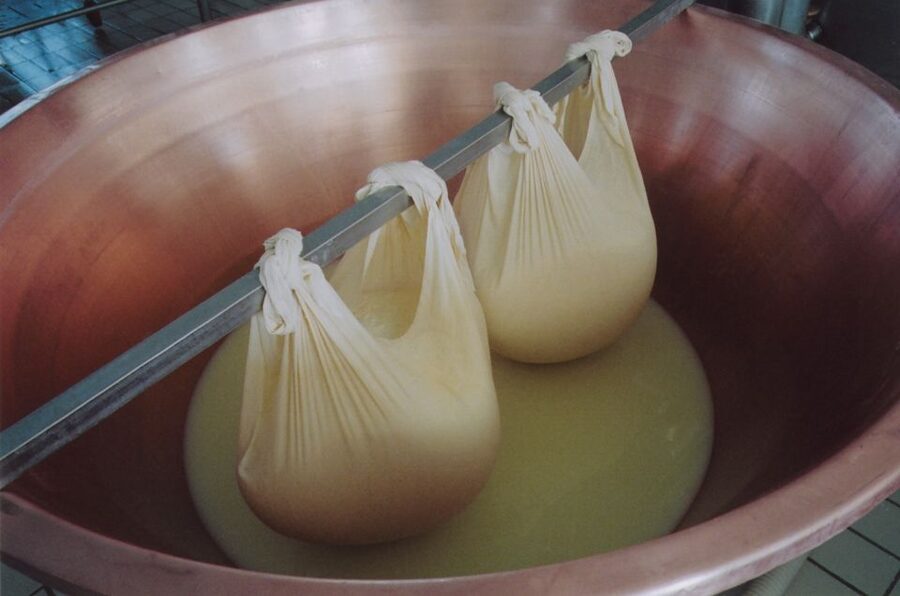
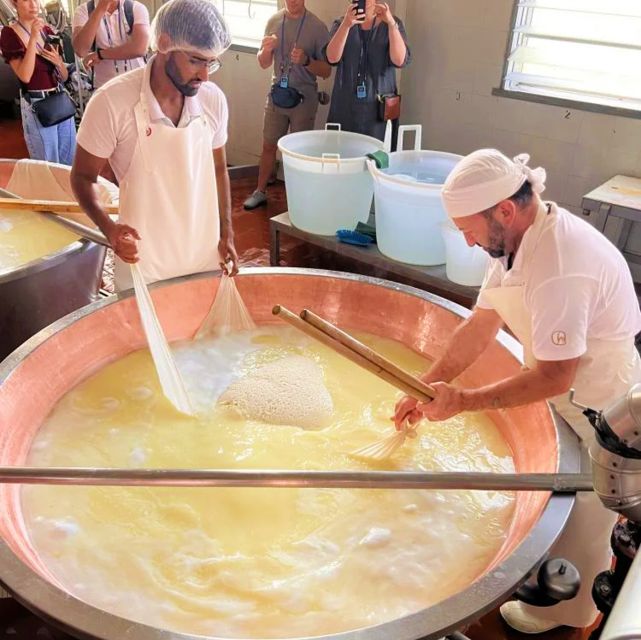
Once you’re inside, the tour is built around seeing the cheese being made, not just hearing about it. You’ll watch curds being pulled from milk vats, then follow the workflow as the curd is cooked and whey is separated. Those steps aren’t just technical. They set up the texture you’ll taste later—firm, crumbly, and full of that classic Parmigiano character.
I like the way the tour slows down at the right moments. There’s a difference between watching a machine and watching hands and tools in motion. You’ll get a front-row feel for the rhythm of production: how milk becomes curds, how cooking changes the curd, and how separation turns liquid whey into the solids that become wheels.
Some tours also give you a chance to meet key staff on site. Reviews mention meeting prominent production team members, including the head cheese master. Even if your group doesn’t get that extra level of access, you’re still getting the real sequence of how the cheese moves from stage to stage.
One more detail worth noting: you’ll be using headsets during the guided portion. That’s a small thing, but it makes a big difference when you’re standing near active areas where sound carries differently than a museum lecture.
Shaping, salting, and the stagionatura rooms where time does the work
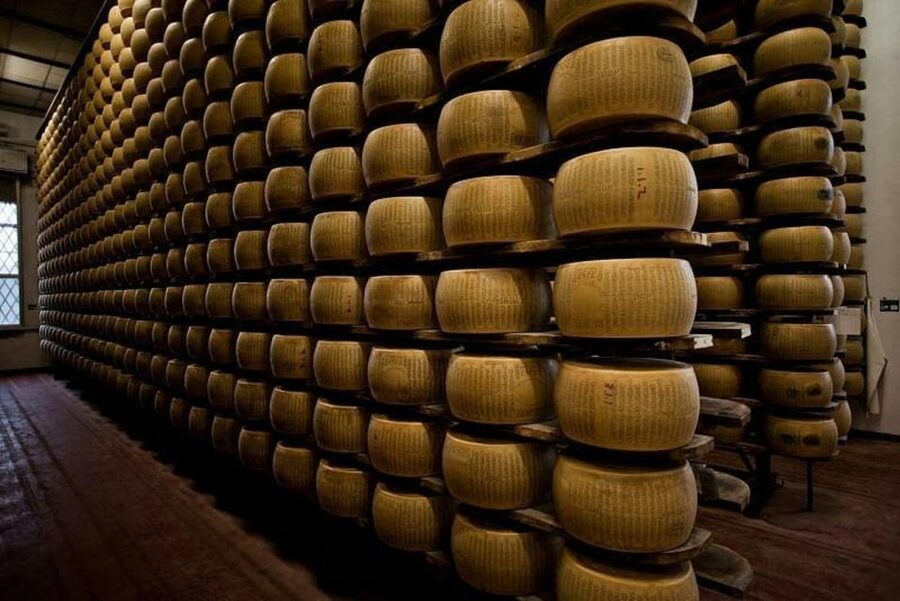
The middle of the experience is where the tour becomes more than a demonstration. You’ll visit the shaping and salting rooms, and then you move into the stagionatura—the aging area.
Stagionatura is where the magic becomes measurable. The tour describes thousands of wheels aging to perfection, which helps you understand why Parmigiano Reggiano tastes consistent even when it’s made across seasons. Aging isn’t just waiting. It’s controlled time, humidity, and conditions that shape flavor molecules into something you can taste later.
In shaping and salting, you’ll see how the wheels take their form and how salt influences development. Salt isn’t just seasoning here. It supports the aging process and contributes to structure. The tour framing makes it easy to connect the dots: you’re not just watching steps, you’re building a palate expectation for what will come out months later.
If you like food science, you’ll enjoy the clarity. If you just like good cheese, you’ll still get it. Either way, the point is simple: the taste you’re about to have isn’t a fluke. It’s the end result of many controlled steps plus time.
Consorzio testing and fire-branding: how the wheels get approved
This part is one of the most memorable sections for me because it answers a question you might not think to ask: who checks that the cheese stayed on track?
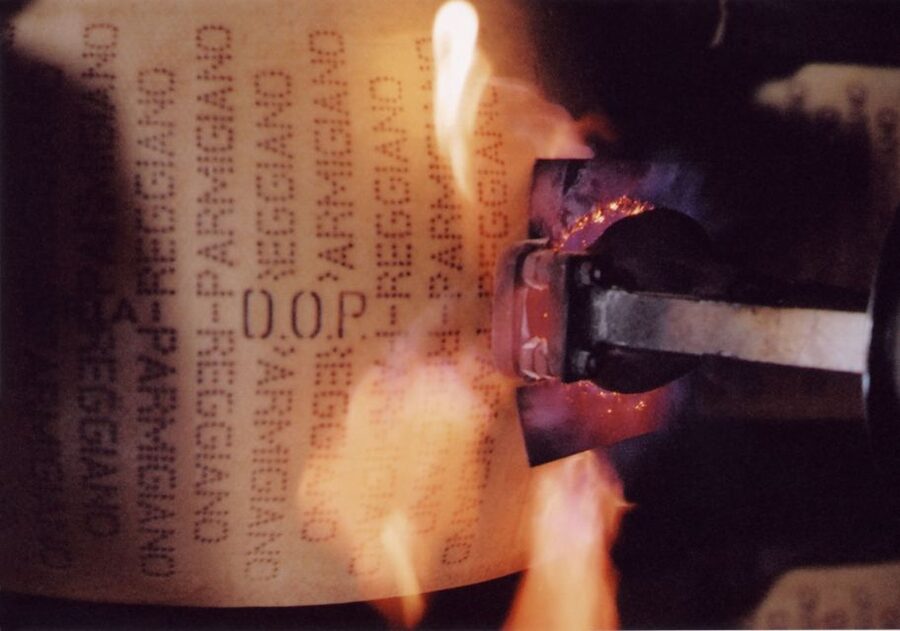
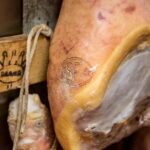
In the aging room, the tour explains that the Consorzio performs stringent tests. One test described is hammering the wheels—an old-school method that checks internal development by sound and resonance. Then there’s the fire-branding ritual, where wheels are marked with the identity of the product.
Here’s why this matters for you as a buyer: Parmigiano Reggiano isn’t just a name on a label. It’s a system. When you understand the testing and marking, the cheese vault stops feeling like a random storage space and starts feeling like a quality-control machine—slow, traditional, and strict.
You’ll also come away with a better appreciation for the difference between aged cheese that’s truly aged and cheese that’s only pretending. That helps when you’re shopping later, whether you’re buying a wedge at your hotel grocery or taking home wheels from the factory shop.

Tasting Parmigiano with local wine, plus shopping for take-home cheese
At the end, you get to taste what you just watched being produced. This is where the tour earns its keep.
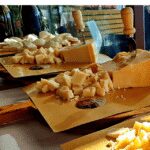
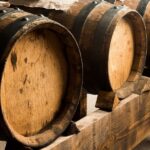
The tasting pairs Parmesan cheese with local wine, and reviews frequently mention pairings such as Lambrusco di Parma and sometimes local additions like balsamic vinegar. You may also taste cheeses with different aging levels (reviews mention samples such as 24-month Parmigiano), which is the best way to understand how aging changes flavor and texture.
If you’ve ever wondered why older Parmigiano gets more intense and crumbly, this is your moment. The tour gives you context, so the tasting isn’t just pleasant—it becomes comparative. You taste with purpose, because you know what stage in the process you’re linking to the final result.
Then comes the part many people look forward to: shopping. The factory stop includes time to buy cheeses and related items. And if you’re the type who likes to bring food back from a place where it actually matters, you’ll probably leave with more than you planned. Reviews also mention making purchases to bring home, which makes sense once you’ve seen the workflow and aging room yourself.
One last practical point: wear closed-toe shoes. Sandals/flip-flops, open-toed shoes, and slippers aren’t allowed. If you go in with the wrong footwear, you’ll be dealing with it right when you should be paying attention.
Price check: $82 for 2.5 hours, and who this tour suits
At about $82 per person for roughly 2.5 hours, this is not the cheapest thing you can do in Parma. But it’s also not charging you for a vague experience. You’re paying for guided access to a real production chain plus a guided tasting and transport.
Here’s what makes the value feel strong:
- You see the whole chain, not just a tasting room. The production rooms and aging area are the point.
- The tasting is paired, which helps you connect flavor to process.
- Group size is kept small in practice, which makes it easier to ask questions without feeling rushed.
- Transport is organized from a major pickup spot near the station, and the van ride is short.
A consideration: one review noted the feeling that it can be expensive relative to time spent, and that the factory also offers other tours (like ham) that weren’t bundled for them. So if you’re the kind of traveler who wants a packed schedule with multiple tastings or multiple product lines in one stop, you might want to compare add-ons before you commit.
This tour is a great fit if you:
- want a hands-on, step-by-step look at how Parmigiano Reggiano is made
- like food that has rules, craft, and real aging behind it
- want a tasting that actually teaches you something
It’s not a great fit if you need wheelchair-friendly access or if you’d rather tour at your own pace without scheduled pickup.
Should you book this Parmigiano Reggiano factory visit?
Yes—if you want an authentic Parma experience tied to the cheese itself. The tour is short enough to fit cleanly into a day, and the payoff is real: you see curds form, follow aging in a stagionatura vault, watch quality checks, then taste with wine.
Book it with one big promise: show up early and plan your train connection carefully. With that handled, this is one of the best ways to understand why Parmigiano Reggiano matters beyond the flavor.
FAQ
How long is the Parmigiano Reggiano factory visit with tasting?
The total duration is 2.5 hours.
What time and where do I meet for the tour?
Pick-up is at 8:30 at NH Parma, Viale Paolo Borsellino, 31, 43122 Parma PR, Italy. The van waits at the parking area in front of the hotel.
How long is the van ride to the factory?
The van ride is about 15 minutes each way.
How much time do we spend at the cheese factory?
The factory visit is about 1.5 hours, including a guided tour and shopping time.
What’s included in the price?
Included are headsets, entry tickets, and tastings.
Is the tour run rain or shine?
Yes. The tour takes place rain or shine.
Which languages are the tours offered in?
The live guide is available in Italian and English.
What happens if I arrive late to the meeting point?
If you arrive late after the scheduled meeting time, it’s considered a no-show and late arrivals can’t be accommodated. The booking is non-refundable and non-reschedulable.
Is this tour suitable for wheelchair users or people with mobility impairments?
No. It’s listed as not suitable for people with mobility impairments and wheelchair users.
Are luggage or certain shoes allowed?
No luggage or large bags are allowed on the vans. Sandals/flip-flops, open-toed shoes, and slippers are not allowed.