REVIEW · SEATTLE
Seattle: Wine, Cheese and Chocolate Pairing Tour
Book on GetYourGuide →Operated by Sum Good Tours · Bookable on GetYourGuide
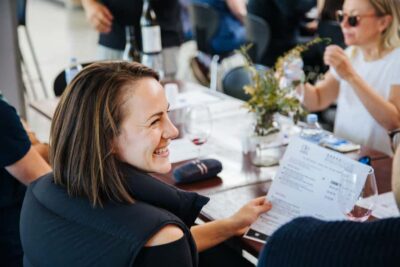
Cheese, chocolate, and Washington wine in one stroll. This small-group tour is built around tasting for pleasure, not proving you can pronounce varietals, with a Pacific Northwest focus and stops that keep the mood fun. You’ll start at SELEUŠS Chocolates and move through a handful of food-and-wine moments designed to help you notice what you actually like.
I especially like the tour’s no-ego approach. The guide pushes you to taste and compare, with pairings framed as discovery instead of a scorecard. I also like how you get multiple rounds of wine and food in a tight 150 minutes, so it feels like you leave with more than one good bite in your memory.
One consideration: at $119, this is a splurge, and it works best if you’re open to the guide shaping the experience on the day. One past participant wanted more explicit wine talk and expected a specific bread/cheese setup; if you’re the kind of person who wants a strict lesson plan, you might feel your expectations differ.
In This Review
- Key highlights you’ll notice right away
- Why this tour starts at SELEŠS Chocolates (and why that matters)
- The pairing philosophy: taste for pleasure, not to win
- Stop by stop: how the 150 minutes usually flows
- 1) First tasting moment: setting your palate with wine and food
- 2) Short food-only stop: quick contrast and texture changes
- 3) Pike Place Market: a real-world Seattle food intermission
- 4) More food tasting: the tour keeps changing texture
- 5) Second longer wine-and-food block: Pacific Northwest focus shows up here
- 6) Third wine tasting block: more direct wine comparison
- 7) Final food tastings: small finish, big payoff
- What the wine focus really gives you (beyond good sips)
- The guides make or break the experience (and you have examples)
- Value check: $119 and what you’re really paying for
- Who this Seattle wine, cheese, and chocolate tour suits best
- Practical tips so you enjoy every stop
- Should you book this tour?
Key highlights you’ll notice right away
- SELEUŠS Chocolates as your sweet start, so the pairings land faster
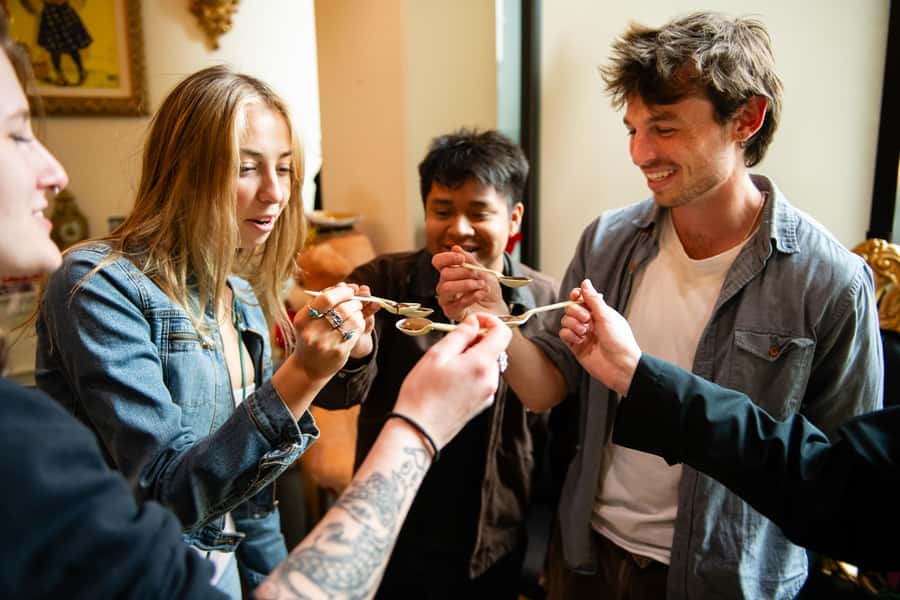
- A tasting style that’s about discovering your preferences, not lecturing you
- Three longer wine tastings mixed through the tour, not just quick sips
- Pike Place Market for a short food-world reality check
- Small group size (limited to 10 participants) for a more personal pace
Why this tour starts at SELEŠS Chocolates (and why that matters)
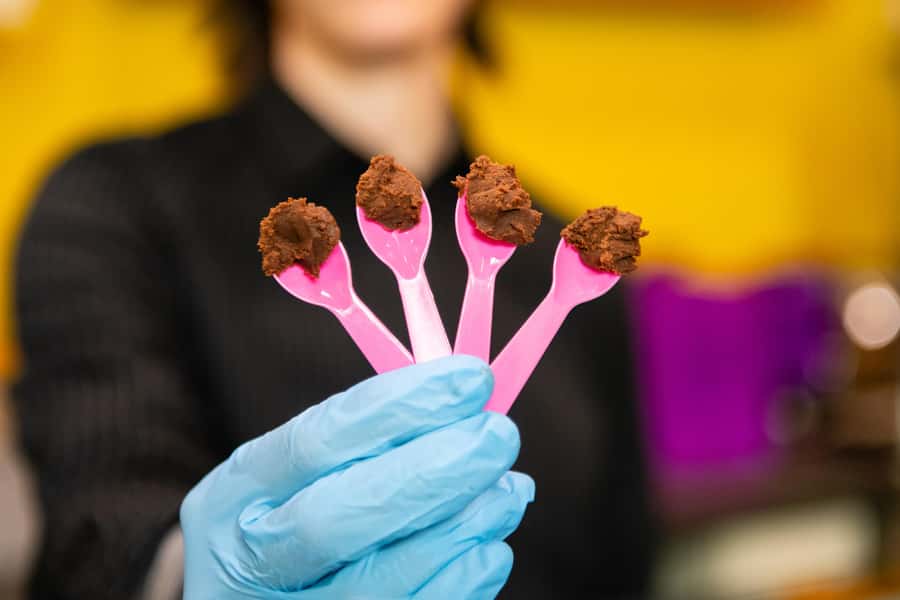
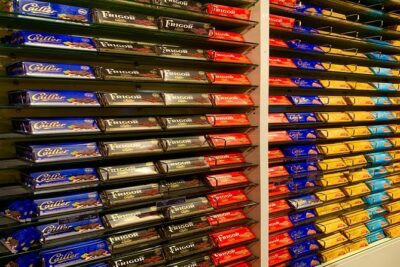
The meeting point is right outside SELEUŠS Chocolates, and that’s a smart move. Chocolate changes how you taste. It softens sharp edges, makes flavors feel more connected, and gives you a baseline before wine comes into the picture.
You’re not starting with a dry lecture or a random glass. You’re starting with something that most people already understand: sweet, creamy, and intense. From there, the pairing logic becomes easier to follow. You can ask yourself simple questions like: Does this wine make the chocolate taste fruitier, darker, or smoother? Does it make the chocolate feel heavier or lighter?
Also, the vibe matters. Starting at a chocolate shop tells your brain this is meant to be enjoyable. Not stressful. Not performative. And that theme shows up throughout the whole experience.
You can also read our reviews of more tours and experiences in Seattle.
The pairing philosophy: taste for pleasure, not to win
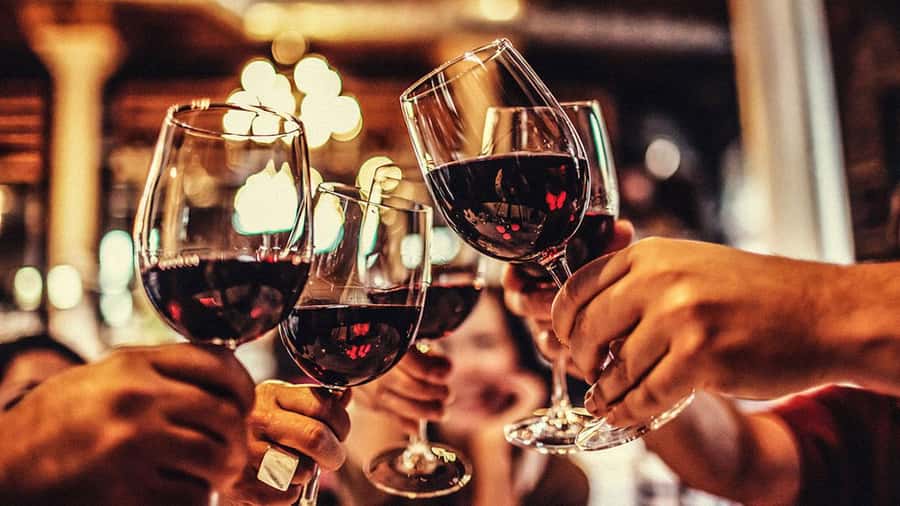
This tour does something many wine experiences forget: it stops treating wine knowledge like a personality contest. The approach is very clear—no trying to win wine, no check-the-right-answer energy.
Instead, the guide steers you toward your own palate. That matters because food and wine aren’t pass/fail. They’re emotional and personal. One person loves a crisp wine next to a rich cheese; another person wants contrast. The tour’s pairings are designed to help you notice the difference, not to prove a rule.
You’ll also see that the tastings aren’t guaranteed to be identical every day. That’s actually a plus if you like variety. It means you’re not just repeating a script someone else memorized. The goal is to keep the experience feeling like today’s discovery.
Stop by stop: how the 150 minutes usually flows
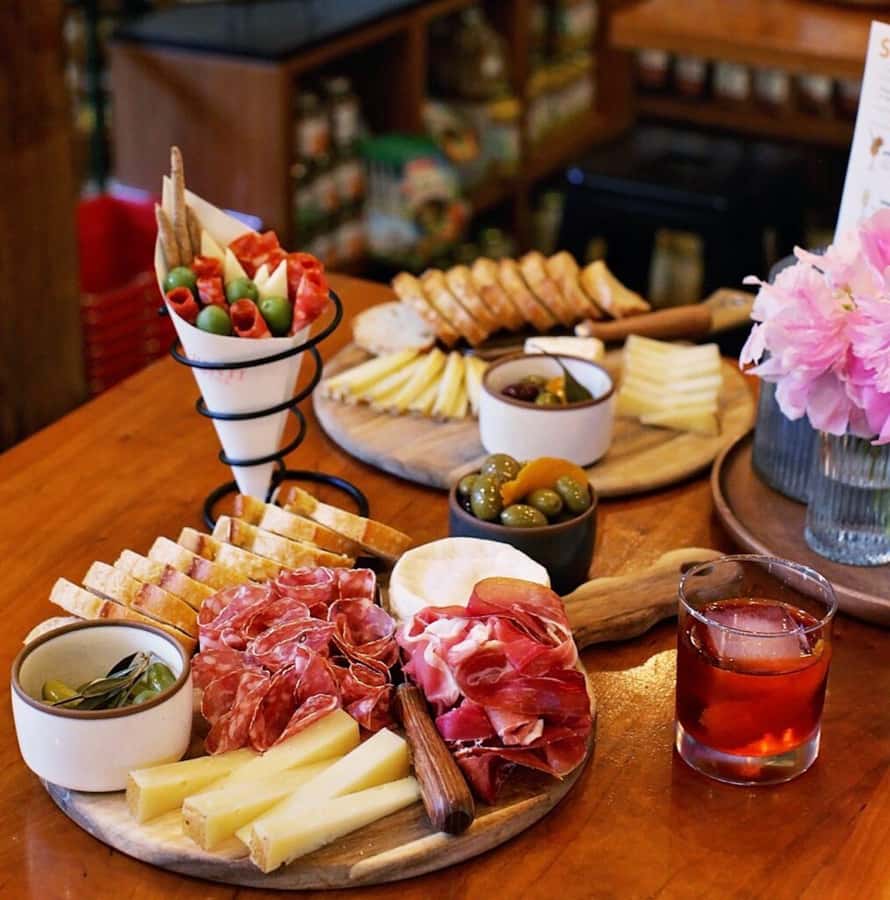
The overall duration is about 150 minutes, and the tour is structured around several tasting moments rather than one long, drawn-out event. You’ll move through multiple locations around downtown Seattle, then loop back to SELEUŠS Chocolates at the end.
Here’s how the time typically gets used, with what each segment is doing for you.
1) First tasting moment: setting your palate with wine and food
Early on, you get a combined wine tasting + food pairing session (about 30 minutes). This first block acts like your tuning fork. It helps you start noticing relationships fast—how sweetness affects acidity, how texture changes perceived flavor, how cheese richness interacts with tannins.
This is where I recommend you go in with two tactics:
- Take small sips and small bites. You’re comparing, not bulk tasting.
- After each pair, pause for one sentence in your head: did you prefer it together or apart?
2) Short food-only stop: quick contrast and texture changes
Next, there’s a shorter food tasting segment (around 10 minutes). Think of this as a palate reset. Cheese and chocolate can each push flavors in different directions; a quick stop helps your palate catch up instead of getting numb.
If you’re someone who gets overwhelmed by choices, these short food windows are helpful. You’re not stuck making one massive decision for half an hour.
3) Pike Place Market: a real-world Seattle food intermission
Then you’ll head to Pike Place Market for a 10-minute food market visit. This stop isn’t meant to turn into a shopping expedition. It gives you a quick look at how food culture feels in Seattle—eyes up, aromas around, people moving.
A practical note: because time is short, focus on one or two things you’d actually snack on. Don’t try to see everything. This is a snapshot, not a full market wander.
4) More food tasting: the tour keeps changing texture
After Pike Place, there’s another food tasting moment (about 10 minutes). This is where the tour can surprise you with different styles and approaches. Even if your favorite thing so far is a certain cheese texture, this segment helps you adjust your expectations.
This is also where your notes (mental or written) start to matter. If you remember what worked earlier, you’ll better understand why the next pairing lands differently.
5) Second longer wine-and-food block: Pacific Northwest focus shows up here
Later you’ll do another wine tasting + food pairing session (about 30 minutes). This is one of the tour’s main learning sections, and it tends to be where the Northwest terroir theme gets real.
The tour leans toward wines from the Pacific Northwest, so you’ll get exposure to styles and production choices that don’t always show up on generic wine lists. You’re tasting more than one approach, and that helps you understand that “wine” isn’t a single personality.
6) Third wine tasting block: more direct wine comparison
You’ll also have a wine tasting segment on its own (about 30 minutes). Without the food right next to every sip, you can taste wine more independently and then later connect it back to what you ate.
This is a good time to think about structure: acidity, sweetness, tannin feel, and how long flavors linger. You don’t need a fancy vocabulary. Even simple labels like crisp, round, bold, or smooth are enough to track your preferences.
7) Final food tastings: small finish, big payoff
The later part of the tour includes more food tasting time (around 10 minutes and then a longer one around 15 minutes). The idea is a satisfying finish that doesn’t drag.
This ending matters because chocolate and cheese can be intense. The tour’s pace keeps it from becoming one endless tasting marathon.
Finally, you arrive back at SELEUŠS Chocolates.
What the wine focus really gives you (beyond good sips)
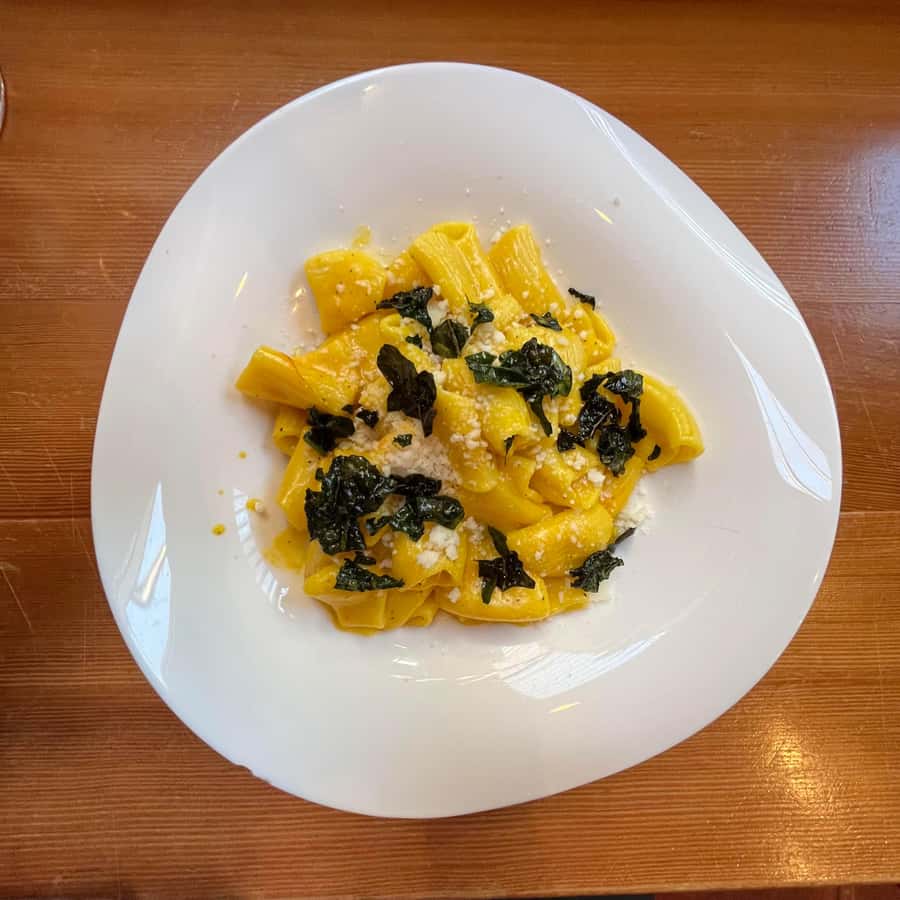
The tour promises varying styles and approaches to wine, with a lean toward the Pacific Northwest. That’s the heart of why this works for both beginners and experienced tasters.
If you’re new: you’re learning through comparison. You taste, you notice differences, and the guide nudges you to describe what you feel rather than recite a textbook.
If you already know wine: you’re getting variety without the snobby vibe. You’re also learning how Washington-style choices can behave alongside dairy and cocoa, which is its own skill set.
And the “don’t stop trying to win wine” attitude is practical. Wine experiences often make people feel like they should get it right. This one tries to get you to enjoy it first, then understand it second.
The guides make or break the experience (and you have examples)
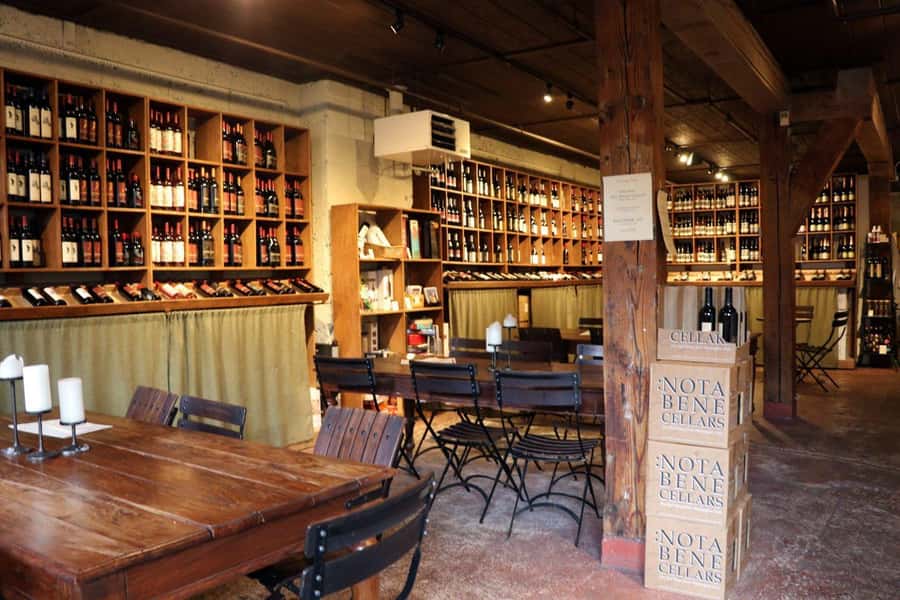
Most tours are only as good as the guide, and this one has a track record of strong performances. I’ve seen names like Maia and Will come up with clear patterns: they blend wine, food, and local storytelling in a way that keeps the group engaged.
Maia is praised for being very informative and for catering to the needs of a small group. Will is mentioned for knowledge across culture and wine, including how he connects it to different palates.
Still, keep one realistic thought in mind: one participant felt explanations didn’t match their learning expectations. That doesn’t mean the tour is bad—it just means you should book with the right mindset. Go for discovery and enjoy the food first. If you want a classroom-style deep lecture, you may need to adjust your expectations.
Value check: $119 and what you’re really paying for
At $119 per person for about 150 minutes, you’re paying for three things:
- Multiple guided tastings across wine and food, spread through the tour
- Pairing decisions made in real time (not a fixed tasting flight)
- A small group experience limited to 10 participants, which usually means better attention than large-group formats
Is it cheap? No. But some people come away saying the food and wine quality felt worth it, and they mention leaving with more food than they expected. In practical terms, you should expect a solid amount of eating, not just a couple nibbles and a polite sip.
The best value comes when you treat it like a proper meal-and-sips experience. If you show up hungry and you genuinely like sampling, the price starts to look fair quickly.
One cost note: gratuity isn’t included, so plan for that in your total.
Who this Seattle wine, cheese, and chocolate tour suits best
This tour fits you if you want a guide to help you compare flavors without turning it into a test. It’s also a great match for people who like food pairings more than wine lectures, and anyone who wants a Seattle-to-Washington flavor story with stops that feel real.
It’s especially good for:
- Couples and small groups who want guided tasting plus a market intermission
- Wine beginners who feel intimidated by formal wine talk
- Experienced tasters who want Northwest focus and food pairing experimentation
- People who like chocolate and cheese enough to build the tour around them
It may not fit as well if you:
- Expect a strict, identical syllabus every day
- Want a long, sit-down lecture about wine science
- Need a very heavy bread-and-cheese setup as part of the promise (one person said it didn’t match what they expected)
Practical tips so you enjoy every stop
A few small moves can make this much more fun:
- Eat before you arrive only lightly. You want to be hungry enough to enjoy pairings, but not stuffed.
- Go slow with wine. You’ll have multiple tastings across the tour, so pace yourself.
- Ask one question per segment. Something like: What should I taste for in this pairing? It helps you engage without turning every sip into a homework assignment.
- Wear comfy shoes. You’re moving between several locations in a concentrated time window.
Also, the meeting instructions say to meet your guide on the sidewalk outside SELEUŠS Chocolates and not to ask shop staff for tour details. So arrive a touch early and wait for your guide.
Should you book this tour?
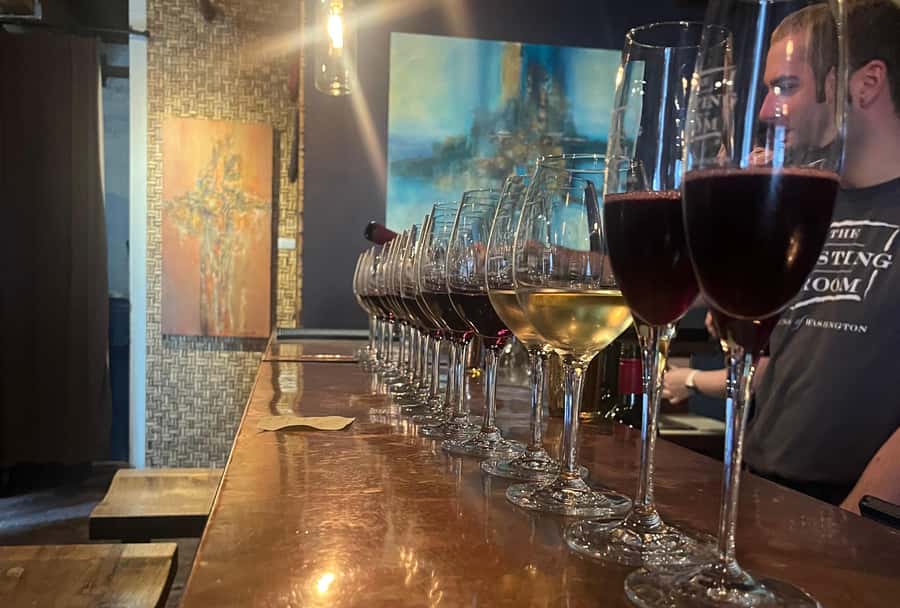
I’d book it if you want a fun, food-first Seattle experience that still gives you meaningful wine comparisons, with a Pacific Northwest focus. The strongest reason to go is the pairing philosophy: you taste to discover, and you get multiple guided moments in about 150 minutes without getting stuck in a lecture.
Skip it (or at least rethink expectations) if you’re looking for a formal lesson plan where every pairing and explanation feels standardized down to the last bread bite. Also consider that it’s a splurge, so treat it like a meal-and-sips outing.
If your ideal day includes chocolate, cheese, wine, and a guide who steers you toward what you personally like, this one is a solid choice.