REVIEW · VERONA
Verona: Cheese Tasting and Pairing
Book on GetYourGuide →Operated by La Botteghetta La Bottega di Verona · Bookable on GetYourGuide
Five bites, big flavor clues.
This one-hour Verona cheese tasting is built around using your eyes, nose, and hands before you even take a bite, which makes the whole experience feel smarter than a basic platter. I especially like the focus on five local cheeses from the Veneto area and the way the guide explains the production traditions behind what you’re tasting. The main drawback to weigh is simple: it’s short, so if you want a long, sit-down food lecture, this may feel more like a guided tasting than a deep seminar.
You meet at Botteghetta, and the mood is personal, not tour-bus loud. You’ll taste regional flavors that have shaped local cuisine for centuries, and you’ll learn how to put combinations together—without relying only on taste. One practical consideration: it’s not wheelchair accessible, and it’s for adults 18+.
In This Review
- Key things I’d watch for before you go
- A One-Hour Verona Cheese Lesson That Uses Your Whole Senses
- Meeting at Botteghetta: Why the Location Matters
- The Step-by-Step Tasting Flow (So You Know What Happens Next)
- The Veneto Cheeses: Five Styles Plus Monte Veronese
- Jams, Honey, Mustards, and Fruit: How the Pairing Works
- Breadsticks, Water, and Optional Wine Pairings
- What the Production Traditions Teach You (Beyond Flavor)
- Price and Value: Is $53 Worth It?
- Who This Verona Cheese Tasting Fits Best
- The Booking Checklist (Quick and Real)
- Should You Book This Verona Cheese Tasting?
- FAQ
- How long is the Verona cheese tasting?
- Where do I meet for the tasting?
- What cheeses are included?
- What else is included besides cheese?
- Are wine pairings included?
- Do I need to bring ID?
- Is the experience wheelchair accessible or suitable for kids?
Key things I’d watch for before you go
- Look first, then smell and touch: the pacing teaches you to notice details before flavor hits.
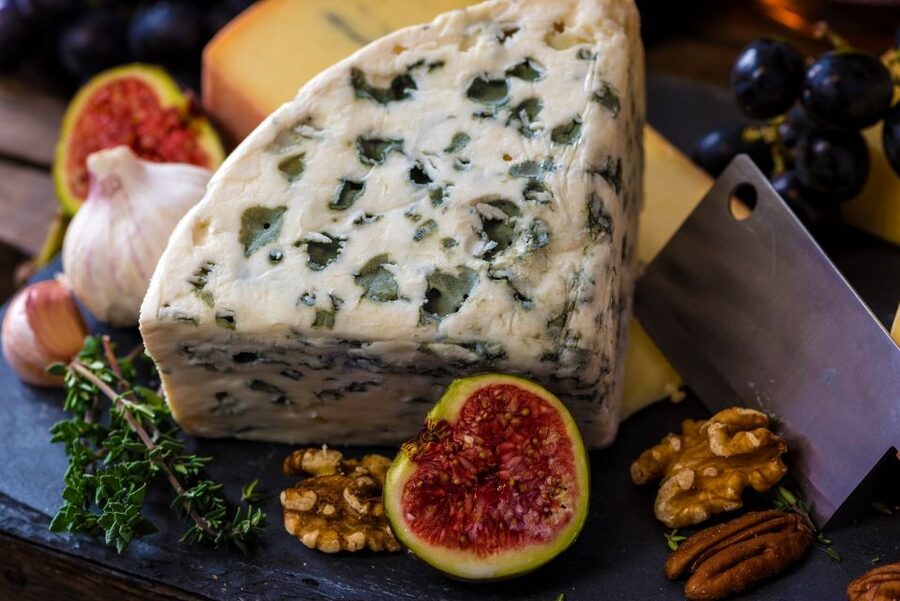
- Five Veneto cheeses: one of the highlights is Monte Veronese, paired and explained in context.
- Jams, honey, mustards, and fruit: you’ll see how sweetness, tang, and aromatic notes work together.
- A platter designed for your palate: the arrangement isn’t random; it’s part of the lesson.
- Wine pairings on request: you can keep it lighter with water, or add wine if it fits your day.
A One-Hour Verona Cheese Lesson That Uses Your Whole Senses
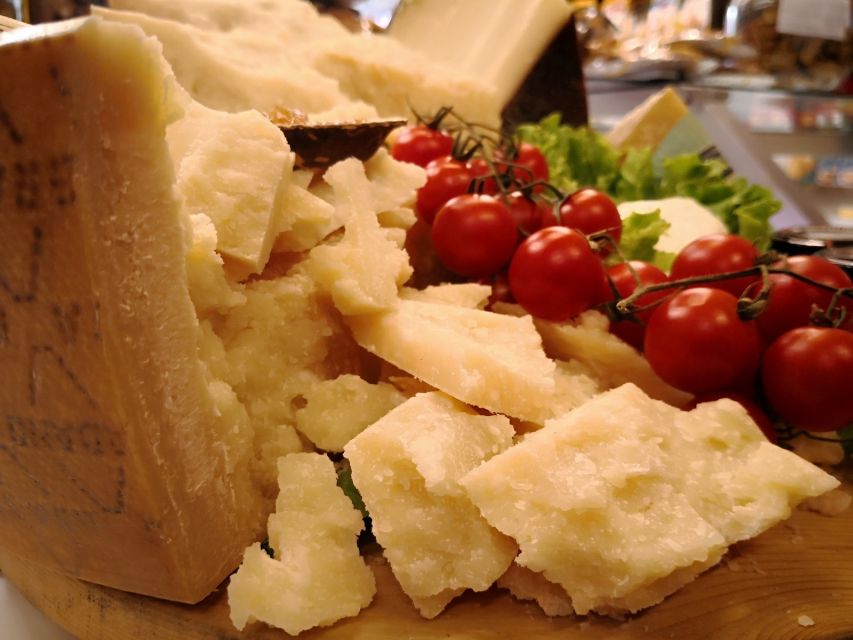
This tasting is built like a mini training course for your senses. You start with your eyes: you view the cheese before it ever touches your mouth. Then comes the part I think most people forget they can do—touch and smell—so your palate is already “primed” when you finally take the first bite. It’s a small change, but it makes a big difference in how clearly you notice texture, aroma, and aftertaste.
The guide also nudges you toward a better habit: don’t trust taste alone. Cheese is half flavor, half scent, and a lot of it is texture. If you’ve ever tried cheese in a store and wondered why it didn’t taste like the version you had somewhere memorable, this helps explain what you were missing.
You can also read our reviews of more tours and experiences in Verona.
Meeting at Botteghetta: Why the Location Matters
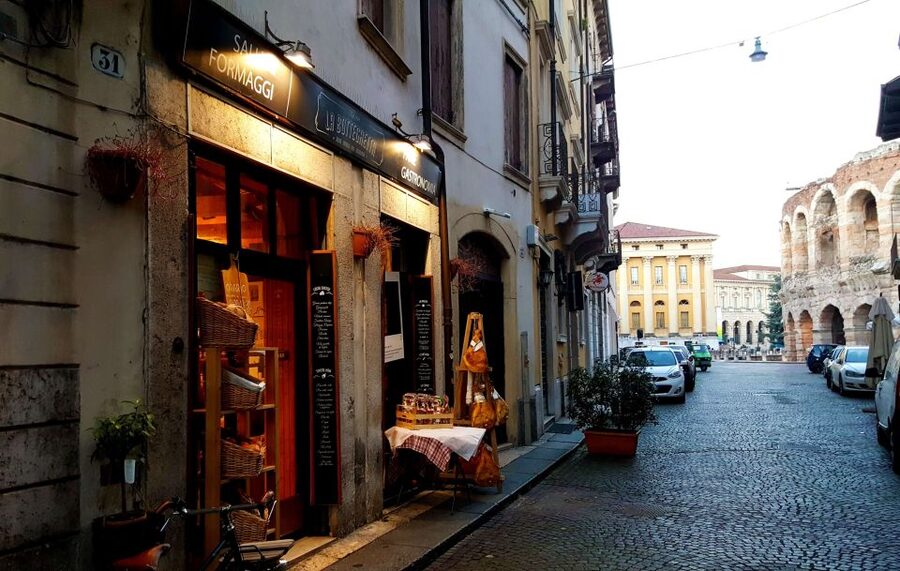
You’ll meet at the historic shop Botteghetta. That setting matters because it keeps the experience rooted in Verona’s shop-and-craft culture, not some anonymous tasting room. Instead of a big group funneling through, the experience feels made for conversation—enough time for questions and quick clarifications while you’re tasting.
This is also the kind of tour where timing is part of the product. Arrive about 15 minutes early so you can settle in and start with the cheese right on schedule. You’ll get the full flow only if you’re there when the tasting begins.
The Step-by-Step Tasting Flow (So You Know What Happens Next)
Expect a guided rhythm with a clear purpose at each stage. Here’s how it plays out:
1) See the cheese first
You get a look at what you’re about to taste. That sounds basic, but it primes your brain to connect appearance with style—things like how the rind looks, or how the paste seems to hold together.
2) Touch and smell before the bite
The guide has you touch and smell the cheese to prep your palate. This is where you start noticing aromatic direction: nutty, grassy, buttery, sharp, or pleasantly funky. You’re not guessing anymore—you’re collecting clues.
3) Take the bite and learn the real flavor
Only after smelling and touching do you go for the bite. That helps you catch details you’d otherwise miss when your mouth gets the first word.
4) Taste the platter as a system
As you go, you’re also learning how the cheese sits alongside other items: fruit, honey, and sweet jams. The goal is to build combinations intentionally, not randomly snack your way through.
If you’re the type who loves process—how things work—you’ll enjoy this part. If you just want to eat as fast as possible, slow down for a minute. The tour is short, so the steps matter.
The Veneto Cheeses: Five Styles Plus Monte Veronese
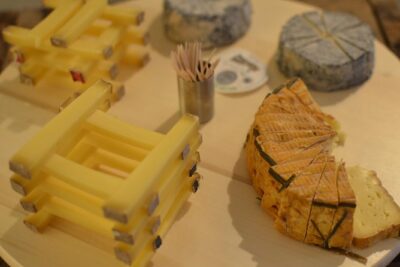
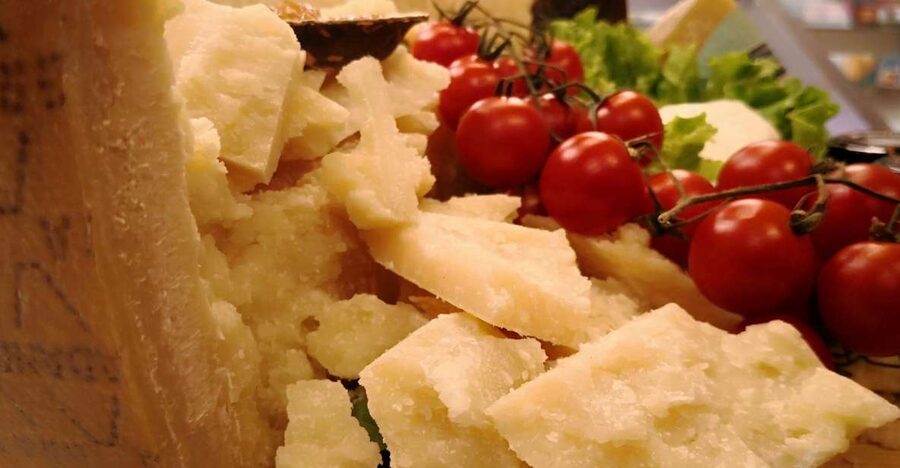
The tasting includes five different regional cheeses from the Veneto area. You’ll learn to distinguish types and understand the production philosophy and traditions behind them. That matters because “Italian cheese” isn’t one flavor—it’s a range shaped by local methods.
One cheese you’re likely to encounter is Monte Veronese, highlighted as a known local favorite. In a tasting like this, the value isn’t only that it tastes good—it’s that the guide helps you place it: what makes it typical, how it behaves when paired, and what to notice as it changes in your mouth.
The other four cheeses are chosen to broaden your sense of what Veneto styles can be. Even without you memorizing names, you’ll leave with a sharper ability to tell styles apart and decide what kind of cheese you actually prefer (rather than just buying what’s popular).
Jams, Honey, Mustards, and Fruit: How the Pairing Works
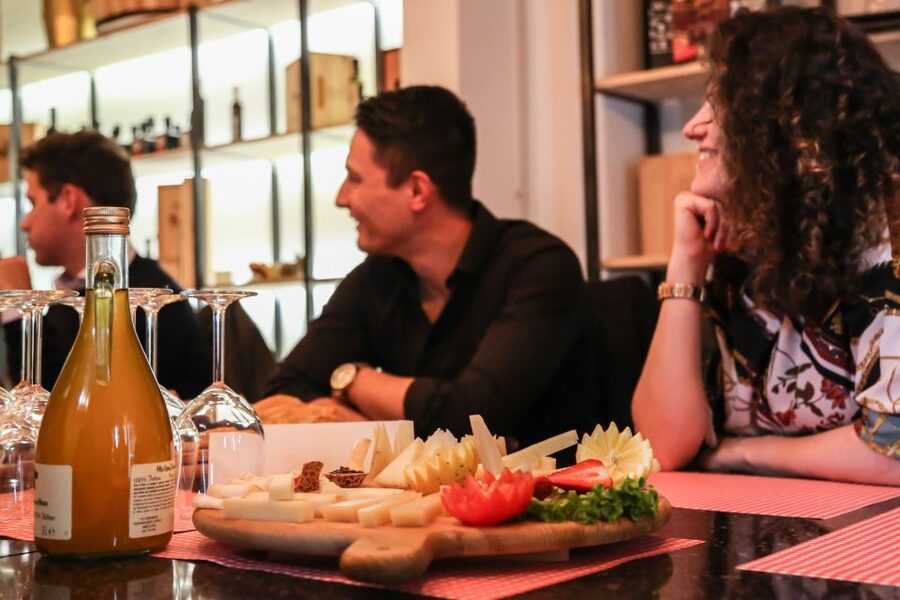
Here’s where the tour turns into a real skill. You won’t just taste cheese; you’ll taste how cheese interacts with sweetness and acidity.
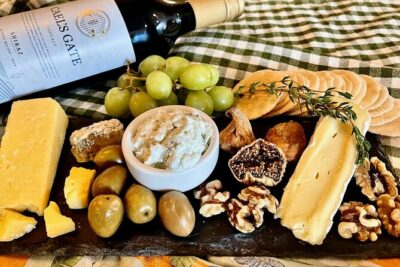
Your platter includes:
- fresh fruit
- honey
- sweet jams
- and mustards
The smart trick is how these elements affect aroma and flavor balance. Honey and jams add sweetness and floral notes, while fruit brings freshness and sometimes a brightness that cuts through richness. Mustards add a tang that can sharpen a cheese’s profile and make flavors feel more defined.
You’ll likely start noticing that the same cheese can taste totally different depending on what you pair it with—especially when you move from tasting plain to tasting with fruit or a sweet-spread. That’s exactly the lesson you can use later in a shop or at a restaurant.
Breadsticks, Water, and Optional Wine Pairings
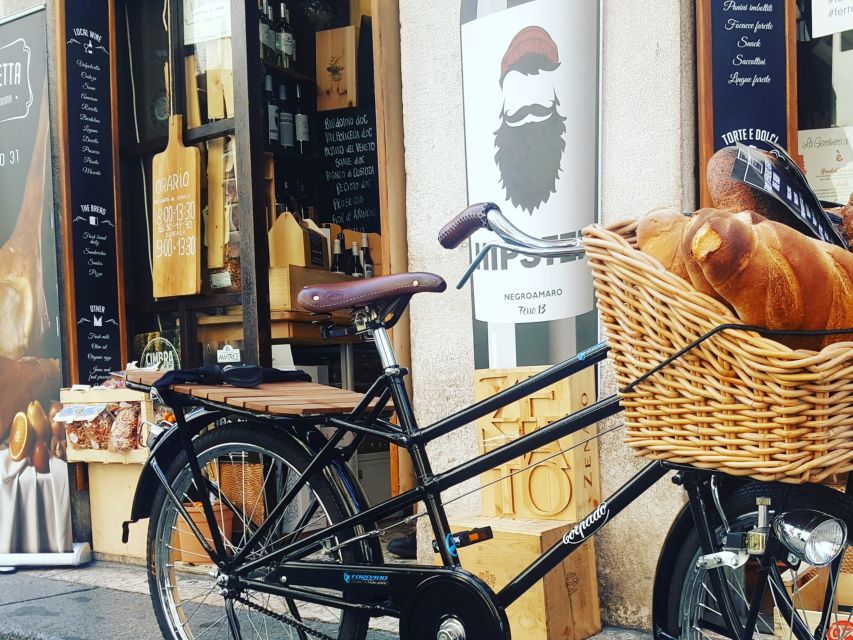
You’ll also get bread and breadsticks, plus sparkling and mineral water. This isn’t filler. Bread gives you a neutral reset between tastes so you can compare more clearly from one cheese to the next.
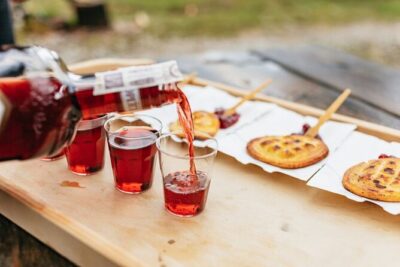
Wine pairing is available on request. That option is worth it if you like to understand how acidity and tannins interact with dairy. If you’re keeping your day light, the water pairing is still enough to stay refreshed and focused—especially because the tasting already asks a lot from your senses.
One practical point: the minimum drinking age is 18+, so you’ll need to bring an ID/passport if you plan to include wine.
What the Production Traditions Teach You (Beyond Flavor)
This tasting has a bigger goal than taste alone. You’re learning the production philosophy and traditions behind important regional products. That kind of context helps your brain make sense of what you’re experiencing.
For example, once you understand that cheese styles reflect specific regional habits—how they’re made, aged, and cared for—you stop treating cheese as random. You start treating it like a food with logic. That’s why the guide emphasizes that relying on taste alone won’t suffice. When you learn what drives the style, you can predict what you’ll like next.
And the platter itself reinforces the teaching. It’s arranged to create a cornucopia of fragrances and aromas that saturate your palate—not just one cheese on one plate. The pairing items are part of the lesson plan.
Price and Value: Is $53 Worth It?
At $53 per person for about one hour, the price looks “boutique,” but the value depends on how you like to travel.
This is strong value if you want:
- structured guidance (not just free sampling)
- learning how to pair flavors
- a small, personal experience rather than a long buffet setup
You’re paying for the guide’s method: the look-smell-touch-bite sequence, the explanation of five cheese types, and the pairing approach with fruit, honey, jams, and mustards. Those are the things that turn eating into understanding.
The only time I’d hesitate is if your expectation is a long-form experience. One short tour can feel too simple if you’re hoping for extended sitting time. But if you like focused sessions with clear takeaways, this is priced like a skill-building tasting—and it fits the one-hour length.
Who This Verona Cheese Tasting Fits Best
This experience is best for you if you like food in a hands-on, practical way. You don’t need to be a cheese expert. You just need curiosity and a willingness to slow down.
It’s a great fit for:
- couples and small friend groups who want a shared, relaxed activity
- adults who want to understand Veneto flavors instead of just eating them
- travelers who enjoy pairings and want a method to recreate the experience later
It’s not a fit for:
- wheelchair users (no wheelchair access)
- children under 18
- anyone who wants a fast grab-and-go snack (it’s short, but it has steps)
The Booking Checklist (Quick and Real)
Before you go, keep this in your head:
- Bring your passport or ID card (important especially if you request wine).
- Plan to arrive 15 minutes early so you don’t miss the start of the tasting flow.
- If you’re sensitive to alcohol pairings, you can skip wine and stick with water and cheese-focused learning.
- Wear or bring something comfortable. You’ll be leaning in, smelling, and tasting in a fairly close setting.
Should You Book This Verona Cheese Tasting?
I’d book it if your goal is to leave with more than a full stomach—you want a clearer way to taste, pair, and choose cheese like a local. The method (look, touch, smell, bite), the five-cheese structure, and the pairing lineup with honey, jams, mustards, and fruit make this feel like a mini workshop, not just a snack stop.
Skip it only if you’re expecting a long, multi-course lesson or you prefer big-group, no-explanation food tourism. Otherwise, this is a straightforward way to understand why Veneto cheeses matter—and it’s easy to fit into a Verona day.
FAQ
How long is the Verona cheese tasting?
The experience lasts 1 hour.
Where do I meet for the tasting?
You’ll meet at the historic shop Botteghetta.
What cheeses are included?
The tasting includes five different types of regional cheeses from the Veneto area, including Monte Veronese.
What else is included besides cheese?
You’ll also get jams, honey, mustards, fresh fruit, bread, and breadsticks, plus sparkling and mineral water.
Are wine pairings included?
Wine pairings are available on request.
Do I need to bring ID?
Yes. You’ll need a passport or ID card, and the wine pairing option follows a minimum drinking age of 18+.
Is the experience wheelchair accessible or suitable for kids?
No, it’s not wheelchair accessible. It’s not suitable for children under 18.