REVIEW · PARIS
Paris Wine with Cheese Pairing & Tasting Small Group Class
Book on Viator →Operated by Le Foodist · Bookable on Viator
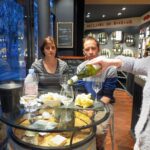
Wine and cheese, taught like a pro. In central Paris, a sommelier leads a small-group tasting of four French wines plus Champagne, paired with classic cheese families. You also get bread, olives, sliced ham, and other nibbles that make the flavors feel like a real meal, not a lab.
Two things I really like: the hands-on pairing moments, where you taste, compare, and adjust what you do with each bite. And I especially enjoy the human touch you get from instructor Stéphane, who keeps the room laughing while you learn how to read what is in your glass.
One consideration: at $113.49 for about two hours, it is not a casual bargain, and it does center on wine and Champagne, so plan for an 18+ tasting.
In This Review
- Key highlights to know before you go
- Le Foodist base in Paris: quick, central, and built for tasting
- How the class is structured: tasting first, explanations right after
- Four French wines plus Champagne: what you sample and what to listen for
- Five French cheese families: learn the logic, not just the label
- Terroir, translated into something you can taste
- The food helpers: bread, olives, and sliced ham make the pairing click
- Champagne sabering: the fun skill you actually get to try
- The Drop-Stop pour aid: a small souvenir with real use
- Price and value: is $113.49 worth it?
- Who this class suits best (and who should skip it)
- A practical tip list before you go
- Should you book this Paris wine and cheese class?
- FAQ
- Where does the class meet in Paris?
- What time does the experience start?
- How long is the class?
- How many wines are included?
- How much cheese do I taste?
- What food is included besides cheese and wine?
- Is there a Champagne activity during the class?
- What is the maximum group size?
- What is the minimum drinking age?
- Can I cancel and get a refund?
Key highlights to know before you go
- Small group size (max 16) means you can actually ask questions and get guidance during tastings.
- Four French wines plus one Champagne gives you range across regions, not just one style.
- Five major French cheese families helps you understand flavor patterns, not only names on a label.
- Terroir becomes practical as you connect where the products come from to how they taste.
- Champagne sabering practice is a memorable hands-on skill, not just a demo.
- Drop-Stop pour aid included at the end helps you keep a steady pour back home.
Le Foodist base in Paris: quick, central, and built for tasting
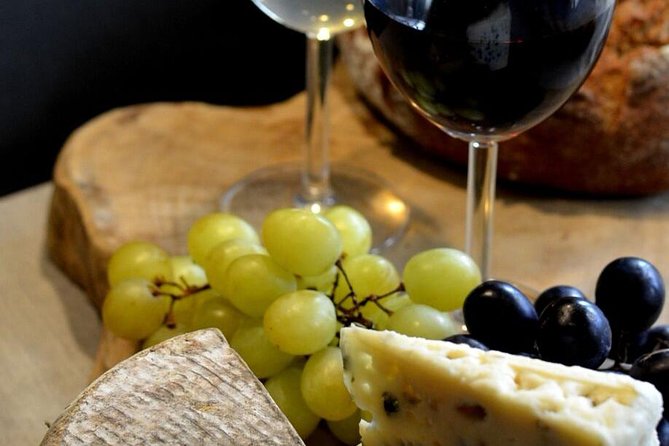
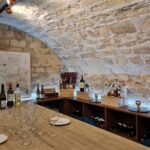
This class meets at Le Foodist, 59 Rue du Cardinal Lemoine in the Latin Quarter (5th arrondissement). It is a great spot for a food-focused morning because you are already in a neighborhood where walking between sights and meals feels natural.
You start at 12:00 pm and the session runs about 2 hours. That timing matters because it gives you enough room to taste, learn, and get the Champagne moment without eating your whole day.
You can also read our reviews of more tours and experiences in Paris.
How the class is structured: tasting first, explanations right after
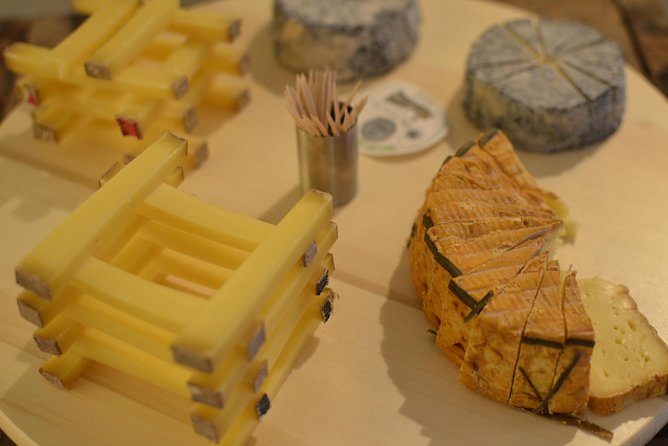
The flow is simple. Your sommelier host starts by guiding you through the art of tasting, then you apply it immediately with each pour and each cheese. That is the big difference between this and a passive tasting where you just sit and swallow.
You will learn the key ideas behind pairing: how acidity, fat, salt, and aroma interact. Instead of memorizing rules, you get practice making choices while the flavors are still in your mouth.
And yes, the vibe is fun. From what I gathered, Stéphane keeps it light with humor, so even if you do not know much about French wine or cheese, you are not stuck feeling lost.
Four French wines plus Champagne: what you sample and what to listen for
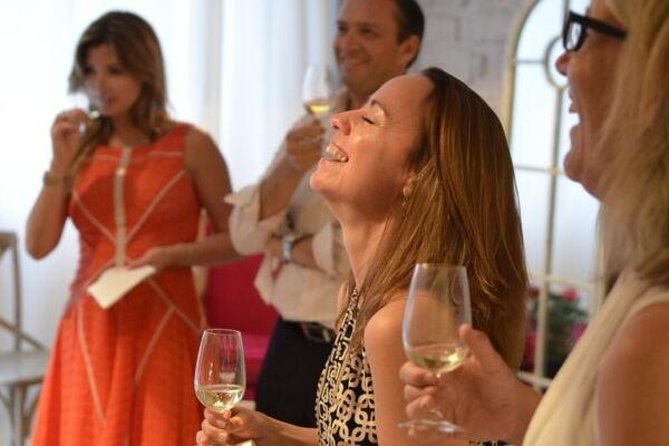
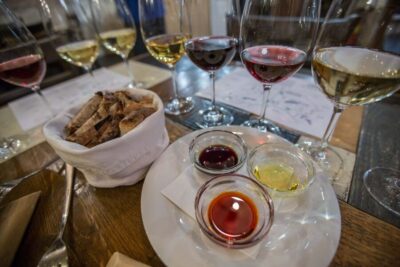
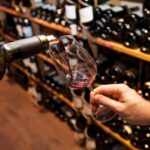
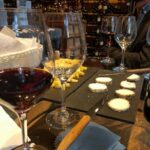
You will taste four wines from different regions across France, plus one Champagne. That range is valuable because it trains your palate to notice patterns tied to place, style, and grape choices rather than chasing one flavor you happen to like.
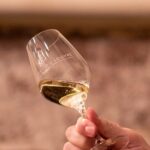
As you taste, your guide explains the geographical and historical origins of what you are drinking. Even if you do not catch every detail, focus on three things: the wine’s balance, its aroma, and how it changes after a bite of cheese.
The Champagne also does more than just add sparkle. Champagne acts like a palate reset tool thanks to its lively feel, which is exactly why it pairs well with a range of cheese styles.
Five French cheese families: learn the logic, not just the label
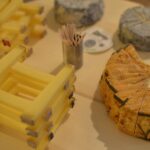
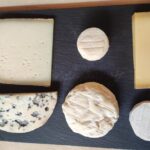
A lot of cheese tastings stop at naming. This one helps you organize what you taste by introducing the five major French cheese families. Once you understand the family idea, your future cheese choices get easier because you can predict the flavor direction.
You then sample cheeses from those families to feel the differences firsthand. The goal is not to turn you into a cheese critic; it is to make you more confident when you are ordering in a shop or building a plate.
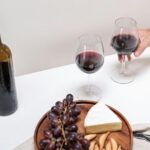
Pairing matters here. You get bread and olives, plus sliced ham, so you can test how salt and starch affect the same cheese. If one bite feels too intense alone, you learn how to soften it or sharpen it with the right companion.
Terroir, translated into something you can taste
You will also hear about the concept of terroir, which basically means the whole set of conditions that shape grapes and dairy. In practical terms, terroir is why two wines can look similar in a glass but taste different after you notice the balance and aromas.
What I like is that terroir is not left as a fancy word. You taste and compare, then your guide connects the idea back to where the product comes from and why it matters.
If you have ever wondered why French cheeses taste so consistent in flavor quality, terroir is a big part of that story. You do not need to be an expert to appreciate the link once you have a guided comparison in front of you.

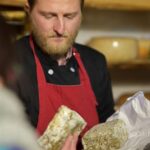
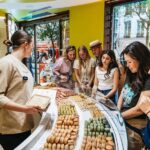
The food helpers: bread, olives, and sliced ham make the pairing click
The class includes cheese with supporting nibbles: bread, olives, and ham (plus the cheese and wine samples). Those extras are not filler; they give you real-life pairing tools you will use later.
Bread helps absorb and buffer strong flavors, so you can keep tasting without the palate getting overwhelmed. Olives add salt and intensity that can either sharpen a cheese or change how a wine’s acidity feels.
Sliced ham adds a savory, salty note that can make certain pairings taste more integrated. You get practice noticing what happens when a pairing is not just wine plus cheese, but wine plus the whole mini-plate.
Champagne sabering: the fun skill you actually get to try
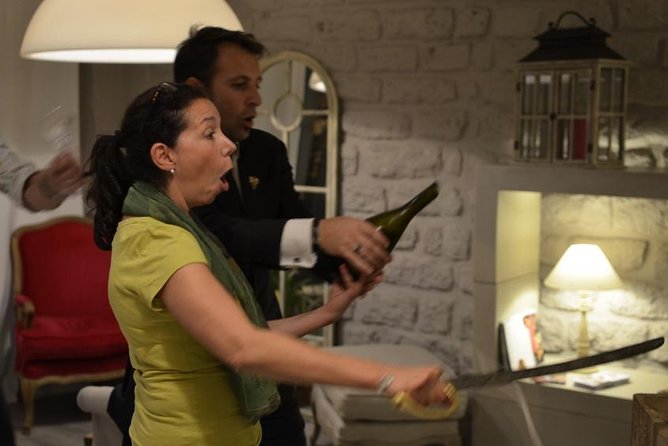
One of the most memorable parts is the hands-on Champagne moment. You will learn the art of sabering a Champagne bottle, then share a glass with your classmates.
Even if you are nervous about anything hands-on, this is structured as a guided experience rather than a random stunt. And the theater is part of the charm: that Champagne pop is instant satisfaction.
If you like quirky skills, this is your moment. If you prefer things strictly practical, you can still enjoy it because it ties to the Champagne portion of the class and helps you remember that style is part of the pairing story.
The Drop-Stop pour aid: a small souvenir with real use
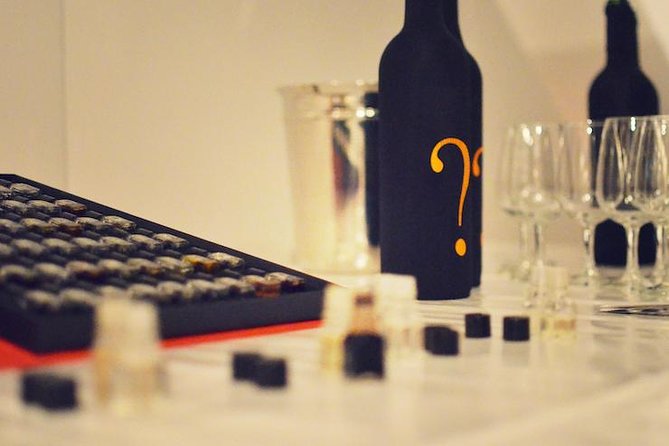
At the end of the class, you receive Drop-Stop, a pour aid designed for a cleaner, more controlled pour. It is a tiny takeaway, but it is also a practical one.
If you like recreating what you learned at home, this helps you keep that flow consistent when you practice tasting and pairing again.
Price and value: is $113.49 worth it?
At $113.49 per person for about two hours, you are paying for more than drinks and snacks. You are paying for a guided process: tastings that are explained in context, pairing practice with multiple items, and an instructor-led Champagne technique.
You get 4 wine samples + 1 Champagne sample, plus cheeses across major families and extra nibbles like bread, olives, and ham. For a Paris experience, the value sits in the structure. You leave with a way to think about pairing, not just a full stomach.
If your goal is strictly to get drunk quickly or treat this like a self-guided tasting, then it may feel pricey. If your goal is to understand what you like and why, the price starts to feel fair fast.
Who this class suits best (and who should skip it)
This is ideal for food lovers who want a real lesson without formal studying. It also works well if you are a beginner: you get coaching on tasting and pairing principles while you sample a range of French styles.
You might want to skip it if you do not eat or drink much cheese or wine. Since the class includes multiple tastings and a sabering Champagne moment, the pace is designed for people who want to participate.
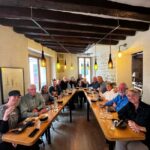
It also fits couples, small groups of friends, and solo travelers. The maximum of 16 travelers helps keep the atmosphere personal and question-friendly.
A practical tip list before you go
Plan to take your time with each pairing. If you rush, you miss the comparisons that make the class worth it.
If you are sensitive to strong flavors, pay attention to the order and use the bread and olives to reset. The point is to learn how pairings behave, and that takes a calm palate.
Finally, bring curiosity, not expertise. The session is built so that even if your French wine and cheese vocabulary is basic, you still get meaningful takeaways.
Should you book this Paris wine and cheese class?
Book it if you want a structured, fun way to learn pairing in a single sitting, and you like the idea of tasting across multiple regions and cheese families. The small-group format, Stéphane’s teaching style, and the hands-on Champagne sabering make it feel like an experience rather than a generic tasting.
Skip it if you are hoping for a long walking food tour, or if wine-and-cheese learning feels like work to you. For the right person, though, this is one of those Paris stops that pays off later when you shop, order, or host at home.
FAQ
Where does the class meet in Paris?
It meets at Le Foodist, 59 Rue du Cardinal Lemoine, 75005 Paris, France.
What time does the experience start?
The start time is 12:00 pm.
How long is the class?
It lasts about 2 hours.
How many wines are included?
You get 4 wine samples, plus 1 Champagne sample.
How much cheese do I taste?
You taste cheeses representing the five major French cheese families.
What food is included besides cheese and wine?
The class includes bread, olives, and sliced ham.
Is there a Champagne activity during the class?
Yes. You will learn the art of sabering a Champagne bottle and then share a glass with the group.
What is the maximum group size?
The class has a maximum of 16 travelers.
What is the minimum drinking age?
The minimum drinking age is 18 years.
Can I cancel and get a refund?
You can cancel up to 6 days in advance for a full refund. If you cancel 2–6 days before, you get a 50% refund, and if you cancel less than 2 days before, the amount paid is not refunded.