REVIEW · PARIS
Private Montmartre Food Tour with Wine, Cheese & Pastries
Book on Viator →Operated by Secret Food Tours · Bookable on Viator
Food and views in Montmartre beats guesswork. This private half-day stroll brings you into the 18th arrondissement for a real feel of everyday Paris, with guided tasting stops and a custom picnic plan. I especially like that the experience leans on local storytelling, so the walk is more than just eating.
Second, I like the sheer variety you get: French cheeses, fresh pastries, crêpes, macarons, artisan chocolates, cured meats, breads, and a surprise secret dish. The one drawback to keep in mind is that it’s a lot of walking in about 3.5 hours, so wear comfortable shoes and don’t plan this right after a late-night flight.
In This Review
- Key Points to Know Before You Go
- Why This Montmartre Food Tour Works So Well
- Getting Oriented: Boulevard de Clichy to the Montmartre Rhythm
- Sacré-Cœur Area: More Than a Photo Stop
- Fabrics and Fashion Energy in the 18th Arrondissement
- The Tasting Core: Cheese, Bread, Pastries, and Cured Meats
- Crêpes, Macarons, and Chocolate That Actually Tastes Like Something
- The Secret Dish and Why a Surprise Can Be Useful
- Bespoke Picnic Lunch Shopping: How You Leave With Skills, Not Leftovers
- Private Guide Experience: Local Pride, Personal Pace
- Price and Value: What $302.32 Per Person Is Really Buying
- Who Should Book This Tour (and Who Might Not)
- Should You Book This Private Montmartre Food Tour?
- FAQ
- How long is the Private Montmartre Food Tour with Wine, Cheese & Pastries?
- Is the tour private or shared with other groups?
- What food is included on the tour?
- What are the tour’s starting and ending points?
- Can the tour accommodate dietary requirements?
- What happens if I cancel?
Key Points to Know Before You Go
- Private, half-day format that fits groups who want a more personal pace than a big bus tour
- Montmartre food tastings built around real French classics, not just tourist plates
- A bespoke picnic lunch shopping hunt, so you’re eating what you picked (and learned)
- Guide quality matters here, with locals like Mattheiu, Rita, and Baptiste praised for history plus pride in the neighborhood
- Expect flexibility, since weather and availability can shift the exact menu and stops
Why This Montmartre Food Tour Works So Well
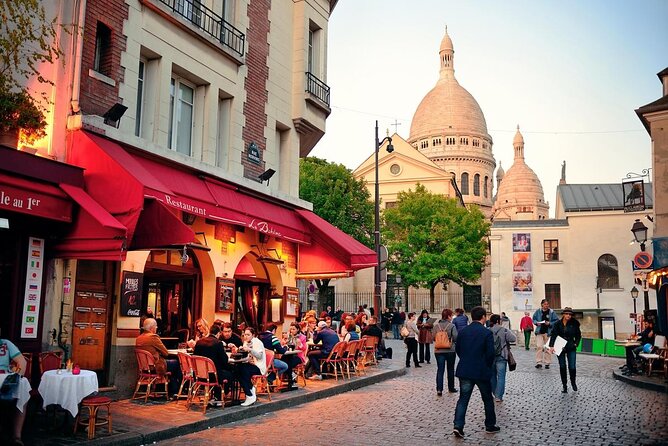
Montmartre can feel like it has two personalities: the postcard side at the top, and the lived-in neighborhood side once you move into the streets around the basilica and beyond. This tour is built for the second kind of experience. You’re not just passing through. You’re getting guided access to the food culture that makes this area so popular with locals, too.
The experience stands out because it connects three things in a practical way: walking context, tastings, and a picnic plan. You learn what to look for, then you taste it, then you leave with ideas for how to assemble a proper spread. It’s a smart combo if you want to eat well in Paris without feeling like you’re winging it at every corner.
And yes, the guide is a huge part of it. People often talk about how guides such as Mattheiu, Rita, and Baptiste bring local pride and history while keeping it upbeat. That matters because a food tour can turn into a checklist if the guide is just reciting. Here, the best moments come from knowing why a cheese works with a bread, or why a shop choice is a big deal in Paris.
You can also read our reviews of more tours and experiences in Paris.

Getting Oriented: Boulevard de Clichy to the Montmartre Rhythm
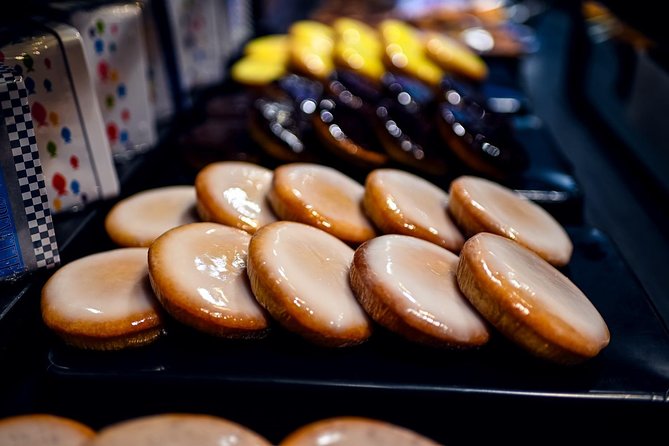
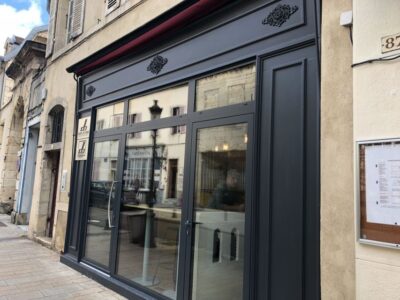
You start and end on Boulevard de Clichy, and the tour ends close to the Moulin Rouge area. That’s convenient for two reasons. First, it puts you in a central part of the 18th arrondissement where you can easily keep exploring after the tour. Second, it avoids the hassle of a far-flung meeting point that forces you to fight with multiple transfers just to begin.
It’s also close to public transportation. So if you’re staying somewhere like central Paris, you can usually reach this side of town without committing an entire morning to getting there. The tour runs about 3 hours 30 minutes, so you’re planning a half-day block, not a full-day production.
One practical tip: you’ll be walking. The operator strongly recommends comfortable walking shoes, and I agree. Even if the pace is reasonable, you’re still moving through neighborhood streets, stopping, tasting, and then moving on again. The best way to enjoy this type of tour is to dress for movement and keep your expectations realistic: you’re doing food culture, not sitting for long stretches.
Sacré-Cœur Area: More Than a Photo Stop
A major early landmark is the Roman Catholic basilica dedicated to the Sacred Heart of Jesus, perched atop the butte Montmartre. It’s a top sight in Paris—often described as the second most visited monument in the city—and it’s the kind of place where the setting explains the mood of the neighborhood.
What I like about including Sacré-Cœur in this kind of food tour is that it gives you a big visual anchor early on. You’re watching where the neighborhood rises into a scenic viewpoint, and that makes everything that comes after feel more grounded. Montmartre isn’t only about food; it’s about place—history, people, and changing streetscapes.
The potential drawback is that the area can be crowded (that’s Paris reality). If you’re sensitive to crowds, it helps to keep your mindset flexible and treat this moment as part of the overall Montmartre experience rather than a quiet sit-down attraction.
Also, remember: the exact flow can shift based on location availability and weather. That’s normal here. The tour is designed as a food-focused walk, so if something changes around the basilica area, you’ll still get the eating portion.
Fabrics and Fashion Energy in the 18th Arrondissement
Another stop is at a major cluster of fabric stores—described as the largest collection of stores in the Paris region dedicated to fabrics of all kinds—located in the northern part of the 18th arrondissement. That might not sound food-related at first, but it actually fits the Montmartre story.
Why it matters: textile shops connect to the idea of Paris as a craft city, where attention to materials is normal. If you’ve ever bought a scarf in France and wondered why it feels different, this is one of the reasons. Fabrics are about texture, quality, and choices made by people who understand what they’re holding.
For you as a traveler, this stop is a palate cleanser. You go from visual architecture to the practical world of threads and materials, then you return to eating with a calmer head. It also helps you understand why the 18th arrondissement can feel both traditional and multicultural at the same time—local industries, local shoppers, and different communities layered over each other.
This part of the tour isn’t about buying anything required; it’s about seeing the neighborhood’s texture. If you love street-level Paris—shops where locals actually browse—this moment will land well.
The Tasting Core: Cheese, Bread, Pastries, and Cured Meats
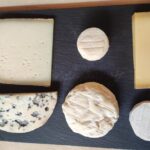
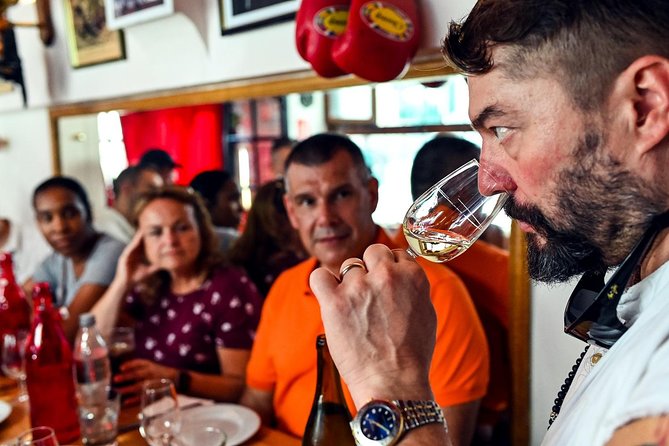
This tour earns its reputation through its lineup of food. You’re not just getting one or two snack samples. You’re getting a structured progression through French favorites: best French cheeses, fresh pastries, crêpes, authentic macarons, artisan chocolates, cured meats, freshly baked breads, and then a delicious secret dish.
Here’s why that matters for value. At $302.32 per person, you’re paying for a guide, a private group experience, and multiple food elements that would cost a lot if you bought them one by one across several neighborhoods. Even if you’re not a hardcore foodie, you’re eating enough to turn this into a real “food day anchor,” not a light stroll with three bites.
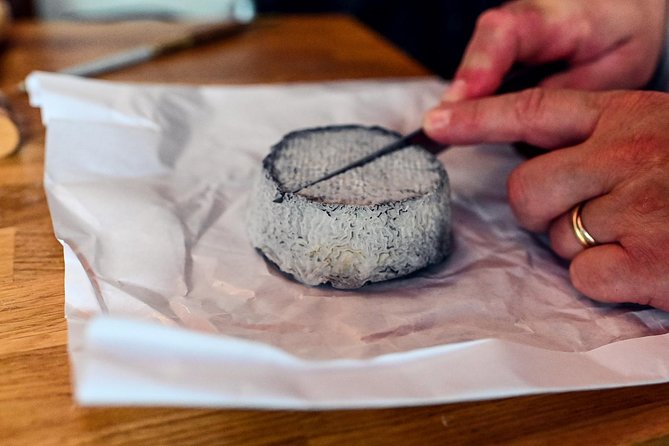
Cheese is the big hero here. French cheese is one of those categories where tasting with guidance helps you learn fast—what styles you like, what textures hit best, and how cheese can connect to bread and cured meats. The same goes for fresh breads and pastries. When they’re properly sourced and fresh, it stops being a novelty and becomes a technique lesson: you’re learning what good should taste like.
Cured meats are part of the same logic. Pairing matters in France, and having them in the mix gives you the chance to build your own picnic instincts. You’ll likely start thinking in combinations rather than random purchases, which is exactly how you make your next market stop more successful.



Crêpes, Macarons, and Chocolate That Actually Tastes Like Something
Then you hit the sweet side with crêpes, authentic macarons, and artisan chocolates. I like this portion because it balances the heavier savory items. If you only chase cheese, you can end up tasting at your limits. With crêpes and macarons included, you get variety in sweetness, texture, and flavor intensity.
Macarons can be overhyped in tourist areas. On a good food tour, you’re not just sampling a cookie—you’re tasting how the cookie and filling should behave together. That’s why the word authentic matters here. It signals that you’re aiming for the real thing rather than a pre-packaged version.
Chocolate rounds out the experience and helps you build a final “carry home” memory. Even if you don’t buy extra afterward, it sticks in your mind as a clear marker of quality.
One practical note: because this is private, the timing feels less rushed than group tours. You’re still walking and tasting, but you’re not getting squeezed into the flow of a large crowd. That’s where the private format earns its keep.
The Secret Dish and Why a Surprise Can Be Useful
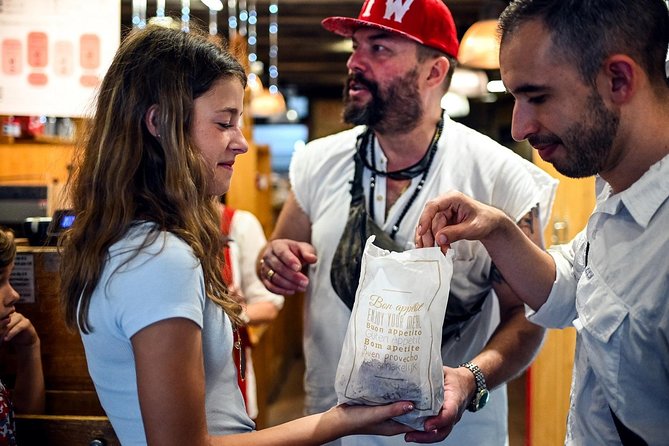
You also get our delicious secret dish—an intentional wild card. I’m a fan of this approach. If everything is predictable, you can end up treating a food tour like a shopping list. The secret dish breaks that pattern and gives you a lesson: you learn how to recognize a great option even when it isn’t the obvious famous choice.
It’s also why the guided shopping component matters. If the tour includes tastings plus a bespoke picnic lunch plan, you’re getting more than a meal. You’re picking up decision-making skills. The surprise dish becomes part of that skill set. You’ll leave more confident about what to buy next time in a Paris shop.
If you’re the kind of traveler who worries about surprises because of dietary restrictions, make sure you communicate needs early. The operator notes that many tours are unable to accommodate certain restrictions due to the balancing of the gastronomy experience. The best move is to ask before booking so you’re not stuck hoping.
Bespoke Picnic Lunch Shopping: How You Leave With Skills, Not Leftovers
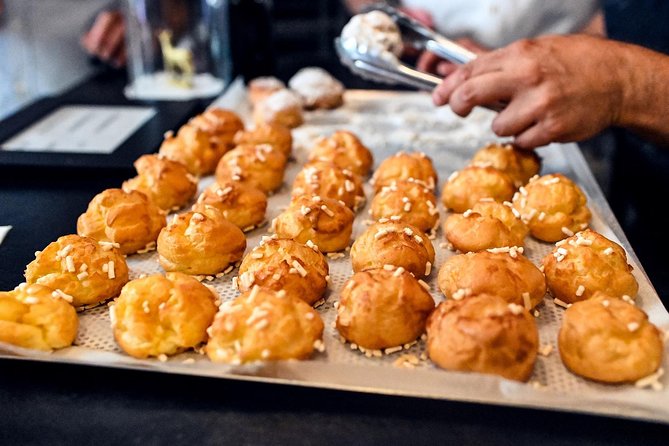
A big part of this tour is shopping for a bespoke picnic lunch based on what you like. That’s a practical upgrade over tours that simply stop, taste, and vanish. Here, you’re building a picnic spread as you go, so the food becomes portable and repeatable.
Think about what you’ll be doing after the tour. You’re not just eating in the moment. You can take your picnic ideas elsewhere: a park, a view point, or a relaxed meal back at your rental. You also get a clearer understanding of portioning and pairing, which turns a future market visit into an easy win.
This is also where Montmartre’s neighborhood energy shines. You’re browsing shops, watching how people choose bread and cheese, and learning how French grocery culture works when it’s not aimed at tourists. It’s a small education, but it changes how you shop for the rest of your trip.
Private Guide Experience: Local Pride, Personal Pace
This is a private tour/activity, meaning only your group participates. That’s not a small detail. It changes the entire vibe. Instead of blending into a larger group, you can ask questions more naturally. You can slow down if something grabs your curiosity, and you can focus on the food types you actually care about.
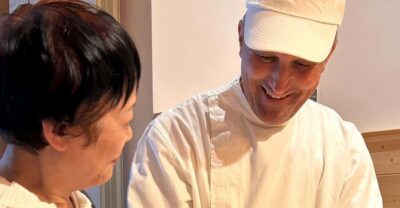
The guide-driven feel is a standout from the praised experiences with locals like Mattheiu, Rita, and Baptiste. When a guide grew up in the area or knows it deeply, it shows in the storytelling and confidence. That’s how you go beyond facts and into why the neighborhood still matters.
It also helps the overall flow. Because the menu and itinerary can change based on availability, weather, and other circumstances, a good guide makes those shifts feel like part of the plan instead of a disappointment. You’re less likely to feel like you missed out, because the guide is steering the experience.
Price and Value: What $302.32 Per Person Is Really Buying
Let’s talk value plainly. At $302.32 per person for about 3 hours 30 minutes, this is not a cheap add-on. You’re paying for a private guide plus multiple food categories: cheese, bread, pastries, crêpes, macarons, cured meats, chocolate, and a secret dish. That’s a lot of tasting for one payment.
If you tried to replicate it on your own, you’d likely spend more than you expect once you factor in the randomness of quality. Paris has plenty of places that sell food at tourist prices, and not all of it is the kind of quality you want in your memory. A guide helps you aim for better choices faster.
Also, this tour includes practical extras like a mobile ticket and group discounts. You’re not just paying for the food; you’re paying for saved time and better decision-making in one half-day block.
The only time price becomes a concern is if you don’t like walking or you’re a light eater. If you’re expecting tiny bites only, adjust your mindset. This experience is built around meaningful sampling and a picnic plan.
Who Should Book This Tour (and Who Might Not)
I think this tour fits best if you want a few key things at once:
- You like learning while you eat, not just eating
- You enjoy classic French foods and want to taste them in a guided sequence
- You want a private experience with pacing that matches your group
- You want a picnic lunch idea you can actually use later
It may not fit as well if you have strict dietary restrictions that require careful ingredient control, since the operator notes that many tours cannot accommodate certain restrictions even with advance contact. If you’re unsure, reach out in advance before booking.
If you hate walking, this is also not the one. The tour runs just over 3 hours, and the recommendation is clear: comfortable walking shoes.
Should You Book This Private Montmartre Food Tour?
Book it if you want Montmartre with structure. The mix of a major landmark area, neighborhood shopping, and a serious lineup of tastings gives you both atmosphere and payoff. The private format is a big plus, especially if you want questions answered and a pace that doesn’t feel rushed.
Skip or think twice if you’re planning this as a gentle stroll. You’re going to walk, taste, and eat enough that you’ll feel it. Also, if your dietary needs are strict, confirm compatibility early because the tour is built around a balanced gastronomy plan.
If you’re curious about French food in a way that goes beyond names on a menu, this is a strong bet. It’s one of those experiences where you leave with better instincts, not just a full stomach.
FAQ
How long is the Private Montmartre Food Tour with Wine, Cheese & Pastries?
The tour lasts about 3 hours 30 minutes.
Is the tour private or shared with other groups?
It is private. Only your group will participate.
What food is included on the tour?
It includes best French cheeses, fresh pastries, crêpes, authentic macarons, artisan chocolates, finest cured meats, freshly baked breads, and a delicious secret dish.
What are the tour’s starting and ending points?
The tour starts and ends on Boulevard de Clichy, Paris, and the end is close to the Moulin Rouge area.
Can the tour accommodate dietary requirements?
You should contact the operator in advance for dietary requirements. The information provided notes that many tours may be unable to accommodate certain dietary restrictions due to the need to create a balanced gastronomy experience.
What happens if I cancel?
This experience is non-refundable and cannot be changed for any reason. If you cancel or ask for an amendment, the amount you paid will not be refunded.