REVIEW · PARIS
Wine and cheese tasting in Bastille
Book on Viator →Operated by Le Vin qui Parle · Bookable on Viator
Three wines, three big lessons.
This Bastille-area wine-and-cheese tasting is built around smart pairings and real guidance: you’ll learn how to taste wine, match it with French cheese, and understand what makes each pour tick (especially the why, not just the what). I love the small group limit (up to 8), which keeps the talk personal, and I love how the host links each wine to its place on the map. One thing to consider: you’ll be tasting and discussing for about 90 minutes, so go with an appetite for conversation, not just a quick sip-and-run stop.
A big part of the fun is that it’s not only “wine talk.” You’re encouraged to ask questions, chat about your own country, and keep the energy light while learning the French approach. If you’re very serious about wine already, you may still enjoy it, but the format stays friendly and accessible rather than technical in a lab-coat way.
In This Review
- Key highlights you’ll feel right away
- Why this Bastille wine-and-cheese stop makes sense
- Meeting at 30 Rue Faidherbe: timing, ticket, and the setup
- The tasting format: 3 wines, French cheese, and how the pairing works
- How they guide your tasting (the part most people forget)
- The cheese part is not an afterthought
- What you learn about French wine origins and style
- If you already know wine: you may still pick up structure
- The cheese pairings: your tastable path back home
- The baguette matters more than you think
- Camille, the map of France, and the fun factor
- Price and value: what $46.13 really buys you
- Who this tasting suits best (and who might skip)
- Quick FAQ
- FAQ
- How long is the wine and cheese tasting?
- What language is the tour offered in?
- How many wines and cheeses are included?
- Where do we meet in Paris?
- How large is the group?
- Is there free cancellation?
- Should you book it?
Key highlights you’ll feel right away
- 3 French wines matched to 2–3 French cheeses so you can taste the difference pairing makes
- 90-minute guided session focused on how to taste, not just what to drink
- A host who brings a map of France to explain grape and regional character
- Friendly, small group atmosphere for questions and back-and-forth
- Fresh baguette included to make the cheese start more than an afterthought
- Strong pairing energy centered on learning the French way of tasting
Why this Bastille wine-and-cheese stop makes sense
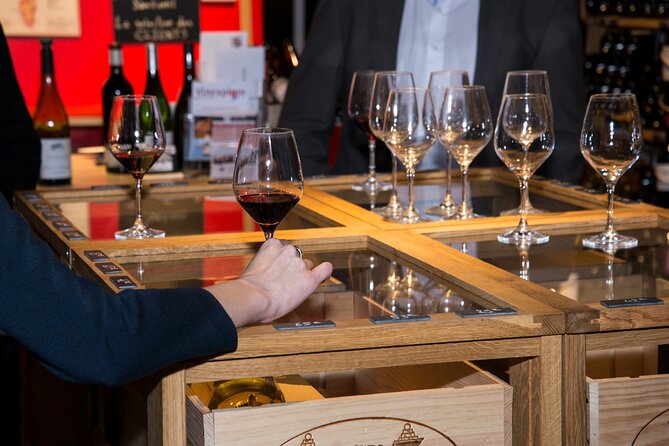
Paris has no shortage of wine bars, but this is different because you’re not wandering and guessing. You’re guided through a set of tastings that deliberately connect wine style to cheese flavor. That means you leave knowing what to look for next time, instead of only remembering what you liked in the moment.
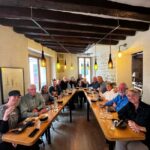
I also like that the experience is social without being chaotic. In a group capped at 8, you can hear the explanation, ask questions, and still have time to talk about food and France in general. It’s a good fit for couples, solo travelers, and friends who want something more meaningful than a typical tasting flight.
And since it’s in the Bastille area, it’s practical. You can slot it into an afternoon plan in eastern Paris without feeling like you need a full day just to “get to the activity.”
You can also read our reviews of more tours and experiences in Paris.
Meeting at 30 Rue Faidherbe: timing, ticket, and the setup
You meet at 30 Rue Faidherbe, 75011 Paris, and the activity runs for about 1 hour 30 minutes. The session starts at 3:30 pm, and it ends back at the same meeting point.
You’ll want to arrive a few minutes early. In small-group tastings, those minutes matter because the host needs to get everyone seated and settled before the wine and cheese start moving. If you’re using a phone for your plans, the good news is you get a mobile ticket, so you’re not hunting for paper.
Language is another easy win: the tasting is offered in English, and the guide’s delivery is clear enough that even wine-regular people tend to follow along well. Also, the group size stays small (max 8), which keeps the vibe comfortable rather than like a lecture hall.
One practical note: service animals are allowed, and it’s near public transportation. That makes it simpler if you’re doing a day built around transit.
The tasting format: 3 wines, French cheese, and how the pairing works
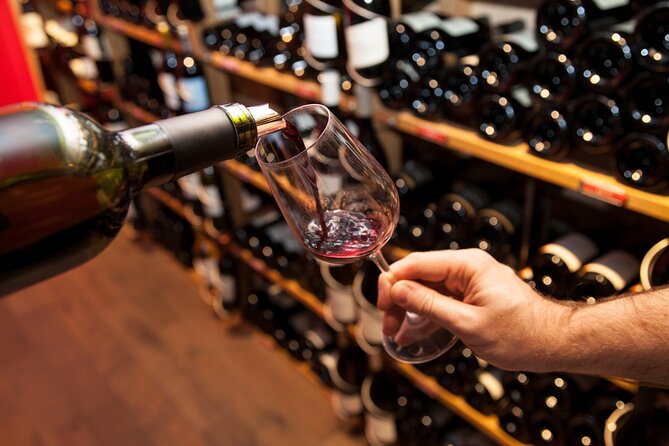
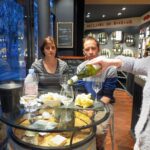
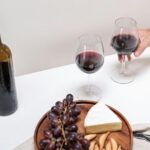
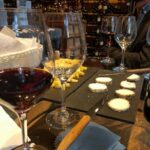
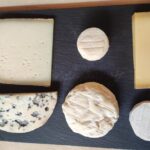
The experience is built like a mini tasting lesson with food attached. You’ll sit down and discover three different wines, each paired with two or three French cheeses across the session. The starter includes two different cheeses plus fresh baguette, which you can use to ground the tasting before each new wine arrives.
Here’s what that structure does for you: it teaches the pairing logic step by step. You taste, you compare, and you get a framework for what changed when the wine met the cheese. Instead of “random sampling,” it’s a guided set of contrasts.
How they guide your tasting (the part most people forget)
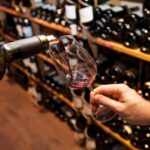
Wine tasting can sound fancy, but the useful part is simple: learn what you’re looking for—aroma, taste impressions, and how flavors linger. The session is designed to help you taste and appreciate wine, with guidance on the wine’s origin, region of production, and characteristics.
That origin/regional focus matters because it changes how you interpret flavor. Two wines that taste similar can be completely different in their structure. Once you hear how the wine’s background connects to its style, your palate gets sharper fast.
The cheese part is not an afterthought
Cheese can easily become “supporting cast” at tastings, but here it’s central. The pairings are selected to show you what each cheese brings—creaminess, salt, nuttiness, tang—and how that interacts with different wine styles.
If you’ve ever had a pairing that didn’t make sense, this is the antidote. You’ll spend time comparing what works, and you’ll get the reasoning from the host rather than guessing.
What you learn about French wine origins and style
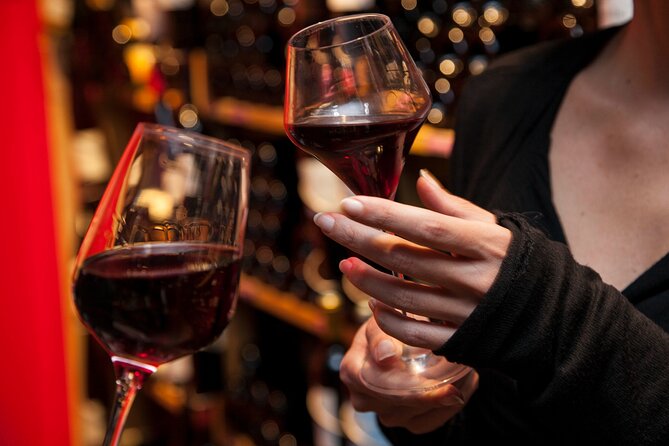
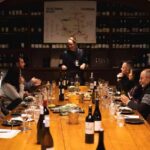
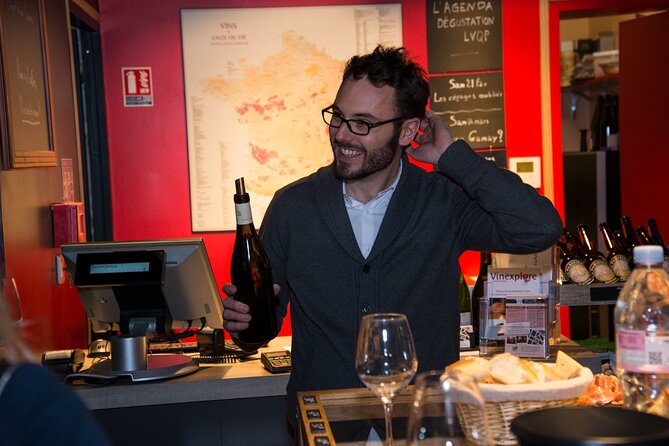
A highlight is the way the host explains wine geography. In at least one session, Camille used a map of France to show where each wine and grape comes from. That’s not just decoration. It helps you build a mental shortcut: when you see a label later, you can connect it to the region and the likely flavor profile.
You’ll also learn how to understand a wine beyond taste descriptors. The focus is on:
- where it’s from (origin)
- where it’s produced (region)
- what characteristics it tends to show (style cues)
This is especially helpful if you’re new to wine or if you feel like you’ve only learned the basics (like “red goes with meat” rules). You’ll come away with more than names—you’ll have a way to interpret what’s in the glass.
If you already know wine: you may still pick up structure
If you’re a wine-regular from places like the US West Coast, you might already feel confident about wine. Even then, this kind of lesson can be useful because it focuses on how France teaches tasting: connecting wine to land, method, and pairing logic.
It won’t turn into a heavy theory class. Think of it as a friendly “French way” of learning, with time to ask questions and respond to what you’re tasting.
The cheese pairings: your tastable path back home
One reason this experience sticks is that you’ll likely walk away with at least a couple of wines you want to buy again. In the sessions described, people ended up purchasing bottles because they connected the flavor to the wine’s type and region.
Here’s what to watch for while you’re tasting:
- How dry or fresh the white feels compared with the cheese’s texture
- How the rosé’s profile changes what you notice first—fruit, acidity, or softness
- How the red’s structure affects the cheese’s salt and intensity
In one example tasting, the lineup included a white that was very dry, a rosé that felt different from typical rosés, and a red that was described as wonderful. Even if your specific pour list varies, the teaching method remains the same: you taste, you compare, and you link the wine’s style to the cheese’s response.
The baguette matters more than you think
Fresh baguette is included, and that’s smart. Bread changes the whole rhythm of tasting: it gives you something neutral to reset your palate between flavors and makes the cheese start feel like a real French snack, not just cheese-only nibbling.
It’s also a simple practical takeaway. If you try to recreate the experience at home, bread is often the easiest “upgrade” to make pairings feel cohesive.
Camille, the map of France, and the fun factor
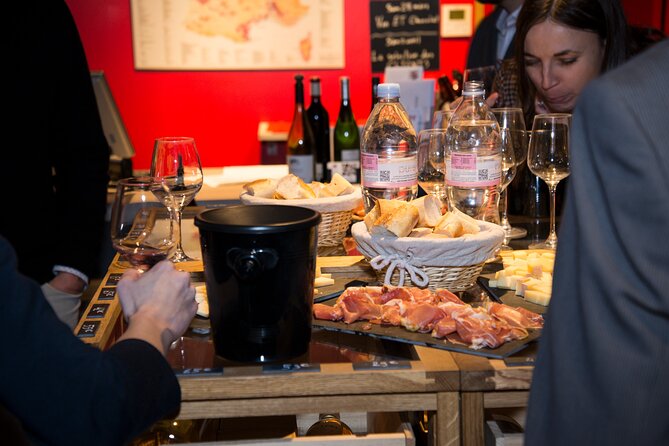
The experience leans hard on host energy. Camille comes up again and again as the person leading the tasting, and the common thread is enthusiasm plus clarity. One guest described how she showed where each grape and wine came from using a map of France. That approach turns the tasting into a story you can remember.
Also, the tone is relaxed. You’re encouraged to chat about wine, food, and anything you like about France, and the host is curious about your own country too. That’s not fluff—it makes the learning stick because you’re not just receiving information. You’re participating.
And if you’re the type who worries about not knowing enough wine terms, this is a good antidote. The format stays welcoming, and you get explanations as you go—so you don’t have to perform knowledge to enjoy the lesson.
Price and value: what $46.13 really buys you
At $46.13 per person, this is not a “budget sip” bargain, but it also isn’t an overpriced tourist trap. For the price, you get:
- 3 wines to taste
- 2–3 French cheeses plus fresh baguette
- guided instruction on tasting and wine characteristics
- a small group size (up to 8), which increases how much you can actually talk and ask questions
In other words, you’re paying for guidance plus food, not just alcohol by the glass. In Paris, where stand-alone tastings can cost similar amounts with no teaching, this is a stronger value if you want to learn something you can reuse.
The biggest “value lever” is time. Ninety minutes is long enough to compare and learn, short enough that you can still enjoy the rest of your day around Bastille.
Who this tasting suits best (and who might skip)
This experience is a great match if you:
- want a structured wine introduction in English
- enjoy food pairings and want to understand the logic
- like small group experiences where you can ask questions
- are traveling solo or as a couple and want easy conversation
It’s also smart if you’re not a wine expert but you want a step up from basic tastings. The session is designed for learning how to taste and appreciate wine, and the pairing method makes it concrete.
You might consider skipping if you’re the type who wants to stand, roam, and “do” rather than sit and talk for 90 minutes. This is a seated lesson format, focused on tasting and discussion, not a walking tour.
Quick FAQ
FAQ
How long is the wine and cheese tasting?
It lasts about 1 hour 30 minutes.
What language is the tour offered in?
The tasting is offered in English.
How many wines and cheeses are included?
You taste 3 different wines, paired with 2 different French cheeses plus fresh baguette, and the pairing can include 2 or 3 cheeses depending on the session.
Where do we meet in Paris?
You meet at 30 Rue Faidherbe, 75011 Paris, France.
How large is the group?
The experience has a maximum of 8 travelers.
Is there free cancellation?
Yes. You can cancel for a full refund up to 24 hours before the experience start time.
Should you book it?
If you want wine in Paris with actual learning and food pairing at the center, I’d book it. The small group size, the structured tasting of 3 wines, and the attention to origin and regional character make it more than a simple tasting flight. Add in the friendly, map-based explanations from Camille, and you get a session that feels fun and useful.
Book it especially if you’re new to wine or if you’ve tasted before but you want a clearer framework for what you like. If you’re in a hurry or want a pure drink-at-a-counter vibe, then skip this and go find a bar where you can browse freely. For everyone else, this is a solid, value-focused way to spend an afternoon in the Bastille area with French flavors you can actually remember.