REVIEW · PARIS
Paris: Montmartre Cheese, Wine & Pastry Guided Walking Tour
Book on GetYourGuide →Operated by Original Food Tours · Bookable on GetYourGuide
Cheese and wine with Montmartre views. This 3-hour guided walk mixes French food tastings with classic Montmartre sights, from Place du Tertre to the lookout at Sacré Coeur. You’re not just moving through the neighborhood, you’re being taught how to taste and what you’re looking at along the way.
I love that the tour hits both savory and sweet in a way that feels like a real Paris meal, with stops built around cheese, charcuterie, pastries, chocolate, and French wine. I also like that the guide energy really matters: names like Oscar, Pierre-Edouard, Catherine, Natalie, and Julie show up in this experience for a reason, and the walking stories usually land as history you can picture.
The main thing to consider is simple: you’ll walk, and Montmartre has plenty of hills. If you hate stairs or long uphill stretches, plan carefully. (Also, it’s not suitable for wheelchair users and not for children under 4.)
In This Review
- Key Things That Make This Montmartre Food Tour Different
- Finding the Meet-Up Near Blanche Metro (So You Start Stress-Free)
- Walking Montmartre Without Missing the Views (And Without Feeling Like a Robot)
- The Heart of It: Cheese, Charcuterie, Pastries, Chocolate, and Wine
- Savory stops: cheese and charcuterie that make sense together
- Pastry stops: not only iconic sweets, but local craft
- Dessert stops: chocolate candies and light, airy treats
- Wine pairing: the guide helps you stop guessing
- Sacré Coeur, Place du Tertre, and Moulin Rouge: Icon Spots With Context
- Sacré Coeur: the panoramic reward
- Place du Tertre: cafés, painters, and a real scene
- Moulin Rouge: a landmark, explained
- The Montmartre Stories You’ll Actually Remember
- How Much Time You’ll Spend Eating (So You Don’t Feel Rushed)
- Small Group Energy: A Better Way to Learn the Streets
- Who This Tour Is For (And Who Should Skip It)
- Price and Value: Is $127 Reasonable for What You Get?
- Should You Book This Montmartre Cheese, Wine & Pastry Tour?
Key Things That Make This Montmartre Food Tour Different
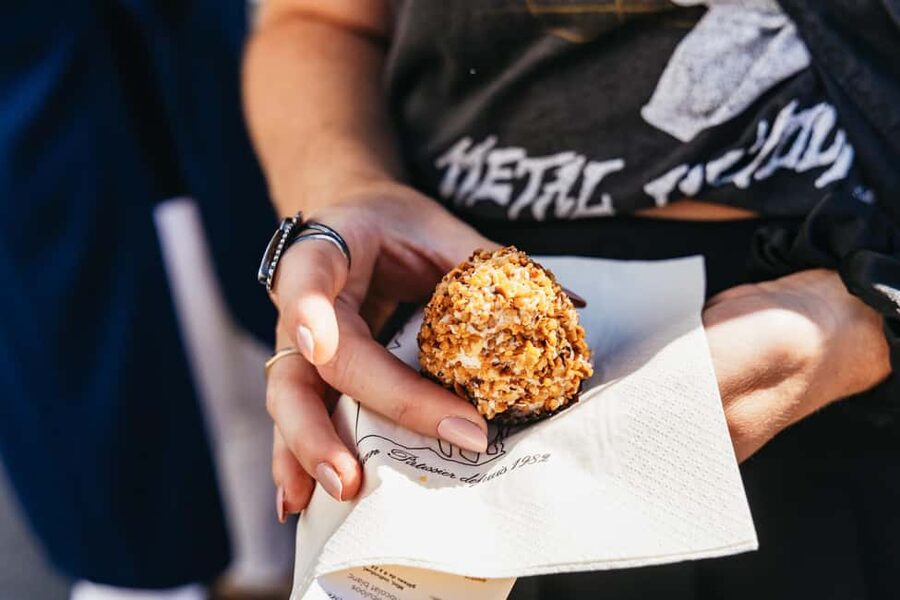
- Eight tasting stops that go past a basic dessert-and-a-story format
- Wine paired with cheese and charcuterie, not wine as an afterthought
- Sacré Coeur panoramas plus iconic stops like Moulin Rouge and Place du Tertre
- Montmartre history you can connect to real streets, including famous artists like Toulouse-Lautrec, Picasso, and Édith Piaf
- Local shop visits that make Montmartre feel like a working village, not a theme park
Finding the Meet-Up Near Blanche Metro (So You Start Stress-Free)
Your guide meets you outside a Starbucks and near a pharmacy, close to Blanche Metro station (Line 2). It’s a practical start point because it anchors you in a part of Paris with easy transit connections, and you won’t have to decode a complicated meeting location.
Once you’re there, you can expect a standard walking-tour setup: you’ll wear comfortable shoes, and you’ll get moving right away. If you’re the type who gets cold easily, bring a layer. Weather can swing fast in Paris, and the tour lasts long enough that you’ll feel it.
You can also read our reviews of more tours and experiences in Paris.


Walking Montmartre Without Missing the Views (And Without Feeling Like a Robot)
This is a guided walking tour with a live English-speaking guide, built around a route through Montmartre’s cobbled streets and lively café areas. You’ll see the neighborhood’s “village inside a city” feeling, especially around places like Place du Tertre and the streets that lead toward Sacré Coeur.
One thing I like about this format: it’s not just a straight climb up to the basilica. The tour includes a mix of streets and stops that keep the walk interesting, and some routes are described as less punishing than taking the most direct stair-heavy path. Still, some climbing is part of Montmartre, so go in knowing you’re walking for the experience—not just arriving at photo spots.
The Heart of It: Cheese, Charcuterie, Pastries, Chocolate, and Wine
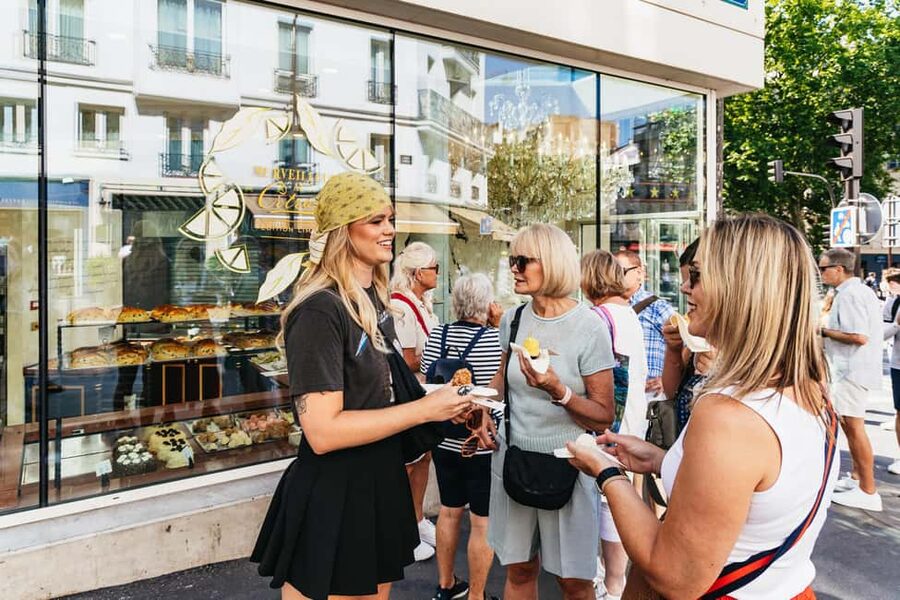
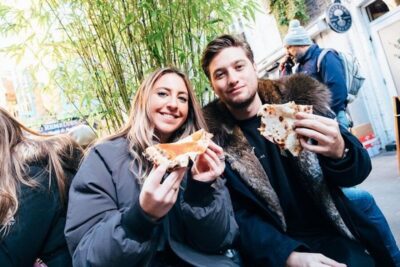
The tour’s core promise is food, and it delivers on variety. You’ll visit eight different stops and taste French classics including cheese, charcuterie, pastries, homemade chocolate candies, and wine at selected points. The value here is not just quantity—it’s that the stops are chosen to create a progression from savory to sweet (and back again), so nothing tastes random.
Here’s what you should expect across the tasting arc:
Savory stops: cheese and charcuterie that make sense together
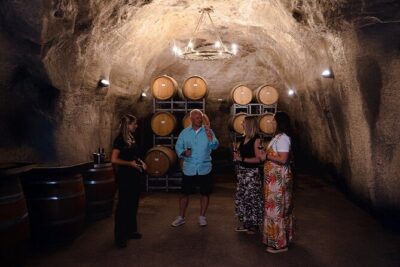
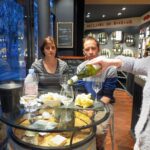
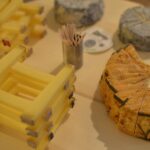
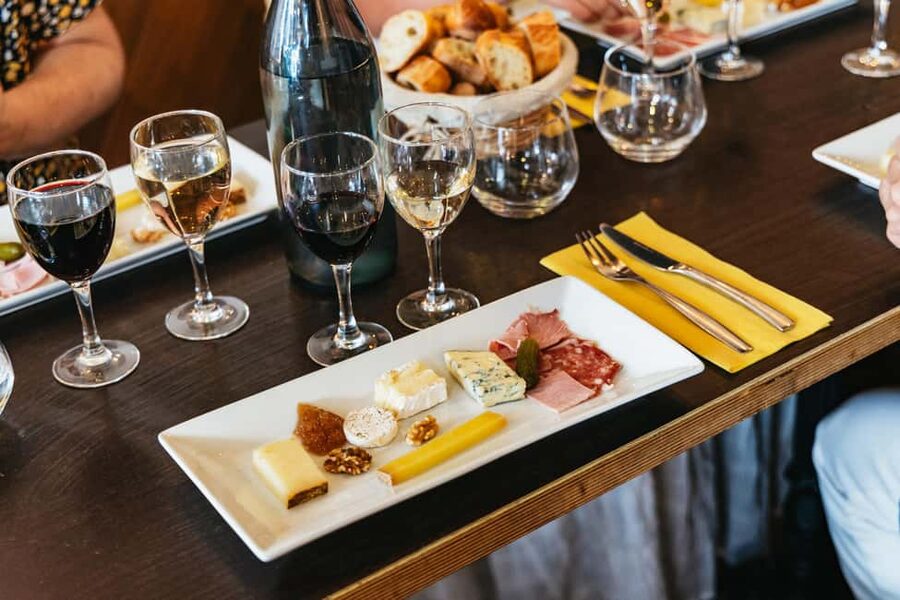
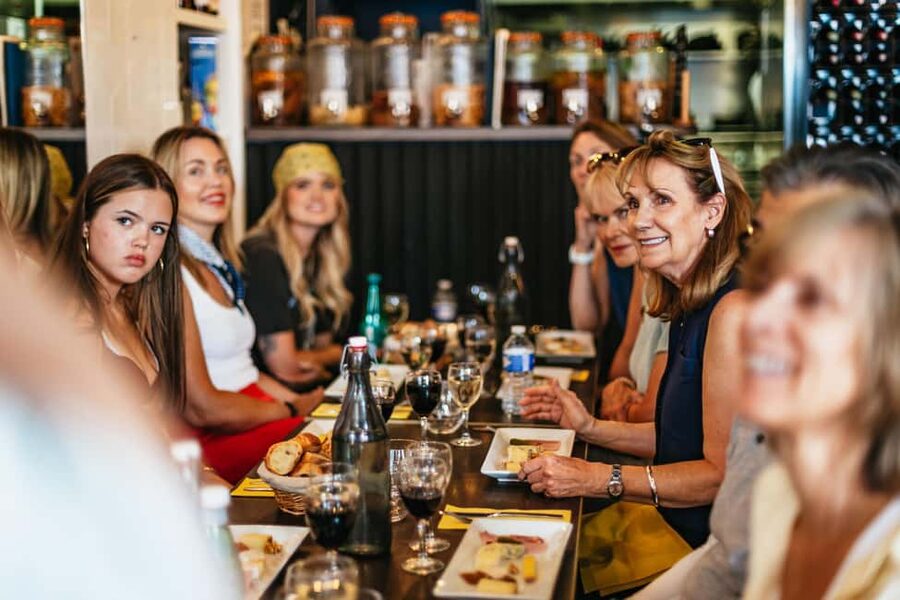
At selected stops, you’ll try cheese and charcuterie paired with French wine. This matters because the guide’s explanations usually help you notice how flavors change when you add the wine. It’s not about memorizing a tasting chart; it’s about learning what to pay attention to.
You might also see bites described like rillettes with baguette and tapenade, and that’s a nice reminder that French charcuterie isn’t just about meat. Tapenade brings briny, olive intensity, and it balances the richness you get from pâtés and spreads.
Pastry stops: not only iconic sweets, but local craft
You’ll get a selection of French pastries, plus the tour includes homemade chocolate candies. In Montmartre, this can mean pastries with a real bakery feel—things that taste fresh, not like they came from a sealed box.
Some people have specifically called out items such as quiche and macarons made that morning, which is exactly the kind of detail that makes this tour worth doing instead of doing a solo bakery crawl. Fresh pastries are a totally different world in your hand and on your palate.



Dessert stops: chocolate candies and light, airy treats
The chocolate portion is listed as homemade candies, and sweet tastings are a major part of the experience. One type that comes up in the tasting descriptions is merveilleux—an airy, meringue-based dessert that feels soft and light rather than heavy.
If you like contrast, this tour gives it. You’ll have creamy and salty flavors from cheese and charcuterie, then something soft and sweet to reset your palate.
Wine pairing: the guide helps you stop guessing
Wine on this tour is paired with the tastings at selected stops. The practical payoff is that you don’t have to figure out what works on your own. The guide is there to connect the dots—why this wine with that bite, and what to notice when you taste.
This is one of the most praised elements of the tour: people often mention the guides are fun to talk with and can explain what you’re eating in a way that makes you feel confident ordering food on your own afterward.
Sacré Coeur, Place du Tertre, and Moulin Rouge: Icon Spots With Context
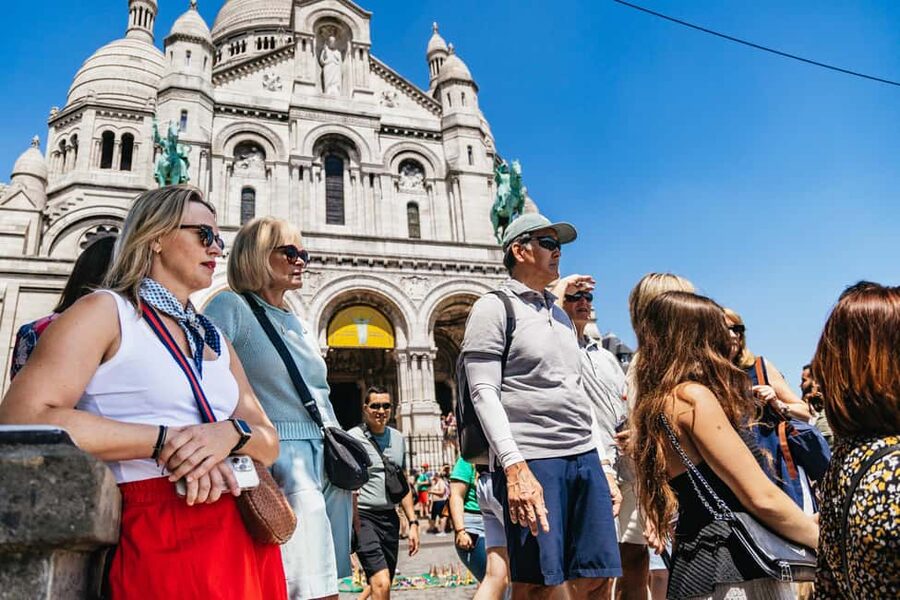
Montmartre is famous for a reason, but the tour doesn’t treat the sights like empty postcards. It ties the views and landmarks into what makes this area different—artists, old-world neighborhoods, and the layers of Parisian life.
Sacré Coeur: the panoramic reward
One of the big highlights is the breathtaking view over Paris from Sacré Coeur. This is the moment where the walking makes sense. Even if you’ve seen photos, being up there changes your sense of scale. You can also understand why so many creatives wanted to work in this area, since you can visually grasp the “watching the city” feeling.
Place du Tertre: cafés, painters, and a real scene
The tour includes time at Place du Tertre, known for painters, cafés, and the lively ambiance that still defines Montmartre. This stop is valuable because it gives you a place to anchor your Montmartre photos and then remember the stories you heard about the neighborhood.
Moulin Rouge: a landmark, explained
You’ll also see iconic highlights including Le Moulin Rouge. Even if it’s on your mental list already, the tour context helps you understand why it fits here. Montmartre has long been a stage for art and performance, and the neighborhood’s visual identity is part of that.
The Montmartre Stories You’ll Actually Remember
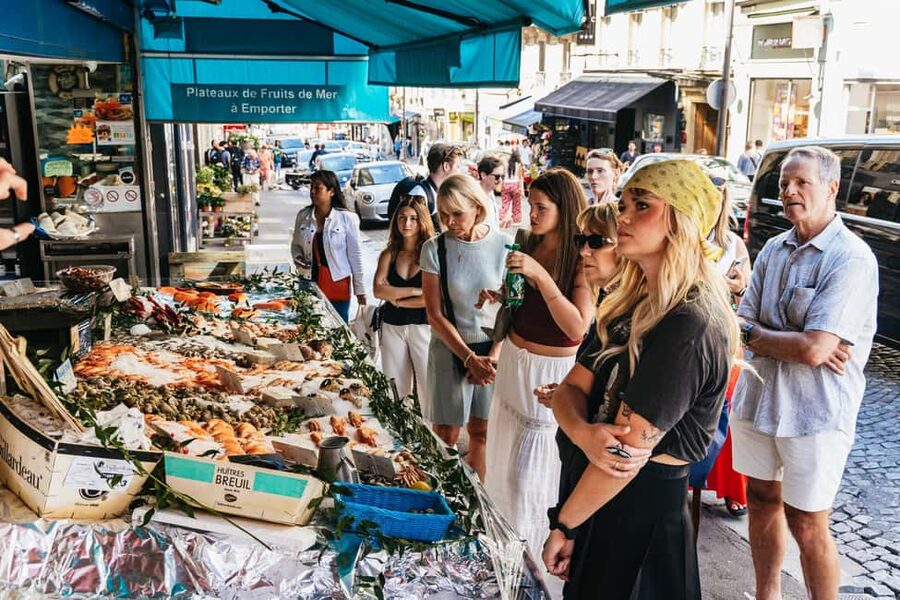
This tour doesn’t only cover food. It also teaches you what shaped Montmartre as a creative magnet. You’ll hear about the windmills and vineyards that make Montmartre much more than a simple Paris cliché.
And you’ll connect the neighborhood to famous artists: Toulouse-Lautrec, Picasso, Édith Piaf, and others tied to this area in songs and paintings. That matters because it turns Montmartre from a place you’ve visited into a place you understand. You’ll start recognizing how the streets, viewpoints, and local culture all feed the same creative reputation.
Some guides also add “small details” that make the neighborhood feel lived-in: how people actually move through the area, what the rhythm of daily life is like, and what to look for as you walk.
How Much Time You’ll Spend Eating (So You Don’t Feel Rushed)
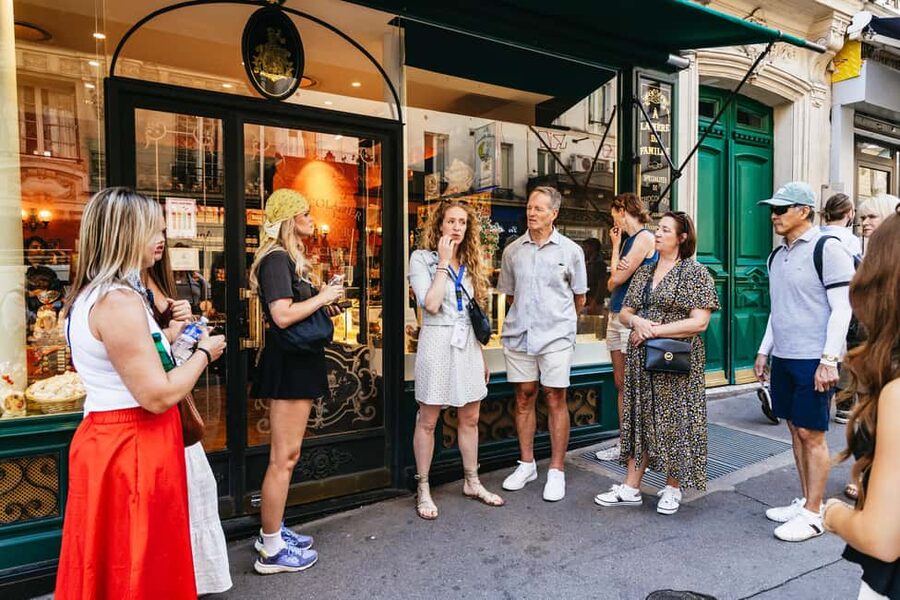
The total duration is 3 hours, and you’ll make eight stops. That structure is a sweet spot. You’re not trapped in a long food marathon, but you also don’t get stuck with only a couple tastings and a quick photo run.
Portion sizes are typically described as enough that you can skip dinner later, which tells me the tour does a good job of balancing “enough food” with “still able to walk.” It’s also one reason the tour works well even if you come in hungry. Start with the expectation of eating at multiple points, and you’ll enjoy it more.
Small Group Energy: A Better Way to Learn the Streets
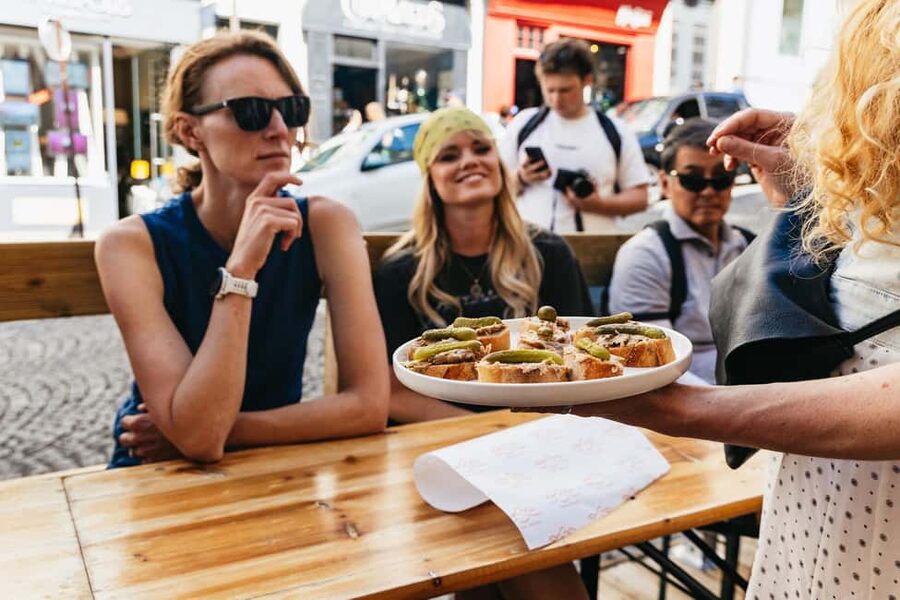
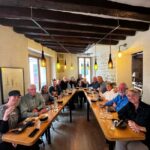
The tour is described as a small group size, which makes a difference in Montmartre. In a small group, you can hear the guide without strain, you can ask questions, and the guide can adjust pacing if someone needs a slower route.
Some group sizes have been noted around six people on at least one run, and that lines up with what you want from a tasting walk. You get the best mix of conversation and movement, instead of feeling like you’re stuck behind a crowd.
Who This Tour Is For (And Who Should Skip It)
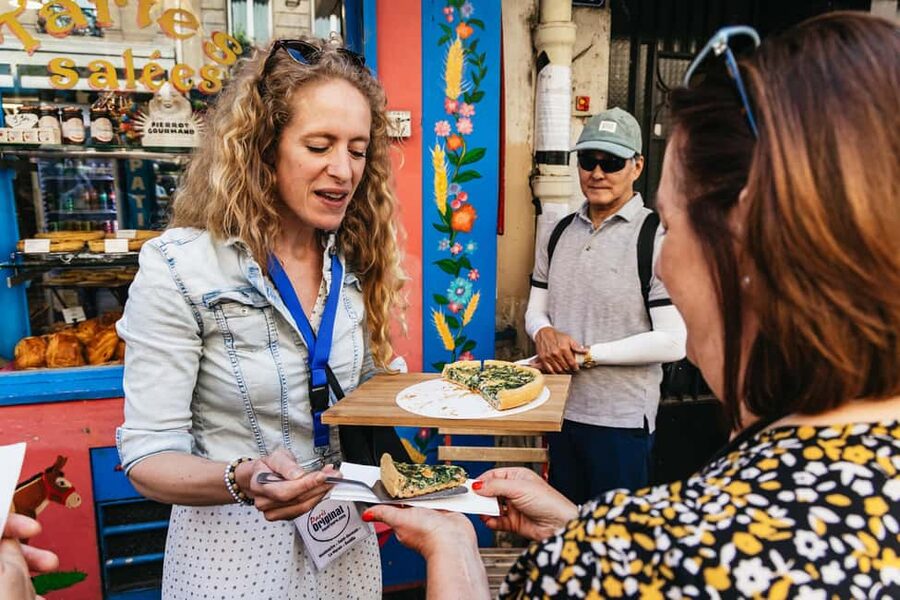
This experience is a great fit if you want:
- A food-and-views day that’s not just sitting in a café
- A guided way to learn Montmartre’s history while tasting real French staples
- A local-food route with shop stops, so you don’t spend your trip guessing what to buy
It’s less ideal if:
- You dislike hills or long walking segments (and remember, it’s not suitable for wheelchair users)
- You’re traveling with a child under 4 (this one isn’t recommended)
One neat point from how the tour is experienced: it can work even if you’re not a self-declared foodie. The guides tend to explain what you’re eating and why, so you leave with understanding, not just sugar and wine.
Price and Value: Is $127 Reasonable for What You Get?
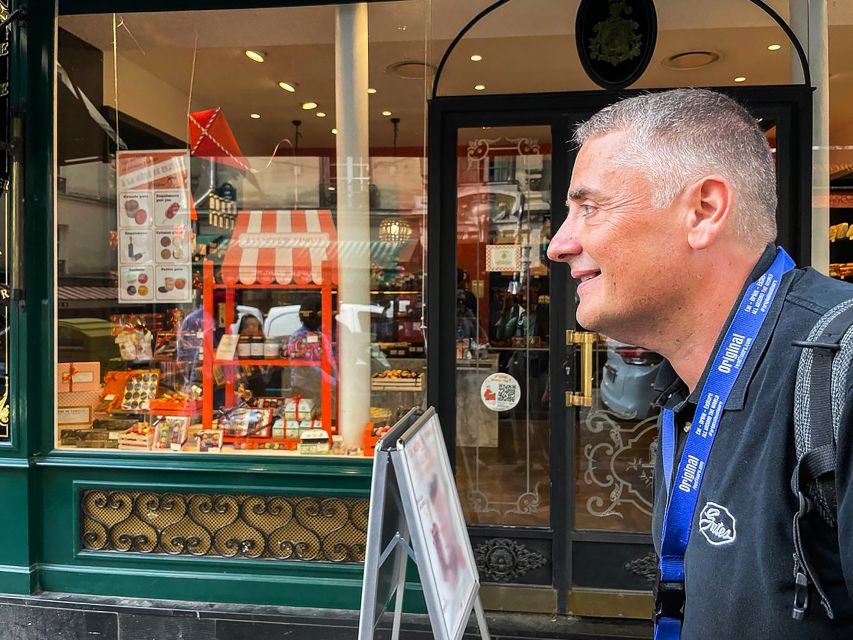
At $127 per person for a 3-hour guided walking tour, you’re paying for more than food. You’re paying for:
- A live guide who explains tastings and connects Montmartre sights to real history
- Eight stops, including wine at selected locations
- Multiple food categories: cheese, charcuterie, pastries, chocolate
If you tried to copy this yourself, you’d spend time (and mental energy) hopping between places, and you still wouldn’t automatically get a coherent sequence of cheese-and-wine pairings. Here, the pricing bundles guidance plus access to several types of artisans and tastings in one smooth route.
So the real question is your travel style. If you like structured experiences and want a ready-made plan in one part of Paris, this price can feel like good value. If you’d rather wander freely and you don’t care about wine pairings or guided context, you might find it costs more than you’d spend on your own.
Should You Book This Montmartre Cheese, Wine & Pastry Tour?
Book it if you want Montmartre in the best order: walk the streets, eat a serious mix of French classics, and learn why this neighborhood attracted artists and musicians. The tour is especially appealing when you’re short on time and want your Sacré Coeur and Place du Tertre moments paired with actual food stops along the way.
Skip it if you’re not up for walking or you need a very low-energy outing. Also, if you’re avoiding alcohol completely, double-check that your main enjoyment depends on wine pairings, since wine is part of what’s included at selected stops.
If you do book, my advice is to treat it like a planned meal with breaks—not like a snack run. Wear good shoes, pace yourself, and let the guide do the heavy lifting on food choices and Montmartre context.