REVIEW · PARIS
Paris Art of Pairing Cheese and Wine Tasting in a Cheese Cellar
Book on Viator →Operated by Paroles de Fromagers · Bookable on Viator
Cheese has a sound in Paris. This one is part tasting, part museum, and part cellar ritual. You start at a specialty fromagerie, get a protective suit, then go down into a cool stone cellar where cheeses ripen slowly. I love that the guide connects French cheesemaking to real flavor, and I love the very practical wine-and-cheese pairing guidance you can use the rest of your trip.
One heads-up: a big chunk of the experience is the learning walk and cheese history, so the wine pairing is not the only focus.
You also get a small-group vibe with a max of 12 people, which matters in a setting like this. I like that you’re tasting multiple styles, not just one safe crowd-pleaser. You can expect everything from firmer Alpine wheels to softer favorites like Camembert, plus bread that keeps things grounded.
Only possible drawback: the cellar is cold and reached by stairs only. If you’re tight on mobility or you hate chilly rooms, plan accordingly—warm layers help a lot.
In This Review
- Key Highlights You Should Care About
- Where You Start: Île Saint-Louis and a Real Fromagerie Setting
- Suit Up and Meet the Cheese-and-Wine Pro
- Musee Vivant Du Fromage: The Part Where Cheese Gets Its Backstory
- Down Into the Cellar: Ripening Wheels, Cold Air, and Real Atmosphere
- The Tasting Lineup: 7 Cheeses, 3 Wines, and What Each One Teaches You
- Wine-and-Cheese Pairing That Actually Sticks After the Tour
- What the Small Group Experience Does to the Quality of Pairing
- Price vs Value: Why $84.69 Can Make Sense in Paris
- Who Should Book This Paris Cheese Cellar Tour
- Should You Book This Paris Wine and Cheese Cellar Tasting?
- FAQ
- How long is the Paris cheese and wine cellar tasting?
- Where does the tour start?
- How much does it cost?
- What’s included in the tasting?
- Is hotel pickup included?
- What language is the tour offered in?
- Do I need to be 18 to drink?
- Is the cellar easy to access?
- How big is the group?
- What is the cancellation window?
Key Highlights You Should Care About
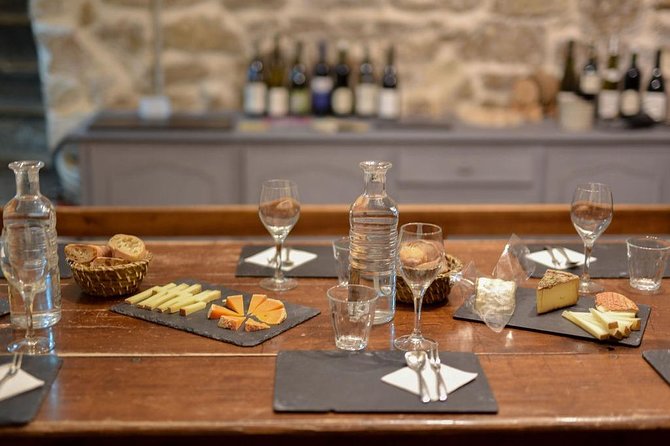
- 7 cheese tastings + 3 wines matched to the flavor story of each cheese
- Protective suit provided so the cheeses stay safe and hygienic in the cellar
- Cool cellar stairs plus huge ripening blocks and wheels for the real visual wow
- English-only experience with help deciphering French menus
- A small group (max 12) so questions about pairing land naturally
Where You Start: Île Saint-Louis and a Real Fromagerie Setting
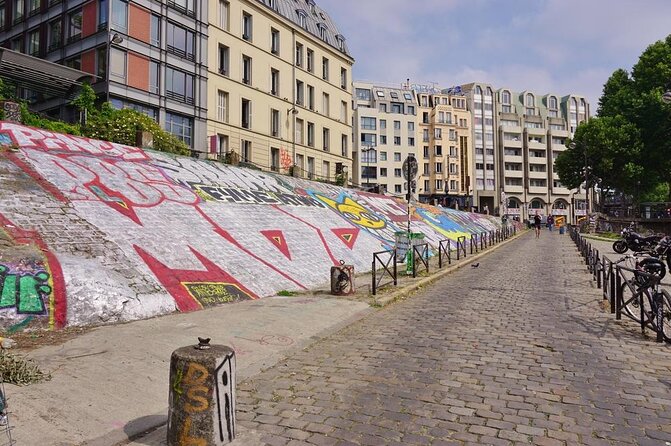
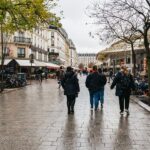
Your meet point is 39 Rue Saint-Louis en l’Île, in the lively old-street feel of Paris’s Île Saint-Louis area. This is the kind of neighborhood where you can walk a bit after, grab a coffee, and actually process what you just ate. It also keeps the tour close to public transit, so you do not need a taxi plan.
The shop setting matters. This is not a tasting room built for one-night shows. You begin in a cheese-focused space, so when the guide starts talking, it doesn’t feel like a lecture happening in a random corner. It feels like you’re being let in on the trade.
You can also read our reviews of more tours and experiences in Paris.
Suit Up and Meet the Cheese-and-Wine Pro
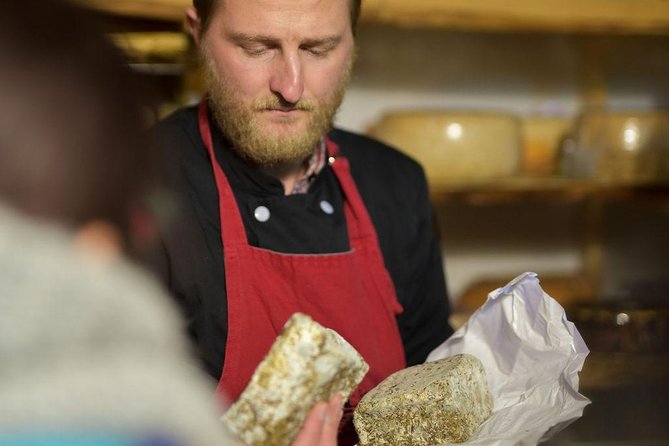
Before you go down, you’ll put on a hygienic protective suit. Yes, it feels funny. But it’s practical. The cellar is for ripening and handling delicate cheeses, so the protection keeps both the product and the experience safer.
The guide is central here. The tour is led by a cheese-and-wine master, and multiple guide names come up in the experience history: Pierre, Gabriel, Dee, Galina, Dion, Agatha/Agathe, and Paul. That range usually means you’ll get a guide who can explain flavors clearly and keep the group moving.
I also like how the tour is built for real travel moments. You’re not just tasting. You’re learning how to read French food cues you’ll see on menus later. That small skill can save you from ordering the wrong cheese because the label looks like a chemistry experiment.
Musee Vivant Du Fromage: The Part Where Cheese Gets Its Backstory
Your first big stop is the Musee Vivant Du Fromage. Expect a guided walk through how cheesemaking works and why it matters. Some of the time can feel like history and technique, because the point is to help you taste with context.
This is where you learn the basics behind texture and flavor: how aging changes the cheese, why certain cheeses come from particular regions, and how the maturing process builds the final character. The goal is not to memorize steps. The goal is to taste smarter.
A useful cue: French cheeses are often tied to place and process. When the guide explains those connections, the tastings make more sense afterward. A firm cheese isn’t just firm. It’s firm for a reason. And when you pair wine later, that reason helps you predict what will work.
Down Into the Cellar: Ripening Wheels, Cold Air, and Real Atmosphere
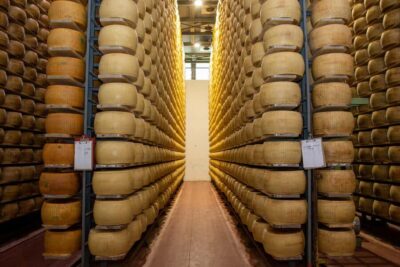
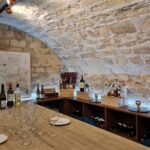
Then comes the main event: descending into a cellar filled with ripening cheeses. The coolest detail is that you’re not looking at tiny samples in a spotless display case. You’re walking among large ripening blocks and wheels that can be as large as 77 pounds (35 kg).
The cellar is accessible only by stairs, and it can be cold. Bring warm clothing even if the street weather is pleasant. This is one place where a light jacket can feel like a mistake, and a thicker layer feels like a win.
Once you’re down there, the guide points out the supply and the aging stage logic. You’ll see how the environment and timeline shape the cheese. It’s also a great setting for tasting because your brain finally understands why some flavors are sharper, deeper, or more complex.
Practical note: because you’re in a cellar, comfort matters. Wear shoes you can walk in confidently. It’s not about speed, it’s about not slipping while you’re concentrating on tasting notes.
The Tasting Lineup: 7 Cheeses, 3 Wines, and What Each One Teaches You
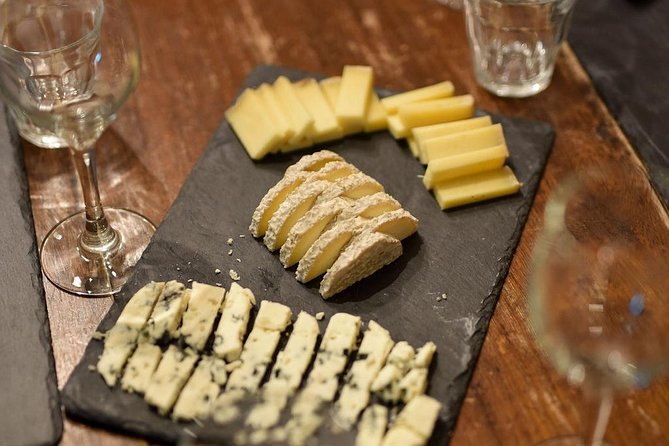
You’ll taste 7 cheeses and 3 French wines, plus fresh baguettes. The tour uses a pairing rhythm: bite, sip, and compare how each change affects flavor.
Here are examples of cheeses you may taste during the experience:
- Swiss Gruyère (a classic for nutty depth and smooth melting flavors)
- Bôfavre, a hard cheese from Switzerland’s Jura Mountains
- Camembert, described as delicate in the tour rundown
- Etivaz, a hard cheese from the Alps
- Beaufort, made from raw cow’s milk
Even if you don’t know these cheeses now, the pairing approach helps you catch the pattern fast. Hard cheeses often reward wines with structure, while softer cheeses often benefit from something that balances creaminess and aroma. The guide helps you connect that chemistry to real-world tastes.
What I think is the best part: the pairing is explained in plain language. You’re not left to guess why one pairing works and another doesn’t. The guide also gives you tailored foodie tips for your remaining time in Paris, which can steer you toward better cheese counters and better bottle choices later.



Wine-and-Cheese Pairing That Actually Sticks After the Tour
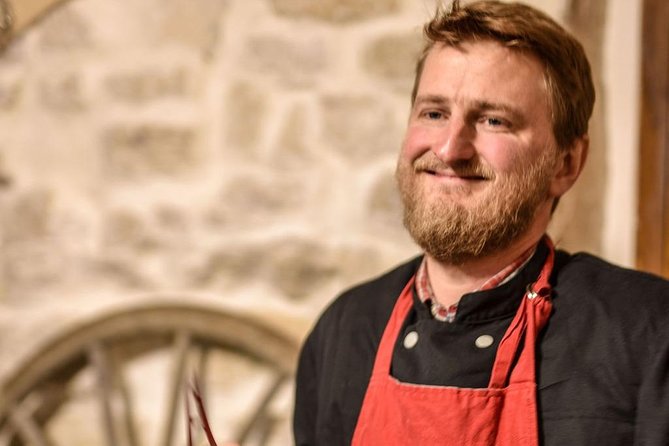
This is a tasting tour, but it behaves like a mini class. You’ll alternate fragrant fromage with French wine sips, aiming for complementary flavors. That’s the core idea, but the value is in how the guide teaches you to listen.
A few practical takeaways you can use right away:
- You’ll learn which flavors to look for in a wine when pairing with cheese (think acidity, aroma intensity, and how the finish feels).
- You’ll start noticing what a cheese demands: does it need contrast, or does it need something that matches its richness?
- You’ll get menu-reading help. That matters because French cheese labels and wine labels can hide useful clues.
Also: the tour is in English, and you can get help deciphering menus in another language. That’s not just comfortable. It helps you translate what you learned during tastings into real orders when you’re hungry and tired after a long Paris day.
One more detail: the tasting includes bread of course. Bread is not filler here. It helps you reset your palate between strong flavors, and it anchors the experience so it feels like food, not just tasting homework.
What the Small Group Experience Does to the Quality of Pairing
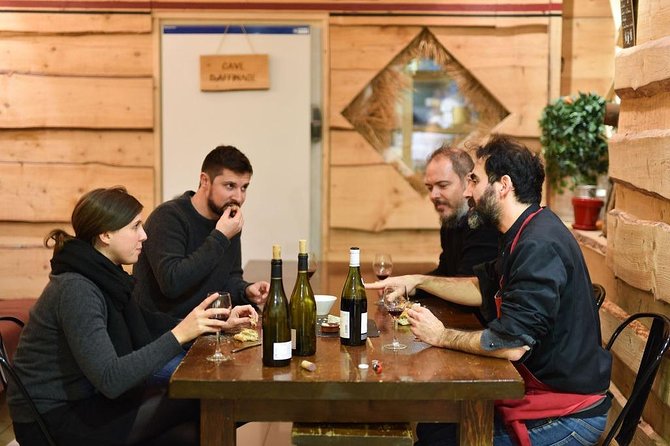
With a maximum of 12 travelers, this tour avoids the usual problem: big groups where questions get swallowed. In a smaller group, the guide can slow down when you need a repeat, or when someone’s asking a pairing question that also helps the rest of you.
This also changes the cellar feel. When you’re looking at aging cheeses and learning how maturing works, it’s easier to focus when the room isn’t packed. You get better flow. Less noise. More time to smell and taste what you’re actually eating.
If you like tours that feel more like a conversation than a stopwatch, this one fits.
Price vs Value: Why $84.69 Can Make Sense in Paris
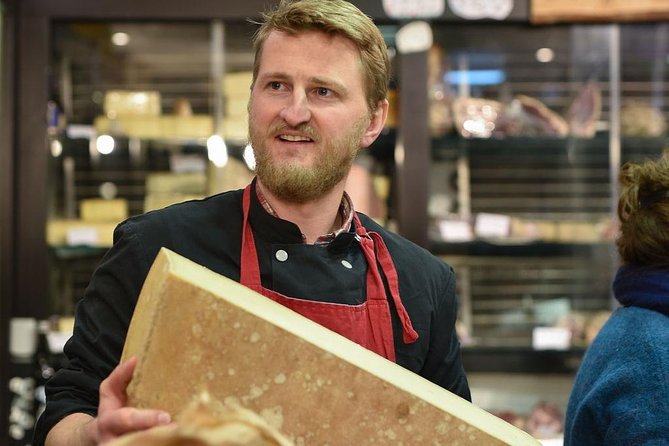
At $84.69 per person for about 1 hour 30 minutes, the value depends on what you want from Paris food time. This is not just a light snack. You’re paying for:
- Professional guidance from a cheese-and-wine master
- Tastings of 7 cheeses and 3 wines
- Bread included
- A hands-on cellar experience you cannot easily recreate on your own without knowing what to order
You’re also not paying for hotel pickup or drop-off. That’s normal for many city food tours, and it keeps the price more anchored to the tasting itself.
To me, the value makes sense if you want skills, not just samples. If you already know your cheeses and love experimenting, you might still enjoy the cellar atmosphere and the structured pairings. But if you mostly want wine and very little learning, you should know that a meaningful portion is about cheese process and history.
Who Should Book This Paris Cheese Cellar Tour
This tour is a great match if you:
- Want a non-touristy-feeling food experience built around a real cheese environment
- Enjoy learning how food is made and then tasting the results
- Like pairing wine with food and want practical guidance you can repeat later
- Prefer small groups and clear explanations in English
It’s also a smart choice for first-timers who want an easy path into French cheese culture without getting lost in terms at a counter.
Skip it or think carefully if:
- You dislike stairs or you have trouble with stairs-only spaces
- You are very sensitive to cold rooms
- You expect the entire time to be wine-focused with minimal cheese education
Should You Book This Paris Wine and Cheese Cellar Tasting?
I’d book it if you want a structured, flavorful way to learn French cheese culture fast. The cellar setting is memorable, the protective-suit approach feels serious, and the tasting lineup includes a mix of styles that teaches you how pairing logic changes with texture and aging.
If you’re on a short Paris trip and want one food activity that gives you skills for the rest of the days, this is a strong candidate. You leave with more than a full stomach. You leave with a better brain for choosing cheese and wine.
Just plan for cold stairs, and go in ready to learn about cheesemaking—not only to drink and snack.
FAQ
How long is the Paris cheese and wine cellar tasting?
It runs about 1 hour 30 minutes.
Where does the tour start?
The meeting point is 39 Rue Saint-Louis en l’Île, 75004 Paris. The tour ends back at the meeting point.
How much does it cost?
The price listed is $84.69 per person.
What’s included in the tasting?
You get tastings of 7 cheeses and 3 wines, plus bread.
Is hotel pickup included?
No. Hotel pickup and drop-off are not included.
What language is the tour offered in?
The experience is offered in English.
Do I need to be 18 to drink?
Yes. There is a minimum drinking age of 18.
Is the cellar easy to access?
The cellar is only accessible by stairs. The cellar can also be cold, so warm clothing helps.
How big is the group?
The tour has a maximum of 12 travelers.
What is the cancellation window?
You can cancel for a full refund up to 24 hours in advance. If you cancel less than 24 hours before the start time, the amount paid is not refunded.