REVIEW · PARIS
Paris Wine and Cheese Tastings Class near Le Marais
Book on Viator →Operated by Meeting the French · Bookable on Viator
A good tasting should change how you order wine. Here, you get an oenologist-led wine-and-cheese pairing session with a real focus on how French regions shape flavor, from grape to glass. I especially like the region overview with maps and even soil samples, plus the chance to ask questions and taste wines you care about.
One practical note: because this isn’t set up like a sit-down restaurant stop, toilets may be limited inside the boutique area.
In This Review
- What I’d watch for before you go
- Key things to know before your Paris tasting
- Where this class happens: Le Vin qui parle near Le Marais
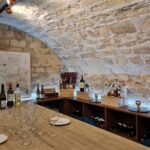
- The welcome and setup: what “boutique wine cellar” feels like
- French wine regions made practical: maps and soil samples
- How the tastings and cheese pairings are structured
- The bread, water, and spittoon details (don’t skip these)
- Ask-for-your-favorites energy: how the guide helps you learn faster
- Price and value: does $80.48 make sense?
- Who this class is perfect for (and who should skip it)
- Should you book Paris Wine and Cheese Tastings near Le Marais?
- FAQ
- How long is the Paris wine and cheese tasting class?
- Where is the meeting point?
- Is the class offered in English?
- What does the price include?
- Can I request wines I like?
- Is there an option to avoid drinking the wine?
- Is there a toilet on site?
- FAQ
- What’s the minimum drinking age?
- Can I cancel for a full refund?
What I’d watch for before you go
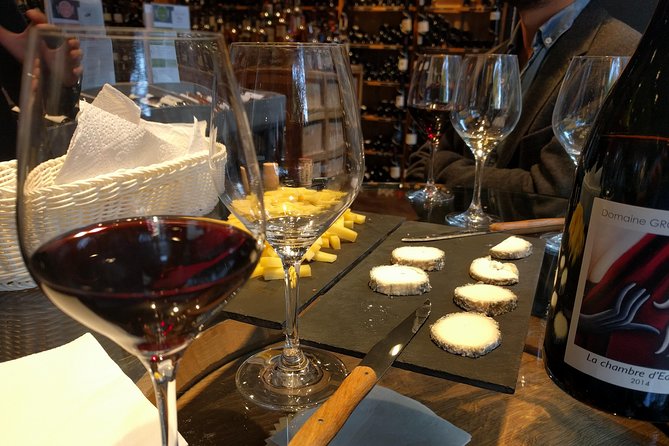
The format is laid back, but you’ll still be tasting alcohol. The session provides water, bread, and a spittoon if you’d rather not swallow, yet it’s still a tasting class—not a light snack. If you’re sensitive to strong wine aromas or you’re pressed on time right after, plan your day around that pace.
Key things to know before your Paris tasting
- Small group size (max 8): expect more back-and-forth than a big, buzzy tasting room.
- Le Marais area, easy transit access: you can slot it into a sightseeing afternoon without complicated logistics.
- Maps + soil samples: you’re not just tasting; you’re learning why wines taste the way they do.
- Your favorites can shape the flight: you’re encouraged to request French wines you want to understand.
- Bread, water, and spittoon provided: palette cleansing is part of the plan.
You can also read our reviews of more tours and experiences in Paris.
Where this class happens: Le Vin qui parle near Le Marais
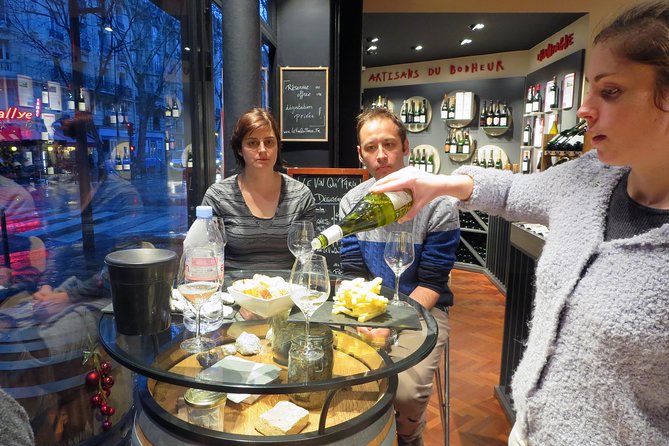
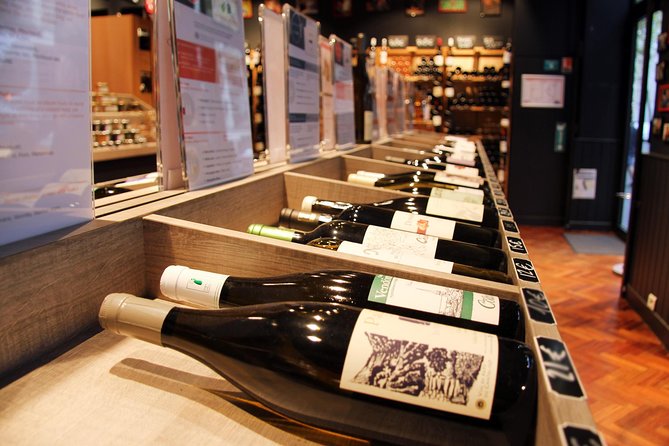
This experience is set in a Paris boutique at 30 Rue Faidherbe, 75011, with the tasting ending right back at the meeting point. It’s scheduled to start at 3:30 pm and runs about 1 hour 30 minutes, which is a very workable length if you’re doing Le Marais and want something focused rather than another long walking block.
What helps here is that you’re close to public transportation. That matters in Paris because “near transit” often turns into the difference between a smooth afternoon and a stressful detour. A mobile ticket also means you’re not hunting for paper.
The class is capped at 8 people, which is a big deal for comfort. You can actually hear answers, ask follow-ups, and stay engaged instead of feeling like you’re waiting your turn.
The welcome and setup: what “boutique wine cellar” feels like
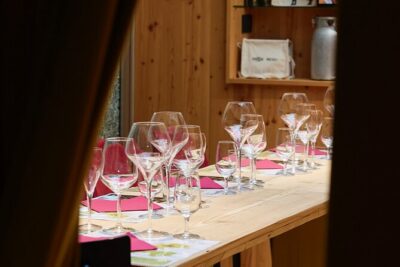
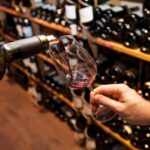
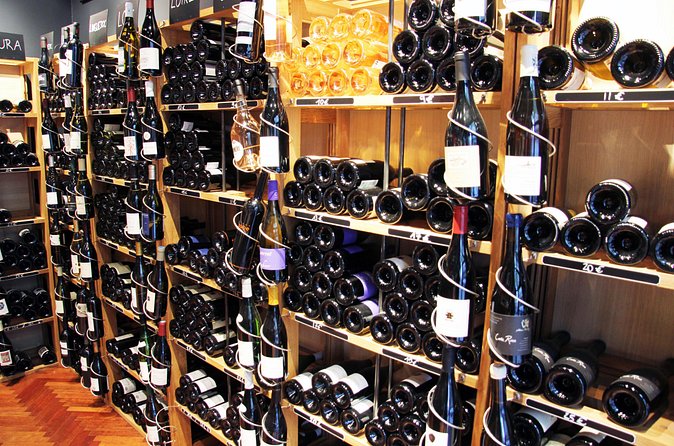
You’ll be greeted by the staff and brought into a prepared tasting space inside the boutique. The whole vibe is intimate: not a theater show, more like a guided lesson where the room stays calm enough for learning.
Your wine expert meets you first, then the group moves into an overview that gives context before the tasting starts. That order is smart. When you understand what to listen for—acidity, tannins, aromatics, body—you taste more accurately. And when you can ask questions, the “lesson” doesn’t feel like school; it feels like targeted help.
Also pay attention to pacing. This isn’t a quick “sip and walk out.” You’ll have time for pairing explanation and conversation, plus bread and water as part of the flow.
French wine regions made practical: maps and soil samples
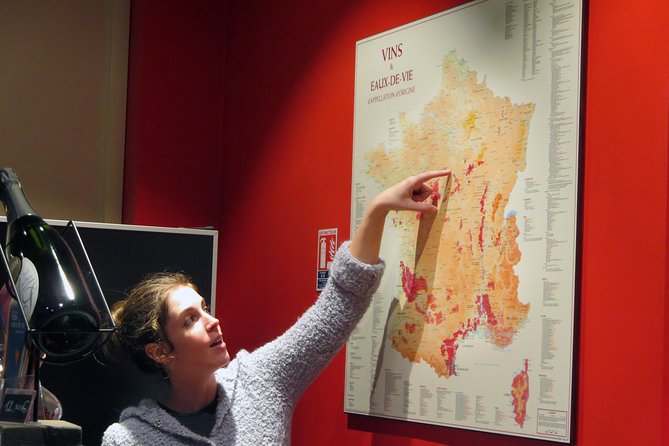
One of the best parts is the way the guide frames France as a patchwork of places, not a single generic “French wine” idea. You’ll get an overview of major wine regions and how different grapes interact with terrain.
The maps are useful because they help you connect names to geography. But what makes it stick is the presence of authentic soil samples. Soil doesn’t sound romantic, but it’s a real shortcut to understanding why a grape can taste different from one region to another. You start seeing the logic: not just what the wine is, but where it learned to be that way.
This is where the class earns its keep. When you’ve tasted a couple wines, the region lesson turns into a map you can reuse later. Next time you see a label, you’re not totally guessing.
How the tastings and cheese pairings are structured
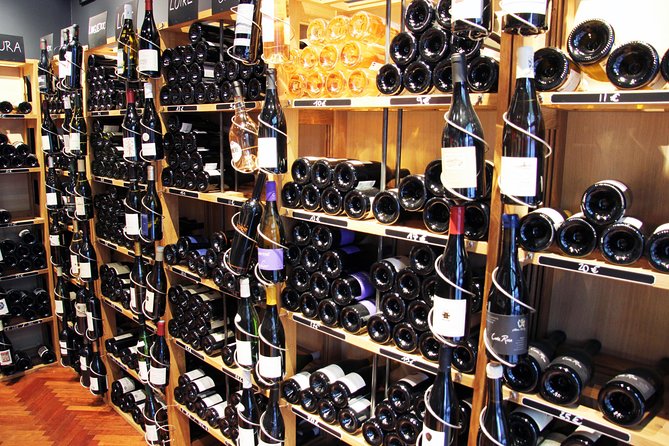
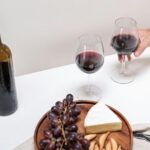
The flight is designed around a simple idea: wine and cheese together create more total flavor than either one alone.
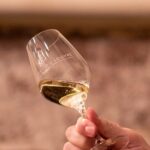
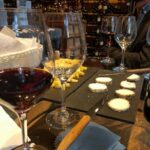
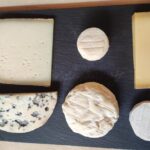
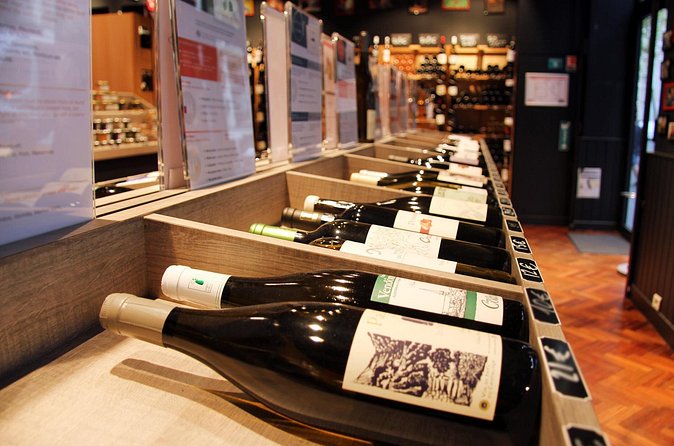
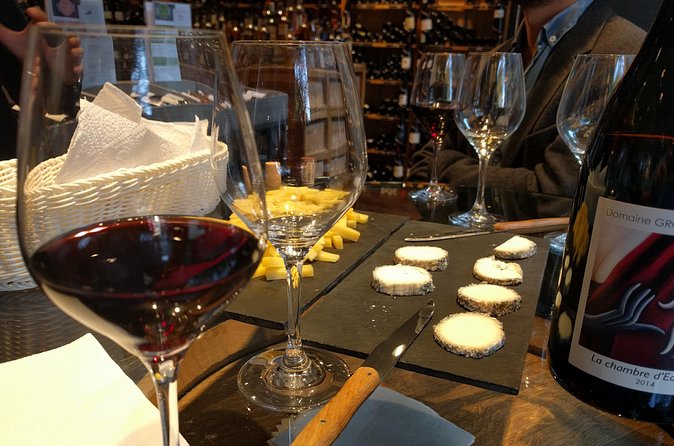
You’ll have a guided sequence that includes red wine, white wine, and cheese pairings to go with each pour. You also get bread and water as a palette cleanser between tastings, so you can reset your palate instead of carrying one strong flavor into the next sip.
Here’s what this structure teaches you (and what you can actually use when you’re shopping later):
- You’ll learn to notice how a wine’s texture and acidity affect how cheese tastes.
- You’ll start predicting what kind of cheese works better with a style of wine, not just a specific brand.
- You’ll gain confidence in how to talk about what you’re tasting, because you’re comparing wine to pairing in real time.
The guide encourages questions, so you can steer the class toward what interests you. If you have specific bottles you like—or ones you’ve always been curious about—you can ask to taste and learn about those styles. That personal angle is one of the reasons this works better than generic tastings.
The bread, water, and spittoon details (don’t skip these)
This is a tasting class, so alcohol is part of the experience. The good news: the format takes comfort and palate control seriously.
You’ll have bread and water for palette cleansing. This is not an afterthought. Bread can help cut through lingering flavors and reset your sense of taste between pours. Water helps, too, but bread does a particular job in pairing settings.
And yes, there’s a spittoon provided for anyone who prefers not to swallow. That’s a small detail, but it makes a big difference if you want to enjoy the learning without getting too far down the alcohol route. It also helps you stay sharp enough to keep answering questions through the end of the class.
One practical consideration: since the tasting isn’t set up in a restaurant, toilets may not be readily available or easy to access inside the boutique. If you’re the type who likes to plan ahead in Europe, take care of bathroom needs before you arrive.
Ask-for-your-favorites energy: how the guide helps you learn faster
This class isn’t just lecture and tasting. It’s interactive. A big reason it feels effective is the way the guide responds to the group.
One example: the guide Alex is known for going out of the way to get fresh bread when it turns out someone hadn’t eaten recently. That kind of practical care matters because it keeps the tasting comfortable. It also signals the main goal: you should be able to taste clearly, not white-knuckle your way through the flight.
Another thing that shows up in the teaching style is how the conversation goes beyond “tastes good.” You’ll talk about wine qualities such as bouquet categories, and you’ll link those descriptions back to what’s in the glass. That’s how you build real understanding fast—less memorizing, more connecting sensory notes to names you’ll see again.
Price and value: does $80.48 make sense?
At about $80.48 per person for roughly 1 hour 30 minutes, the price isn’t “cheap,” but it can be fair value for what you’re getting.
Here’s the value equation I’d use:
- You’re paying for instruction from oenologists (not just staff pouring).
- You get multiple tastings (red, white) plus cheese pairings.
- The lesson includes more than tasting—there’s region education using maps and soil samples.
- You’re in a small group capped at 8, which increases the odds you’ll actually ask questions and get individualized guidance.
- Water, bread, and a spittoon reduce waste and help you taste more accurately.
What’s not included is bottle purchasing. That’s common for classes like this, and it also helps keep the cost from inflating. You can attend, learn, taste, and then decide later if you want to buy anything.
If you’re the type who tends to buy a bottle, taste it once, and then forget what made it different, this class is a targeted fix. You leave with language and a mental framework for French wines.
Who this class is perfect for (and who should skip it)
This tasting class near Le Marais fits best if you want a learning-focused experience without the commitment of a long tour. It’s ideal for:
- Wine lovers who want to understand why pairings work
- Travelers who like small groups and conversation
- Anyone curious about French wine regions and grapes, not just “tasting labels”
It may be less ideal if:
- You want a food-only experience with no alcohol at all (alcoholic beverages are part of the format)
- You strongly dislike tasting classes and prefer self-guided drinking or long restaurant meals
- You need guaranteed bathroom access on-site in a restaurant setup (toilets may be limited)
Should you book Paris Wine and Cheese Tastings near Le Marais?
I’d book it if your goal is practical confidence. This class doesn’t just pour wine and hand you notes. It gives you a region-first framework, then tests that framework through paired tastings with bread and water as resets. The small group size and the interactive question time also make it feel less like a lecture and more like real guidance.
If you’re already comfortable with wine basics and you just want a relaxed drink, you might find it a bit structured. But if you want to leave with better instincts—what to order, what to compare, and how to describe it—this is a strong choice.
FAQ
How long is the Paris wine and cheese tasting class?
It runs about 1 hour 30 minutes.
Where is the meeting point?
The meeting point is Le Vin qui parle, 30 Rue Faidherbe, 75011 Paris.
Is the class offered in English?
Yes, it’s offered in English.
What does the price include?
The price includes wine tasting, cheese tasting, water and bread, and alcoholic beverages.
Can I request wines I like?
Yes. You can request to taste and learn about your favorite French wines.
Is there an option to avoid drinking the wine?
There is a spittoon provided for guests who prefer not to swallow.
Is there a toilet on site?
Because the tasting is in a boutique setting and not a restaurant setup, toilets may not be readily available or easy to access.
FAQ
What’s the minimum drinking age?
The minimum drinking age is 18 years.
Can I cancel for a full refund?
Yes. You can cancel for a full refund if you cancel at least 24 hours before the start time. Free cancellation is available.