REVIEW · CHINON
Wine and Cheese experience
Book on GetYourGuide →Operated by Cave Pierre et Bertrand COULY · Bookable on GetYourGuide
One hour, lots of flavor choices, and zero pressure. This Loire Valley wine and cheese experience is set up so you can start with a quick welcome, then taste at your own rhythm with helpful notes along the way. It also includes a walk near the cellar, so you’re not stuck indoors the whole time.
What I really like is the self-paced format. You get the freedom to try pairings, pause, and compare tastes without feeling herded through a script. The other big win for me is the focus on local farmhouse cheeses picked to match the wines, including a key detail: most of the cheeses are made from raw goat milk (only two are from raw cow milk).
One consideration: the experience leans heavily on autonomy. If you love a full story at every step, you may wish you had more guided explanation while you’re tasting on your own.
In This Review
- Quick take: what makes this stop fun
- Loire Valley wine and cheese, done in a practical one-hour way
- The tasting cellar welcome: quick instructions, then your own rhythm
- A short vineyard walk around the cellar (and why it’s worth your time)
- Eight Chinon wines: compare, contrast, and don’t rush
- Eight farmhouse cheeses: the raw milk detail you need to know
- Pairing at your own pace: how to get the most from “autonomy”
- Group size, language, and who will feel most comfortable
- Price and value: does $31 per person make sense?
- Who should book this wine and cheese tasting (and who shouldn’t)
- Should you book Cave Pierre et Bertrand COULY?
- FAQ
- How long is the wine and cheese experience?
- How many wines and cheeses are included?
- Is it guided or self-paced?
- What languages are available?
- What is the price per person?
- Is it suitable for people with lactose intolerance?
- Are there age restrictions?
- Is the vineyard walk included?
- Is it wheelchair accessible?
Quick take: what makes this stop fun
- 8 Chinon wines and 8 local cheeses so you can compare, not just sample
- A welcome at the cellar plus a booklet to help you note what you like
- A short vineyard trail walk around the cellar to get you in the mood
- Small group size (up to 10 people) means a calmer pace
- Team support is there, but the tasting is mostly at your own pace
Loire Valley wine and cheese, done in a practical one-hour way
This is a 1-hour experience built for people who want something memorable without spending half a day on logistics. You’re in the tasting cellar, you get an orientation, then you move through the tasting with the kind of freedom that makes comparisons easier. One wine might be interesting on its own, but it’s when you pair it with cheese that the differences start showing up.
If you’re the type who likes food experiences you can control—try, breathe, reset—this format works. You’re not trapped in a rigid tasting lecture. You can go fast when something clicks, or slow down when you’re working through a pairing and want to stay with it long enough to notice subtle changes.
Because it’s a small group (limited to 10), the vibe is usually more relaxed than big public tastings. And yes, you’ll likely meet the host team in English or French, with English offered, too. That matters when you want to ask simple questions like what to expect from the cheese style or how to approach the pairings.
The tasting cellar welcome: quick instructions, then your own rhythm
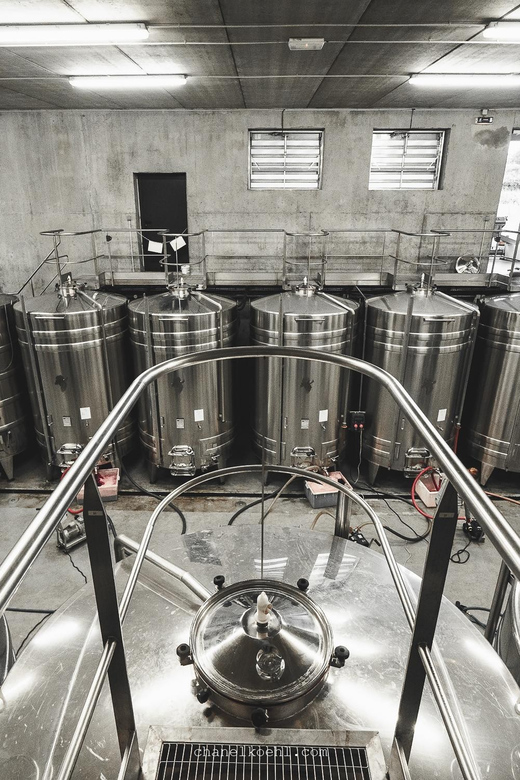
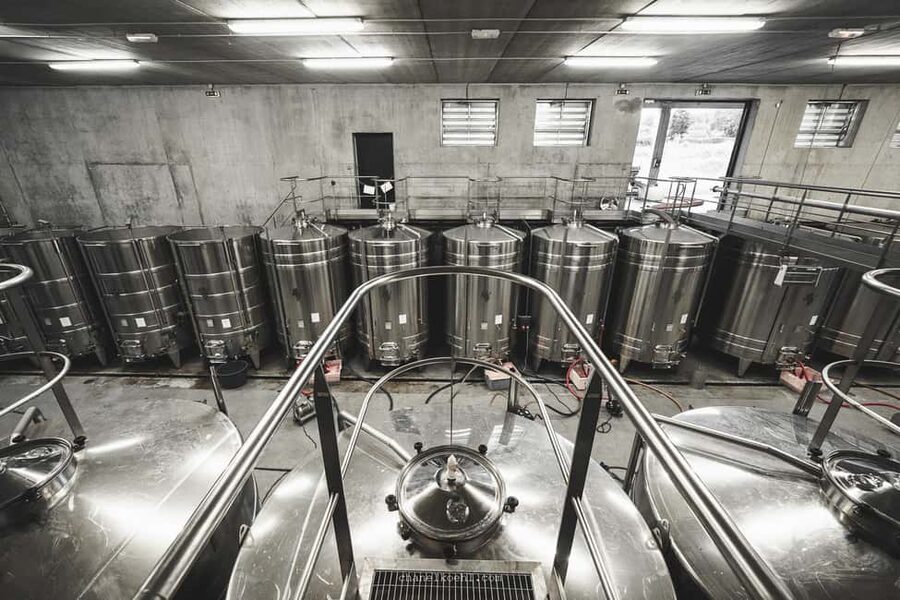
You’ll be welcomed in the tasting cellar where the team gives you an overview of how the experience works. You’re not left wondering where to go or what order to taste in. After that, the idea is simple: you explore at your own pace and savor the moment.
A booklet is provided so you can note your impressions as you go. That sounds small, but it changes everything. You stop relying on memory after the fact, and you can actually compare pairings across the lineup. For example, you might write down which wine felt more aromatic to you, and which cheese made it feel smoother or sharper. By the end, you’re not just thinking it was nice—you can describe what worked for you.
The team stays nearby and is available if you need help. Also, there’s a group-size nuance that’s worth knowing: for a group of four, the tasting is commented by a team member rather than fully independent. In practice, that means if you want more interaction, you may find the smaller group setup more talkative.
A short vineyard walk around the cellar (and why it’s worth your time)
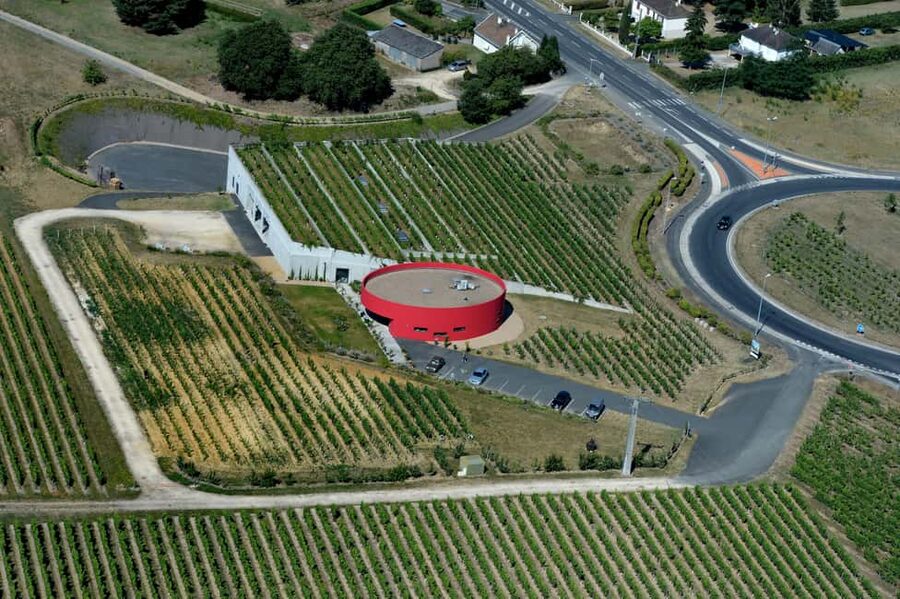
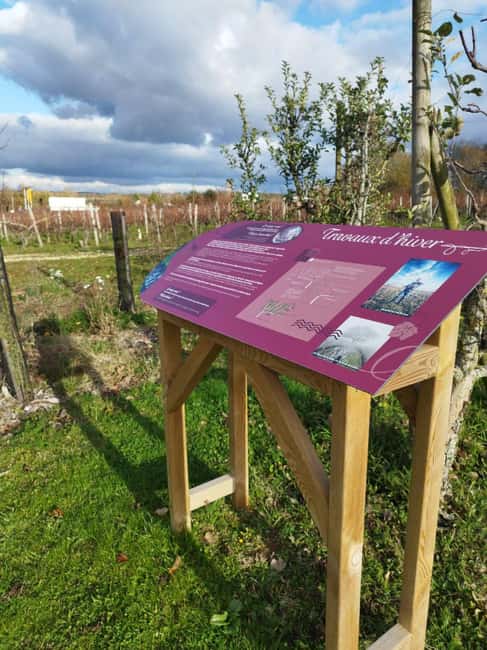
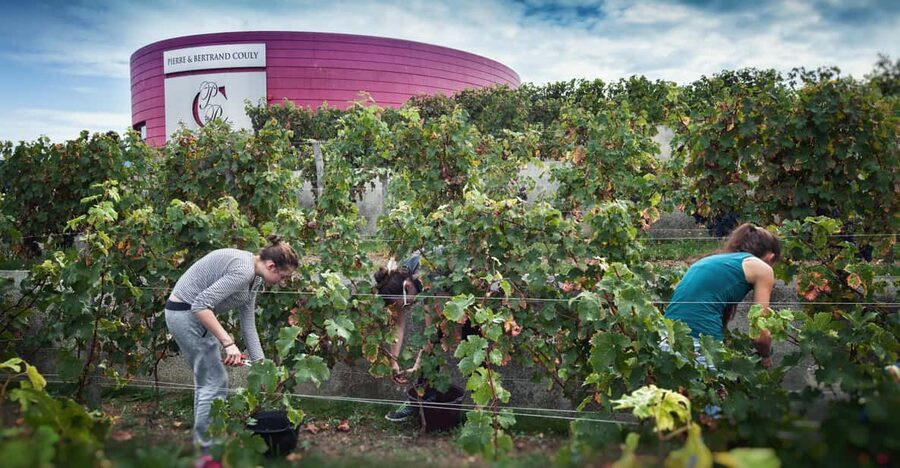
Before you settle into tasting mode, you can enhance the experience with a walk along the vineyard trail around the cellar. This isn’t a long hike. Think of it as a reset: a quick change of scenery that helps the cellar feel more connected to the place.
I like having this moment because it makes the tasting feel less like a random product event. Even a brief walk can put you in a better mindset—standing outside, seeing the vines, and then returning to taste with more context.
What to expect during the walk: you’ll be moving along a trail near the property, and you may notice signs that help you get your bearings. If you’re someone who prefers your experiences fully guided, you might find it a little more self-directed than you’d hoped—but it’s short, and it adds a lot of atmosphere for the time.
Eight Chinon wines: compare, contrast, and don’t rush
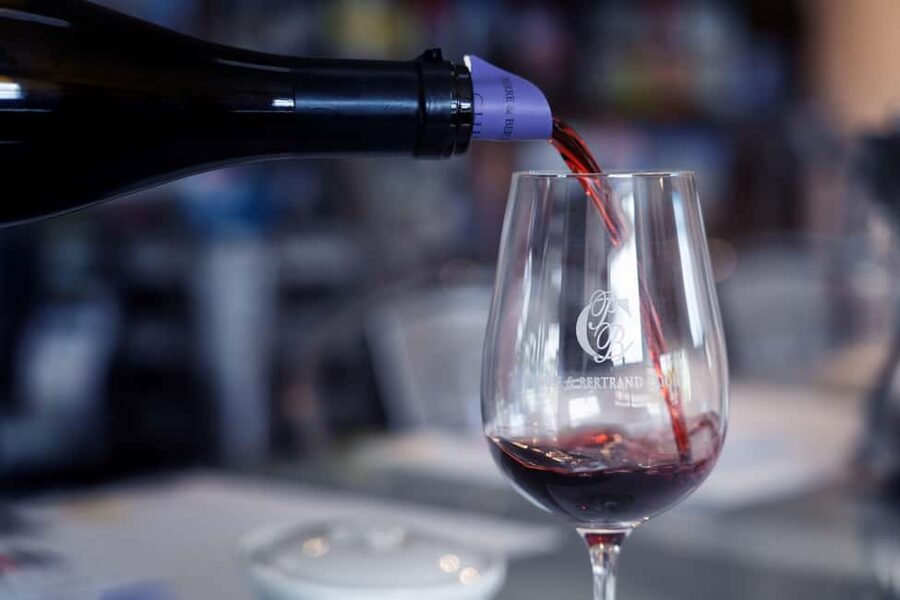
You’ll taste 8 Chinon wines as part of the package. The big advantage here is quantity with structure: eight wines means you can spot your preferences faster, and the pairing with cheese gives each wine a chance to show a different side.
Because you’re tasting at your own pace, you can do this in a way that actually teaches your palate. Here’s a simple method you can use:
- Start with one wine and decide what stands out first (for you).
- Try it with a cheese, then with a different cheese, and see if your first impression changes.
- If a pairing doesn’t click, move on. You don’t have to force it.
In reviews, people specifically called out generous pours and strong pairing matches, which is the kind of detail that matters. There’s nothing worse than trying to evaluate wine when the pours are tiny. Here, you should have enough in each step to make real choices, not just take a sip and guess.
Also, since the host team can answer questions, use them. If you’re unsure what to look for in a wine or how a cheese might affect it, ask while you still remember the last pairing. That turns the tasting into something interactive, even though the pacing is mostly yours.
Eight farmhouse cheeses: the raw milk detail you need to know
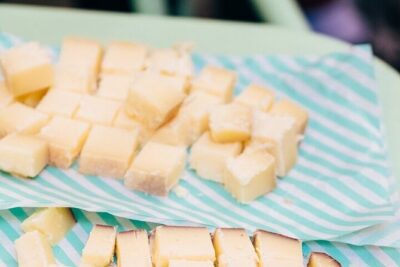
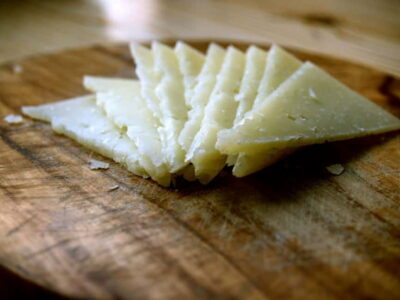
Next comes 8 local farmhouse cheeses sourced from a local producer. This is where the experience becomes truly food-focused. Wine can be a personal preference, but cheese often tells a clearer story because texture and richness show up immediately.
There’s one very important note you should keep in mind: most of the cheeses are made from raw goat milk, and only two are from raw cow milk. That’s not just a trivia point. It affects flavor character, richness, and how the cheese feels on the palate.
Raw goat milk cheeses often bring their own signature—sometimes more tangy, sometimes more structured, sometimes both, depending on the specific cheese. Raw cow milk varieties may feel rounder or more familiar if you already know that style. Either way, tasting both types across eight cheeses helps you notice what you actually like.
Practical heads-up: this experience is not suitable for people with lactose intolerance. Even if you personally tolerate some dairy, you shouldn’t assume this setup will work for you. If you’re lactose intolerant, you’ll want to skip this one.
Pairing at your own pace: how to get the most from “autonomy”
The core idea is that you’re free to explore wine and cheese pairings at your own pace. That might sound like “do whatever,” but it’s really an opportunity to build your own tasting logic.
The best way to get value from this kind of tasting is to stay active, not passive. That means tasting with intent:
- Between each pairing, pause long enough to write one short note in the booklet.
- Ask yourself if the pairing made the wine feel smoother, sharper, sweeter, or drier.
- Repeat comparisons. The tasting is set up so you can look for patterns, not just random hits.
One thing I appreciate about this format is that it works for different personality types. If you love talking, you can ask questions when the team is nearby. If you’d rather taste quietly, you can do that too. The small group setting keeps it from turning into a loud, chaotic room.
There is, however, a small social reality to consider. In at least one experience report, someone felt the team interacted more with another table in the moment, even though staff was generally approachable. So if you want conversation, don’t wait for it to happen—ask directly, and if you’re with someone, take turns asking so both of you can learn what you care about.
Group size, language, and who will feel most comfortable
This is designed for a small group limited to 10 participants. That affects everything: the room feels calmer, the tasting feels less rushed, and it’s easier to get questions answered without shouting across the table.
Languages offered are English and French, so you don’t have to translate in your head the whole time. That helps you ask better questions and makes the orientation more useful.
You should also know who this experience is for. It’s not suitable for children under 18 and it’s not suitable for pregnant women. It’s also not for lactose intolerance. That doesn’t mean it’s unfriendly—it just means the provider has safety and dietary considerations in place, so plan accordingly.
Wheelchair accessibility is listed, which is great for travelers who need mobility support. Even with that, it’s smart to keep your own comfort level in mind if you want to include the vineyard trail walk. The trail is around the cellar, but it still counts as time on your feet.
Price and value: does $31 per person make sense?
At $31 per person for 1 hour, you’re paying for a lot of built-in value: 8 wines, 8 cheeses, and the structure to taste them meaningfully. The experience also includes the welcome at the cellar, a provided booklet for notes, and staff availability during the tasting.
When a tasting includes enough product to compare across multiple options, the price feels easier to justify. It’s not just a token taste. You’re getting a full set of pairings that can help you decide what you actually like.
That said, value is personal. One person felt it was a bit pricey, mainly because the tasting is mostly autonomous and there’s a walk with signage instead of constant narration. If you’re the kind of traveler who pays most for storytelling and history, you might find yourself wanting more guide-led commentary during the cheese and wine steps.
If, instead, you care more about trying real local flavors at a steady pace, $31 can feel fair. Especially because the experience includes pairing-focused cheese and wine amounts that let you evaluate, not just sip.
Who should book this wine and cheese tasting (and who shouldn’t)
You’ll probably enjoy this most if you:
- Like food-and-drink experiences where you can set your own pace
- Want to taste a structured variety (8 wines, 8 cheeses) rather than one or two highlights
- Enjoy comparing pairings instead of collecting facts
- Prefer staff support to be available on request, not nonstop lecturing
You might want to skip it if:
- You need a fully guided, story-heavy experience step-by-step
- You have lactose intolerance
- You’re traveling with children under 18 or you’re pregnant (the experience isn’t suitable for those groups)
One more practical thought: bring curiosity. Raw goat milk cheeses might be unfamiliar. If you’re open-minded, the cheese lineup becomes the star show, and you’ll likely remember specific pairings long after you leave.
Should you book Cave Pierre et Bertrand COULY?
If you’re in the Loire Valley and you want a one-hour activity that feels like a real food moment—not just a quick tasting stop—this is a strong option. The biggest reason to book is the combination of 8 Chinon wines + 8 local farmhouse cheeses with enough freedom to taste the way you actually taste.
Book it if you want autonomy, good pairing variety, and a small-group vibe. Consider a different option if you only enjoy experiences where a guide talks constantly and you need narration to feel satisfied.
If you’re deciding today, I’d say: this one works best when you treat it like a mini palate workshop. Take your time with the booklet, walk the vineyard trail if you can, and let the pairings do the teaching.
FAQ
How long is the wine and cheese experience?
It lasts 1 hour.
How many wines and cheeses are included?
You’ll taste 8 Chinon wines and 8 local farmhouse cheeses.
Is it guided or self-paced?
You start with a welcome and overview in the tasting cellar, then you explore the tastings at your own pace. The team remains available for help. For groups of four, the tasting is commented by a team member rather than being fully independent.
What languages are available?
The host or greeter speaks English and French.
What is the price per person?
The price is $31 per person.
Is it suitable for people with lactose intolerance?
No. It is not suitable for people with lactose intolerance.
Are there age restrictions?
Yes. It’s not suitable for children under 18.
Is the vineyard walk included?
You can enhance the experience by taking a walk along the vineyard trail around the cellar, but the tasting itself is the main part of the activity.
Is it wheelchair accessible?
Yes, wheelchair accessibility is listed.