REVIEW · AMSTERDAM
Amsterdam: Make your cheese next to De Hallen
Book on GetYourGuide →Operated by De Kaasserie · Bookable on GetYourGuide
That first curd smell is addictive. This workshop is hands-on cheese making, close to De Hallen. You’ll learn the core difference between acid and rennet coagulation, then turn two one-liter milk batches into real, take-home cheese.
I especially like how practical it is: you’re not just watching. You’re physically working through the steps, experimenting with herbs and spices, and tasting what you made at the end.
The only real drawback to consider is simple: it’s not suitable if you have lactose intolerance, and it’s aimed at adults (no one under 16).
In This Review
- Key highlights to look forward to
- Meet De Kaasserie and get your cheese game plan
- Acid vs rennet coagulation: the cheese lesson that sticks
- The main event: make two cheeses in one 3-hour workshop
- Add herbs and spices: turn instructions into your own flavor
- The tasting: what fresh and pressed actually mean for you
- Your take-home kit: what you can really recreate
- Price and value: is $135 for 3 hours worth it?
- Who should book this workshop near De Hallen?
- Small-group tips to make the most of your 3 hours
- Should you book Make your cheese next to De Hallen?
- FAQ
- Where do I meet for the workshop?
- How long is the cheese-making session?
- What cheeses will I make?
- Will I get recipes to try at home?
- What supplies do I take home?
- Is this workshop suitable for kids?
- Is coffee or alcohol included?
Key highlights to look forward to
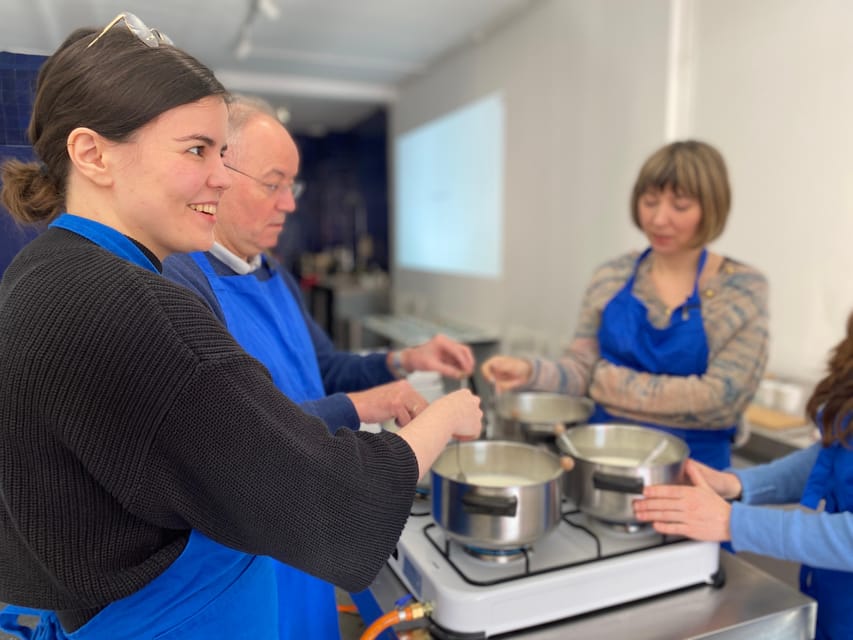
- Two cheese types from two one-liter milks: acid-coagulated fresh and rennet-coagulated cheese (the rennet method used for aged cheese)
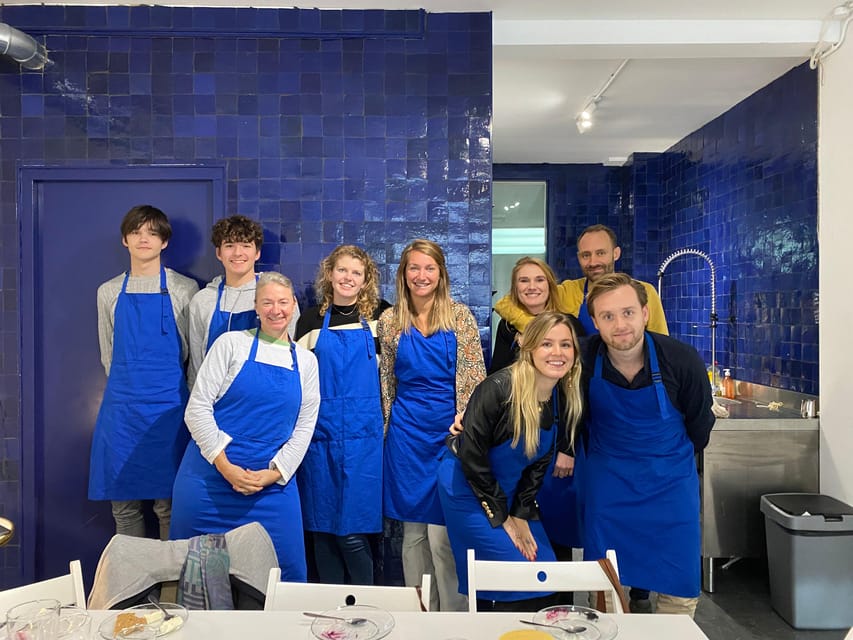
- Small group capped at 10 so you get time with the instructor
- Herb and spice customization while you’re making your cheese
- Tasting session featuring the cheeses you produced
- Take-home kit: two cheeses plus cheese cloth, rennet, calcium, and emailed recipes
- Instructor-led orientation at De Kaasserie with an intro talk and slide-style explanation
Meet De Kaasserie and get your cheese game plan
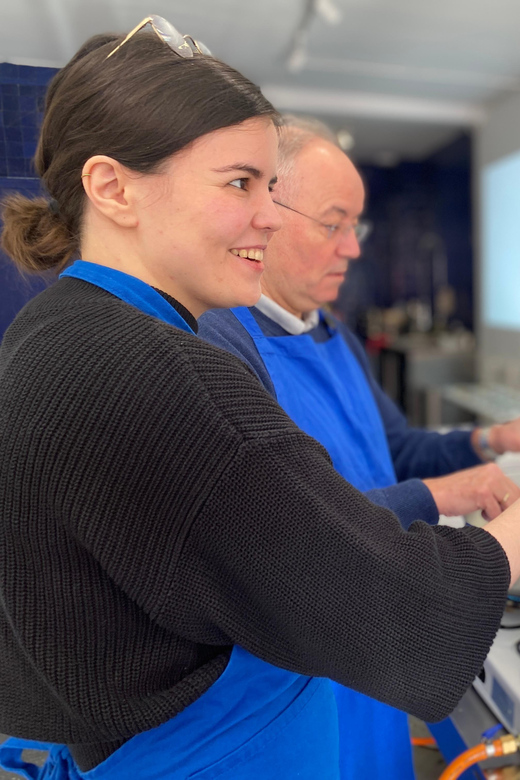
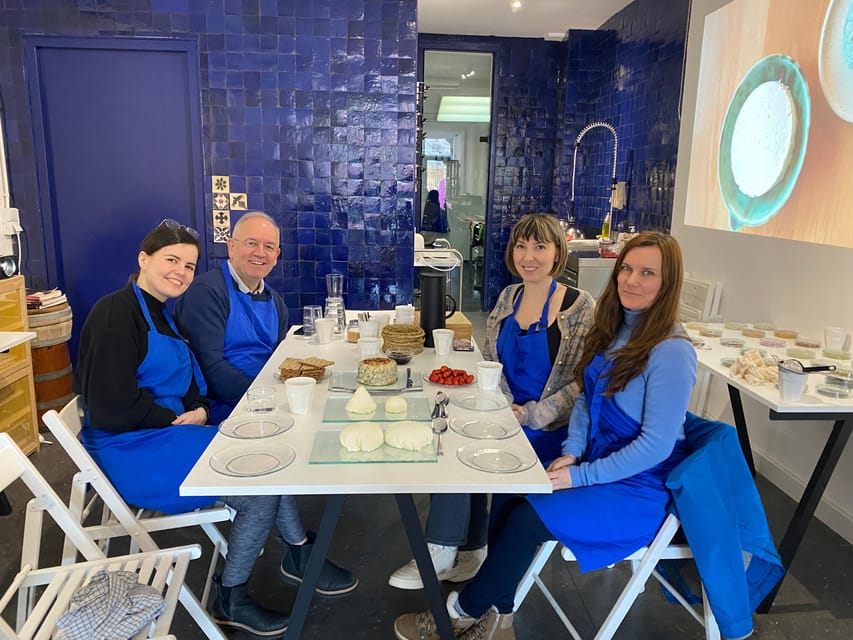
You’ll meet at De Kaasserie, near Amsterdam’s De Hallen area. The session starts once everyone arrives, with a short intro that frames what you’ll make and why it works.
Before you get hands-on, you’ll get a clear walkthrough of the workshop flow. Expect an overview of De Kaasserie and the process, plus a simple explanation of the two milk coagulation types. This setup matters because it helps you connect what you’re doing with what you’ll taste later.
One nice touch: the group format is small enough that you can settle in fast. In one group experience, participants even did quick introductions before the practical work began, which makes the workshop feel more friendly and less like a lecture.
You can also read our reviews of more tours and experiences in Amsterdam.



Acid vs rennet coagulation: the cheese lesson that sticks
Cheesemaking often sounds like a mysterious food-wizard hobby. Here, they keep it grounded.
You’ll learn two basics of milk coagulation:
- Acid coagulation (used for fresh-style cheese)
- Rennet coagulation (used to make aged cheese later on)
Once you understand the role of acid versus rennet, the rest starts to click. You’ll see that changing the coagulation method changes how the curds form and how the cheese develops.
And yes, you’ll use supermarket milk during the workshop. That’s a big value point for you because it makes the skills easier to repeat at home without hunting for special ingredients first.
The main event: make two cheeses in one 3-hour workshop
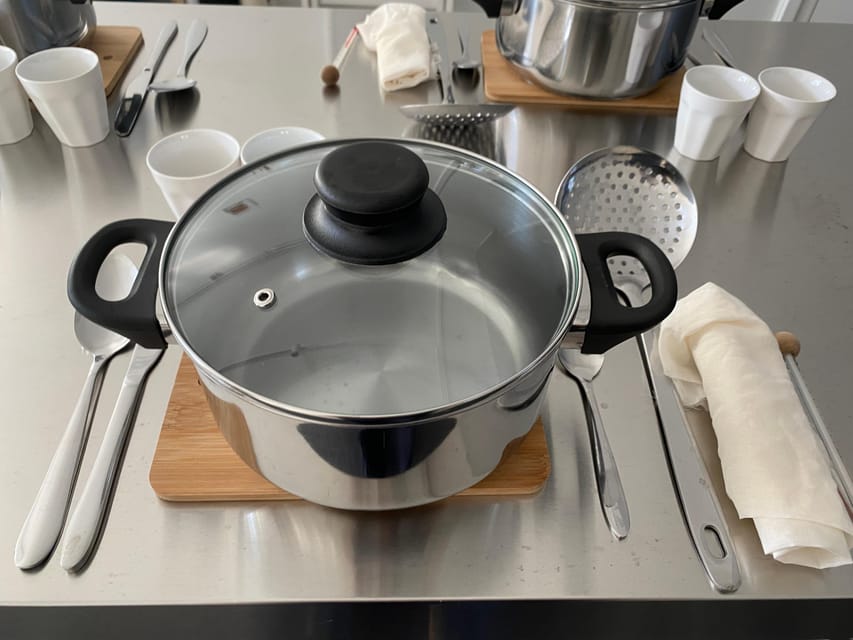
The heart of this experience is simple: you make two cheeses, using two one-liter milk cartons. That means you’re not leaving with just one item and a vague idea of what happened.
Here’s what you can expect:
- You’ll produce one acid-coagulated cheese from one liter of milk.
- You’ll produce one rennet-coagulated cheese from another liter.
- Those two milks will yield two pieces of fresh cheese by the end of the process.
This split is exactly why the workshop feels complete. You’re training your hands on two different pathways, so you can compare the results later with more confidence.
Timing is tight but not rushed. The workshop runs about 3 hours, which is long enough for real work and a tasting, but short enough that you can fit it into a day of exploring Amsterdam.
Add herbs and spices: turn instructions into your own flavor
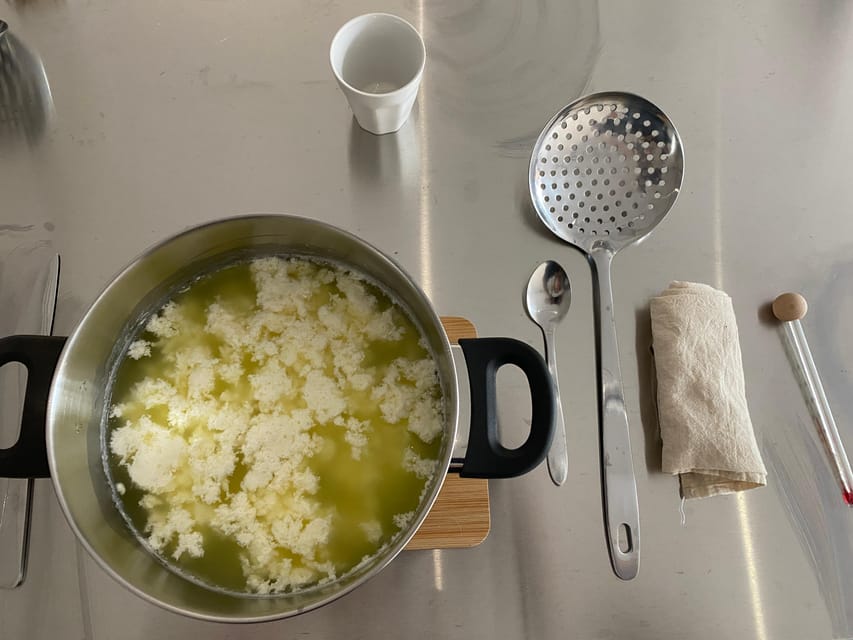
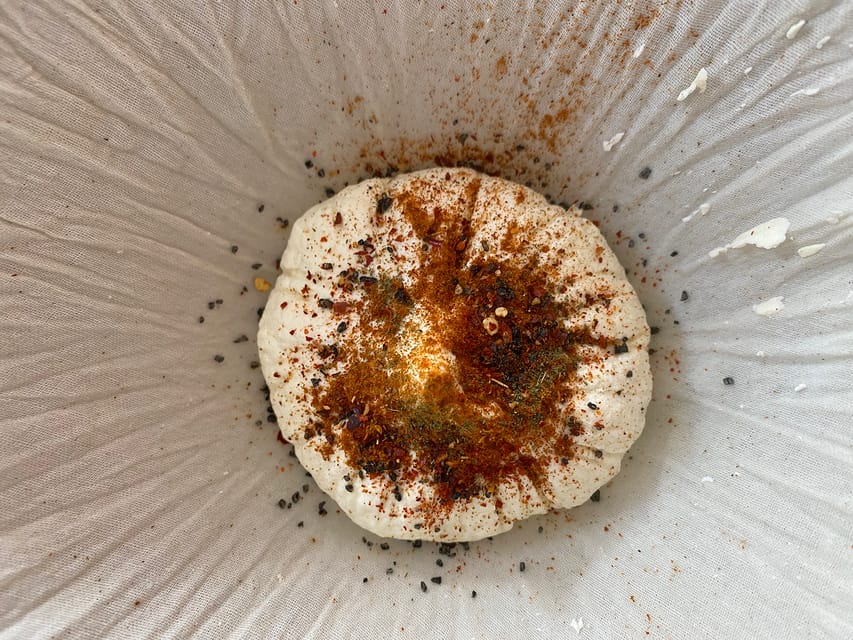
One of the most fun parts is the chance to customize. You’ll experiment with adding spices and herbs to your cheese while you’re working.
This is more than a flavor tweak. It’s also a confidence builder. You’ll leave knowing that cheesemaking isn’t only precision—it’s also controlled creativity.
If you like to cook, you’ll probably enjoy this part most. You get to practice “small decisions” that change the final bite, without needing to commit to a full recipe trial at home first.
The tasting: what fresh and pressed actually mean for you
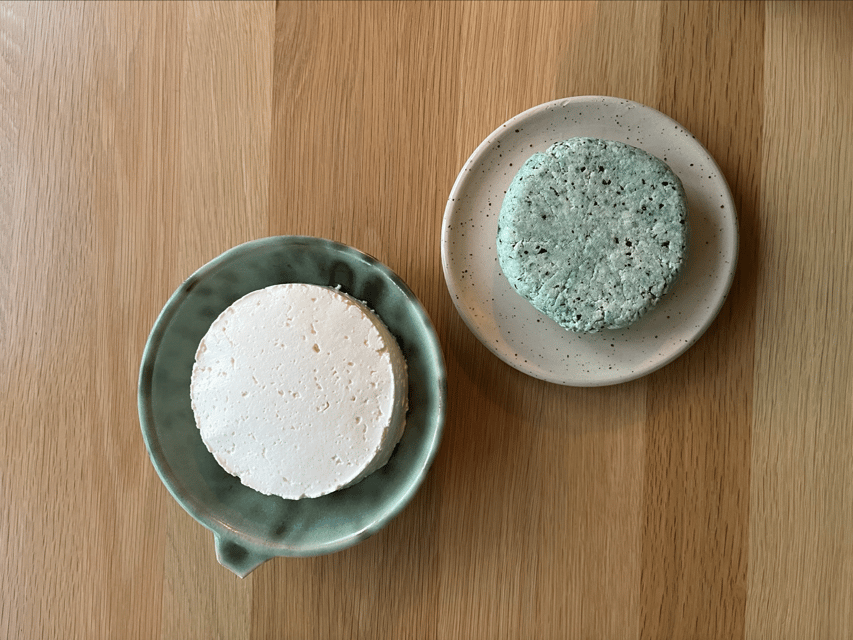
Once both cheeses are ready, you finish with a tasting. The tasting includes your homemade cheeses, described as fresh and pressed.
Even if you’re not a cheese expert, this segment helps you learn faster. You’ll taste the difference between what formed from acid versus what formed from rennet, and you’ll connect that to the process you just did with your own hands.
This is also where the workshop turns into an experience you can remember. The tasting makes your work feel real, not like a science project you forgot two minutes later.
- Zaanse Schans Windmills, Clogs and Dutch Cheese Small-Group Tour from Amsterdam
★ 4.5 · 2,369 reviews


Your take-home kit: what you can really recreate
Here’s the part that makes this workshop good value: you don’t just get to eat cheese during the class. You take materials and instructions home.
You’ll leave with:
- Two cheeses
- Cheese cloth
- Rennet and calcium
- Recipes by email
That take-home list matters for you because it removes the biggest barrier to repeating cheesemaking at home: figuring out what to buy and how to follow the process.
Also, the workshop explicitly encourages home experimentation. If you liked the rennet-coagulated method (remember, that’s the procedure used for aged cheese), you’ll have a path to go from a fresh version toward more complex, longer recipes later.
Price and value: is $135 for 3 hours worth it?
At $135 per person for about 3 hours, this workshop isn’t a cheap snack. But the value stacks up because you’re getting multiple things that cooking classes often skip.
You’re paying for:
- Two separate cheese-making processes (two cheeses from two one-liter milks)
- Active instruction for a small group (max 10)
- A tasting of what you produced
- Take-home supplies (cloth, rennet, calcium) plus emailed recipes
If you’ve ever tried to follow a cheesemaking recipe at home, you know the hidden costs: trial ingredients, failed attempts, and wasted time. Here, the workshop compresses the learning curve into a single session and gives you the tools to try again.
If you’re the type who enjoys hands-on food and wants a skill, not just a meal, the price starts to feel fair.
Who should book this workshop near De Hallen?
This workshop is a strong fit if you:
- Want a lifelong-ish skill you can use again at home
- Like food science explained in practical steps
- Enjoy interactive cooking where you do the work, not just watch
- Want something memorable beyond museums and canals
It’s also a good pick for groups of friends because the class size stays small and you’ll be doing everything side-by-side.
It’s not suitable for:
- Children under 16
- People over 95
- People with lactose intolerance
So if lactose is an issue, don’t count on a workaround. The session is built around milk and the classic coagulation methods.
Small-group tips to make the most of your 3 hours
This kind of workshop rewards the prepared.
- Wear clothes you don’t mind getting a little dairy-ish during hands-on steps.
- Bring curiosity. If you’re wondering why acid and rennet behave differently, ask during the presentation or when you start working.
- Plan your timing. After a 3-hour session, you’ll likely want a low-effort meal or walk, not a marathon plan.
- If you’re interested in aged cheese later, pay attention to the rennet explanation during the intro, since that’s the method the workshop notes for aged cheesemaking.
Languages are English, Spanish, French, and Dutch, so you’ll likely be able to follow along comfortably.
Should you book Make your cheese next to De Hallen?
If you want a meaningful Amsterdam activity with real-world payoff, I’d book it. The best reason is the combination: you make two cheeses, learn the core coagulation concepts, taste what you produced, and take home supplies and recipes so the experience doesn’t end when the workshop does.
Don’t book it only if you’re looking for a quick, casual tasting with zero hands-on work. This is a skill workshop, and the fun comes from doing the steps, not from passively sampling.
If you’re the type who loves turning travel memories into something you can repeat at home, this one fits.
FAQ
Where do I meet for the workshop?
You meet at De Kaasserie, and the exact meeting point may vary depending on the option you booked.
How long is the cheese-making session?
The workshop lasts about 3 hours.
What cheeses will I make?
You’ll make two kinds of cheese: one acid-coagulated cheese and one rennet-coagulated cheese, using two one-liter portions of milk.
Will I get recipes to try at home?
Yes. You’ll receive the recipes by email, along with the cheeses you take home.
What supplies do I take home?
You take two cheeses plus cheese cloth, rennet, and calcium.
Is this workshop suitable for kids?
No. It’s not suitable for children under 16.
Is coffee or alcohol included?
No. Tea is included, but coffee and alcoholic beverages are not included.
You Might Also Enjoy

More Tour Reviews in Amsterdam
- Zaanse Schans Windmills, Clogs and Dutch Cheese Small-Group Tour from Amsterdam
★ 4.5 · 2,369 reviews