REVIEW · BORDEAUX
Blind Tasting: 5 Bordeaux Natural Wine + Cheese experience
Book on GetYourGuide →Operated by Free Walking tours Bordeaux · Bookable on GetYourGuide
Five pours can feel like a puzzle.
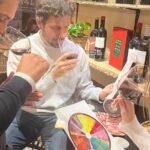
This Bordeaux natural wine + cheese tasting turns a usually quiet category into a group game: you smell, taste, and guess while your sommelier ties each wine to Bordeaux grapes and region stories. I especially liked the bright, alive flavors of the wines and the way the session nudges you to use your senses first, including the fun part where you end up sniffing around friends like it is all part of the act. One thing to keep in mind: seating can be less social than you might hope, depending on how the space is set up.
You also get real take-home value, not just sipping. The guide walks you through Bordeaux complexity, including the 1855 classification, plus how to read a French wine label and think about pairing. The possible drawback is simple: you get only 1 hour, so if you want a long, unhurried wine lounge experience, you may feel the pace is brisk.
In This Review
- Key things to know before you go
- Bordeaux Natural Wine + Cheese: why this tasting feels different
- Where you start: Saint-Michel and the meet-up point that sets the tone
- The flow of the 1-hour experience: listen, smell, taste, then figure it out
- The 5-wine flight: what you taste and why the mix matters
- Cheese and dry meat pairings: how to taste the lesson, not just the food
- How the sommelier turns guesses into understanding
- What you’ll learn about Bordeaux: labels, grapes, and the 1855 classification
- The sulphur and hangover myth: the one lesson people actually remember
- Pairing like you live here: what to do after the tasting
- Price and value: is $51 per person a fair trade?
- Practicalities: pacing, language, and the one social caution
- Who this is best for (and who might want something else)
- Should you book the Blind Tasting: 5 Bordeaux Natural Wine + Cheese?
- FAQ
- FAQ
- Where is the meeting point for the Blind Tasting: 5 Bordeaux Natural Wine + Cheese experience?
- How long does the experience last?
- What wines are included in the tasting?
- Does the tasting include a blind format?
- What food is included with the wines?
- Are extra drinks or extra food included?
- What languages are the guides available in?
- Is the experience wheelchair accessible?
- Is this suitable for children or pregnant travelers?
Key things to know before you go
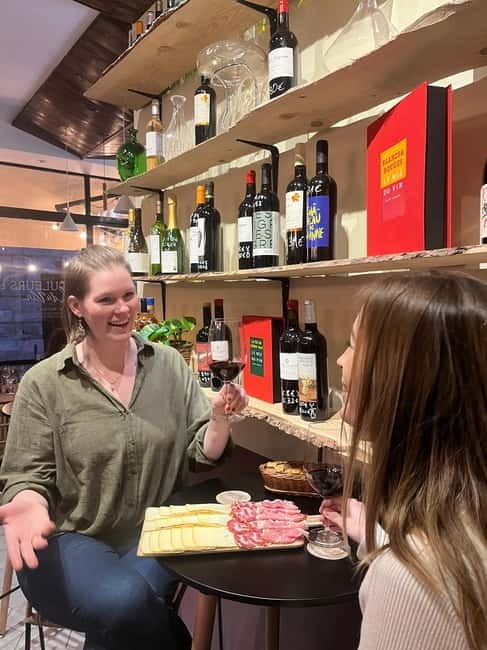
- Blind tasting format that makes even confident wine drinkers second-guess themselves in a good way
- 5 wines in one flight (1 white, 3 reds, 1 sweet) matched with cheese and dry meat
- Cheese + pairing lessons that teach what to look for, not just what to taste
- Sommelier-led stories about grapes, regions, vintage, and the 1855 classification
- Practical label reading tips so you can order Bordeaux with confidence later
- A cozy setting near Saint-Michel, with a view that adds to the mood
Bordeaux Natural Wine + Cheese: why this tasting feels different
Bordeaux is often treated like a stuffy test: classify, score, repeat. This natural wine tasting flips that expectation by pushing you to taste with curiosity instead of authority. The blind setup matters because it shuts off preconceived ideas, so you focus on what is actually in your glass.
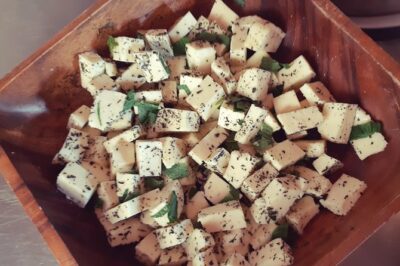
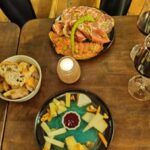
I also like how food is not an afterthought. You get 3 different cheeses and 2 types of dry meat alongside the pours, which helps you learn pairing in a real, not theoretical way. In practice, you can taste what changes when you go from wine-only to wine plus salt, fat, and texture.
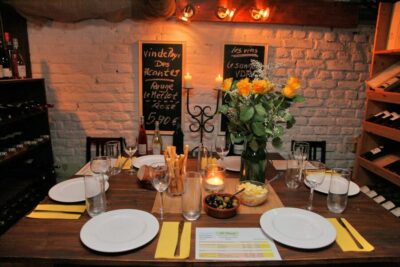
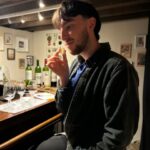
The vibe tends to be cozy and friendly, and at least one host (Ash) is specifically called out for being welcoming and running an interactive session. You should go in ready to smell first, taste second, and talk your guesses out loud.
You can also read our reviews of more tours and experiences in Bordeaux.
Where you start: Saint-Michel and the meet-up point that sets the tone
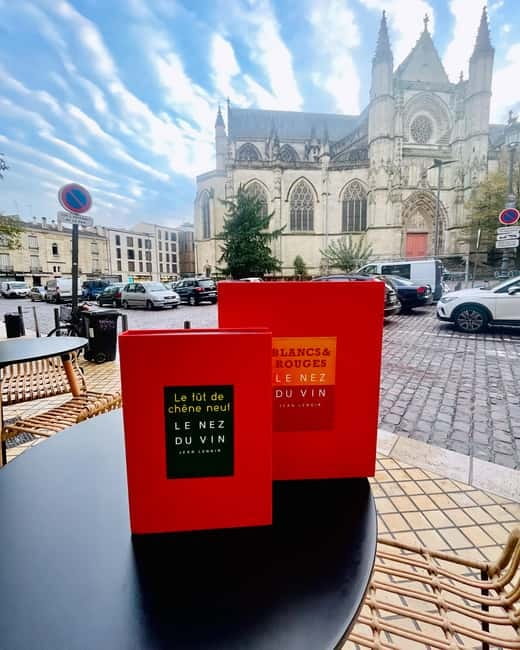
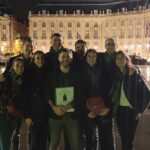
You meet in front of the Flamboyant Saint Michel Church, and the experience ends back at the same place. That matters more than you might think because it keeps the tasting simple: no transit wrangling, no hunt for a distant venue, and you can roll right into sightseeing after.
The location around Saint-Michel also gives you a sense of place. One review highlights an amazing view from the spot, including the backside of Basilique Saint-Michel. Even if you are focused on wine, the setting makes the hour feel like part of the neighborhood, not a random stop.
Because the duration is 1 hour, your timing is tight enough that arriving a few minutes early helps. You want to be seated and ready before the blind tasting starts, so you can fully participate instead of waiting through the opening talk.
The flow of the 1-hour experience: listen, smell, taste, then figure it out
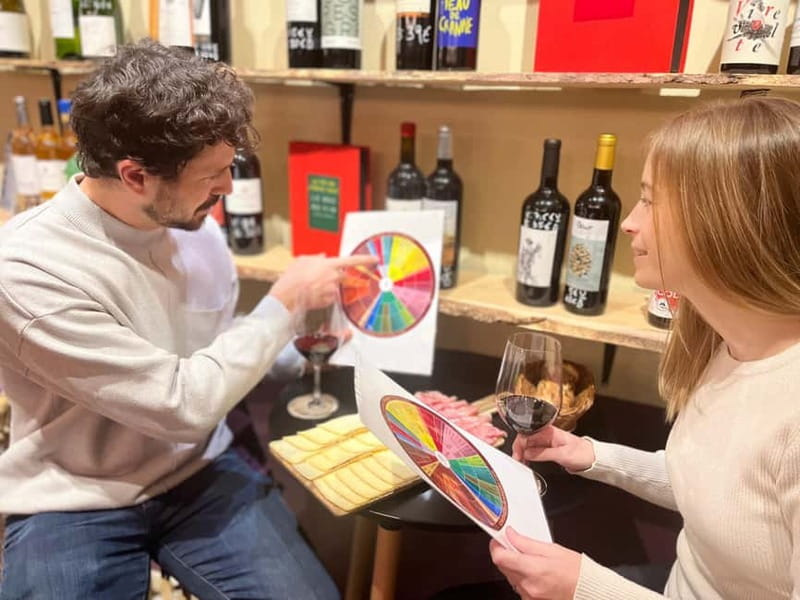
This tasting is structured like a guided game. You start with the sommelier explaining what you are doing and why, then you work through the flight of wines while you learn how to describe what you taste.
You can expect the guide to cover:
- grape varieties used in Bordeaux
- the key wine regions within Bordeaux
- the 1855 classification (the famous Bordeaux system you will see on labels)
- how to read a French wine label like a professional
- how to pair wine with food
Then comes the practical part: you taste the wines in a blind tasting format, which typically means you are not relying on label cues. You sniff, you take notes in your head, and you throw out guesses. The fun is not just “getting answers.” It is the moment you realize your brain is making assumptions, and then the sommelier steers you toward what is actually happening in the glass.
The 5-wine flight: what you taste and why the mix matters
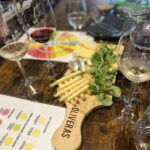
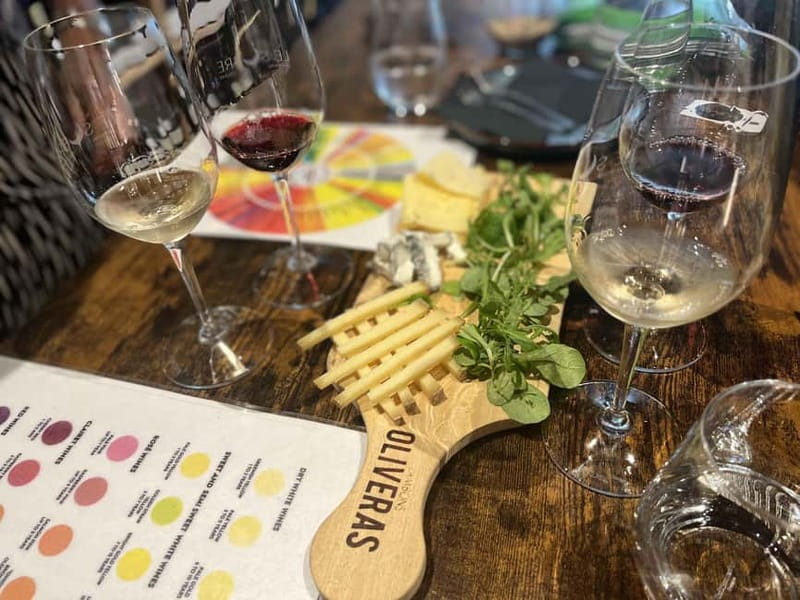
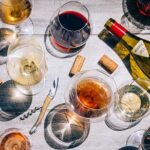
You taste 5 Bordeaux wines from different parts of the region. The flight includes 1 white, 3 reds, and 1 sweet wine. That mix is smart, because it forces you to notice how Bordeaux changes across styles, and how cheese and dry meat behave differently with each one.
Here is how to think about the flight as a learner:
- The white usually acts like your palate reset. You tend to notice acidity and freshness more clearly when you compare it later to reds.
- The three reds help you see variation in how Bordeaux expresses itself. Even when you do not know the technical terms yet, you can track changes in tannin feel, fruit tone, and dryness.
- The sweet wine gives you contrast. Pairing a sweet wine can feel tricky, but that is exactly why it is useful to taste it with food during the lesson.
Natural wine also adds an extra layer to your noticing. Instead of treating natural wine as a trend, the guide frames it as a way of looking at flavor. The result, if you like expressive wine, is that the tasting feels bright and alive rather than heavy and predictable.
Cheese and dry meat pairings: how to taste the lesson, not just the food
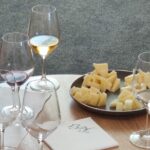
You get 3 types of cheese and 2 types of dry meat, plus you may get baguette as part of the serving (one review specifically calls out cheese, charcuterie, and baguette portions). This is where you learn the real-world version of pairing, because your bites change how each wine lands.
What to pay attention to during pairing:
- Salt from dry meat often makes fruit flavors pop and can also sharpen acidity.
- Fat from cheese can soften tannins, especially with reds.
- Aging and intensity in cheese can either harmonize or make wine feel more austere—depending on the match.
- Texture matters. A smoother cheese can make a wine feel rounder; a stronger cheese can demand a wine with more structure.
I like that the sommelier does not just say pair this with that. The session is designed to teach you how to pair: what to look for in the wine (acidity, tannin, sweetness) and what to look for in the food (salt, fat, and flavor intensity). If you can do that, you stop needing to memorize rules.
And yes, you will probably end up snacking your way through some of the best discoveries. That is part of the fun. One review also mentions good serving portions, which matters because a tiny plate makes a pairing lesson feel like a tease.
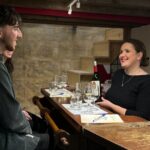
How the sommelier turns guesses into understanding
The guide is the engine of the experience. You are not just buying wine; you are buying a way to interpret it quickly.
From what you can expect, your sommelier will reveal the secret behind the blind tasting. That is not just a reveal for show. It helps you connect your first reaction (often fruit or acidity) to the deeper reasons (grape choices, region characteristics, and how Bordeaux styles differ).
If you love interactive wine sessions, this one is built for you. At least one review points out that the owner ran the tasting and it was the most informative and interactive wine tasting they had done. That lines up with the structure here: lots of short explanations paired directly with tasting moments.
Also, the host’s tone matters. The session is described as friendly and fun, and the learning feels like it happens between bites and sips rather than like a lecture. You end up talking, guessing, and correcting yourself—which is the fastest way to get better at wine.
What you’ll learn about Bordeaux: labels, grapes, and the 1855 classification
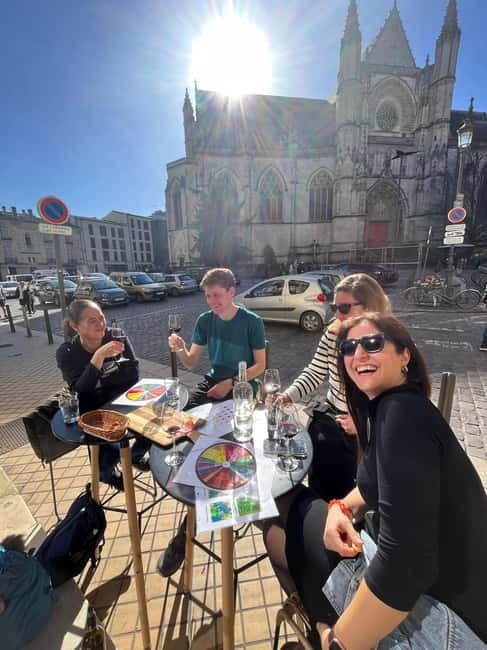
This tasting takes the scary parts of Bordeaux and makes them usable.
You will learn about:
- Bordeaux grape varieties (so the label stops being a wall of names)
- important Bordeaux wine regions (so you understand what people mean when they say Left Bank vs Right Bank, for example, even if you do not memorize everything at once)
- what the 1855 classification is and why it shows up on many bottles
- how to read a French wine label like a professional
The label-reading piece is one of the biggest practical benefits. Once you can spot key information—style cues, producer details, and classification references—you can shop smarter later. You stop buying blind (sorry) and start buying with intention.
And the 1855 classification lesson is especially useful in Bordeaux because it is a common reference point. Even if you are not chasing big names, understanding what the classification signals helps you interpret what you are seeing on shelves and menus.
The sulphur and hangover myth: the one lesson people actually remember
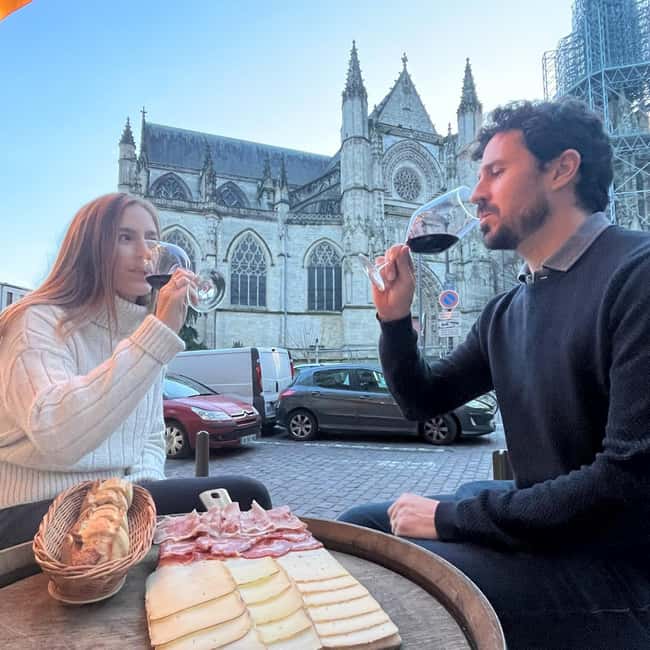
This tour includes a specific myth-buster angle: the reason of getting a hangover is not blamed on sulphur. You also hear a comparison that there is more sulphur in fruits and vegetables than in a bottle of wine.
I like this part because it is memorable and it makes the tasting feel like a real conversation, not just a list of facts about terroir. You walk away with a calmer, more informed mindset—useful at dinner when you want to ask questions and not repeat hearsay.
Important note: the session frames this as part of the fun education. It is not about turning wine into a medical topic. It is about clearing up one of the most common oversimplifications.
Pairing like you live here: what to do after the tasting
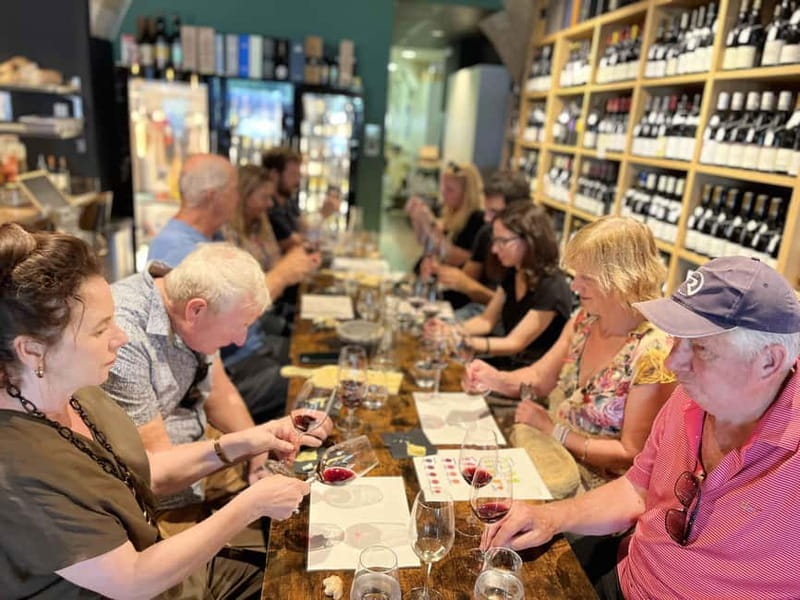
Your goal after 1 hour should be simple: you want to make better choices at your next meal.
Here is how to use what you learn right away:
- When you see Bordeaux on a menu, look for label cues tied to grape variety and style.
- Think about pairing by matching wine attributes to food attributes: acidity with fat, tannin with fattier textures, sweetness with salty or rich notes.
- Use the blind tasting habit. Even if the next bottle is not blind, you can still taste first and decide second.
Because you also tasted both reds and a sweet wine, you have a reference point for how Bordeaux handles contrast. That is valuable when you later see dessert wine or a lighter white and wonder what it will do with your order.
Price and value: is $51 per person a fair trade?
At $51 per person for a 1-hour session, the value comes from what you receive, not just the “wine tasting” label. You get:
- 5 Bordeaux wines (1 white, 3 reds, 1 sweet)
- blind tasting guidance
- 3 cheeses and 2 dry meats (plus serving portions that may include baguette)
- education that covers Bordeaux regions, grapes, labels, and the 1855 classification
- a live sommelier in French or English
If you were doing this on your own, it is hard to reproduce the same learning per euro/dollar because you would need to buy multiple bottles, figure out pairing quantities, and still find someone to explain what to notice. Here, you are paying for the structure and the interpretation.
Is it perfect value for every style of traveler? If you are chasing volume—multiple pours beyond the flight—this is not that. You also do not get extra glasses or additional food beyond what is included.
But if you want guided tasting plus pairing education in a short window, the price makes sense.
Practicalities: pacing, language, and the one social caution
This experience lasts 1 hour and runs with a live tour guide who speaks English and French. That is a big deal for comfort. You will not feel lost during the label-reading and myth-busting parts, which are often where language gaps show up.
One caution based on how the space is described: you might be seated separately because the tasting happens in a restaurant setting on the spot. If you enjoy group chatter and a lot of mixing, plan to be proactive—ask the sommelier a question and turn your guess into a conversation with nearby seats.
Also, this is not suitable for children under 18 and it is not suitable for pregnant women. If that applies, you’ll want to choose another wine activity that fits.
Wheelchair accessibility is listed, which is good for planning if you need step-free entry and an easy path to seating.
Who this is best for (and who might want something else)
You will likely love this if you:
- want to understand Bordeaux beyond just ordering a famous chateau
- like natural wine but want it explained in plain terms
- enjoy learning by tasting, not by reading a booklet
- care about pairing and want a method you can reuse
You might reconsider if:
- you hate blind tasting formats and prefer to know exactly what you are drinking
- you want a long, leisurely sit-down wine event
- you are very sensitive to noise or social mixing limitations, given the possible seating layout
Should you book the Blind Tasting: 5 Bordeaux Natural Wine + Cheese?
Yes, if you want an hour where you leave with both better taste instincts and better label confidence. The standout strength here is the pairing lesson tied directly to a structured blind tasting flight of 5 Bordeaux wines, with a sommelier guiding you through the why behind what you taste.
Book it if you enjoy interactive wine moments, cheese and charcuterie pairings, and practical learning you can use the next time you order Bordeaux. Skip it if you need a slow, social, everyone-talking-at-once experience, since the seating setup can reduce mingling.
FAQ
FAQ
Where is the meeting point for the Blind Tasting: 5 Bordeaux Natural Wine + Cheese experience?
You start in front of the Flamboyant Saint Michel Church in Nouvelle-Aquitaine, France.
How long does the experience last?
The duration is 1 hour.
What wines are included in the tasting?
You taste 5 wines: 1 white, 3 reds, and 1 sweet wine.
Does the tasting include a blind format?
Yes. It includes a blind tasting of Bordeaux wines.
What food is included with the wines?
You get 3 different types of cheese and 2 types of dry meat.
Are extra drinks or extra food included?
No. Extra glasses of wine or any additional food in the bar are not included.
What languages are the guides available in?
The live guide is available in French and English.
Is the experience wheelchair accessible?
Yes, the activity is listed as wheelchair accessible.
Is this suitable for children or pregnant travelers?
It is not suitable for children under 18, and it is not suitable for pregnant women.