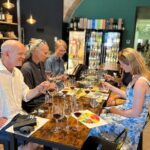
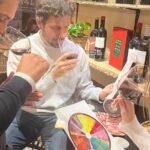
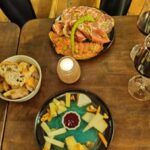
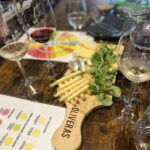
Bread from an 18th-century oven sets the tone. This small-group Bordeaux experience connects bread, cheese, and wine to the way locals actually eat, starting with a bakery oven built in 1765 under King Louis XV. I especially love how hands-on the tasting feels, and I like that you finish with a real cheese-and-wine pairing conversation instead of a quick sample and goodbye.
The only real drawback is focus: this is food-first, not a long sightseeing day. If you’re craving big monuments or lots of museum time, you’ll want something else to pair it with.
In This Review
- Key things you’ll notice on this Bordeaux food tour
- Bread from an Oven Built for King Louis XV
- Chartons Wine District: Where the Walk Turns into Lunch
- The Restored Market Hall and Eglise St Louis des Chartrons Stops
- From Pain Gascon to Handmade Bread: What You Actually Learn
- The Fromagerie Lesson: Building Your Cheese Board with Alex
- Wine Shop in Southwest France: Pairing Talk That Makes Sense
- How the Pairing Works at Your Next French Table
- Price and Timing: Is $104.53 for Two Hours a Good Deal?
- Should You Book Cheese, Wine and Bread in Bordeaux?
- FAQ
- What is the duration of the Cheese, Wine, and Bread tour?
- Where does the tour start and end?
- Is food and wine included in the price?
- Are there alcohol restrictions?
- What language are the guides?
- How big is the group?
- Can the tour accommodate dietary restrictions?
- Is a mobile ticket provided?
- When does the tour take place?
- Can I get a refund if I cancel?
- Do I need to tip the guide?
Key things you’ll notice on this Bordeaux food tour
- An oven from 1765 (built under Louis XV) used for modern bread traditions
- Chartons, Bordeaux’s old wine district, with churches, shops, and antiques
- Fromagerie selection time, where your guide helps you build a tasting board
- Wine shop with one of the largest selections in Southwest France
- Small group size (max 8), which makes pairing questions actually answerable
Bread from an Oven Built for King Louis XV
French eating starts with bread. This tour makes that point fast, before you even get into the cheese counter drama.
You’ll begin in one of Bordeaux’s most interesting bakeries, the kind where you can practically smell stories. The star is the oven built in 1765 under King Louis XV. Seeing it up close does more than look cool on photos. It puts you in the right frame of mind: bread isn’t an afterthought here. It’s structure. It’s texture. It’s a baseline flavor that makes everything else taste clearer.
Then you learn how traditional bread-making works, not in a classroom way, but in a practical way that connects to what you’ll taste later. Expect examples of how bread crumb and crust change the bite, and how that matters when cheese and wine enter the conversation. One of the bread highlights is pain Gascon, a regional favorite that gives you a taste of the Southwest beyond just wine talk.
You also get the feeling that the guide is steering you toward real orders you could make later. The tasting is fun, but the point is understanding.
You can also read our reviews of more tours and experiences in Bordeaux.
Chartons Wine District: Where the Walk Turns into Lunch
This experience takes place in Chartons, a neighborhood known as Bordeaux’s wine district. You get the best of both worlds: a walk through parts of the area locals shop and wander, plus stops that explain what this place used to be and why it still matters.
Chartons today mixes high-end food shops, gothic churches, and antique sellers. That mix is exactly why it works for a bread-cheese-wine tour. You’re not just trapped inside one store. You’re moving through the neighborhood context that made all this trading possible—wine culture, food culture, and the simple pleasure of people meeting over good products.
Timing is also a big part of the value. The whole thing runs about 2 hours, and for many people it doubles as lunch. That means you don’t need to squeeze in a meal afterward. If you arrive hungry, you’ll leave with that satisfied, calm-food feeling that comes from eating in the right order: bread first, then cheese, then wine pairing.
This is also a small group tour, capped at 8 people, so the guide can keep an eye on what each person likes and how each tasting is landing.
The Restored Market Hall and Eglise St Louis des Chartrons Stops
Before you reach the heavier food parts, you’ll get oriented in the neighborhood. One early stop is a market hall restored in 1998, originally built on a site connected to the French Revolution-era market. That detail might sound like trivia, but it matters here. It explains why food culture in this part of Bordeaux has always been public and social, not just something that happens behind closed doors.
Then you pass by Eglise St Louis des Chartrons. It’s a gothic revival church dedicated to Saint-Louis, tied to a former king of France. This isn’t a long church visit. It’s a quick moment that helps you feel where you are: Bordeaux isn’t just wine warehouses and river views. It’s streets with institutions that grew up around community life.
These short sight moments do one useful job. They keep the tour from feeling like one long tasting line. You get a breath of fresh air, some visual landmarks, and an easy sense of place right before the taste experience ramps up.
If you’re the type who likes context (even five minutes of it), you’ll appreciate how this walk sets you up.
From Pain Gascon to Handmade Bread: What You Actually Learn
The bakery portion is where I’d start if you care about flavor logic, not just sampling. You’ll see the oven up close, then get explanations about traditional bread-making techniques and how they affect what ends up on your plate.
You’ll also taste regional breads like pain Gascon. That’s a smart choice because it keeps the experience local. Bordeaux is famous for wine, sure, but the bread here connects the region’s habits—what people baked, how they used ingredients, and how bread supported meals that included cheese.
Here’s what I think you’ll take away if you pay attention during the bread part:
- Crust and crumb matter: crust gives structure and crunch; crumb affects how cheese clings or slides off.
- Bread acts like a palate reset: it can make the next cheese feel cleaner and the next wine feel more balanced.
- The guide will point out pairings by texture, not just by name. That’s what helps you later when you’re ordering on your own.
Even if you’re not a bread expert, you’ll leave knowing why a plain slice and a slice with stronger flavor aren’t the same tool. That’s the kind of knowledge you can use immediately.
And yes, you’ll likely eat more than you expected. This tour tends to land as lunch for most people, so come ready to enjoy a real meal rhythm.
The Fromagerie Lesson: Building Your Cheese Board with Alex
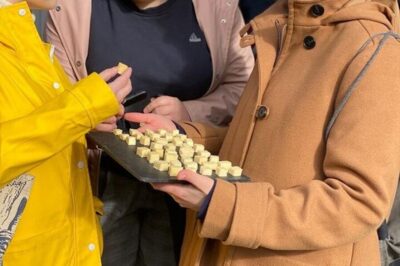
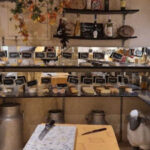
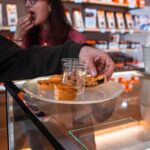
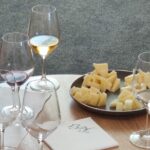
Next comes the fromagerie—the cheese counter where things get serious in the best way. You’ll explore the big world of French cheese, and the guide helps you make selections for the tastings.
What makes this part work isn’t just the cheese lineup. It’s the way the guide steers the tasting. You’re not handed random wedges. You’re tasting with intention, learning how different cheese styles behave when they meet bread and wine.
This is also where the tour proves it can handle real dietary needs. Alex, an English-speaking guide, is known for engaging the group while meeting specific restrictions. In one case, a guest had lactose intolerance and celiac needs, and the guide was able to adapt. That’s a huge deal if you’ve ever been disappointed on food tours that promise flexibility but can’t actually deliver.
Vegetarian diets can also be accommodated if you indicate your needs when booking. So if you eat differently for health, religion, or personal preference, don’t assume you’re stuck eating around everything. Make it clear at booking and you’ll get a better outcome.
The tasting itself is structured enough that you’ll understand what you’re trying. You’ll likely taste multiple cheeses and then see how the guide links them to wine later, so it doesn’t feel like separate activities.

Wine Shop in Southwest France: Pairing Talk That Makes Sense
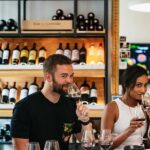
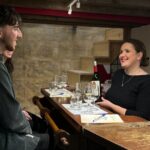
After cheese, you head to a wine shop with one of the largest selections in Southwest France. This is the part where the tour stops being only about what’s in front of you and turns into how to think.
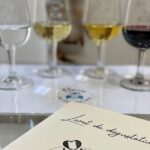
The guide discusses pairing in a practical way—why certain wine styles work with certain cheese traits. You get to connect taste dots instead of memorizing a list of pairings you’ll forget later. The goal is that you can walk into any wine shop and ask better questions.
One review highlights the guide’s approach to Left Bank and Right Bank wines. That matters because it gives you a framework. Even if you don’t become a Bordeaux expert overnight, you’ll have a handle on what people mean when they talk about these styles and what differences you can expect in a glass.
Alcohol is included with the tastings for people 18 and above, so you’re not paying extra for the wine portion. Still, you’ll get a smoother experience if you pace yourself. Two hours can be short when bread, cheese, and wine are all in play.
And a key point: this ending pairing discussion isn’t just lecture mode. It’s the moment you’ll hear how the bread and cheese you tasted earlier are meant to guide your wine choices. That’s when it clicks.
How the Pairing Works at Your Next French Table
Here’s why I think this tour is more useful than a basic food crawl. You’re not just tasting products. You’re learning a method: build a palate with bread, test cheese styles, then choose wine based on how flavors interact.
If you take one lesson with you, make it this: pairing isn’t about finding the perfect match by label. It’s about balancing impact—salt, fat, tang, and intensity.
The bread helps with texture balance. The cheese pushes richness and sometimes sharpness. The wine then either cuts through, softens, or adds another layer depending on style. Your guide helps you see that logic in real time.
That means when you sit down later—maybe at a casual bouchon-style meal, maybe at a nicer restaurant—you’ll have an instinct for what to order first and what to avoid if your glass needs a reset. Even if you’re not confident naming varieties, you’ll understand the direction.
Also, the guide’s ability to adapt for needs like celiac and lactose intolerance signals something important: French food can be flexible if you communicate clearly and if the guide actually knows how to work with the right vendors.
Price and Timing: Is $104.53 for Two Hours a Good Deal?
At $104.53 per person for about 2 hours, this isn’t a budget snack. You’re paying for access, instruction, and multiple tastings: bread, food, and wine are included, and the group is capped at 8 people.
So where does the value come from?
- You get more than tasting. You get explanations that help you choose.
- You visit multiple specialized stops instead of one shop offering everything.
- Alcohol and food are included, which can be the hidden cost on many food tours.
- The small group size means the guide can handle questions and needs without rushing.
The “lunch for most people” angle also matters. If you would otherwise spend money on lunch plus a separate tasting, this can feel like one plan instead of two.
The main consideration is your expectation level. If you want a long day of walking and big landmarks, two hours may feel short. But if your goal is to leave Bordeaux understanding how its food system fits together—bread, cheese, wine—you’ll likely feel satisfied, not rushed.
Should You Book Cheese, Wine and Bread in Bordeaux?
Yes—if you want a smart, food-centered Bordeaux experience in a real neighborhood. This tour is built for people who like learning by tasting, not just eating and moving on.
Book it especially if:
- You care about how pairing works, not only what tastes good.
- You’re okay with a food-first pace and want this to function as lunch.
- You need diet accommodations and want a guide who can adapt, like Alex did for lactose intolerance and celiac needs in past groups.
Skip it (or pair it with something else) if:
- You’re mainly after museums or major sightseeing blocks.
- You dislike tasting tours and would rather choose your own cheese and wine without guidance.
If your ideal day in Bordeaux is part street walk, part bakery and cheese shop, with a serious wine pairing conversation at the end, this is a strong pick.
FAQ
What is the duration of the Cheese, Wine, and Bread tour?
It lasts about 2 hours.
Where does the tour start and end?
It starts at 27 Rue Camille Godard, 33000 Bordeaux, France and ends at 6 Rue Notre Dame, 33000 Bordeaux, France.
Is food and wine included in the price?
Yes. All food and wine is included, and alcoholic beverages are part of the experience.
Are there alcohol restrictions?
Yes. Only travelers 18 years old and above can be served alcoholic drinks.
What language are the guides?
The guide is English-speaking.
How big is the group?
The tour has a maximum of 8 travelers.
Can the tour accommodate dietary restrictions?
Yes. Dietary restrictions such as vegetarian can be accommodated. If you have specific dietary requirements, you should indicate them when booking.
Is a mobile ticket provided?
Yes, the tour uses a mobile ticket.
When does the tour take place?
It starts at 11:00 am.
Can I get a refund if I cancel?
Cancellation is free. You can cancel up to 24 hours in advance of the experience start time for a full refund.
Do I need to tip the guide?
Tips for guides are not necessary, but they’re appreciated.