REVIEW · BORDEAUX
Tasting of 6 Bordeaux wines and pairing charcuterie & cheese
Book on Viator →Operated by I love my 2cv · Bookable on Viator
Six Bordeaux sips, zero pretension. This 75-minute session is built for real learning, not just drinking, with six carefully chosen wines (including a mystery bottle) plus charcuterie & cheese in a cozy setting around Bordeaux.
I especially like the way the hosts frame the wines: Left Bank vs Right Bank style, how blends work, and how aromas can guide you even if your wine vocabulary is still forming. You also get a tasting booklet, so the lesson doesn’t end the moment you walk out.
One thing to keep in mind: the food pairing may feel more like a wrap-up than a sip-by-sip match, and timing can be tight if you’re late or have a strict schedule.
In This Review
- Key highlights you’ll feel right away
- A 75-minute Bordeaux crash course with six focused pours
- Meet Mathilde or Cécilia: how the tasting gets you thinking
- The mystery wine: your nose learns fast
- Left Bank vs Right Bank: the Bordeaux language made simple
- Grands Crus Classés, grape varieties, blends, and classifications
- Charcuterie & cheese pairing: salt, fat, and a better wine match
- Where the tasting happens (and why that matters)
- Buying wine after class: a practical next step
- Who should book this Bordeaux tasting?
- Should you book this Bordeaux wine-and-food session?
- FAQ
- How many wines are included in the tasting?
- How long is the experience?
- Is the tour offered in English?
- What’s included with the price?
- Where does the tour start?
- How big is the group?
- Can I choose a red-only or white-only tasting?
- Are service animals allowed?
- Is there free cancellation?
Key highlights you’ll feel right away
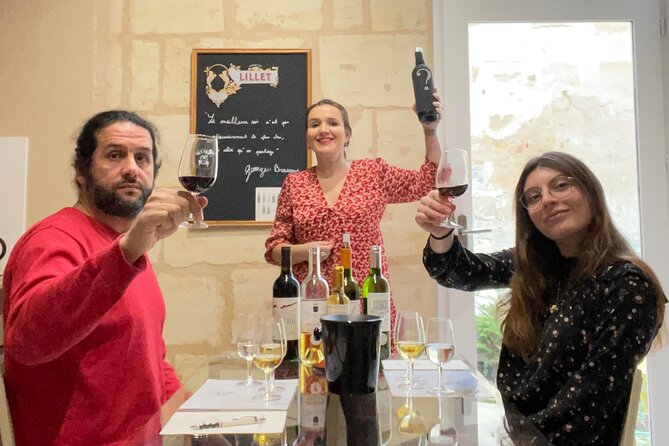
- Six wines in a clear progression, from dry whites to reds to a soft pour
- A mystery wine that trains your nose before you get the answer
- Left Bank and Right Bank focus, with dry whites and reds mapped to style
- Aromas as a skill, not a trivia quiz
- Cheese and charcuterie included, designed to make pairing easier to understand
- Family estates and Grands Crus Classés, often from organic farming practices
A 75-minute Bordeaux crash course with six focused pours
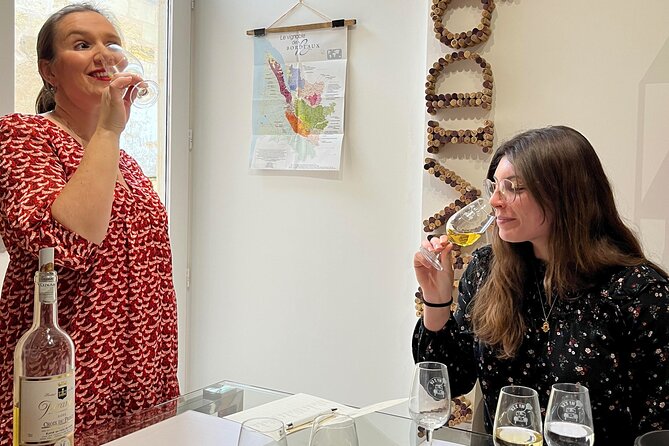
This experience is short by design. At about 1 hour 15 minutes, you get enough structure to learn the Bordeaux basics without turning it into a long, slow school day. You’re tasting six wines using a repeatable method: look, smell, taste, then connect it to what you learned about the region.
The format also helps you stay engaged. Instead of one giant table of similar bottles, the lineup is organized to teach contrasts:
- 2 dry whites (one side of the river tends to bring a different style)
- 3 reds (including mixed styles that reference left and right bank thinking)
- 1 soft wine to show a different mood and mouthfeel
- plus 1 mystery wine early enough to keep your attention locked in
In plain terms: you’re learning Bordeaux by tasting Bordeaux.
You can also read our reviews of more tours and experiences in Bordeaux.
Meet Mathilde or Cécilia: how the tasting gets you thinking
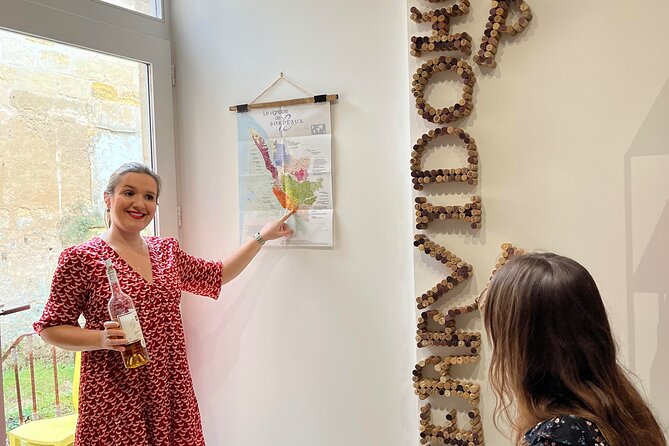
The hosts are Mathilde and Cécilia, and both are trained wine professionals. Their job in this session is to get you comfortable using your senses, so you stop guessing based on label hype.
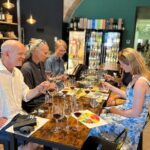
The experience is small, with a maximum of 6 travelers, which matters more than people think. In a tight group, you can ask questions like:
- Why does this white taste crisp instead of rounded?
- Why does one red feel structured while another feels more fruity?
- How do I describe aromas without sounding like I’m reaching?
From the way the sessions are described, the hosts also keep the mood friendly and unpretentious. You get clear explanations in English, and you get the kind of practical advice that makes wine labels less intimidating.
If you want a session that matches your tastes, the provider also notes you can do specialized tastings that focus only on red or white.
The mystery wine: your nose learns fast
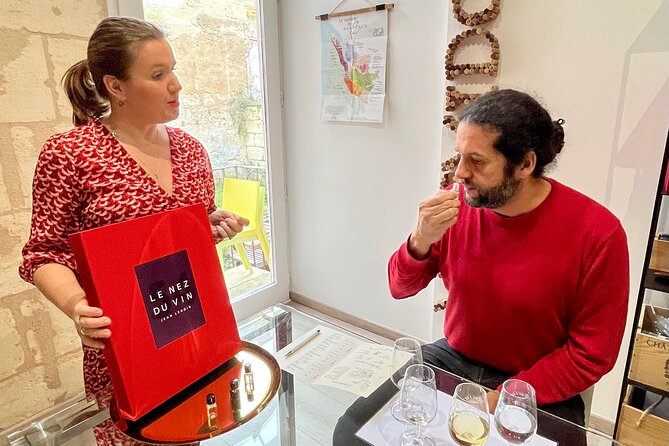
The mystery wine isn’t there to trick you. It’s there to teach you how tasting actually works.
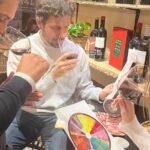
Here’s the skill you’re building: you start by using your senses, then you confirm your ideas after you taste. You practice spotting patterns in aroma—things like fruit, floral notes, spice, or woody hints—then you connect those aromas to what might be happening with grape variety, aging choices, or climate.
This is one of the most praised parts of the experience because it turns wine tasting from passive sipping into active learning. You’ll likely leave with a mental checklist you can use later in a shop back in Bordeaux.
Left Bank vs Right Bank: the Bordeaux language made simple
Bordeaux can feel like a puzzle until someone explains the pieces in human terms. This tasting does that using the Left Bank / Right Bank concept, then backs it up with what’s in your glass.
In the session, you get:
- dry whites presented in a left/right bank framework
- reds that include blends and mixtures linked to both sides
The point isn’t to memorize rules. The point is to learn how style and structure tend to travel with geography. Even if you’re not trying to become a wine expert, this helps you answer the question you’ll have later when you’re staring at shelves:
Which bottle fits the mood I’m after?
One review even highlighted how soil and bank differences made it easier to understand why some people prefer bold or fruity profiles. That’s the kind of lesson that sticks, especially if this is your first real Bordeaux tasting.
Grands Crus Classés, grape varieties, blends, and classifications
You don’t just get taste. You get context. The wines include Grands Crus Classés and family estates, and the provider notes that some come from organic farming.
That matters because Bordeaux wine identity isn’t just about the grape. It’s also about the blend strategy—how producers combine varieties to balance acidity, fruit, tannin, and aging potential.
In the tasting, you’ll learn about:
- appellations and terroirs
- grape varieties
- blends
- classifications and how they show up on labels
Even if classification talk sounds dry on paper, it becomes practical when it helps you interpret what you’re seeing. This is the difference between buying a bottle randomly and buying with intent.
I also like that the session isn’t only theory. The learning is tied directly to each pour, so the concepts don’t float away from reality.
Charcuterie & cheese pairing: salt, fat, and a better wine match
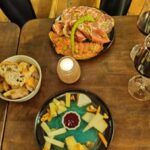
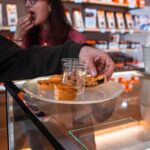
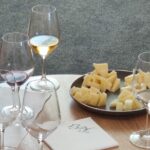
Food is included: charcuterie & cheese, and it’s part of how you learn to pair. The idea is simple: wine tastes different with salt, fat, and texture, and pairing helps you notice that difference.
That said, here’s the real-world consideration. Some reviews suggest the pairing can feel more like a small board later in the session rather than a full pairing for each wine. So if you’re expecting a big, staged tasting with a full plate next to every glass, calibrate your expectations.
Still, the pairing is high value for beginners because it gives you instant feedback. When a wine suddenly tastes smoother or brighter after a bite, you understand the logic without reading a book.
This setup is especially helpful if you’re thinking about taking something home. You’ll get a clearer sense of what flavors you enjoy with wine, not just which wines you liked on their own.
Where the tasting happens (and why that matters)
The tasting can take place in a private courtyard, cellar, or furnished room, depending on season. Reviews mention a courtyard setting, which tends to make the experience feel relaxed and local rather than industrial or corporate.
A small space also improves the learning. You’re not shouting over a crowd, and the hosts can keep the pace steady. For a first-time Bordeaux visitor, that cozy, flexible environment helps the region feel closer, not like a museum exhibit.
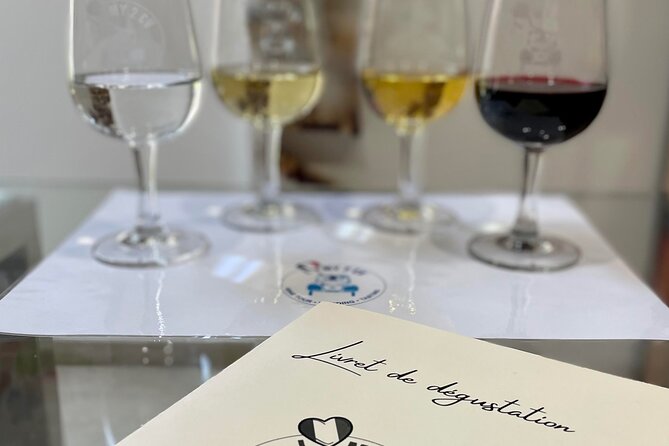
Also, you’ll have your tasting booklet during and after, so you’re not trying to remember everything from memory while you’re still in the mood of discovery.
Buying wine after class: a practical next step
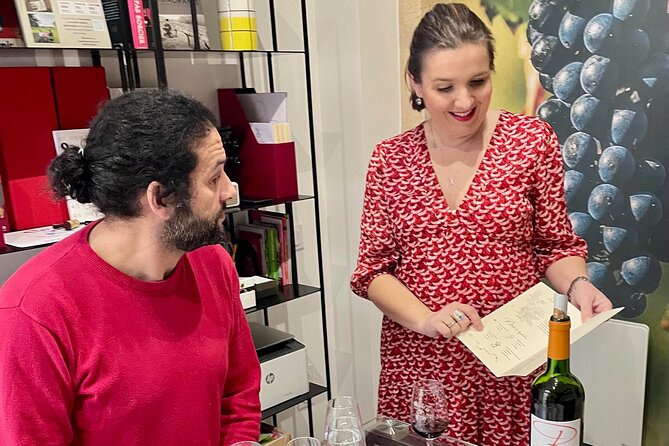
The wines are available for sale, and some people book the tasting specifically to get help choosing a bottle. This makes sense. Once you’ve tasted six styles and learned a bit about why they taste the way they do, you’re no longer buying purely based on guesswork.
When you’re offered purchasing advice, ask questions that reflect your new tasting notes, such as:
- Which one matches the aromas I liked most?
- If I’m pairing with cheese or charcuterie, which bottles fit that?
- Do you recommend something closer to what I enjoyed in the whites or in the reds?
Even if you don’t buy a case, it’s a good way to turn learning into a real souvenir with zero regret.
One review mentioned guidance leading to a bottle around €15, which shows how approachable the purchasing side can be. Prices and availability can vary, but the key point is that you’re not left on your own afterward.
Who should book this Bordeaux tasting?
This is a strong fit if:
- you want a small-group Bordeaux intro without a long day
- you like structure: six wines, clear explanations, and a takeaway booklet
- you’re curious about Left Bank vs Right Bank style differences
- you want a pairing element (cheese and charcuterie) that helps you connect food and wine
It’s also a smart choice if you don’t have time for a vineyard tour. The tasting gives you a concentrated Bordeaux education in a manageable time window.
If you’re someone who loves food pairings and hates vague guidance, you’ll probably appreciate that the teaching connects each pour to how wine behaves with bites.
And if your schedule is tight, aim to arrive early. One condensed timeline experience is mentioned in feedback, and the lesson can feel rushed when time gets squeezed.
Should you book this Bordeaux wine-and-food session?
Yes, if you want an efficient, friendly way to learn Bordeaux style and tasting technique, and you’re happy with a short, well-paced lesson paired with included charcuterie and cheese.
Skip it or set expectations if you need a long, multi-course pairing experience for every single glass, or if you’re likely to show up late and lose time. The session works best when you can settle in and enjoy the full flow.
If you’re in Bordeaux for just a few days, this tasting is the kind of stop that gives you language for wine, not just a temporary buzz.
FAQ
How many wines are included in the tasting?
You’ll taste 6 Bordeaux wines, including a mystery wine, two dry whites, three reds, and one soft wine.
How long is the experience?
The tasting runs for about 1 hour 15 minutes.
Is the tour offered in English?
Yes, it’s offered in English.
What’s included with the price?
The price includes a tasting booklet, 6 glasses of wine, and snacks with food and wine pairing (charcuterie & cheese).
Where does the tour start?
It starts at 25 Av. Thiers, 33100 Bordeaux, France and ends back at the meeting point.
How big is the group?
The experience has a maximum of 6 travelers.
Can I choose a red-only or white-only tasting?
The provider notes that specialized tastings are available if you prefer only red or only white.
Are service animals allowed?
Yes, service animals are allowed.
Is there free cancellation?
Yes. You can cancel for a full refund up to 24 hours in advance of the experience’s start time.