REVIEW · MADRID
Central Madrid: Sangría Workshop & Tasting with Local Cheese
Book on GetYourGuide →Operated by Travel Vibes Agency · Bookable on GetYourGuide
Sangria in Madrid, made hands-on. In central Madrid, this 2-hour sangria workshop has you cutting fruit and pouring ingredients while you learn how different versions taste and why the balance matters. You also get a real food pairing, not just drinks in paper cups.
I love the cheese pairing built right into the class, especially the inclusion of authentic Manchego (nutty, buttery, sheep’s milk). The main consideration is that it’s an 18+ experience because alcohol is part of the program, so skip it if you’re traveling with anyone under 18.
In This Review
- Key highlights you’ll care about
- The vibe: a sangria workshop that actually feels social
- Entering the group: meeting point and first moments in central Madrid
- Making sangria in Madrid: what you’ll actually do
- The tastings: pairing sangria with local cheeses (including Manchego)
- Refills, pace, and why 2 hours is the sweet spot
- Recipes to take home: your payoff after the last glass
- Price and value: is $33 a fair deal in Madrid?
- Who should book this sangria workshop in central Madrid?
- Quick practical checklist before you go
- Should you book it?
- FAQ
- Is the sangria workshop adults-only?
- How long is the workshop?
- What languages is the instructor available in?
- Is there a vegan or non-alcoholic option?
- Is it wheelchair accessible?
- Will I get the recipes after the class?
Key highlights you’ll care about
- 2–3 sangria styles you make yourself, not a sit-and-watch demo
- Local cheese tasting with pairings designed to match the drinks
- Guides like Lila, Ivan, and Miguel who keep the vibe friendly and social
- Recipes PDF sent after class so you can recreate your versions at home
- Vegan and non-alcoholic options available (ask when booking)
The vibe: a sangria workshop that actually feels social
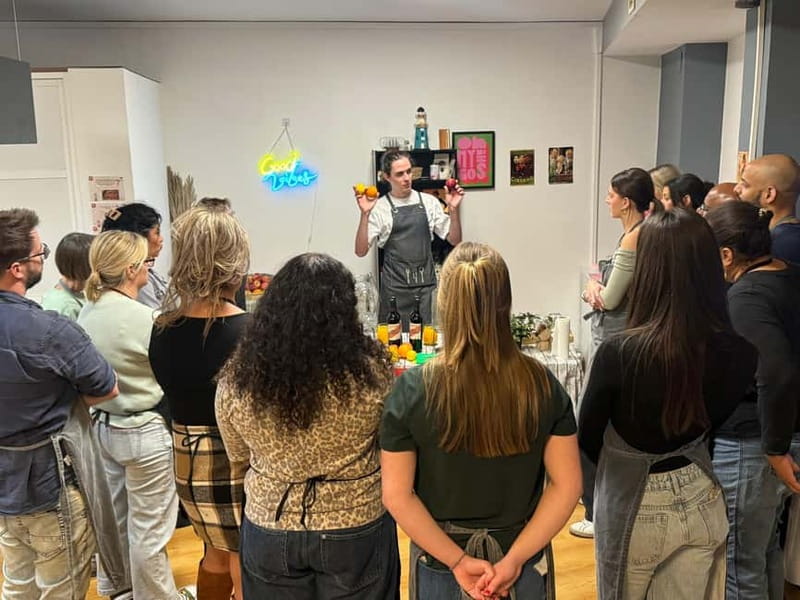
If you like your activities to be part lesson, part dinner-party, this sangria workshop hits the mark. The format is designed for interaction: you’ll get set up with tools, ingredients, and an instructor, then you start working right away. Expect light icebreakers and time to mingle as you make and taste.
The setting matters here. You meet outside the building, then go up together using the elevator or stairs. Several guides are in English and Spanish, so communication is easy even if your Spanish is still in progress. In past sessions, hosts such as Lila, Ivan, and Miguel are called out for keeping things warm, funny, and very hands-on.
One more reason this works well: you’re not just learning about sangria in theory. The class nudges you to notice cause and effect—how fruit choice, spice level, and the wine base change the glass. And when you’re done mixing, you switch to food pairing, which makes the whole thing feel like a real evening plan in central Madrid.
You can also read our reviews of more tours and experiences in Madrid.


Entering the group: meeting point and first moments in central Madrid
You’ll meet outside the building and then move up together by elevator or stairs. That first minute is the part people get slightly flustered about, so plan for extra time.
A practical tip from the experience: the meeting area can feel a bit unclear at first, so look for your guide with a sign and be ready to wait outside a nearby landmark (one common reference is a tattoo parlor). If you arrive early, hang around outside rather than circling the block.
Why that matters: because once you’re inside, the class runs like a small production. Groups are expected to move through the same flow—mix, taste, compare, pair—so arriving on time helps you get the full experience (and not the rushed version).
If you’re the type who likes an easy start before dinner, this is a smart pick. It doesn’t require museum-level stamina. It’s about food, drink, and conversation for two hours.
Making sangria in Madrid: what you’ll actually do
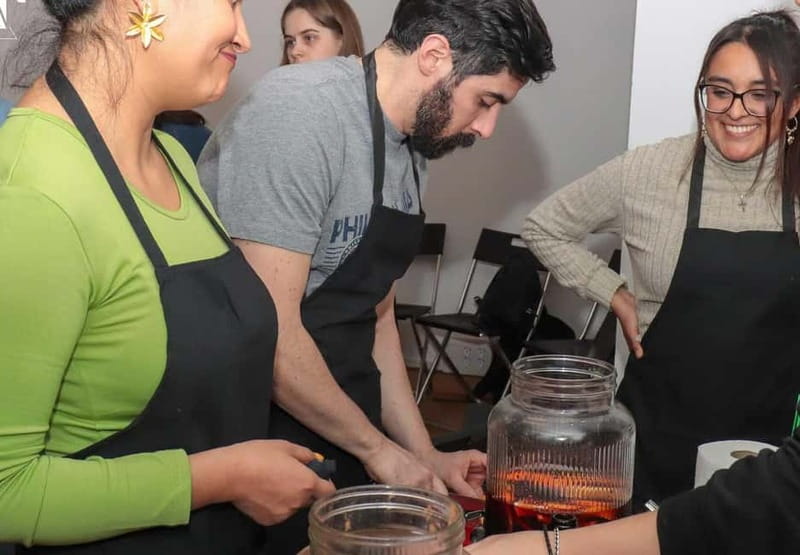
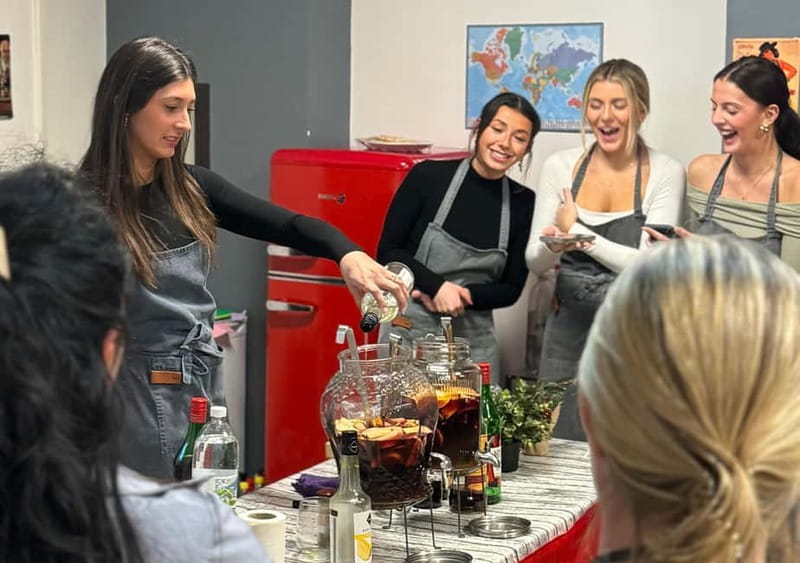
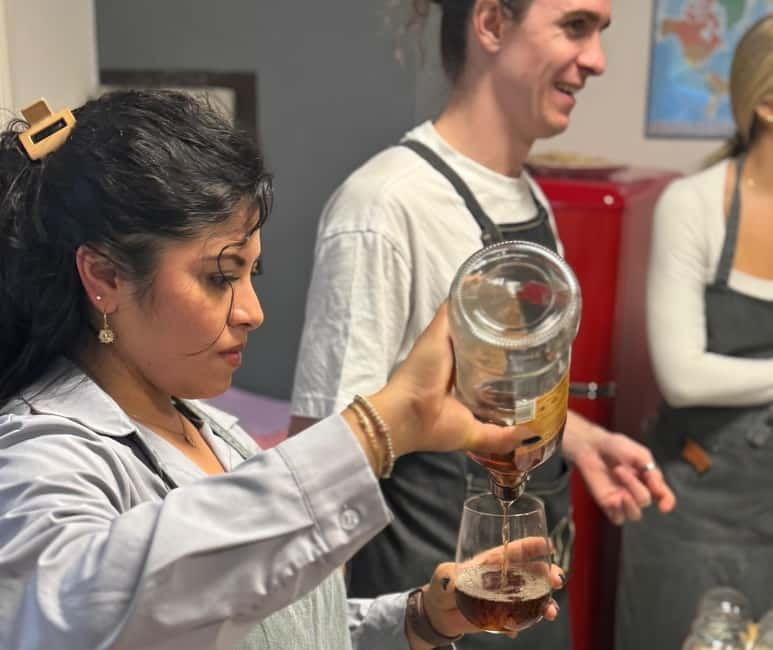
This isn’t a lecture about sangria. It’s an interactive hands-on workshop. Over the two hours, the plan is to make 2 or 3 distinct sangria styles, each with its own flavor story and approach to balancing ingredients.
You’ll be guided through the process of building the drink, from fruit prep to pouring and mixing. You’ll also learn what goes into the profile—wine, fruits, spices, and how small changes can alter the taste. The goal is not to memorize a recipe like a robot. It’s to understand the logic so you can recreate it later.
The most common versions described in the class materials include:
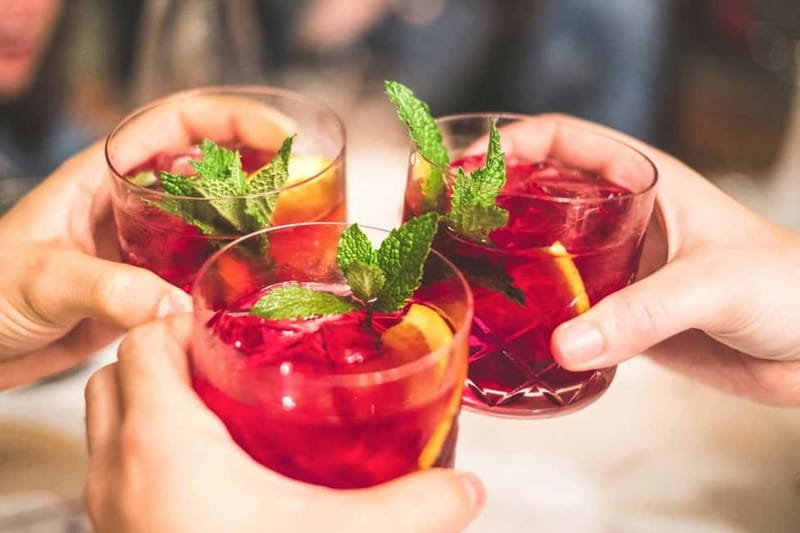
- Classic red sangria, known for a bold, wine-forward richness
- A sherry-infused-style blend, which shifts the flavor direction
- A white sangria option appears in multiple sessions, so you may see fruit-forward, lighter results
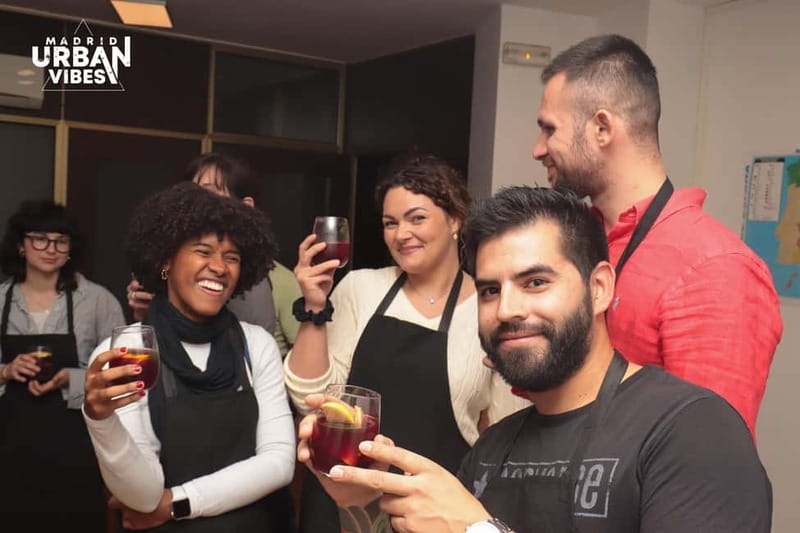
As you work, you’ll also get time to taste between styles so you can compare what you changed. That’s where the value shows up. You’re not only drinking. You’re learning to read a flavor like a pro—sweetness vs. acidity, fruit aroma vs. spice warmth.
And yes, you’ll likely hear the origin and ingredient background in a way that makes the drink feel grounded in Spanish everyday culture, not just a trendy cocktail.
The tastings: pairing sangria with local cheeses (including Manchego)
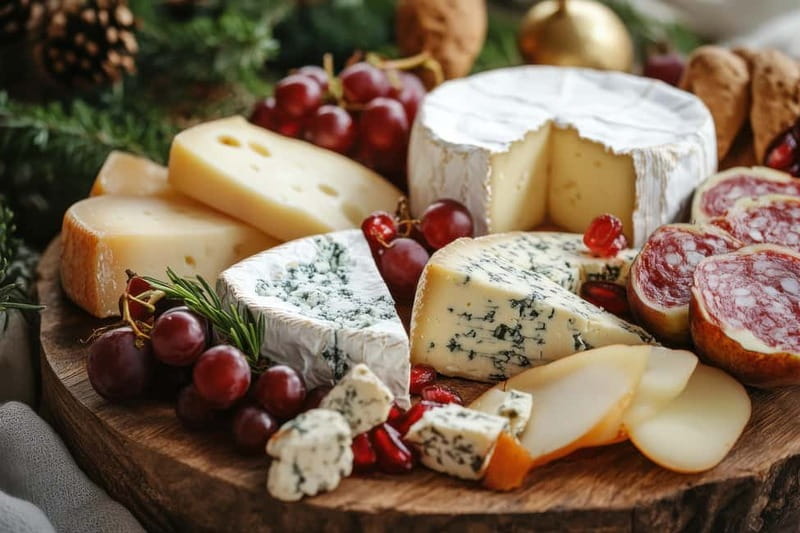
Sangria is great alone, but it shines with the right bite. That’s why this workshop pairs what you make with local cheeses throughout the evening.
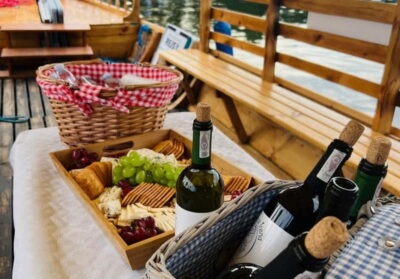
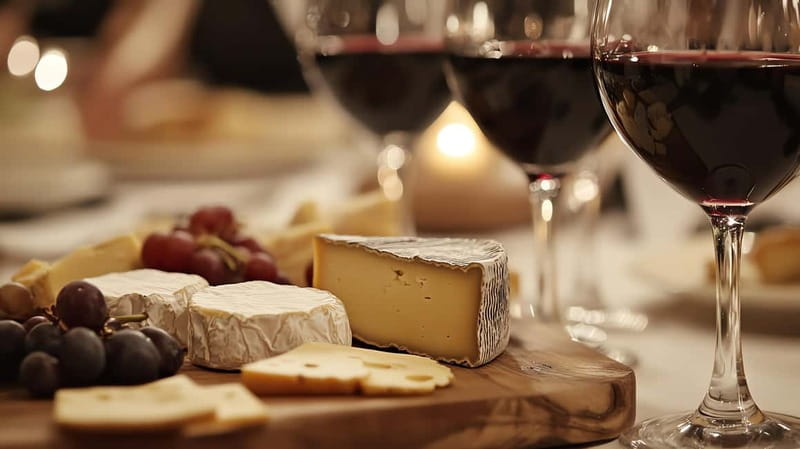
You’ll get a cheese tasting that includes authentic Manchego, a Spanish sheep’s milk cheese known for a nutty, buttery character. Manchego is a strong choice for pairing because it brings fat and subtle sweetness that can soften tannins in wine and make fruit notes feel brighter.
The class also includes other local cheeses (several sessions specifically mention tasting multiple cheeses—often around four). The instructor will guide the pairing so you’re not just guessing. You’ll start noticing patterns like:
- creamy textures that round off sharp edges
- nutty flavors that support spiced fruit
- salt and fat that help sangria taste more complex
This pairing part is one of the most praised aspects of the experience. People consistently point out that the cheese selection is high quality, and that the drinks and food match well rather than feeling like two separate activities glued together.
It’s also a nice reset. After mixing, you shift to slower tasting and conversation, which makes the whole evening feel complete and not rushed.
Refills, pace, and why 2 hours is the sweet spot
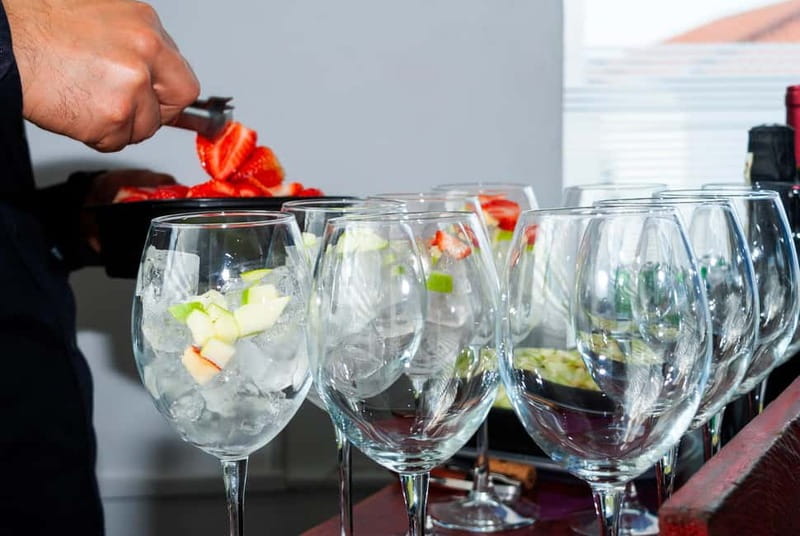
Two hours sounds short—until you’re in it. The pace is structured so you’re busy but not overwhelmed: you mix, you taste, you compare, then you snack and keep tasting. Many groups describe plenty of sangria throughout the session, with repeated rounds that let you enjoy the drink without feeling like you only get one tiny pour.
The best part is that you get both sides:
- the making part, where your hands are involved
- the social part, where conversation happens naturally
Because the format encourages group interaction, it’s a good fit for solo travelers, couples, and friend groups. If you want a Madrid activity that doesn’t force you to be outgoing from minute one, this one still helps you get there. You’ll have an easy topic—fruit, spice, cheese—so chatting doesn’t feel forced.
A possible drawback is the intensity of alcohol-focused tasting. Even though the class offers non-alcoholic options, the core experience includes alcohol, and the group energy can lean festive. If you’re sensitive to that or you prefer quiet wine bars, you might find it a bit loud. But if you like fun and food, it’s usually a win.


Recipes to take home: your payoff after the last glass
One of the small but genuinely useful touches: you’ll receive a PDF with the recipes at the end of class. That means the workshop doesn’t end when you walk out the door. You can actually recreate your sangria styles without guessing measurements or ingredient choices.
For me, this is where value becomes real. A lot of food tours teach you stuff you can’t reproduce. Here, you get a practical reminder of what you did—especially helpful if you found yourself adjusting sweetness or spice levels during the session.
Also, because you made multiple versions, you’re not stuck with one single recipe. The PDF approach supports variety at home: you can make a classic red style, try the lighter option if you made white, and experiment with the sherry-based profile.
Price and value: is $33 a fair deal in Madrid?
At $33 per person for about 2 hours, this is priced like a high-value food activity rather than an expensive cocktail class. What makes it feel fair is what’s included.
The class provides:
- all tools you need to prepare sangria
- all ingredients
- tools and ingredients for the tapas component
- an instructor
On top of that, you’re not only tasting sangria—you’re doing a cheese tasting too, including Manchego. When you add the fact that you leave with recipes to reuse, it starts to look less like entertainment and more like a mini Spanish culinary lesson.
Now, should you compare it to a bar tab? Not really. This includes guided instruction, preparation time, and food pairing. It’s closer to getting a small group cooking experience plus tastings, which is often better value than a standard drink-and-snack night if you’re trying to experience Madrid through food.
Who should book this sangria workshop in central Madrid?
Book this if you want:
- a hands-on food-and-drink experience (not a passive tasting)
- a guided way to learn how sangria flavors change
- a built-in cheese pairing with Manchego
- a social evening where it’s easy to talk to people
It’s also a strong match if you’re short on time and want something fun before dinner. Two hours slots neatly into an evening, and you’ll come away with enough culinary confidence to make sangria again.
I’d skip it if:
- alcohol-focused activities aren’t your thing (age 18+ is mandatory)
- you prefer quiet, minimal interaction
- you want a deep dive into Spanish wine culture at a high academic level (this is about making and tasting, not a long lecture)
Quick practical checklist before you go
- Plan for meeting outside and heading up with the group via elevator or stairs
- Bring a good appetite. You’re making and tasting, plus there’s tapas included
- If you need non-alcoholic or vegan options, confirm when booking
- If you’re arriving a few minutes late, don’t panic, but do communicate. These sessions move on a tight clock
Should you book it?
Yes, if you’re looking for an affordable, friendly, food-first sangria workshop in central Madrid. The biggest wins are the hands-on mixing, the pairing with local cheeses including Manchego, and the practical recipes you take home. It’s also easy to recommend to different travel styles: solo, couples, and groups all fit.
If you hate group settings or want zero alcohol, then pick something else. But for most people who enjoy Spanish flavors, this is the kind of evening that makes Madrid feel personal—one glass and one cheese board at a time.
FAQ
Is the sangria workshop adults-only?
Yes. Since the activity includes alcohol, it’s mandatory to be older than 18.
How long is the workshop?
The duration is 2 hours.
What languages is the instructor available in?
The instructor speaks English and Spanish.
Is there a vegan or non-alcoholic option?
Non-alcoholic and vegan options are available.
Is it wheelchair accessible?
Yes, the activity is wheelchair accessible.
Will I get the recipes after the class?
You will receive a PDF with the recipes at the end of the class.