REVIEW · PARIS
Paris: Wine and Cheese Tasting
Book on GetYourGuide →Operated by Meeting the French · Bookable on GetYourGuide
Wine and cheese, explained without the snootiness. That’s the vibe here: you start in a cave à vin and move through a guided set of tastings that pairs three independent wines with French cheeses, plus hands-on lessons about terroir using maps and even soil samples. One watch-out: because this is not a restaurant stop, the boutique toilets may be limited or hard to find.
I like that the pacing stays relaxed, not formal. You’re in a small group (up to 8), the guide talks in English or French, and you can ask real questions without feeling rushed. If you’re not sure what you like yet, you’ll still leave with a clearer sense of why French wine tastes so different from bottle to bottle.
In This Review
- Key points to catch before you go
- Entering the cave à vin boutique (where the tasting actually starts)
- A small practical note: restrooms can be awkward
- How the terroir lesson translates into what you taste
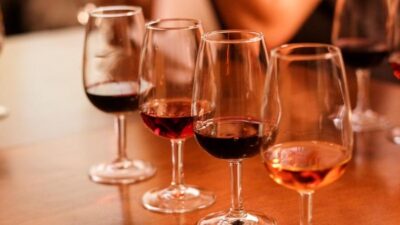
- The wine flight: three wines, tailored to your group
- Why small producers matter in a tasting like this
- You might be surprised by what works with cheese
- Cheese pairings that make your palate notice differences
- Fresh ingredients you can feel
- Ask questions without fear: the guide’s role in the whole experience
- Duration and pacing: 90 minutes that don’t drag
- Price and value: what $76 buys you in Paris
- Practical tips so you get the most from the tasting
- Should you book this Paris wine and cheese tasting?
- FAQ
- What does the tasting include?
- How long is the experience?
- Is it offered in English?
- How many people are in the group?
- Is there a spittoon?
- Can I cancel, and can I pay later?
Key points to catch before you go
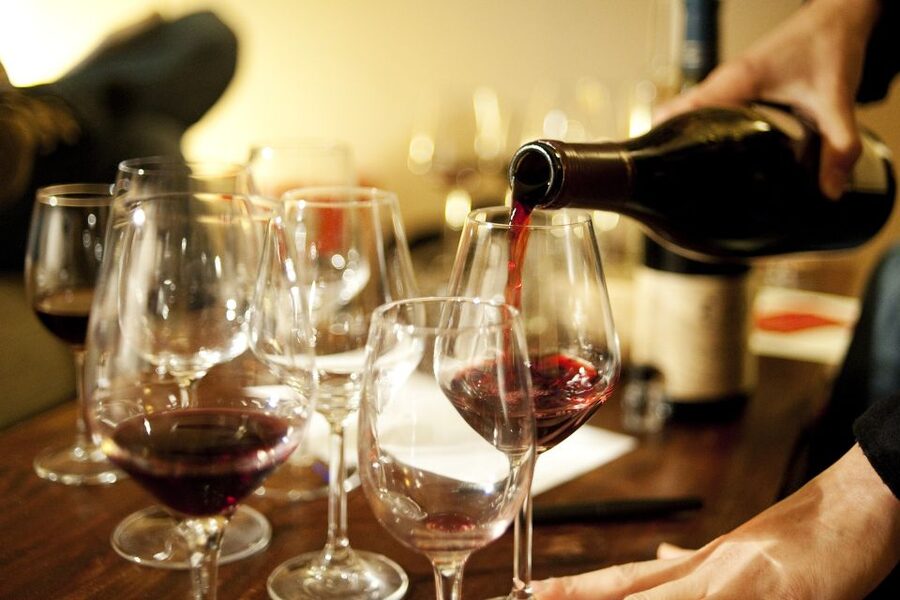
- Three independent wines from across France: Expect reds, whites, and rosés type options from small producers rather than big brand pours.
- Terroir made practical: Maps plus authentic soil samples connect grape flavor to real ground and climate.
- Cheese pairings you can actually taste: You’ll match wines with multiple French cheeses, including both hard and soft styles.
- Bread and water for reset: Palette-cleanser basics help you keep your palate sharper between pours.
- Small group Q&A energy: With a limit of 8, questions can actually happen.
- Guides you might meet: Names like Camille, Constance, Julian, and Leia show up as examples of the kind of friendly, English-capable hosts you can encounter.
Entering the cave à vin boutique (where the tasting actually starts)
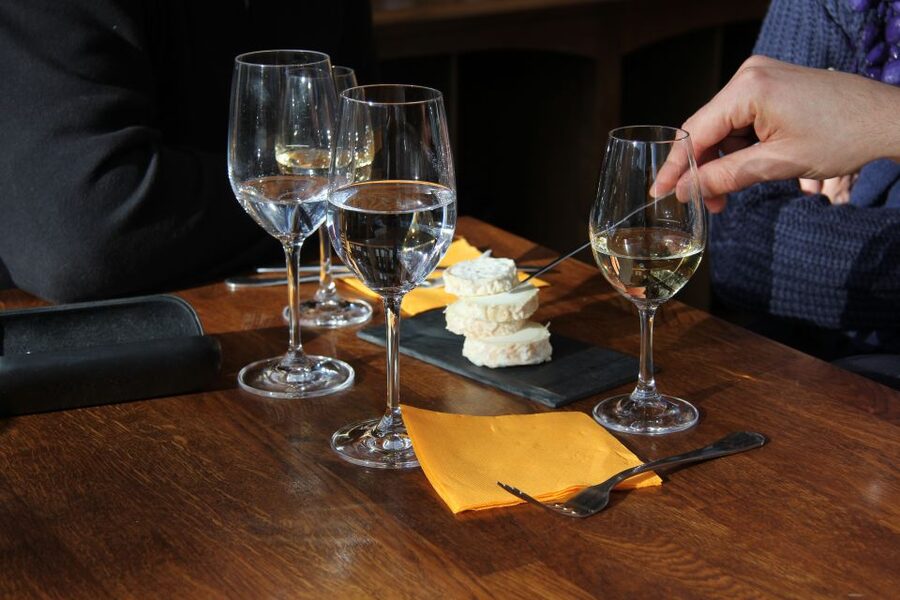
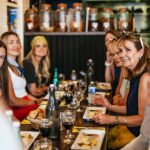
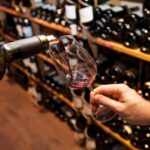
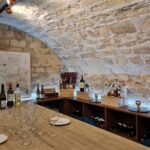
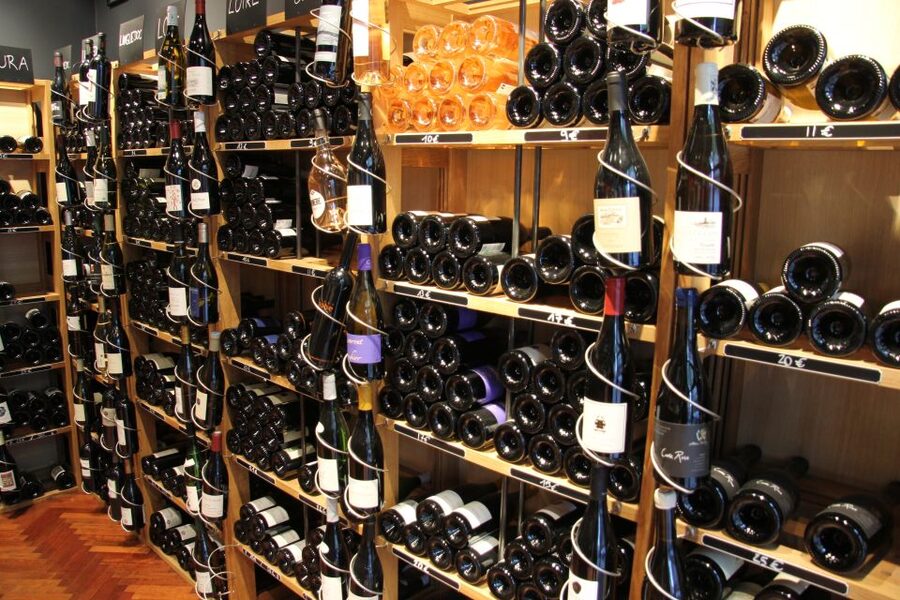
This experience begins the moment you step into the wine cellar atmosphere—think cave à vin, not a grand formal tasting room. The space is set up like a boutique with wall-to-wall selections of reds, whites, and rosés. That matters because you’re not just tasting in a vacuum. You’re surrounded by bottles from across France, which makes the lessons feel grounded in what you could buy and try next.
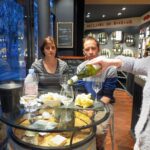
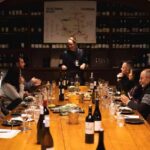
You’ll get welcomed by the staff, then settle into the tasting area. From there, the guide takes the lead and sets the tone: friendly, focused, and ready to answer questions. In the best guides people mention by name—like Constance or Camille—you can feel how much they enjoy explaining the why behind flavors, not just what to drink.
You can also read our reviews of more tours and experiences in Paris.

A small practical note: restrooms can be awkward
Because this is held in a boutique and not in a restaurant, the toilets may not be readily available or easy to access. If you’re the kind of person who plans around that, it’s worth going early and not assuming it’ll feel like a café stop.
How the terroir lesson translates into what you taste
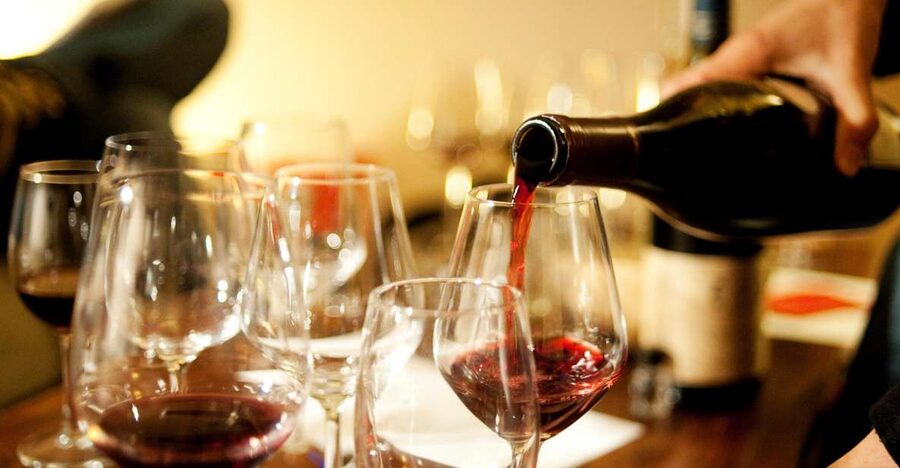
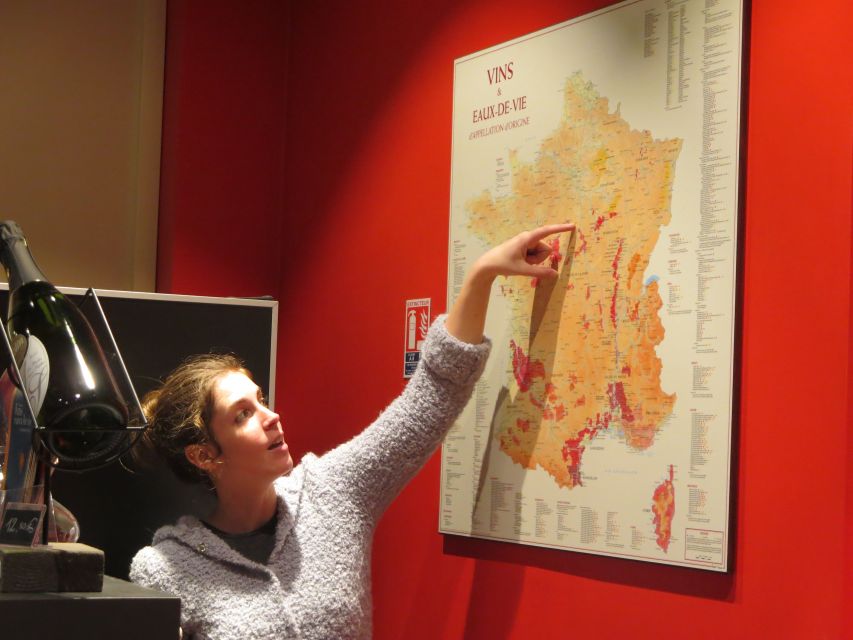
French wine can feel like a guessing game at first. This is designed to remove some of that confusion fast. Before the tasting turns into your personal flight, your guide gives an overview of France’s wine regions and why French wine is so diverse.
The big teaching tools here are maps and authentic soil samples. Soil might sound like a science lecture, but the goal is simple: connect grape flavor to where it grows. Different terrain and growing conditions can push the same grape toward very different aromas and tastes. That’s where terroir becomes more than a buzzword—you can start to predict what you might like based on the place and the ground.
You’ll also learn why you see so many varieties and styles, even when you’re in a country people often describe as old-school and traditional. In practice, the guide helps you build a mental model: climate + soil + grapes + producer choices = the bottle in your glass.
And if you’re worried this will be too academic, don’t. It’s paced for a fun 90 minutes. You learn just enough to make the tasting click.
The wine flight: three wines, tailored to your group
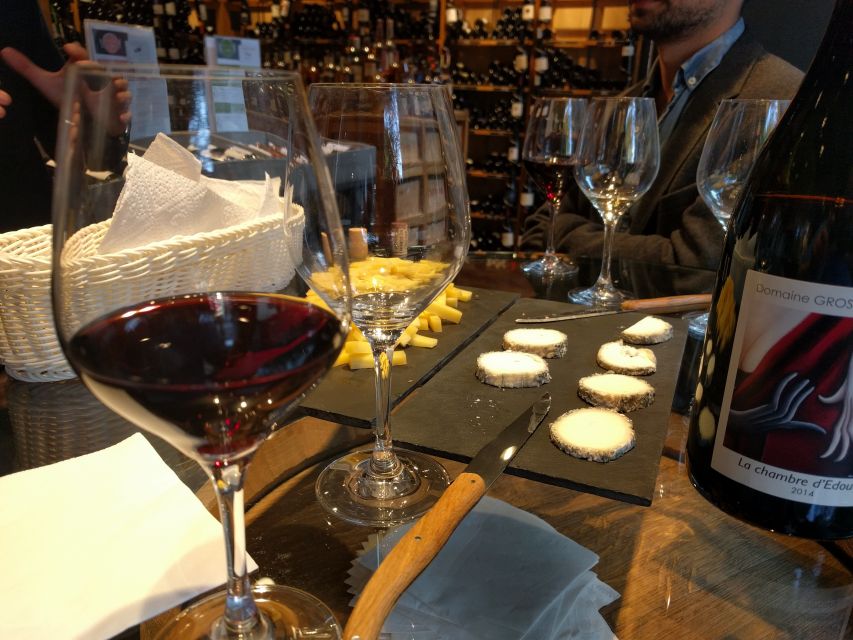
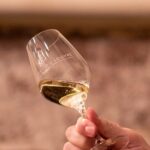
This is not a one-size-fits-all tasting. You’ll sample three types of wine, and your guide will tailor the selection based on what your group wants. That could mean leaning toward something approachable if it’s your first time, or aiming for more variety if you already have favorites.
What I like about this setup is the mix of “guided” and “choice.” You’re not handed a random flight and told to cope. Your guide works with your preferences and pulls from small, independent producers.
Why small producers matter in a tasting like this
Large, mass-market wines can blur together because they’re often trying to hit a predictable flavor profile. Small producers tend to show more personality—more variation between batches, more willingness to reflect a place, and more direct influence of the vineyard decisions that never make it into marketing copy.
Your guide can point to the differences as you go, so you start tasting patterns instead of tasting noise. It’s the difference between enjoying a sip and understanding what you enjoyed.

You might be surprised by what works with cheese
Even if you’re a wine person, the real test comes when your wine meets cheese. That pairing is where the guide’s explanation starts to feel useful instead of theoretical.
Cheese pairings that make your palate notice differences
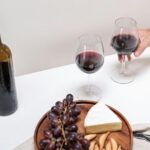
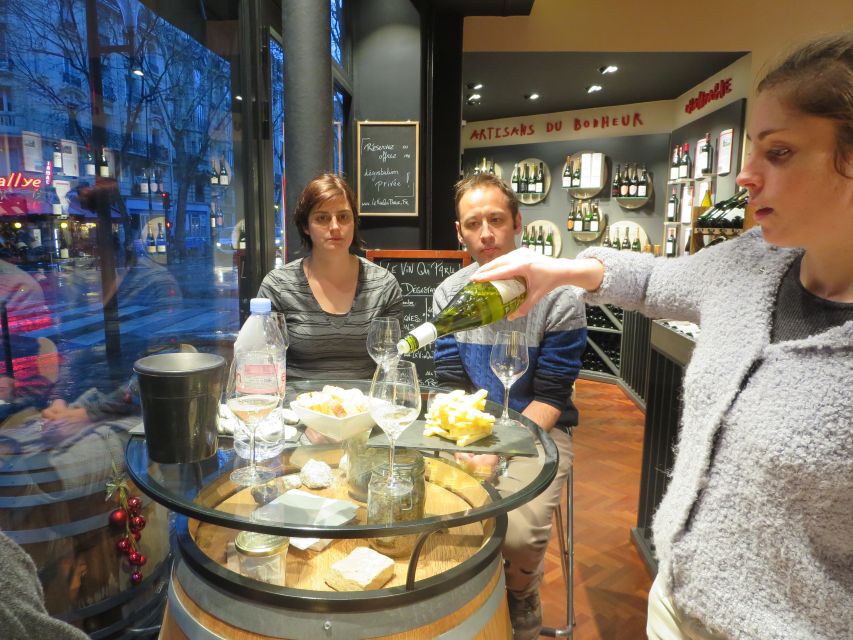
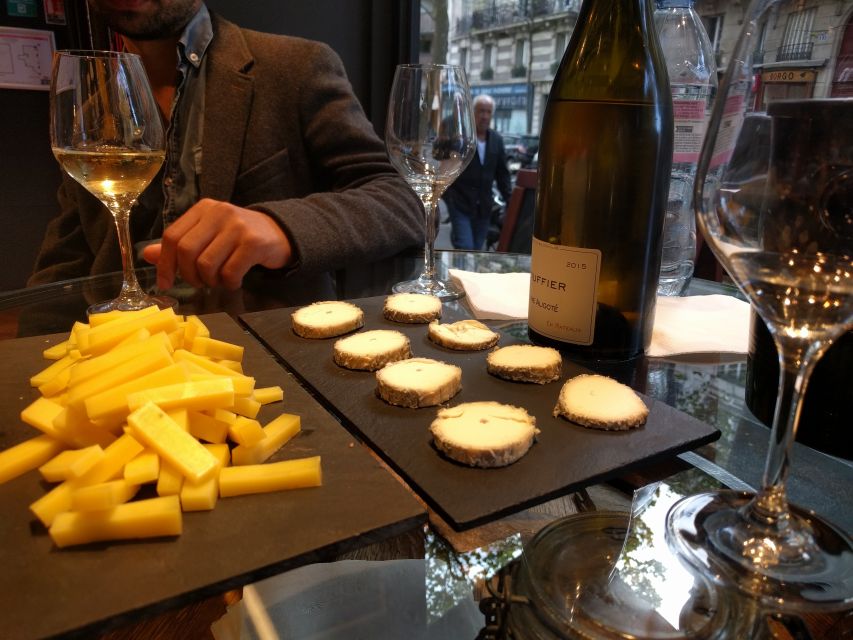
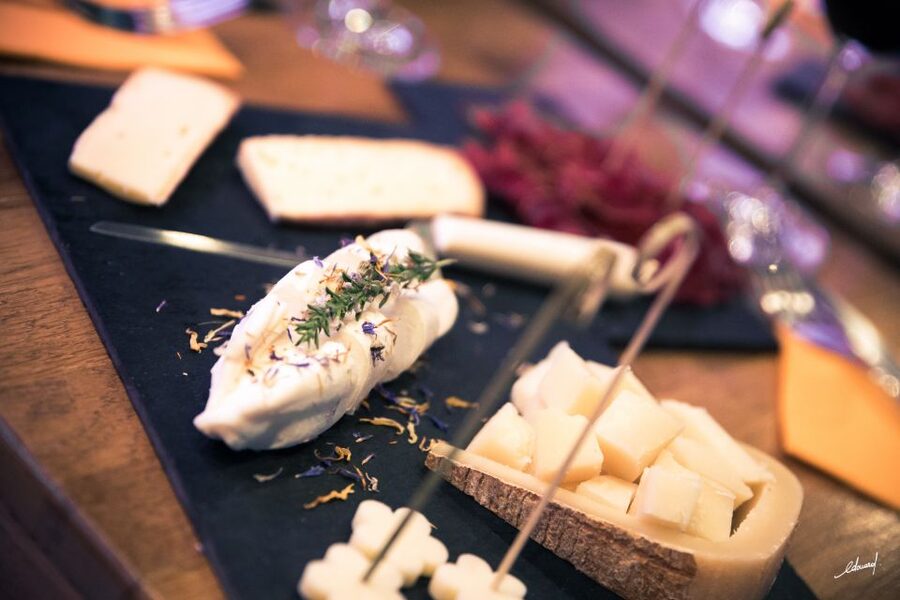
You’ll taste three kinds of French cheese alongside your wine. The pairing approach is designed to show you how flavor changes when it meets another flavor.
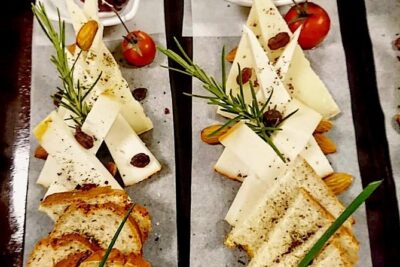
The tasting includes at least two cheeses that show contrast—one hard and one soft—so you don’t just learn one “cheese rule.” Hard cheese often brings a sharper, nuttier, sometimes salty backbone. Soft cheese can tip things toward creaminess, mild funk, or buttery notes. When you match those textures with wine, the wine’s fruit, acidity, and tannins show up differently.
There’s also bread and water offered as palette-cleansers. That sounds basic, but it matters. Without a reset, it’s easy to end up with a palate that’s tired instead of tuned in. With bread and water on hand, you can recalibrate between wines and actually notice what changed.
Fresh ingredients you can feel
People highlight the freshness of the bread and the overall quality of what’s served. In a short tasting, freshness is not a detail—it’s the difference between a satisfying stop and one that feels like filler.
Ask questions without fear: the guide’s role in the whole experience
This kind of tasting works when the guide invites questions and then answers them in plain language. That’s what you’ll find with hosts known for being warm, helpful, and genuinely enthusiastic—names like Julian, Leia, and Camille come up as examples of guides who go beyond the basics.
You’ll get time to ask about production, taste, and what to try next. The guide also helps you understand how to taste, not just what to taste. That skill sticks. It’s why people often feel more confident about their own wine choices by the end.
Also, because the group stays small (limit 8), it’s easier to keep the conversation focused. If you’re the type who learns better by talking through confusion, this structure fits.
Duration and pacing: 90 minutes that don’t drag
Ninety minutes is an ideal length for a tasting. Long enough for real explanation and multiple pours, short enough that you don’t feel stuck in a classroom.
A typical flow looks like this:
- You arrive, settle into the tasting space, and meet the guide.
- You get the regional + terroir overview with maps and soil samples.
- Your guide tailors the wine order to your group’s interests.
- You taste the three wines with cheese pairings, with bread and water to reset.
- You finish with a clearer sense of how the wines differ and what you liked for specific reasons.
Because it’s not a restaurant service, the vibe stays simple and direct. You’re there for tasting and learning, not for waiting on a menu.
Price and value: what $76 buys you in Paris
At $76 per person, the price can seem steep on paper—until you look at what you’re actually getting in one sitting.
You’re paying for:
- A guided tasting of three wines plus three cheeses
- Wine education tied to terroir (maps + soil samples)
- A small-group setup that leaves room for questions
- Bread and water to support the full tasting experience
- A guide available in English or French
In a city like Paris, wine-and-cheese can easily turn into a “pay for consumption” situation. Here, the value is tied to understanding. You’re not only tasting. You’re learning how to connect a bottle to a place and to a pairing. That’s the part that can make future wine purchases and selections feel less random.
If you’re looking for a quick, high-quality introduction to French wine beyond the supermarket shelf, this is a solid use of your time and money.
Practical tips so you get the most from the tasting
A few small moves help you enjoy it more and learn more.
- Use the spittoon if you need it. A spittoon is provided for those who want it. If you’re walking around after, it’s a smart way to keep your day comfortable.
- Ask one question early. When the guide is setting up the tasting, that’s the easiest moment to get your bearings.
- Take notes on pairings, not just wines. The cheese matching is where the lessons become real. Write down what changed when hard met soft, or when acidity met salt.
- Go in curious, not certain. Even if you’re not a wine expert, this tour helps you sort flavors into categories fast.
- Wear something you can move in. It’s a boutique cellar setting; you’ll likely stand and shift as the tasting progresses.
Should you book this Paris wine and cheese tasting?
Book it if you want a relaxed, small-group introduction to French wine that doesn’t require prior knowledge. It’s especially good for first-timers who want a guide to translate terroir into flavors you can taste right away. The pairing format—wines with multiple cheeses, plus bread and water—makes it feel practical, not just “drink and listen.”
Skip it if you strongly prefer a sit-down restaurant meal setting, or if you need guaranteed easy restroom access on-site. This one is about tasting in a boutique environment.
FAQ
What does the tasting include?
You’ll get a wine tasting of three types of wine and a cheese tasting of three types of cheese. Water and bread are also provided during the experience.
How long is the experience?
It runs for 90 minutes.
Is it offered in English?
Yes. The live tour guide is available in English and French.
How many people are in the group?
This is a small group limited to 8 participants.
Is there a spittoon?
Yes. A spittoon is provided if you’d like to use it.
Can I cancel, and can I pay later?
You can cancel up to 24 hours in advance for a full refund. You can also reserve now and pay later to keep your plans flexible.