REVIEW · PARIS
Paris: Cheese and Wine Class in a 17th Century Cellar
Book on GetYourGuide →Operated by Living Cheese Museum · Bookable on GetYourGuide
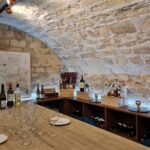
The cellar is where French cheese gets real. This Paris cheese and wine class sends you into a 17th-century cellar at the Musée Vivant du Fromage, pairing expert-led cheese explanations with tastings in the exact place where maturing happens.
I love that you taste seven different cheeses in one focused 90-minute session, not a scattered sampler. I also like the format of alternating cheese and wine pairings, so you learn what works together rather than just chasing flavors.
One drawback: this workshop is not suitable for lactose intolerance, since it’s built around dairy tastings.
In This Review
- Key points before you go
- Entering a Paris cheese cellar instead of a restaurant table
- Find the right door at Musée Vivant du Fromage
- What happens during the 90 minutes: cheeses, wines, and bread
- How to “read” French cheese after the class
- Cheese and wine pairings that make sense on your tongue
- Alcohol planning: the 18+ drinking rule
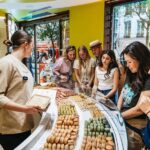
- Small-group energy (and why it feels more personal)
- Price and value: what $82 really covers
- Who should book this Paris cheese-and-wine workshop
- Making the most of your tasting: quick tips
- Should you book this cheese and wine class in Paris?
- FAQ
- How long is the Paris cheese and wine class?
- What is included in the experience?
- Is the class offered in English?
- Can people with lactose intolerance join?
- What is the minimum drinking age?
- Where do I meet for the class?
Key points before you go
- A 17th-century cheese cellar setting that makes the tasting feel hands-on
- Seven cheese samples plus three wine tastings, with bread to keep you going
- English-speaking guides who field questions and explain what you’re tasting
- Small-group sessions (often around a dozen) for a more personal vibe
- Pairing is the lesson, not just the payoff
Entering a Paris cheese cellar instead of a restaurant table
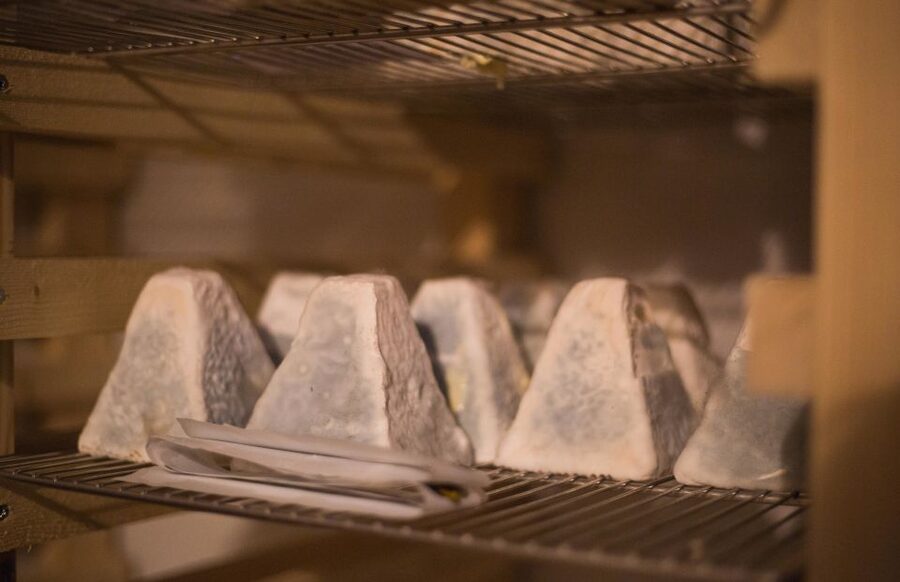
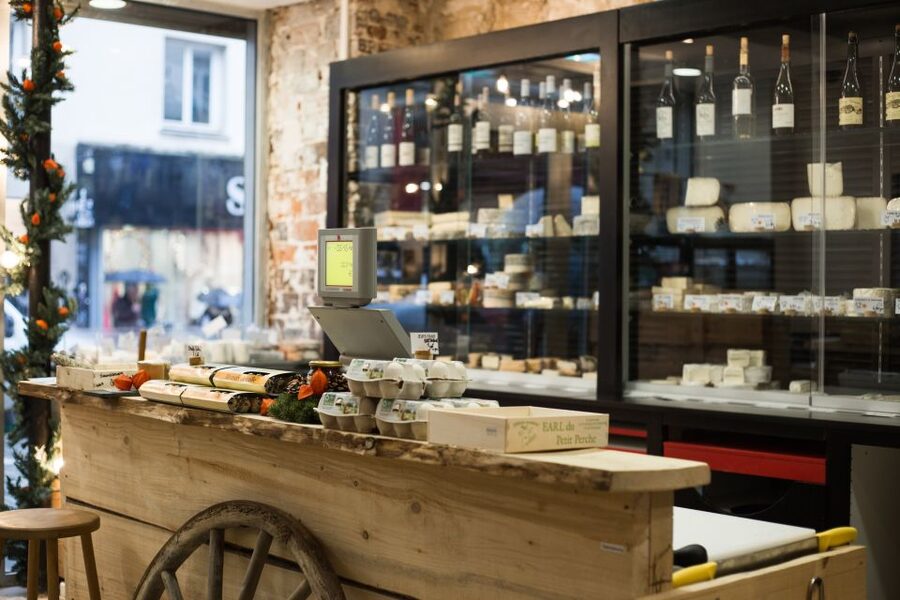
Paris has cheese shops on every corner, and wine bars where you can order a flight. This is different because you start where the product actually lives: a cheese cellar built for aging. The setting gives the whole class a grounded feel. You’re not just sampling food. You’re watching (and learning about) the process that shapes it.
The workshop ties together three things that tourists often experience separately: how French cheese is made, how it changes while maturing, and how wine can amplify what you’re tasting. That combo is why this class is so popular with first-timers. It also suits repeat cheese people, because the tasting is structured and the pairing logic is explained.
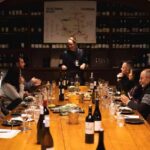
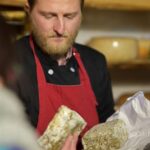
You’ll meet the team at the cheese museum, then move into the cellar area to enjoy the tasting. In the reviews, guide names like Gala, Pierre, Agathe, Guillaume, and Marie come up often, and the common thread is interaction. Expect time for questions, not a rushed lecture.
You can also read our reviews of more tours and experiences in Paris.
Find the right door at Musée Vivant du Fromage
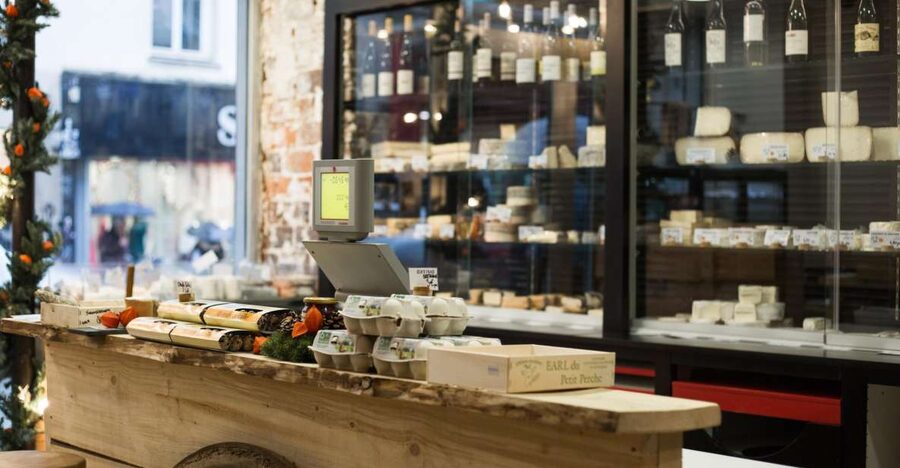
Your meeting point is straightforward: Musée Vivant du Fromage, 39 rue Saint Louis en l’île, 75004 Paris. It’s in the 4th arrondissement, which is handy because you can pair the class with a walk around Île Saint-Louis afterward.
Plan to arrive with enough time to settle in before you start tasting. This is a workshop flow experience, and once the cellar tasting begins, it moves at a steady rhythm. Also note the practical rule that pets aren’t allowed, so don’t count on bringing one along.
If you’re visiting museums and doing classic sightseeing that day, this class works well as a “change of pace” evening plan. It’s also short enough that you won’t feel like Paris swallowed your whole afternoon.
What happens during the 90 minutes: cheeses, wines, and bread
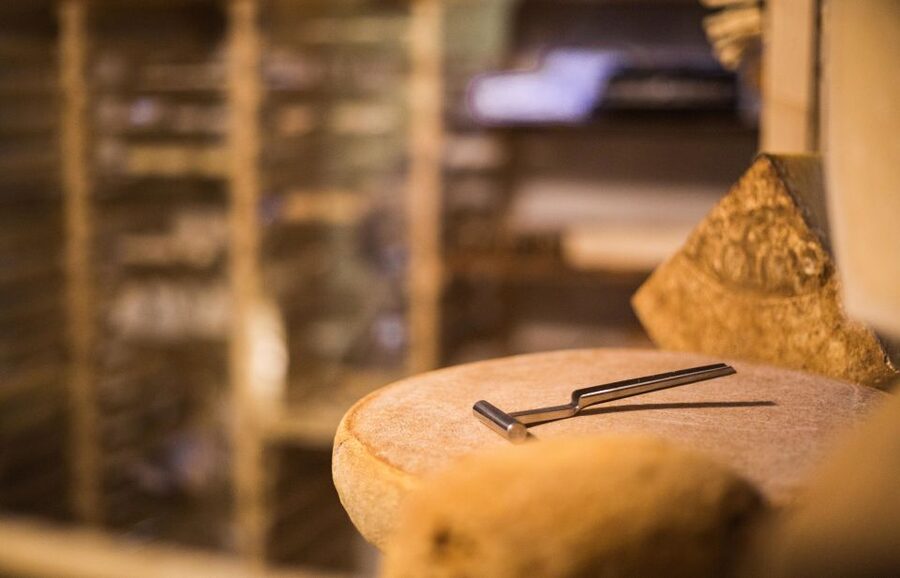
This is a 90-minute experience designed around progression: from explanation to tasting to pairing. You begin at the cheese museum, where friendly cheese experts introduce the theme: traditional cheesemaking and why aging matters.
Then you head into the cellar and spend time looking at the cheese supply. The key idea is that maturation isn’t just a timeline. It affects texture, aroma, and the intensity you’ll taste. Guides explain what you’re seeing and tasting so the flavors make sense, even if you don’t know the technical terms.
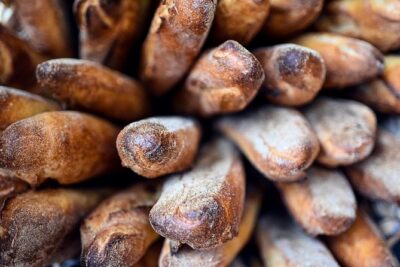
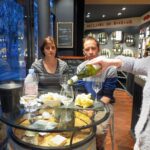
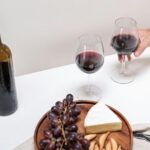
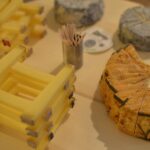
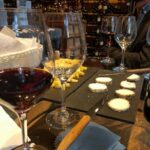
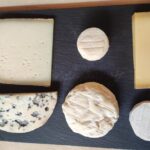
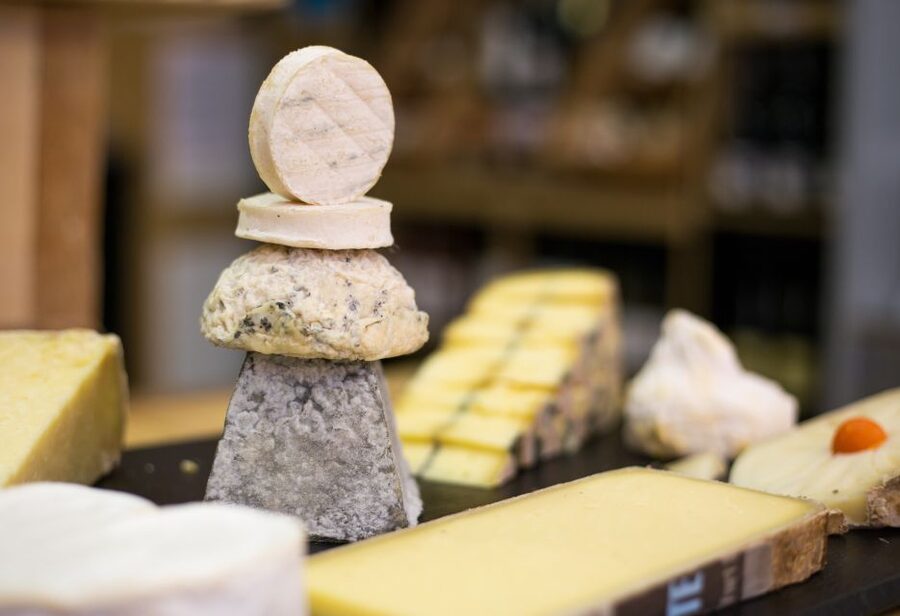
Next comes the fun part: the tasting. You’ll sample seven cheeses from various regions, with variety in type, texture, and milk. Between bites, you’ll take sips of three French wines chosen to complement the cheeses. Fresh baguette is included too, which is useful for cleansing your palate and balancing stronger cheeses.
The class runs like a guided tasting sequence rather than a free-for-all buffet. That’s a real advantage. You learn by comparison: mild vs. strong, creamy vs. firm, and how wine changes the way each bite lands in your mouth.
How to “read” French cheese after the class
The best thing about this workshop is that it trains your senses. After a tasting like this, you’re not just thinking about which cheese was your favorite. You start thinking about why it tastes that way and how it connects to its origin.
Guides tend to focus on:
- What aging does to aroma and flavor intensity
- How milk type and texture influence pairing choices
- How to evaluate cheese beyond taste, using smell and mouthfeel
In the reviews, people repeatedly mention the guides spending real time on explanations and answering questions. That matters because you’ll pick up a few simple “tools” you can use later at a fromagerie or at a restaurant wine list.
For example, if you learn that a cheese’s texture and maturity level are closely linked, then picking your next cheese becomes easier. You also get better at choosing wine with confidence. You’ll stop guessing as much and start making decisions based on the flavor relationship the guide shows you.
Cheese and wine pairings that make sense on your tongue
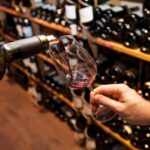
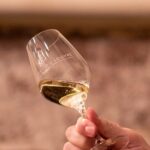
Wine pairing is where many tastings feel random. Here, it’s treated as a skill. You’ll taste three wines, and you’ll practice matching them with different cheese styles during the session.
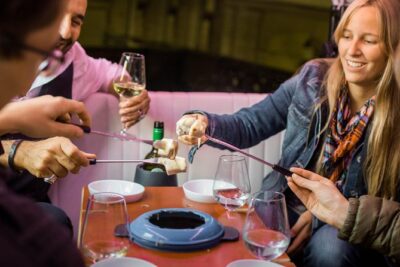
The pairing format is the core of the workshop. You alternate bites of cheese with sips of wine so you can notice what changes:
- Does the wine soften or sharpen acidity?
- Does the cheese make the wine taste fruitier or drier?
- Does one combination get too intense, while another stays balanced?
This approach is valuable for practical reasons. In Paris, you can find cheese and wine everywhere, but choosing what to order can be intimidating if you only think in terms of brand names. After this class, you’ll have a mental model for how pairing works. That means your next cheese-and-wine moment in the city feels less like luck and more like skill.
Also, the setting helps. Tasting in a cellar full of aged cheese makes the wine choices feel tied to reality rather than theory. It’s not a classroom vibe. It’s a sensory lesson.

Alcohol planning: the 18+ drinking rule
There’s one clear planning point: the minimum drinking age is 18. The class includes wine tastings, so if you’re under 18, you won’t be able to participate as intended.
If you’re 18+ and you want to enjoy the tasting without getting hammered, pace yourself. The class is 90 minutes, and it’s structured, so you’ll get guided amounts rather than a free pour situation. Still, it’s smart to treat it like an activity, not a bar crawl.
And if you’re driving or relying on a tight schedule that night, think ahead. This experience ends with you back out in central Paris streets, and you’ll want to feel clear-headed for that walk.
Small-group energy (and why it feels more personal)
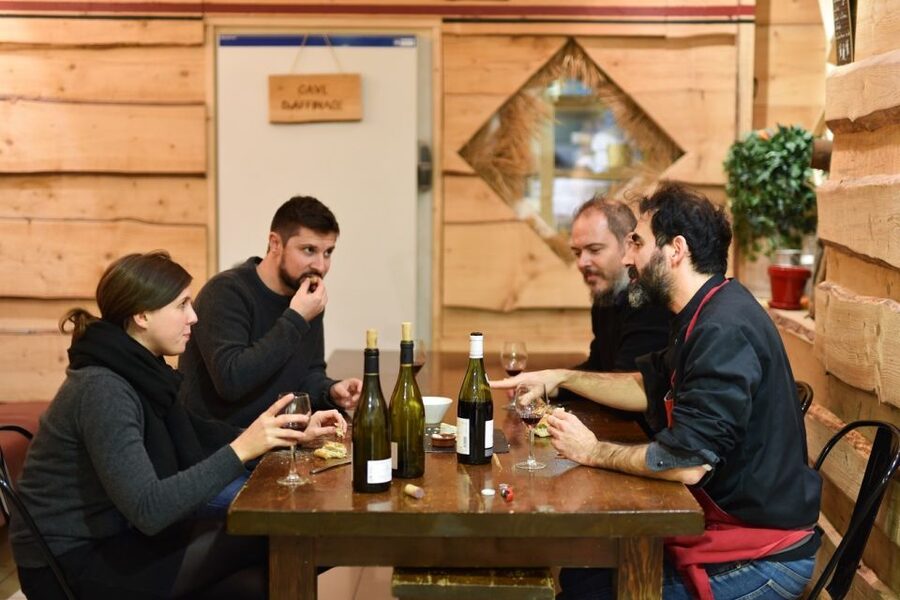
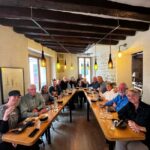
This workshop is set up as a small-group experience, and one review specifically notes a group size of 12. That size is perfect for cheese talk. You can hear the guide, you can ask follow-up questions, and you’re not stuck waiting for the next person to finish speaking.
The reviews also highlight the guides’ personalities and ability to explain without talking over people. Guides like Pierre and Agathe are mentioned for being interactive, and Gala comes up for being friendly and informative. People also note that the setting adds charm, including the cozy, cellar-like atmosphere that makes the tastings feel special.
If you prefer tours where you’re not just a listener, you’ll probably like this format. You get to participate with your mouth and your questions, which is the best way to learn food.
Price and value: what $82 really covers
At $82 per person, this isn’t the cheapest food stop you can do in Paris. But it’s also not overpriced for what you receive—especially if you like cheese and wine and want real guidance.
Here’s what the price includes:
- A professional cheese and wine guide
- Tastings of 7 cheeses and 3 wines
- Bread (baguette)
You’re paying for the structure and expertise behind the tasting, not just for the food. If you tried to recreate this on your own, you’d likely spend time searching for cheeses, then trying to figure out pairing—plus you’d still miss the guided explanations that help you understand what’s happening in your mouth.
One practical consideration: no pickup or drop-off is included. So you’ll want to plan your own way to the meeting point at 39 rue Saint Louis en l’île. The good news is the location is in a very walkable sightseeing area right after the class.
Bottom line: this is strong value when you want a guided tasting experience, not just an expensive snack.
Who should book this Paris cheese-and-wine workshop
This is a great fit if:
- You love French cheese and want a structured way to taste across styles
- You want to learn pairing logic you can use later in Paris
- You like small-group experiences where the guide can answer questions
It’s not a good fit if:
- You have lactose intolerance (dairy tastings are central)
- You need a non-drinking option, since wine tastings are part of the experience
- You’re traveling with a pet, since pets aren’t allowed
It also works well as a change from art museums and long walking days. After 90 minutes, you’ll step back into Paris with a better sense of what to look for at a fromagerie.
Making the most of your tasting: quick tips
You’ll get the most out of the class if you go in with a curious mindset. Don’t worry about needing to know cheese terms ahead of time. The guide will do the explaining, and you’ll learn by tasting.
A few practical moves help:
- Take small bites so you can compare textures
- Notice smell first, then taste; the aromas matter with cheese
- Ask one question you actually care about, like how aging changes flavor
Also, save room mentally for baguette and palate cleaning. It’s included for a reason.
Should you book this cheese and wine class in Paris?
If you want a memorable Paris food experience that teaches you something usable, I’d book it. This workshop hits a sweet spot: hands-on cellar tasting, expert guidance in English, and a tasting plan that pairs cheese and wine in a way that makes sense.
The main reason to skip is simple: lactose intolerance. If that applies, don’t gamble with dairy exposure. If you’re 18+ and you’re comfortable with wine tastings, then this is a very solid choice—especially if you’d rather learn from a guide than play guessing games at a cheese shop.
One last check for your decision: you’ll enjoy it most if you’re the type who likes tasting with purpose. If you’re looking for a quick “snack and leave” stop, you might prefer something shorter. But if you want to walk out understanding cheese and pairing, this Paris cellar class delivers.
FAQ
How long is the Paris cheese and wine class?
It lasts 90 minutes.
What is included in the experience?
You’ll get a professional cheese and wine guide, tastings of 7 cheeses and 3 wines, and bread.
Is the class offered in English?
Yes, the instructor provides the experience in English.
Can people with lactose intolerance join?
No. The experience is not suitable for people with lactose intolerance.
What is the minimum drinking age?
The minimum drinking age is 18 years old.
Where do I meet for the class?
The meeting point is Musée Vivant du Fromage, 39 rue Saint Louis en l’île, 75004 Paris.