REVIEW · FUERTEVENTURA
Fuerteventura: Artisan Goat’s Cheese Making at Local Farm
Book on GetYourGuide →Operated by Timonfaya Travel Lanzarote · Bookable on GetYourGuide
You can’t fake Majorero cheese when the work starts with milking. This 2.5-hour farm experience on Fuerteventura walks you through Majorera goat milking and step-by-step cheese making, then sends you home with what you pressed, packed, and labeled yourself.
Two things I especially like: the session is truly hands-on (not a quick demo), and you also get a traditional Canarian breakfast built around the farm’s own cheese. One thing to consider: you’re actively working—feeding, milking, pressing, and shaping—so it’s less “sit back and watch” and more farm labor.
In This Review
- What makes this workshop feel real
- Key highlights at a glance
- Why Fuerteventura’s Majorero goat cheese is the star of the island
- Arriving at the farm: coffee, animals, and a small-group pace
- Quick practical tip
- Milking Majorera goats: learning hand technique and machine technique
- A note on expectations
- Making your own fresh cheese: step-by-step like a local cheesemaker
- Tools and equipment are included
- What you’ll take away
- Canarian breakfast on the patio: cheese, mojos, jams, and your drink
- Why breakfast feels like part of the lesson
- Vacuum packing and labeling: your edible souvenir for the road
- Practical takeaway
- Price and value: is $85 fair for 2.5 hours?
- Who should book this goat cheese workshop
- Should you book? My take on the decision
- FAQ
- How long is the cheese-making workshop?
- What is the price per person?
- What’s included besides making cheese?
- Can I take my cheese home?
- How big is the group?
- What languages are spoken by the guide?
- Is the experience wheelchair accessible?
What makes this workshop feel real
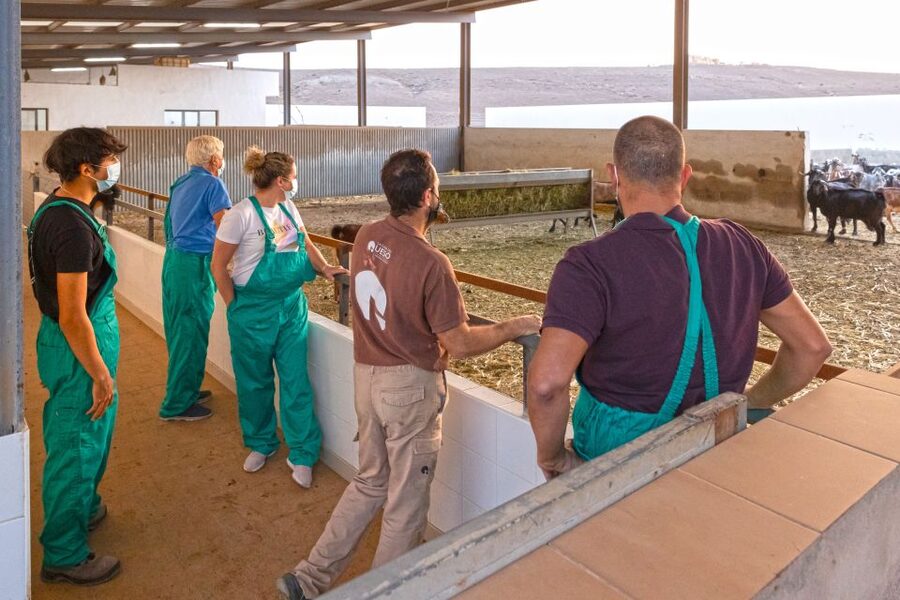
This is the kind of activity that teaches you by doing. You’ll learn both manual and machine milking techniques, then create your own fresh cheese just like a local cheesemaker would, finishing with vacuum packing and your label. And since the farm feeds and cares for lots of goats (some sessions also include time with very young kids), you get a feel for the daily rhythm behind the food.
The personal payoff matters too. By the end, you’re not just eating cheese—you’re taking home an edible, customized result of the process, which is a nice way to bring Fuerteventura flavor to your kitchen.
Key highlights at a glance
- Majorera goats in desert country: the farm focuses on goats suited to harsh climates
- Manual and machine milking: you learn both techniques during the workshop
- Make, press, and vacuum-pack your own cheese: you literally finish your souvenir
- Canarian breakfast on a garden patio: cheese sandwich, mojos, homemade jams, and a drink
- Small group format (up to 10): more time with the animals and your guide
- Guides like Elaine and farm owner David: past sessions show friendly, detailed instruction
You can also read our reviews of more tours and experiences in Fuerteventura.
Why Fuerteventura’s Majorero goat cheese is the star of the island
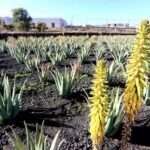
Fuerteventura is famous for goat cheese, and the reason isn’t marketing. It’s the match between Majorera goats and an island environment that can be dry and challenging. The goats are known for doing well in desert-like conditions, which shapes both their care and the character of their milk.
That matters because cheese doesn’t start in a kitchen. It starts with the animal, the feeding routine, and the milk handling. In this workshop, you get that foundation first, so the cheese you make later feels earned instead of accidental.
I also like that the experience doesn’t treat cheese as a mystery. You’re taught the practical steps—what to do, when to do it, and why the process changes the final texture.
Arriving at the farm: coffee, animals, and a small-group pace
Plan on meeting the farm team and getting settled with a welcome coffee. Then your host introduces how the day will run and what you’ll do—from milking through breakfast and cheese packing.
The small group size (10 people max) is a big deal here. It changes the experience from a passive tour into something closer to working alongside a farm family. You have enough time to ask questions, and you’re more likely to get real one-on-one coaching during the hands-on parts.
Expect the farm to feel busy in the calm way farms are. Between goats of different ages, feeding moments, and the steady rhythm of production, it doesn’t feel staged. If you want food that comes from actual work, this is the right vibe.
Quick practical tip
Wear closed-toe shoes and clothes you won’t mind getting a bit farm-life on them. You’ll be on your feet and handling tasks that don’t belong in your nicest outfit.
Milking Majorera goats: learning hand technique and machine technique
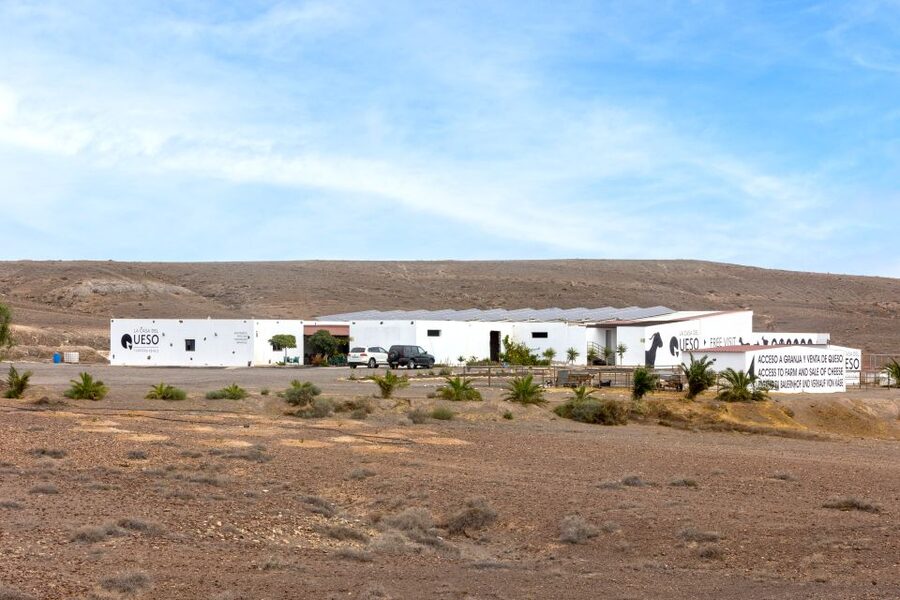
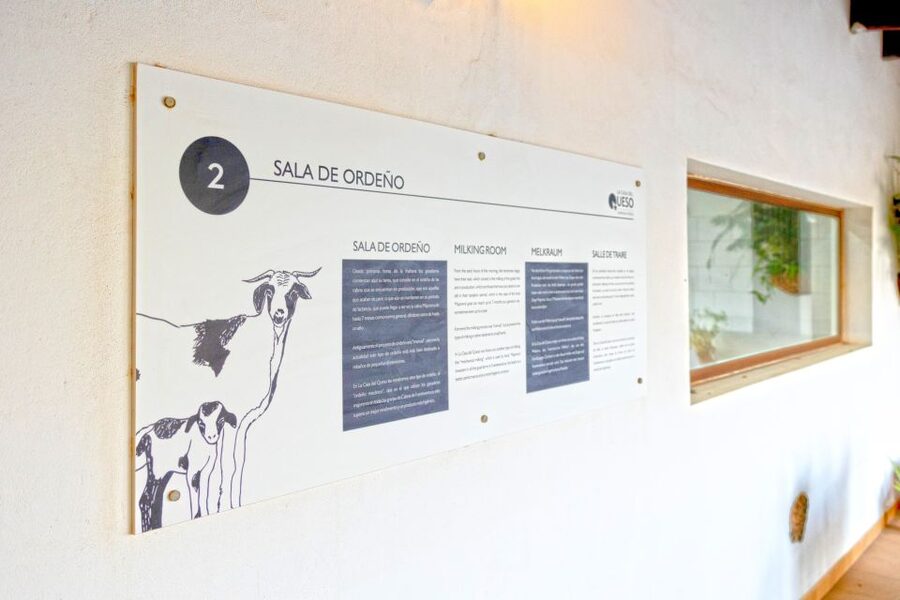
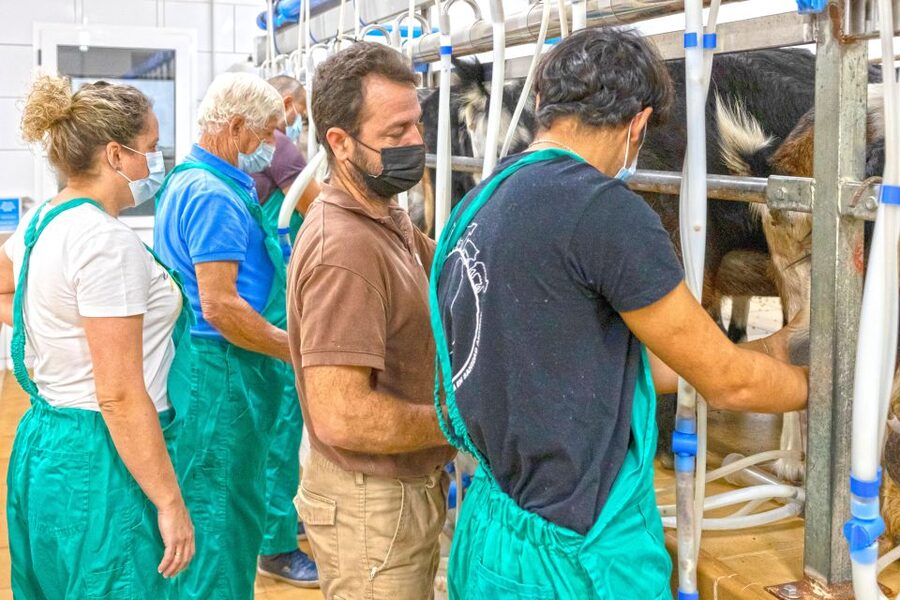
This is where the workshop becomes memorable. Before you make cheese, you learn milking—manual and machine—so you understand where the milk handling story really begins.
You’ll be shown how to milk and how the process works in a practical setting, not just in theory. The key value is control: you learn how technique matters, and you see how the farm manages milking as part of everyday animal care.
Past participants have described the session as genuinely hands-on, including time feeding older goats and spending time with young goats. Some farms in this area also have other animals around, so you might see donkeys too—but don’t count on that for every day. Either way, the animal time isn’t rushed.
A note on expectations
This section can be physically awkward at first—standing, reaching, and working with steady rhythm. If you love practical skills, you’ll enjoy it. If you’re looking for a purely culinary class with zero farm work, you might find it more intense than you planned.
Making your own fresh cheese: step-by-step like a local cheesemaker
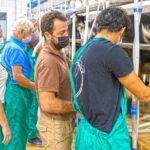
After milking, the workshop shifts from animal care to production. This is the part most people came for: creating your own cheese, step by step, with guidance through the process.
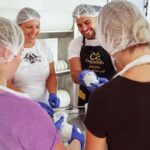
You’ll follow the workflow that local makers use: shaping the cheese after it’s formed, then moving it into the pressing stage. Once the cheese rests in the press, you return to the production area to finish the part that makes it travel-ready.
What I like here is the full arc. You don’t just stir or taste. You help build something that becomes a finished product—then you package it.
Tools and equipment are included
You don’t have to bring anything special for the production work. The workshop includes all tools and equipment, plus guided instruction, so you can focus on learning the steps instead of wondering what gear you’re missing.
What you’ll take away
Your personalized cheese is vacuum-packed and labeled by you. That label matters: it turns your cheese into a souvenir with actual meaning, not just a sealed wedge you grab at a shop.
Canarian breakfast on the patio: cheese, mojos, jams, and your drink
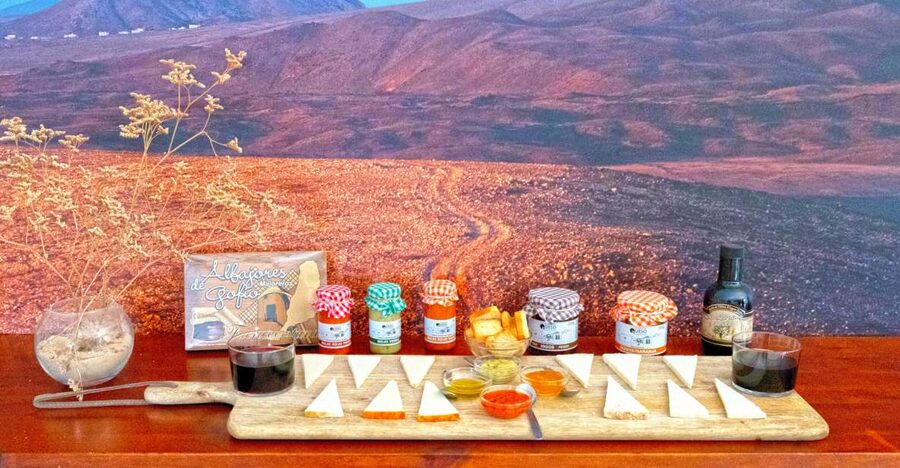
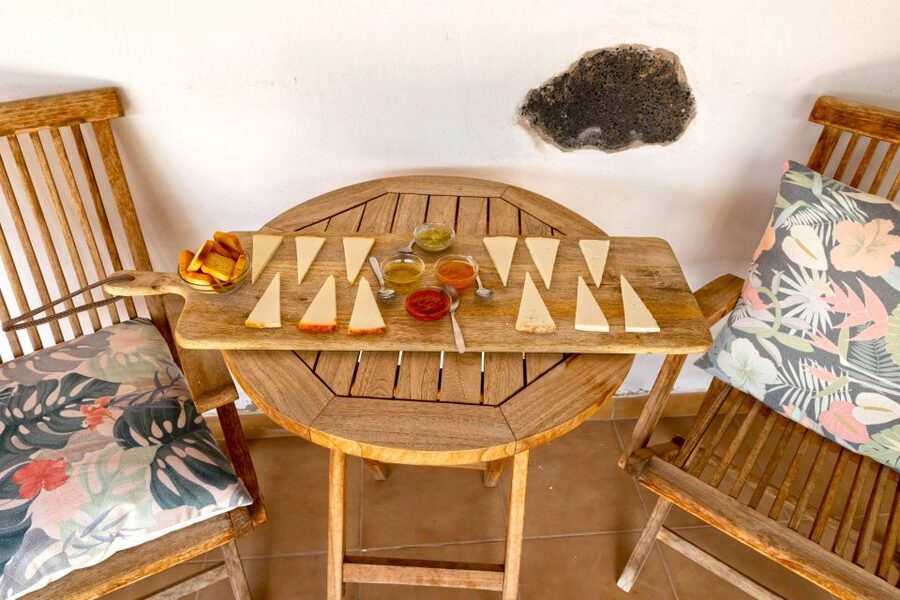
Midway through the session, you get a break with a traditional Fuerteventura breakfast. This isn’t a generic snack. It’s built around the cheeses from the farm and the flavors Canarians use to wake up the palate.
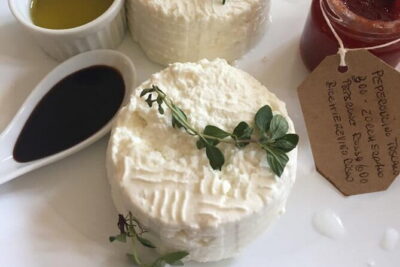
The breakfast includes:
- A fresh cheese sandwich
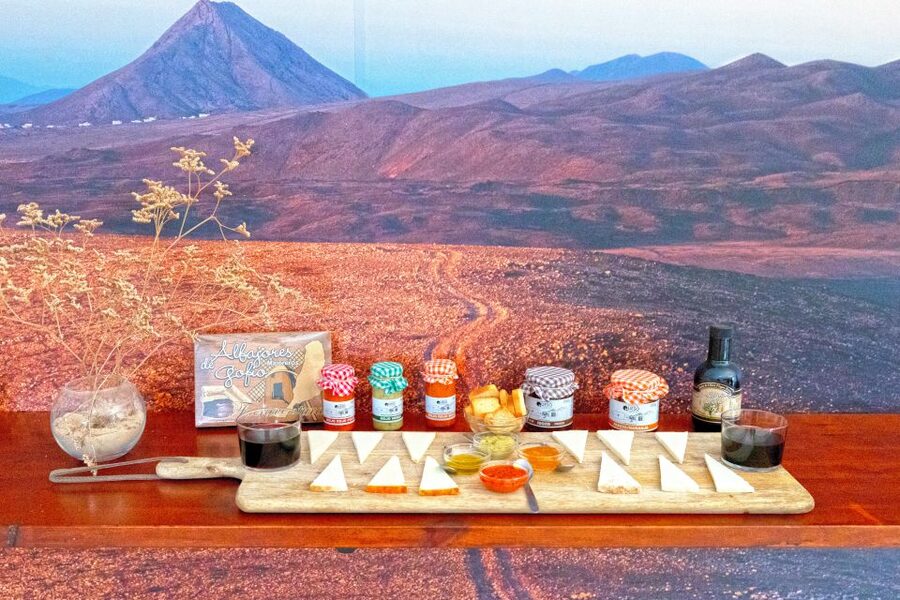
- A local cheese board with Canarian mojos
- Homemade jams
- One drink of your choice per person (coffee, tea, Tenerife wine, beer, soft drink, or water)
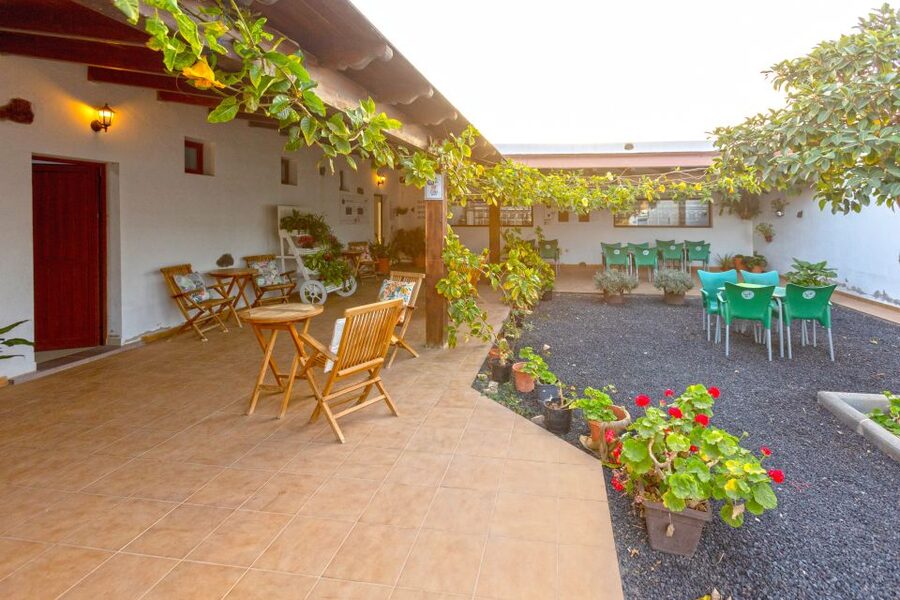
The patio-garden setting matters more than you’d think. You’ll have a chance to reset after the animal and production work, then eat something that actually matches what you just learned.
Why breakfast feels like part of the lesson
You taste the “why” while your hands still remember the steps. The mojos and jams give you contrast, so you can understand that cheese isn’t one flavor—it’s a base you can shape with local accompaniments.
Vacuum packing and labeling: your edible souvenir for the road
Once your cheese has finished resting in the press, the workshop moves back to the production room. This is the closing phase: vacuum-pack and label your creation so it’s ready to take home.
This is more than convenience. It’s part of the craft. Vacuum packing helps keep your cheese protected, and labeling makes it feel like yours—not something you grabbed off a counter.
Practical takeaway
Because your cheese is specifically packed for travel, treat it like a real food gift: keep it cool, and plan where you’ll store it until you can enjoy it.
Also, you may end up taking home around a kilo of cheese, since some sessions have mentioned a 1kg portion. Even if the exact amount varies by production, you’re clearly getting enough for more than a one-bite taste.
Price and value: is $85 fair for 2.5 hours?
At $85 per person, this workshop isn’t a bargain in the way a cheap tasting room is. But it’s also not overpriced for what you get.
Here’s what’s included:
- Welcome coffee
- Guided cheese-making workshop
- Manual and machine milking instruction
- Individual preparation of your own cheese
- Use of all tools and equipment
- Traditional Canarian breakfast
- One drink per person
- Your own vacuum-packed, labeled cheese to take home
When you break it down, a big chunk of the value is the “you actually do the work” factor. You’re paying for time with animals, hands-on instruction, and the materials that turn milk into a finished product—plus the meal that follows.
For families, food lovers, and people who enjoy learning by doing, that $85 can feel like a fair trade. For someone who just wants to eat cheese without touching farm tasks, it may feel like paying for labor.
Who should book this goat cheese workshop
You’ll probably love it if you:
- Want a real farm-to-table experience (not a quick walk-through)
- Like learning practical food skills, from milking to pressing
- Enjoy animals and don’t mind getting involved
- Want a memorable food souvenir you made yourself
It might not be your best fit if you:
- Prefer seated tastings only
- Dislike working with farm routines (feeding, milking, pressing)
- Expect a purely museum-style history lesson
Good news: the English and Spanish guides (and the friendly farm team) make it easier to understand the steps even if you don’t speak perfect Spanish. In past sessions, guides such as Elaine and the owner David have been highlighted for clear, patient teaching.
Should you book? My take on the decision
If your trip needs one truly authentic, hands-on food moment, I’d book it. This workshop gives you something most cheese experiences can’t: a complete chain from Majorera goats → milk handling → your own pressed cheese → vacuum-packed take-home.
Before you go, decide what kind of experience you want. If you want to learn by doing, this is one of the best uses of 2.5 hours on Fuerteventura. If you want only tasting and zero farm work, you may feel mismatched.
FAQ
How long is the cheese-making workshop?
It lasts 2.5 hours.
What is the price per person?
The price is $85 per person.
What’s included besides making cheese?
You get a welcome coffee, a guided workshop (including manual and machine milking), a traditional Canarian breakfast (fresh cheese sandwich and a cheese board with Canarian mojos and homemade jams), and one drink of your choice per person.
Can I take my cheese home?
Yes. You prepare your own Majorero cheese, then vacuum-pack and label it yourself to take home.
How big is the group?
The group is small, limited to 10 participants.
What languages are spoken by the guide?
The tour is guided in English and Spanish.
Is the experience wheelchair accessible?
It is listed as wheelchair accessible.