REVIEW · FUERTEVENTURA
Fuerteventura Goat Cheese Workshop with Transfer from the South
Book on GetYourGuide →Operated by Fuerte Authentic Tours · Bookable on GetYourGuide
That milk-and-cheese smell is the start of something good. This hands-on workshop turns a centuries-old local tradition into a practical, step-by-step session.
I like that it’s truly hands-on on a working farm with about 350 goats, not a quick demo. I also like the built-in tasting where you compare different ripeness levels. One thing to consider: it’s not built for tiny kids, so plan for a calmer day if your group includes children under 9.
In This Review
- Key things to know before you go
- Goat Cheese on Fuerteventura: Why This Workshop Feels Different
- Inside the Goat Farm: What the 350-Animal Experience Adds
- The Cheese-Making Lesson: Steps, Ripening, and What You Actually Learn
- Tasting and White Wine: Turning Steps Into Flavor
- Farm Tour Walk: Short, Guided, and Worth the Stretch
- Transportation from the South: Pickup That Saves You Thinking Time
- Price and Value: Why $92 Can Make Sense Here
- Who This Is Best For (and Who Should Skip It)
- Small Practical Tips That Make the Workshop Easier
- Should You Book This Goat Cheese Workshop?
- FAQ
- How long does the Fuerteventura goat cheese workshop last?
- Do I get to make cheese, or is it just watching?
- Is there a farm tour during the experience?
- What is included in the tasting?
- Is pickup available from the south?
- What language is the tour guide available in?
- What should I bring and wear?
- Is it suitable for children?
- Final recommendation
Key things to know before you go
- Working farm setting: about 350 goats, so the day feels real, not staged
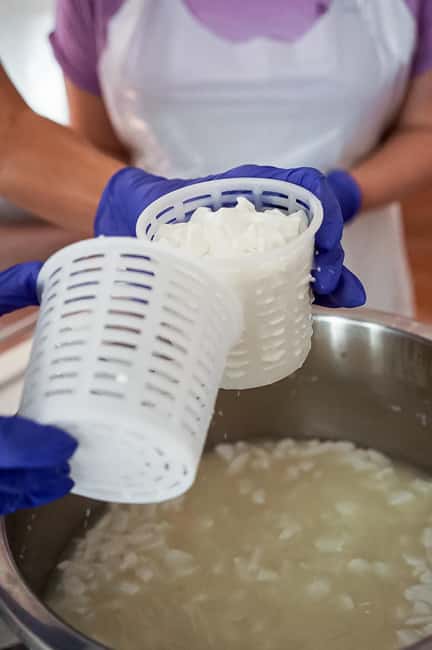
- Step-by-step cheese making: you’ll do the process yourself, not just watch
- Ripeness training: young, semi-ripe, and ripe stages are part of the lesson
- Tasting with white wine: pair flavors with age and texture
- Farm tour walk: about a 500 m walk to see more of the property
Goat Cheese on Fuerteventura: Why This Workshop Feels Different
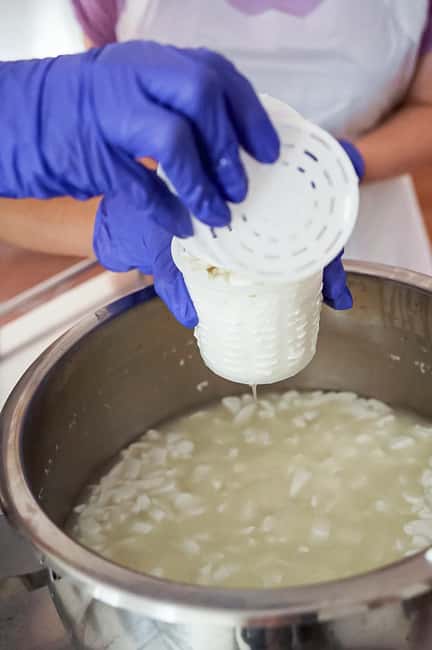
Fuerteventura’s goat cheese tradition isn’t a side hobby. It’s part of how people on the island have made food for a long time. What makes this workshop special is that you’re not just hearing about it. You get the steps in a guided, structured way and then you do it with your own hands.
I like the format because it respects your time. In 2.5 to 4 hours, you go from ingredient prep to making a small goat cheese and then you taste varieties to connect what you did with what you’re tasting. That cause-and-effect link is what makes the whole thing stick.
One more reason it’s a good-value activity: this isn’t just tasting for tastings sake. You’re learning how ripeness changes the cheese. So you’ll leave thinking about flavor in a more useful way—less I liked it, more I know why.
You can also read our reviews of more tours and experiences in Fuerteventura.
Inside the Goat Farm: What the 350-Animal Experience Adds
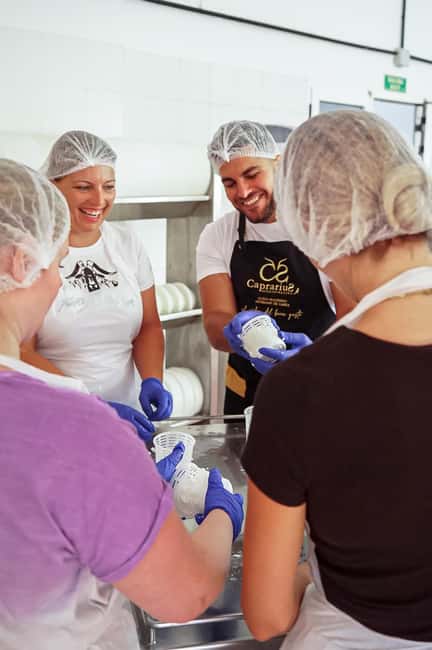
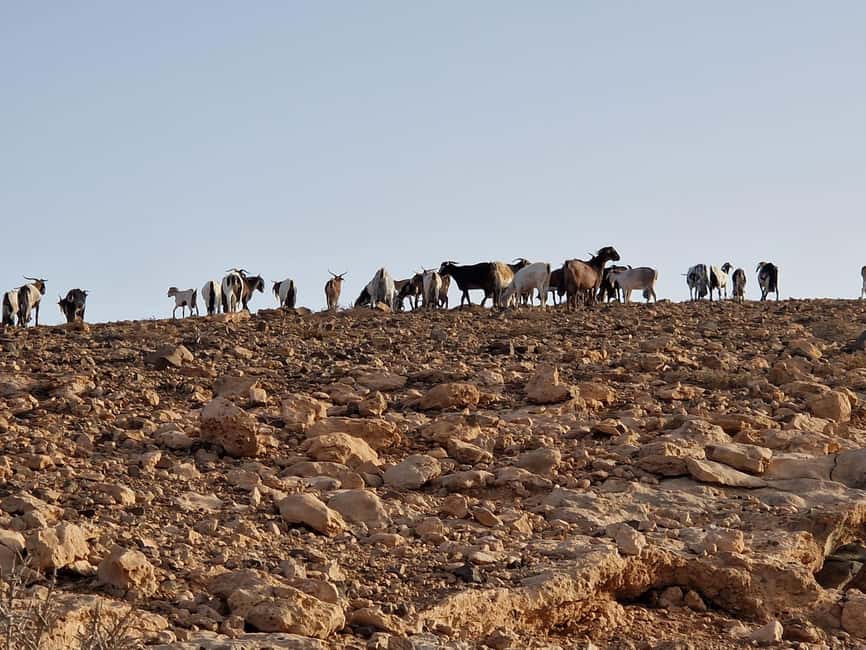
The workshop happens on a traditional goat farm with around 350 animals. That number matters. It means you’re on an active working site where the day revolves around the herd, not a tourist set-up where everything is quiet and still.
The farm tour adds context without turning into a long hike. You get a guided walk of about 500 meters, which is enough to orient you and show the environment behind the cheese. You’ll understand that cheese making isn’t magic. It’s routine, done day after day, with real animals involved.
This setting also helps you notice details you’d otherwise miss. You start to recognize how the process connects back to farm life—milk, handling, and the patience needed for ripening. Even if you’re not a food science person, the farm atmosphere makes the whole lesson more believable.
The Cheese-Making Lesson: Steps, Ripening, and What You Actually Learn
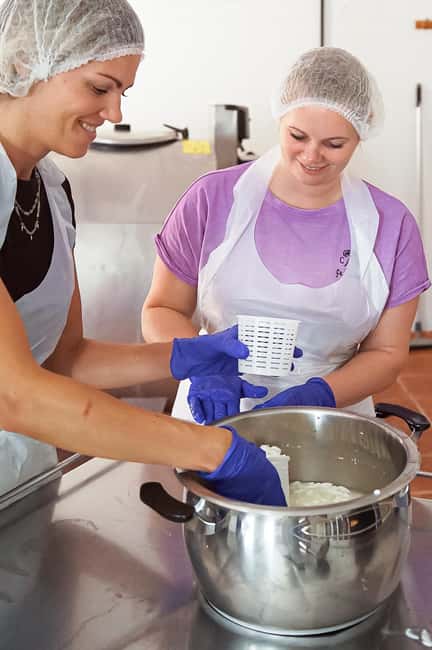
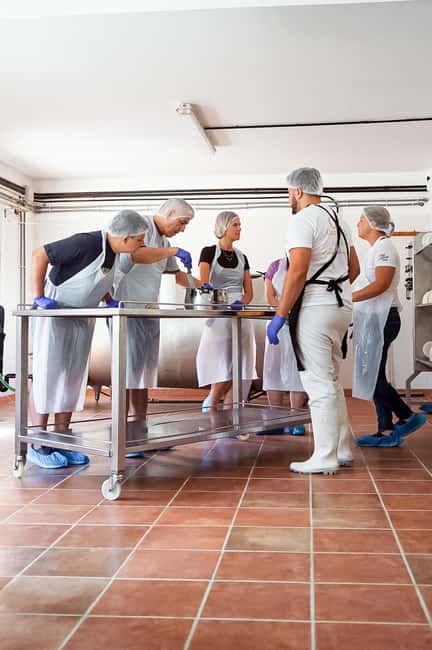
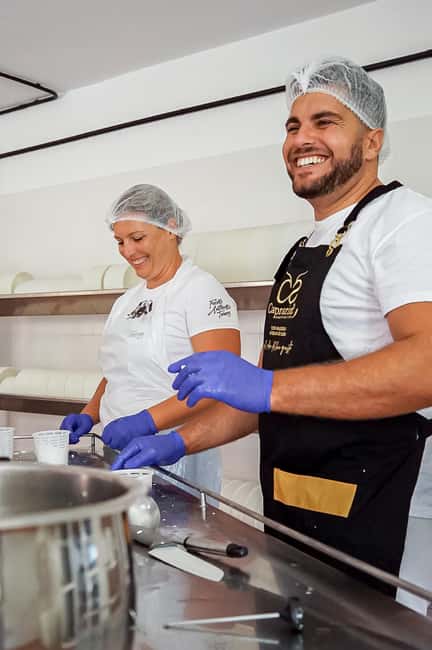
This is the core of the experience: a hands-on workshop guided by an experienced cheesemaker. The day is built around getting you through the process in a clear sequence—choosing and preparing ingredients, then learning the production techniques and ripening process.
Here’s what I’d pay attention to, as a learner: the workshop isn’t just telling you what happens. It’s showing you why each step matters. That’s important because goat cheese is sensitive to handling and timing, even when the final result may look simple.
You’ll also make your own little goat cheese. That’s a big deal for two reasons:
- It gives you a tactile memory, so you remember the steps later when you taste
- It keeps the workshop from turning into a passive class
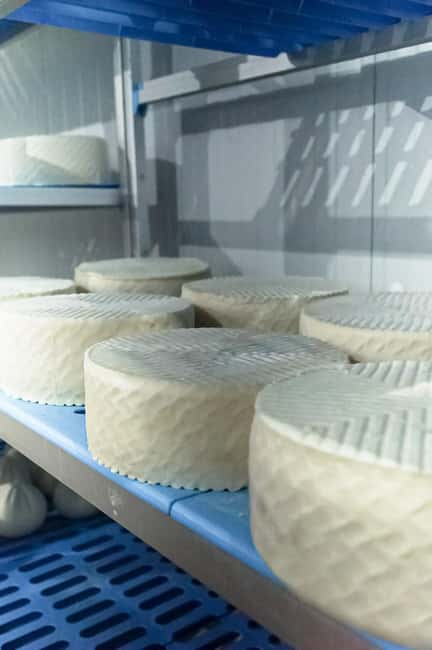
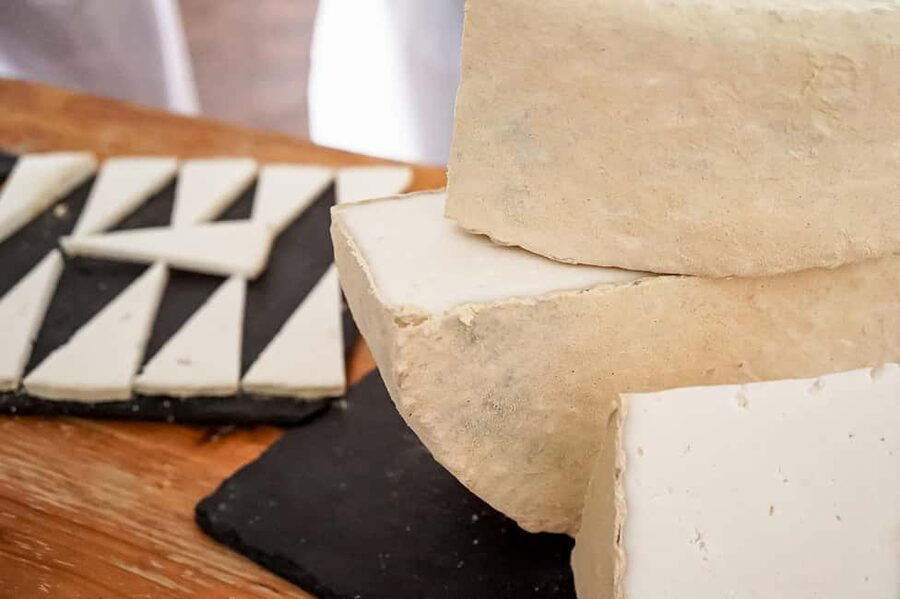
Then you get instruction on ripening stages: young, semi-ripe, and ripe. This matters because ripening is where most of the character comes from—taste, texture, and aroma can shift in noticeable ways. Instead of tasting three random samples, you learn to spot changes across stages.
You also receive tips for preservation and storage. That part is practical. If you buy cheese later (or you ever handle cheese at home), knowing basic storage logic makes you less likely to waste a good wheel or ruin the flavor.
Tasting and White Wine: Turning Steps Into Flavor
After the making part comes the tasting. You’ll try different goat cheese varieties, and white wine is included with the tasting. The tasting isn’t just a finish line. It’s where the workshop turns into understanding.
I love this structure because it helps you connect actions to results. If you’ve just learned about ripeness stages, the tasting becomes a mini comparison game. You’re not guessing. You’re matching texture and flavor to what you were taught about young vs. semi-ripe vs. ripe.
Wine also helps with the contrast. White wine can lift salty or tangy notes and make differences between cheeses easier to notice. You end up with a stronger sense of what you personally like, not just what the cheesemaker thinks is best.
And since the whole experience is built around sensory learning—feel, smell, taste—you’re likely to remember it longer than a standard dinner. It’s food education you can actually carry home in your head.
Farm Tour Walk: Short, Guided, and Worth the Stretch
You’ll do a guided farm tour that includes about a 500 m walk. It’s short, so it won’t swallow half your afternoon. But it’s long enough to break the workshop rhythm and give you a real sense of place.
This is the moment where the farm becomes more than a backdrop. You’re moving with a guide, so you get explanations as you go. You can also ask questions while your brain has time to absorb the day’s earlier steps.
If you’re someone who likes photos, this is also where you’ll get better context shots. The farm setting helps your pictures make sense later, because you remember what you were learning when you took them.
Transportation from the South: Pickup That Saves You Thinking Time
This experience includes transportation, and pickup is optional via white minibus. The tour is designed to work from the south side of Fuerteventura, which can make a big difference in a place where driving is one of the main time costs.
If you’re staying in a hotel, pickup is in front of the hotel. If you’re in an apartment, you’ll be told the meeting point the day before. That reduces stress on the day itself.
The timing window is flexible: the total duration runs about 2.5 to 4 hours, depending on the starting time. So when you pick your slot, match it to your day plan. Don’t schedule it right before something you need to be punctual for, because food experiences can run a touch longer even when everything is organized.
You also skip the ticket line, which is a small perk but a real one. Less waiting means more time doing what you came for.
Price and Value: Why $92 Can Make Sense Here
At $92 per person for a 2.5–4 hour experience, you should ask one question: what are you paying for beyond the craft?
In this case, the value is built from multiple pieces:
- Hands-on goat cheese making (the main event)
- Tasting of selected cheese varieties
- White wine included with the tasting
- A farm tour
- Transportation with optional pickup from the south
That combination is why the price can feel fair. You’re not just buying a tasting. You’re buying instruction and an active food experience where you leave with knowledge—plus a product you make during the workshop.
If you’re traveling with a group that likes food and wants a structured activity without planning every detail, this price can be a win. If you’re only interested in a quick snack and you dislike active workshops, then it might feel pricey for what it is.
Who This Is Best For (and Who Should Skip It)
This workshop is ideal for:
- Foodies who like learning by doing
- People who want something more memorable than a standard tour
- Travelers who enjoy tasting differences tied to technique
It’s also a good match if you’re the kind of person who likes practical takeaways, like storage tips.
One clear limitation: it’s not suitable for children under 9. So if your trip includes younger kids, you’ll need to plan around that.
Also bring the right mindset. This isn’t a passive show. You’ll get your hands involved, and you’ll likely want to pay attention to the steps so you can connect the lesson to the tasting.
Small Practical Tips That Make the Workshop Easier
A few things can make your day smoother:
- Bring water. It’s specifically listed as what you should bring, and workshops are easier when you’re hydrated.
- Wear sturdy, closed-toe shoes. You’ll do a farm walk of about 500 m, and you want comfort on real ground.
- Plan for a sensory experience. Expect smell and taste to be central, since the workshop is built around those senses.
- Expect English or German guidance. The tour is offered with live guides in English and German. If part of the materials shows in its original language, don’t panic—it’s usually minor and shouldn’t block the main instruction.
One more detail: the experience has a strong reputation for being well prepared and genuinely fun to do yourself. That lines up with the structure: step-by-step cheesemaking, a farm context, and a tasting at the end. It’s the kind of activity that feels organized, not chaotic.
Should You Book This Goat Cheese Workshop?
Book it if you want a hands-on food experience in Fuerteventura that teaches real technique, not just tasting. The workshop format—making your own small goat cheese, learning ripeness stages, then tying it together at the table with tasting and white wine—is exactly the kind of practical, satisfying travel day I look for.
Skip it if you’re not into active workshops or you’re traveling with young children under 9. And if you hate the idea of getting hands involved, consider a different style of tour.
If you like learning through your senses and leaving with a clearer idea of how cheese changes with ripeness, this is one of the more memorable ways to spend a few hours on the island.
FAQ
How long does the Fuerteventura goat cheese workshop last?
The duration is listed as 2.5 to 4 hours. You’ll need to check availability to see the starting times.
Do I get to make cheese, or is it just watching?
You take part in a hands-on cheese-making workshop where you make your own little goat cheese.
Is there a farm tour during the experience?
Yes. The farm tour is included and includes about a 500 m walk.
What is included in the tasting?
The tasting includes selected goat cheese varieties, and white wine is included.
Is pickup available from the south?
Transportation is included, and pickup is optional using a white minibus. Pickup is in front of the hotel, and if you stay in an apartment the meeting point is shared the day before.
What language is the tour guide available in?
The live tour guide is listed as available in English and German.
What should I bring and wear?
Bring water. Wear sturdy, closed-toe shoes.
Is it suitable for children?
It is not suitable for children under 9 years.
Final recommendation
If your goal is an authentic food experience where you actually do the work and then learn how ripeness changes the taste, this goat cheese workshop is a strong choice. For most adults, it hits that rare balance of instruction, atmosphere, and a fun payoff at tasting time.