REVIEW · BORDEAUX
Blind Tasting: 4 Bordeaux Natural Wine + Cheese experience
Book on GetYourGuide →Operated by Free Walking tours Bordeaux · Bookable on GetYourGuide
Your nose does the judging. In this 1-hour Bordeaux natural wine blind tasting, you sample 4 wines with no clues first, then a sommelier connects what you smell and taste to Bordeaux regions, grapes, and the 1855 classification. I like the structure because it trains your palate fast, and I like that the wines are 100% local, organic, and made by small family châteaux. The one thing to consider: it’s wine-forward and focused, so if you want lots of food or drinking breaks, you’ll need to look elsewhere.
You’ll also get guided pairing with cheese and dry meat, which turns a simple tasting into an actual “why does this work?” lesson. I love the practical angle, like learning how to read a French wine label and how to use food to shape flavor. A realistic caution: the session is only 1 hour, so if you’re the type who asks 30 questions, the conversation may run long (in a good way), but it can still feel time-pressured.
In This Review
- Key things that make this experience worth your time
- Meeting Saint Michel and stepping into a blind-tasting mindset
- Four bottles of Bordeaux natural wine, tasted in a smart order
- Natural wine basics you actually use during the tasting
- Cheese and dry meat pairing that teaches you the “why”
- Bordeaux 101: grapes, regions, and what the 1855 classification means
- Learning to read a French wine label like a pro
- The sulphur hangover myth (and the answer that changes how you think)
- Price and value: what $34 buys you in real tasting time
- Who this works best for (and who should skip it)
- Book it or skip it: my honest recommendation
- FAQ
- FAQ
- Where do I meet for the Bordeaux blind tasting?
- How long is the experience?
- What wines are included in the blind tasting?
- Is cheese included?
- Does the tour include wine education and pairing?
- What languages is the guide available in?
- Is the experience wheelchair accessible?
- Who is this tour not suitable for?
Key things that make this experience worth your time
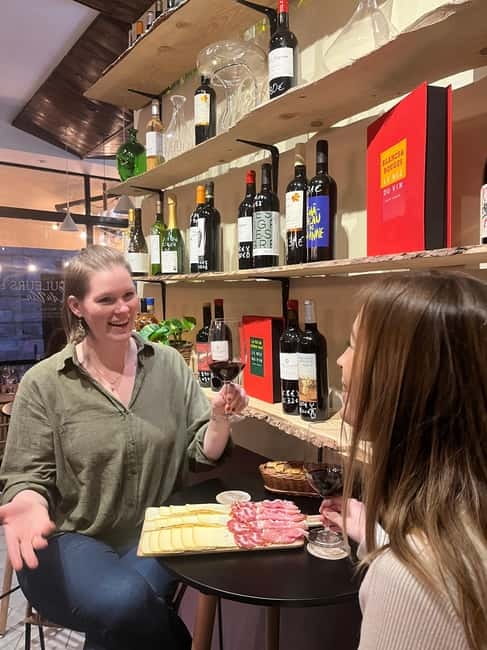
- A true blind tasting format that teaches you to trust your senses first
- Four Bordeaux wines (1 white, 2 reds, 1 sweet) from different regional corners
- Cheese + dry meat pairing used as a flavor tool, not just a snack
- Sommelier-led explanations covering grapes, regions, and how the 1855 system fits in
- Label reading practice so you can decode a bottle after the tour
- A sulphur hangover myth lesson with a surprising comparison to foods
Meeting Saint Michel and stepping into a blind-tasting mindset
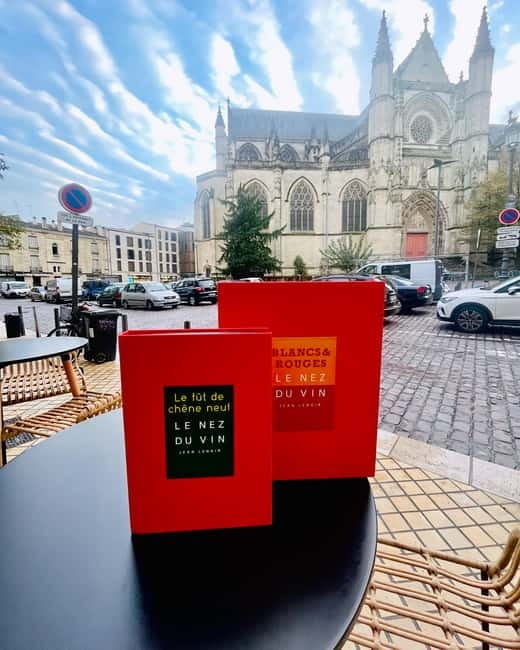
You meet in front of the Flamboyant Saint Michel Church in Bordeaux. That’s a helpful anchor point, especially if you’re doing this alongside walking around town, because you can get oriented quickly before you start tasting.
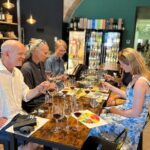
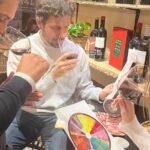
From the start, the vibe is simple: taste first, explain second. The blind element matters because it removes the usual crutch. Instead of guessing based on a familiar name or label design, you react to what’s in the glass right now—aroma, texture, acidity, sweetness, and how the wine changes once you pair it with cheese.
I also like that the guide doesn’t treat this as a quiz where you can be “wrong.” The point is pattern recognition: you learn to describe what you perceive, then connect those perceptions to Bordeaux realities like grape varieties and key regions.
You can also read our reviews of more tours and experiences in Bordeaux.
Four bottles of Bordeaux natural wine, tasted in a smart order
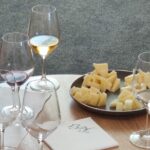
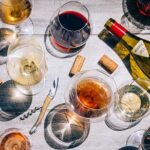
This isn’t just four random pours. You taste 1 white, 2 reds, and 1 sweet wine, and they’re drawn from different Bordeaux wine areas. That setup is ideal for training your eye and nose on how Bordeaux can shift, depending on where the grapes come from and how the wine is made.
Here’s what you’re really practicing, without being forced into a checklist:
- How whites can show brightness and different aromatic styles
- How reds can move between fruit, tannin, and structure
- How a sweet wine can feel different even when you think you’re “just tasting dessert wine”
- How the same overall region can still produce varied flavor profiles
Because you go blind, you don’t start with expectations like Cabernet must be this way or Sauvignon Blanc must be that way. You start with clues your senses already know how to catch—then your sommelier ties them to Bordeaux grapes and regions.
Natural wine basics you actually use during the tasting
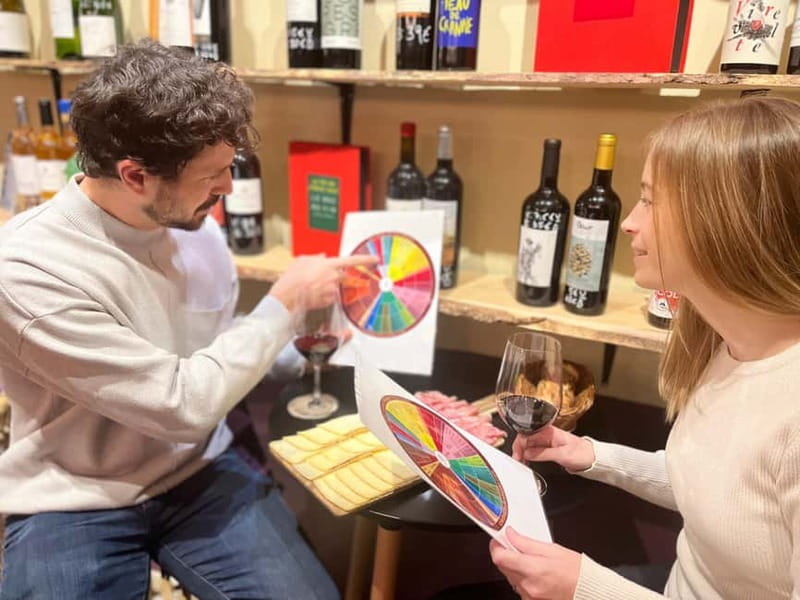
The tasting is built around the idea that you can learn to smell and taste with more confidence. You’ll spend time sniffing, comparing, and discussing what you notice, and that matters because natural wine labels can be confusing for beginners. In a blind setting, you don’t need to know production jargon to understand what you like.
One of the smartest parts is that you’re not just tasting; you’re also learning how to talk about wine. A good example from the experience content: you learn about grape varieties in Bordeaux, and you learn the important wine regions. That makes your future bottle-shopping easier, because you can connect flavor sensations to real-world Bordeaux choices.
And yes, there’s a playful social side. Learning with friends and family is more fun when the guide turns the tasting into a shared exercise—sniff, sip, compare, then laugh when you misidentify something.
Cheese and dry meat pairing that teaches you the “why”
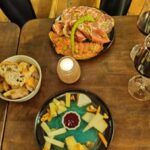
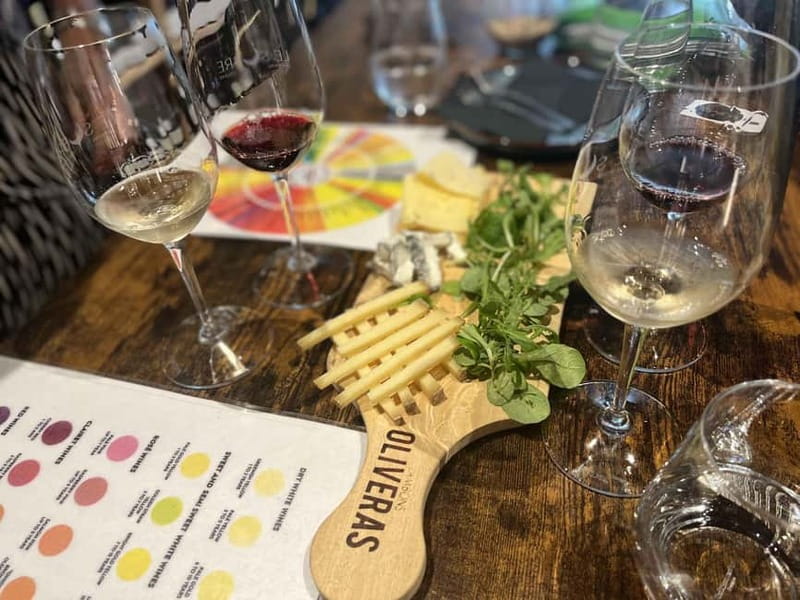
This experience includes 3 types of cheese and 2 types of dry meat, and they’re used to help you understand pairing on a practical level. You’re not just eating between sips. You’re using food to reveal how each wine behaves—especially how acidity, tannin, and sweetness can change your perception.
Cheese is powerful for this. It can amplify aromatics, soften rough tannin, or make fruit feel more pronounced. Dry meat can add savory depth that makes wine flavors feel more grounded. When you taste wine and then taste food with it, you start to understand pairing as a set of cause-and-effect relationships, not a rulebook.
This is where you’ll feel the educational value most, because the tour explicitly covers how to pair food and Bordeaux wine. You leave with tools you can apply at a café later, not just memories of a tasting room.
Bordeaux 101: grapes, regions, and what the 1855 classification means
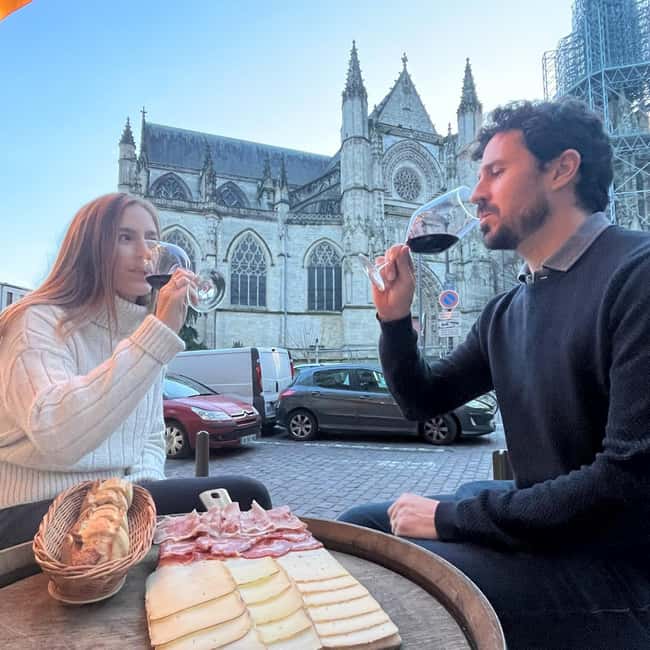
You get a focused Bordeaux lesson during the session. Expect explanations tied to what you’re tasting: grape varieties, key regions, and what the 1855 classification refers to.
The 1855 classification is especially useful because it’s one of the first Bordeaux references people run into. You don’t need to memorize it. You just need context—what it is, and why it keeps showing up on bottles and in conversations about quality and style.
The tour also helps you connect the dots between regional identity and flavor. Bordeaux isn’t one “taste.” It’s a collection of styles shaped by different places within the region. Learning the regions while you taste makes the geography stick.
In other words: you’re not studying Bordeaux from a map. You’re tasting Bordeaux from the inside.
Learning to read a French wine label like a pro
One of the most practical outcomes here is label reading. You’ll learn how to read a French wine label the way an actual wine person would—what to look for, what terms signal style, and how to interpret the information without feeling lost.
This is one of those skills that pays off fast. Bordeaux bottles can look intimidating, especially when you don’t know what’s important versus what’s marketing. When you understand the structure of the label, you can make better choices in wine shops and restaurants.
And the timing works. Because you learn label reading while the tasting is happening, the labels start to feel like decoding tools, not trivia. You’ll leave knowing how to translate what you see into what you can reasonably expect in the glass.
The sulphur hangover myth (and the answer that changes how you think)
The experience includes a memorable myth-buster: the reason of getting hangover is not because of sulphur. Then comes the surprising comparison: there is more sulphur in fruits and vegetables than in a bottle of wine.
Whether or not you’re the type to worry about hangover mechanics, this is a great teaching moment because it reframes how you think about wine chemistry. Instead of blaming a single villain, you get a more grounded perspective.
It also keeps the tone friendly and grounded. Wine can be surrounded by fear or fake certainty. Here, the guide gives you a reasoned explanation and keeps things practical.
Price and value: what $34 buys you in real tasting time
At about $34 per person, this feels like good value because you’re paying for three things at once:
- A guided blind tasting of 4 Bordeaux wines (with explanation built in)
- Food pairing included (3 cheeses + 2 dry meat types)
- Skill-building (label reading, grape and region knowledge, and pairing guidance)
If you’ve ever priced out “just a tasting,” you’ll know it often ends up as small pours with little education. Here you get a structured lesson, plus pairing that actually reinforces the learning.
Also, it’s only 1 hour. That’s tight, which is great for busy travelers, but it does mean you should come ready to focus. If you want a slow, leisurely wine lunch experience, this won’t replace that. It’s more like a high-impact workshop that happens to include wine.
One practical note from the experience: even though it’s listed at 1 hour, the host may keep the session going if the group has lots of questions. So if your next plan is strict, build in some breathing room.
Who this works best for (and who should skip it)
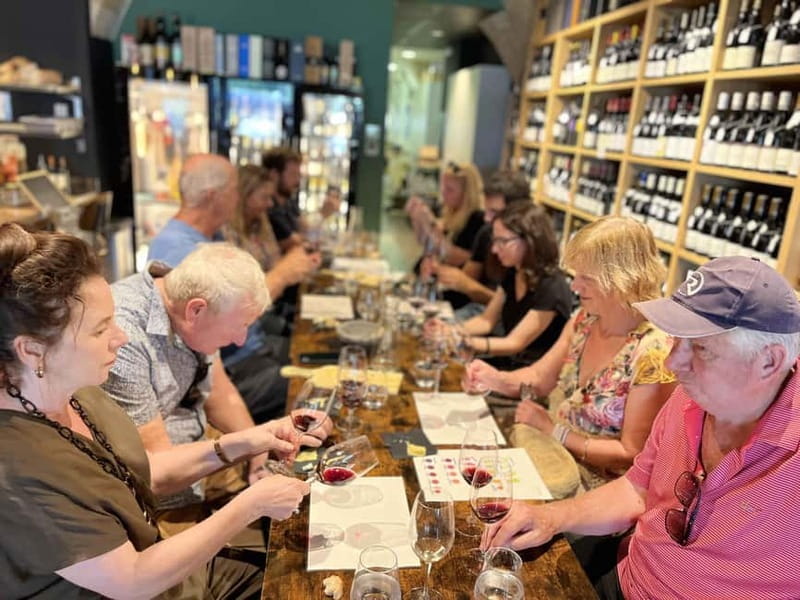
This is a strong fit if you:
- Want a beginner-friendly way to learn Bordeaux without needing prior wine knowledge
- Like hands-on learning and tasting games
- Care about pairing skills, not only drinking
- Prefer organic, small family-château wines and want to taste local expressions
It’s also a good choice if you’re traveling with people who have different comfort levels with wine. Blind tasting levels the playing field because the first impressions come from the glass, not from what someone thinks they should know.
It may not be the best match if you’re looking for heavy dining or lots of free time with extra bottles. Also, it’s not suitable for children under 18 or pregnant women, so plan accordingly.
Book it or skip it: my honest recommendation
I’d book this if you want a focused, fun way to learn Bordeaux natural wine and get practical skills you can use right away—label reading, grape/region context, and pairing logic.
I’d skip it if your main goal is a long, unstructured wine crawl or a meal-heavy outing. The tour is designed to be efficient, and it’s built around guided tasting and education, not extended sitting time.
FAQ
FAQ
Where do I meet for the Bordeaux blind tasting?
You meet in front of the Flamboyant Saint Michel Church.
How long is the experience?
It lasts 1 hour.
What wines are included in the blind tasting?
You taste 1 white, 2 reds, and 1 sweet wine.
Is cheese included?
Yes. You get 3 different types of cheese, plus 2 types of dry meat.
Does the tour include wine education and pairing?
Yes. You learn about grape varieties, important Bordeaux wine regions, the 1855 classification, how to read a French wine label, and how to pair food with Bordeaux wine.
What languages is the guide available in?
The live guide speaks French and English.
Is the experience wheelchair accessible?
Yes, it is wheelchair accessible.
Who is this tour not suitable for?
It’s not suitable for pregnant women and children under 18.
If you want, tell me your tasting level (total beginner vs. you already buy Bordeaux) and I’ll suggest what you should focus on during the blind round so you get the most out of the hour.