REVIEW · PARIS
Guided visit of the Cheese Museum with Tasting Included
Book on Viator →Operated by Paroles de Fromagers · Bookable on Viator
Cheese tasting in Paris has a soft spot in my heart. This guided visit to the Musée Vivant du Fromage turns the spotlight on how French artisans shape curds, then finishes with a tutored tasting of four cheeses. You’ll also be in a 17th-century setting on Île Saint-Louis, about a short walk from Notre-Dame.
What I like most is the hands-on feel: you don’t just read about cheese, you watch it being made and learn the techniques behind the flavors. I also like that the tasting walks you across styles from mild to stronger notes, so you can actually connect a cheese to its region and process. One consideration: the whole experience runs about an hour, and it can be mostly standing, so plan for comfortable shoes.
In This Review
- Key highlights worth planning for
- Musée Vivant du Fromage: a 17th-century stop on Île Saint-Louis
- The guided visit: history, techniques, and secret gestures
- Live cheese making: why watching matters
- The tasting: four cheeses and a guided tour through French styles
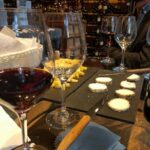
- Optional wine on arrival: good pairing, not included
- Price and value: about $24 for museum entry plus a guided tasting
- Timing in Paris: departures, planning, and nearby sights
- Who this tour fits best (and who should think twice)
- Should you book? My take on the decision
- FAQ
- How long is the Cheese Museum visit with tasting?
- What language is the tour offered in?
- How much does it cost?
- What’s included in the tasting?
- Is wine included?
- Where is the museum located?
- Is there a free cancellation window?
Key highlights worth planning for
- Backstage museum visit focused on techniques and real artisanal gestures
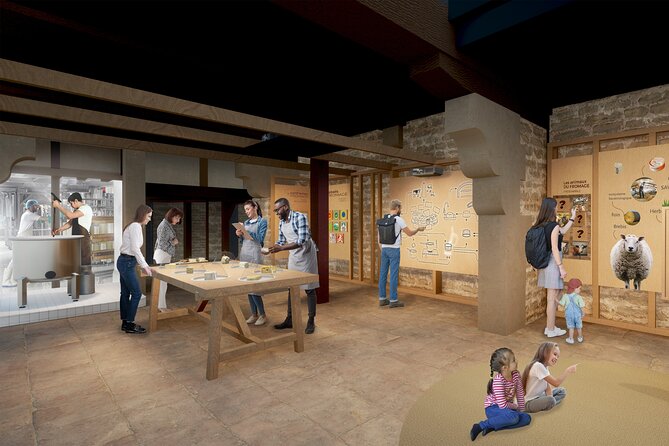
- Live cheese making with a cheesemaker/expert in the room with you
- Tasting of 4 French cheeses, guided step-by-step
- English available on the tour format
- Optional wine offered on arrival (not included)
- Multiple departure times so you can fit it into your day
Musée Vivant du Fromage: a 17th-century stop on Île Saint-Louis
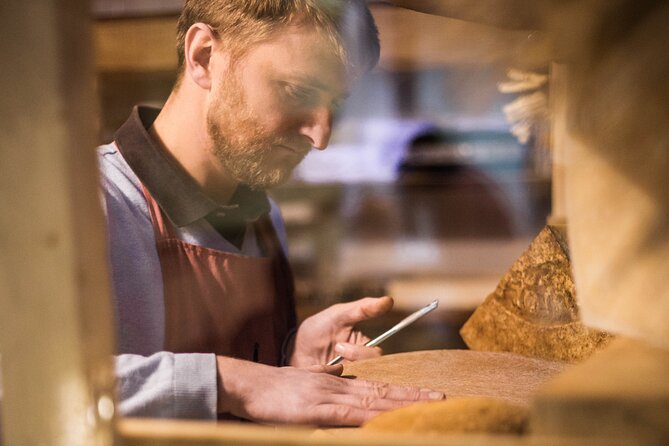
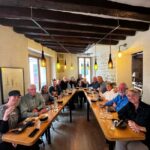
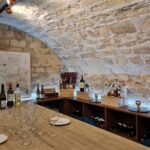
The Musée Vivant du Fromage is on Île Saint-Louis in central Paris, an area you can pair easily with classic sights. It’s also close to Notre-Dame (about five minutes away), which makes it a handy, low-transport hassle add-on. The visit happens in a building with real character from the 1600s, so even the pre-tasting stage feels like more than a quick showroom.
The layout matters for expectations. This is not a massive museum complex you need hours for. Instead, think of it as an organized, guided experience that moves you from heritage and methods into tasting, with the cheesemaking happening live in front of you. If you like food culture that’s explained in plain language, that format works well.
Because it’s near public transport, you won’t need a complicated route. And since the tour is offered in English, it’s also a strong option if you don’t want to wing it with French-only guides.
One more practical note: this kind of specialty experience tends to book ahead. If you want a particular departure time, plan to reserve sooner rather than later.
You can also read our reviews of more tours and experiences in Paris.

The guided visit: history, techniques, and secret gestures
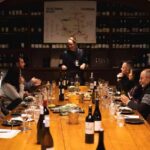
The tour starts with you being welcomed by cheese experts, then guided through the museum side. You’ll look at the history of cheese, but more importantly you’ll focus on techniques—how curds are handled, how textures and flavors develop, and what artisans pay attention to during production.
The museum portion is designed to make cheesemaking feel understandable, not mystical. You’ll hear about the steps that turn milk into something that ages into character, and you’ll get a guided explanation rather than a self-guided march through displays. The “secret artisanal gestures” part is not just a catchy phrase—it’s the idea that tiny handling choices affect the outcome.
There’s also a live element: you can chat with an expert while they make cheese in front of you. Some guides have been noted for keeping the tone light and switching languages as needed. For example, Agathe is mentioned as both funny and knowledgeable, which is exactly the kind of delivery that helps when you’re learning food science concepts in a compact time window.
If you’re expecting a long academic lecture, you might find the pacing short. But for a one-hour experience, the structure is focused and easy to follow.
Live cheese making: why watching matters
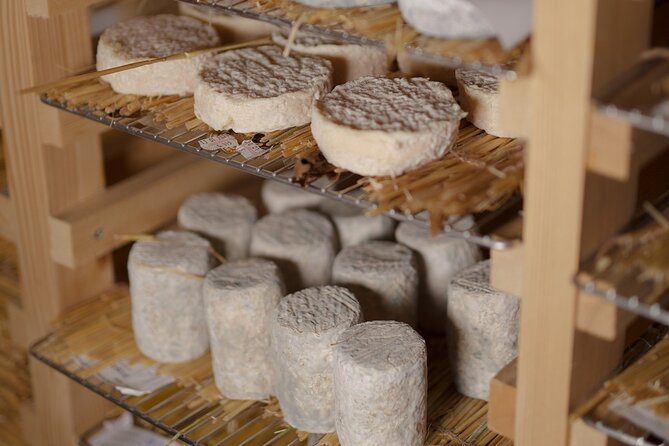
The best part of a cheese museum tour is watching the process happen in real time. Here, you get live cheese making as part of the experience, with an expert in the room explaining what they’re doing. You’ll see techniques tied to results: how the work changes the curd, and how that sets up the tasting moments later.
That said, because the demo relies on what’s available at that moment, it’s smart to go in with flexible expectations. In at least some cases, the live demonstration was unable to be shown when conditions weren’t right (like milk availability). You can’t control that, but you can control how you show up: arrive early, be ready to ask questions, and treat the museum + tasting as the core value, not only the demo.
Also, the live setting usually means you’ll be close to activity and explanations. If you’re the type who likes to watch details closely—hands, timing, textures—that live component is a big win. If you prefer a quiet museum stroll, you may feel the room is more “workshop” than “gallery.”
The tasting: four cheeses and a guided tour through French styles
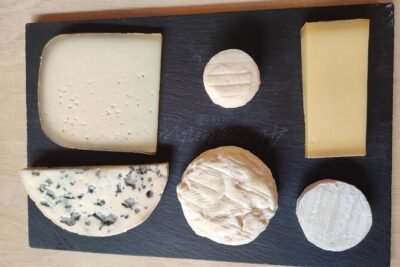
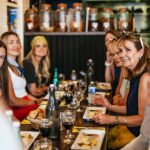
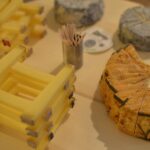
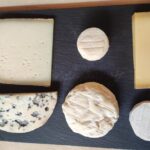
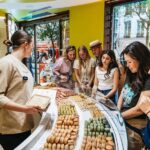
After the museum and live making, you shift into the part you actually came for: tasting. The experience includes a tasting of four cheeses, with guidance from the expert. This is not just a sample plate. You’ll get prompts on what to notice when you sniff and taste, and you’ll connect each cheese to how it’s produced and where it comes from across French regions.
The guided tasting is useful because cheese can feel overwhelming without a map. With four curated samples, you can pick up a pattern: mild cheeses often behave differently in texture and flavor than stronger, more pungent styles. One helpful detail is that the selection can include cheeses that go beyond mild—so don’t assume every cheese will be gentle. If you think you hate strong cheese, this format is still worth it because you’ll learn how to approach those flavors instead of judging them on first sniff.
During the tasting, the expert’s role is practical: they steer you toward noticing production-driven differences. You’ll likely leave with a better instinct for what you like, and more importantly, why you like it.
Optional wine on arrival: good pairing, not included
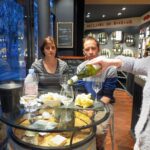
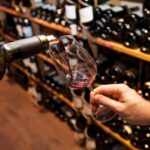
At the start, you can be offered an optional wine glass, but it’s not included in the price. That means your tour cost covers the museum entry, the guided explanation, the live cheese making, and the tasting of four cheeses, while wine is an add-on if you want it.
Wine can make sense with cheese, but the tour keeps the tasting accessible even if you skip alcohol. If you’re driving, avoiding alcohol, or just keeping the day light, you can still enjoy the cheeses fully without the wine option.
If you do take the wine, keep it in mind as a pairing choice rather than part of the “required program.” This is especially helpful if you want to remember which cheese you liked most without mixing flavors too much with the drink.



Price and value: about $24 for museum entry plus a guided tasting
At $23.97 per person, this tour sits in the range of a specialty guided food experience. What makes it feel reasonable is the bundle: admission is included, plus the guided museum visit, live cheese making, and a tasting of four cheeses.
In other words, you’re paying for expert time and structured learning, not only access to a room of exhibits. That’s the value angle. If you’re a cheese fan who wants more than vague “French cheeses are great” advice, you’re buying a guided framework you can use when ordering cheese later in Paris.
If you’re price-sensitive, one caution: this experience is time-compressed at about an hour, so it won’t replace a longer museum day. Also, the comfort factor matters for value. If you don’t want to stand for the full hour, factor that in when you decide.
Timing in Paris: departures, planning, and nearby sights
This tour has a wide choice of departure times, which is one of the easiest ways to make it fit your schedule. That flexibility is useful in Paris, where your “real” plan often changes based on weather, crowds, and how much time you spend walking.
Since it’s near Notre-Dame and on Île Saint-Louis, I like treating it as an anchor point. Do the cheese tour, then use the location to keep wandering. It’s a good stop before you get stuck deciding between too many nearby options.
The tour lasts about one hour. That makes it a practical slot when you want a focused cultural food stop without losing an entire half day. If you’ve booked other timed sights that day, the multiple departure times help you reduce timing stress.
One more heads-up: because the experience is booked fairly in advance (often around a month), picking a late-morning or early-afternoon slot early in the planning stage can save you headaches later.
Who this tour fits best (and who should think twice)
This is a great fit if you want to understand French cheese with help. If you love food explanations, enjoy tasting, and like watching how things are made, you’ll probably get a lot out of the museum + demo + tasting flow.
It also works well if you don’t want to rely on guesswork with cheese at markets or from menus. After learning what to notice—texture, strength, and how it connects to production—you’ll be more confident choosing cheeses later.
On the other hand, if you expect a big standalone museum where you can browse at your pace, you may find the museum portion more compact than you imagined. And because the program includes live steps, the demo depends on what’s ready at the time. If live making is your sole reason for going, it’s smart to arrive with realistic expectations about timing and availability.
Finally, if you’re sensitive to standing, bring that into your planning. One clear comfort point from the experience: an hour on your feet can feel long for some people.
Should you book? My take on the decision
If you love cheese and want a guided tasting that explains the why behind the flavor, this is an easy yes. The format—museum context, live cheesemaking, then a tasting of four cheeses with an expert—gives you a complete, practical experience in about an hour.
I’d especially recommend it if you’re in Paris for a short time and want something “different” from the standard sightseeing loop. Being near Notre-Dame and offering departure time choices makes it a practical add-on, not a stressful detour.
The main reasons to pause are comfort (possible standing time) and expectations (it’s not a huge museum). If you match those expectations, you’ll likely leave with clearer cheese preferences and a better sense of how French producers turn milk into something memorable.
FAQ
How long is the Cheese Museum visit with tasting?
It runs about 1 hour (approx.).
What language is the tour offered in?
The tour is offered in English.
How much does it cost?
The price is $23.97 per person.
What’s included in the tasting?
You get a tasting of 4 cheeses as part of the guided experience.
Is wine included?
Wine is optional. A glass of wine may be offered on arrival, but it is not included in the price.
Where is the museum located?
It’s at Musée Vivant du fromage on Île Saint-Louis in central Paris, about five minutes from Notre-Dame.
Is there a free cancellation window?
Yes. You can cancel for a full refund up to 24 hours before the experience starts.