REVIEW · PARIS
Paris: French Wine and Cheese Guided Tasting
Book on GetYourGuide →Operated by L’Oeno’Vice · Bookable on GetYourGuide
Wine and cheese, taught like a Paris lesson. In Simon’s L’OenoVice wine bar, you learn to taste the way French folks do, not just sip. I especially like the structured method and the mix of wine education with hands-on pairing.
My second favorite part is the pairing itself: each wine gets matched with a specific cheese, so you taste cause-and-effect, not random snacks. One consideration: if you don’t drink wine normally, the format is still built around alcohol tastings, so it may feel like a lot for a non-drinker.
You’ll spend about 2 hours in a small group (up to 8), then walk out ready to order wine with more confidence in a Paris restaurant.
In This Review
- Key points worth knowing before you go
- L’OenoVice meeting point: what the small-group setting feels like
- Step-by-step tasting: color, perfume smell training, and then the sip
- French wine regions in plain English: grapes, climate, and location
- The cheese line-up: five pairings that show why matching matters
- Champagne hour: how the last pour changes your taste habits
- What I think you should do right after the tasting in Paris
- Value check: is $82 worth it for a guided wine-and-cheese class?
- Who should book this French wine and cheese class in Paris
- Should you book this guided Paris wine and cheese tasting?
- FAQ
- Where does the Paris wine and cheese guided tasting meet?
- How long is the guided tasting in Paris?
- How big is the group?
- What wines and cheese are included?
- How does the tasting work, including the perfume samples?
- What languages is the guide available in?
- Is the tour wheelchair accessible?
- Is the tour suitable for children or pregnant women?
- Is free cancellation or reserve and pay later available?
Key points worth knowing before you go
- A guided, step-by-step tasting (look, smell, sip) that trains your senses fast
- Perfume samples used to sharpen smell so wine aromas make more sense
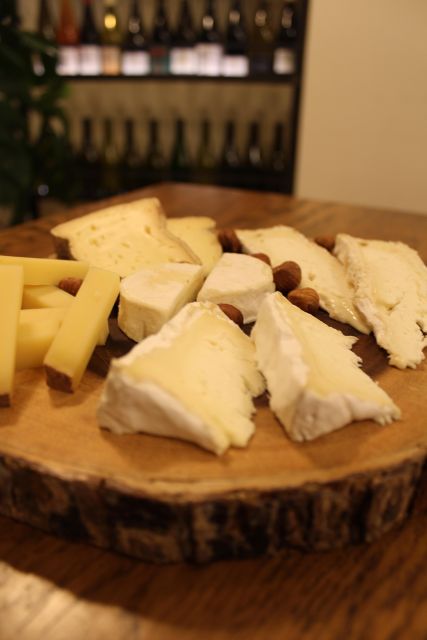
- 2 whites, 2 reds, 1 champagne matched with 5 cheeses for clear pairing lessons
- Simon’s teaching style mixes history and practical tips for real ordering decisions
- Small group pacing where you can ask questions and go at your comfort level
L’OenoVice meeting point: what the small-group setting feels like

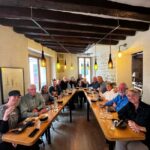
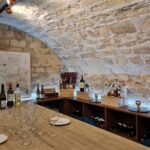
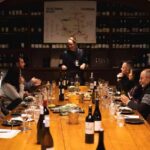
Your tour meets at L’OenoVice, Simon’s wine bar in Paris. Think small and friendly, more like a lesson at a local spot than a big factory tasting. With a group capped at 8 people, the vibe stays relaxed and conversational, which matters when you’re learning something as sensory as wine.
This is one of those experiences where you benefit from asking questions, because Simon’s explanations don’t stay locked in lecture mode. People tend to ask about taste preferences, which wine style they should pick next, and why one cheese worked better than another. You’ll also be in there long enough to notice the room’s energy—one thing to keep in mind is that it can run warm, and the doors may be opened during the visit to cool things down.
If you’re the type who likes small, focused activities in Paris—rather than rushing from museum to museum—this fits. If you’re mainly looking for scenery and atmosphere, you’ll still get it, but the center of gravity is the tasting.
You can also read our reviews of more tours and experiences in Paris.
Step-by-step tasting: color, perfume smell training, and then the sip
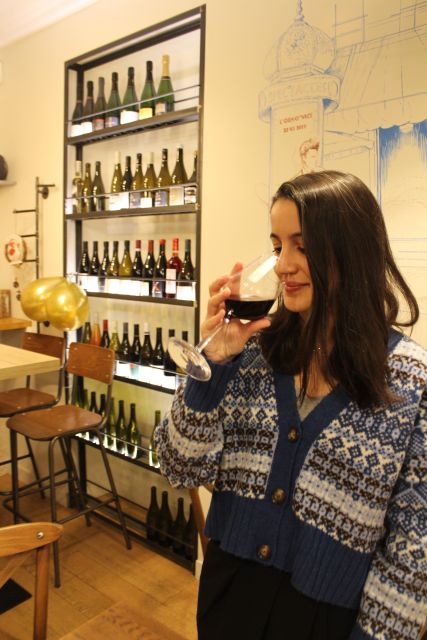
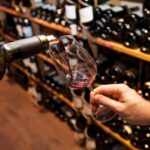
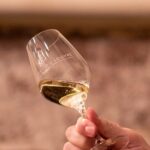
The tasting follows a simple rhythm that makes learning stick. First you look at the wine—color tells you something right away. Then you smell it, and only after that do you taste.
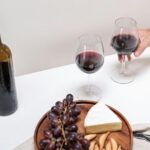
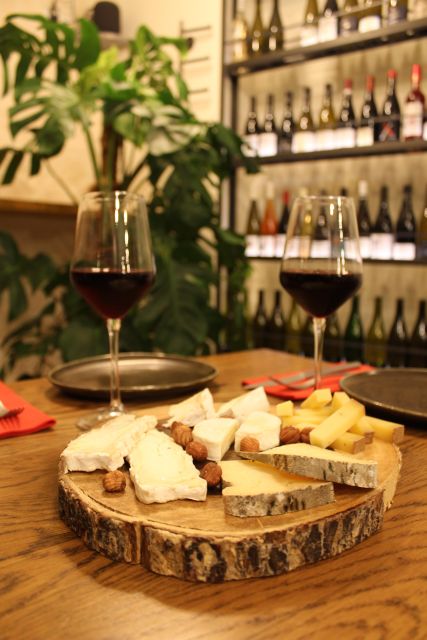
Across the session you’ll try 2 white wines, 2 red wines, and 1 champagne. With each wine, you’ll also taste a different cheese, so you’re constantly comparing how flavor and texture shift the way the next wine lands in your mouth. That pairing-by-pairing structure is what turns wine and cheese from a fun snack into a real skill.
Here’s a very practical detail: Simon uses perfume samples to help train your nose. You compare the aromas from the wine to the perfume notes, so you start recognizing smell patterns instead of guessing. It’s a clever shortcut, especially if you feel like wine aromas are hard to describe.
If you get nervous about sounding unsure, don’t. The whole method is built around learning what you notice—color, smell, and taste—then talking through what it could mean.
French wine regions in plain English: grapes, climate, and location
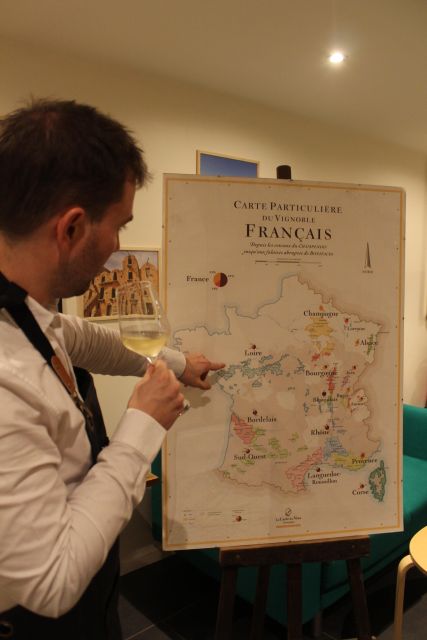
You don’t just learn names of wines. You get the logic behind why French wine tastes the way it does. Simon walks you through wine regions and explains how climate, grape type, and location affect flavor.
This is valuable because it changes how you think when you’re back on your own. Instead of treating each bottle as random, you start linking style to geography: warmer areas often push certain fruit notes; cooler sites tend to keep wines sharper or more structured. The goal isn’t memorizing a textbook—it’s learning to predict what you’ll like.
You’ll also get a dose of wine history, but the best part is how it’s used to explain the present. When Simon ties a style to what the region produces, you understand the bottle faster. Some teaching includes visuals and graphics, which helps if you learn better by seeing relationships between regions and styles.
This portion is also where the experience becomes more than a tasting. You’re learning how to talk about wine without pretending you’re a sommelier.
The cheese line-up: five pairings that show why matching matters
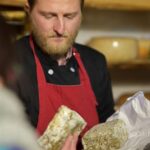
Cheese here isn’t an afterthought. It’s the second half of the lesson. You’ll taste 5 kinds of cheese, each paired with one of the wines, so you can experience how pairing changes perception.
What you learn in practice is how to handle the two big variables: fat and texture on the cheese side, and acidity and tannins on the wine side. For example, a cheese can soften harshness in a red, or a wine’s acidity can cut through richness. When you taste them back-to-back, those ideas stop being abstract.
You’ll also notice that the pairings help you detect details you might miss when drinking alone—like how a wine tastes more fruit-forward with one cheese, then more structured with another. This is why people who have done other tastings in other countries often still rank this one highly: the pairing logic is explained and then proven on the table.
One more small bonus: the format nudges you to slow down. You’ll taste deliberately—look, smell, sip—then reset with the next cheese. That pacing makes the learning feel clear instead of rushed.
Champagne hour: how the last pour changes your taste habits
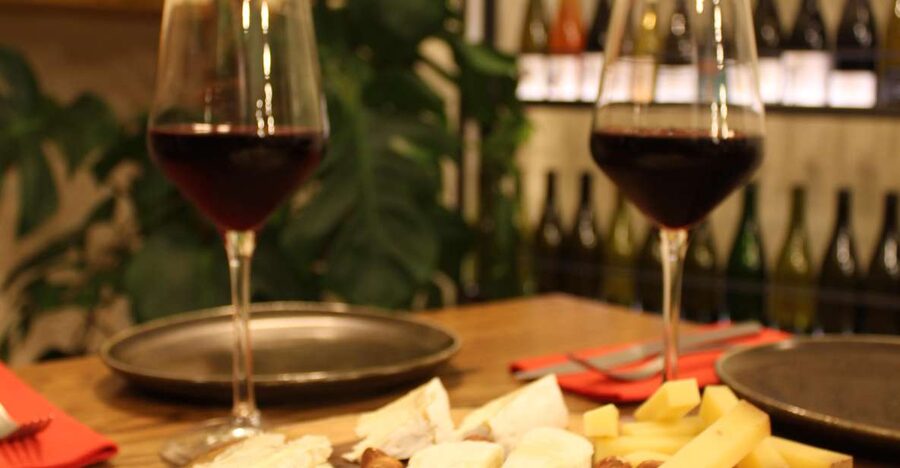
The session ends with one glass of champagne, which is a smart closer. Champagne is bright, lively, and usually more forgiving than flat, still wine—so it’s a good way to see how acidity and bubbles affect both aroma and finish.
If you’re curious about where champagne fits in the French style map, this final step ties the lesson together. You finish with a wine that often feels crisp and celebratory, and you can compare the way your nose and palate have changed over the 2 hours.
In at least some versions of the experience, the champagne has a personal story tied to the guide’s background, which adds meaning to that last sip. Even if you’re not looking for sentiment, a story helps anchor what you’re tasting.
By the time you finish, you’re not just thinking which wine was best. You’re thinking about why it worked and what it would pair with in real life.
What I think you should do right after the tasting in Paris
This tour’s payoff isn’t only the glasses you drink. The real win is what you take back to restaurants.
Right after your tasting, I’d use the new pairing logic immediately: when a menu lists a cheese plate, a starter, or a main you love, try matching it to what you learned. Even if you can’t name the region, you can often guess the style—bright vs. structured, tannic vs. soft—and then choose a wine that behaves the same way.
Also, use the smell training as your cheat code. When you’re deciding between two wines, don’t focus on the label first. Focus on aroma categories you practiced with the perfume comparisons—sweet-fruit notes, floral hints, or more earthy tones. Then pick the one your nose actually points to.
One more practical move: if you find a favorite bottle during the tasting, ask whether you can buy it there. Some people end up picking up bottles they liked because they now understand what makes that bottle work.
Value check: is $82 worth it for a guided wine-and-cheese class?
At $82 per person for about 2 hours, you’re paying for three things: the guide, the wine, and the cheese. You’re not just sampling snacks—you’re getting instruction on how to taste wine (including smell training with perfume), plus pairing lessons with 2 whites, 2 reds, and 1 champagne and 5 cheeses.
So the value depends on your goal. If you want a quick drink with zero learning, you’ll feel the price. If you want a structured method that helps you order better wine in Paris, this price starts to make sense. People also like that it’s small-group, which keeps time for questions and slows the experience down to match your comfort level.
There are a couple of watch-outs. A few people felt it was a bit pricey for what they received, which can happen if you expected more food or a longer meal. And if the bar runs warm for you, it may be less relaxing than you pictured. But if you like focused tastings with clear teaching, the cost feels fair for the number of tastings and how much technique you walk away with.
Who should book this French wine and cheese class in Paris
Book it if you want a guided tasting that helps you feel confident ordering wine in France. It’s also a good fit for first-timers: the explanations are approachable and built around sensory steps, not wine jargon.
It’s especially good for couples or small groups who like an intimate night out. The small-group size means the experience can feel personal, and Simon tends to answer questions and adapt to what people want to know.
Two practical suitability notes from the tour terms:
- It’s not suitable for children under 18.
- It’s not suitable for pregnant women.
On the bright side, the tour is listed as wheelchair accessible, and the guide speaks English and French, which is helpful if you’d like bilingual explanations.
Should you book this guided Paris wine and cheese tasting?
Yes, if you want to learn how to taste and why pairings work. The strongest reasons to go are the structured tasting method, the perfume-based smell training, and the fact that each wine comes with a matching cheese so the lesson is immediately tested.
Maybe skip it if you want a food-heavy meal, big-group entertainment, or mostly sightseeing. This is a tasting-first experience, and the whole point is that you focus on wine, cheese, and pairing choices.
If you’re planning to eat well in Paris anyway, this is one of the best ways to understand what to order instead of guessing.
FAQ
Where does the Paris wine and cheese guided tasting meet?
You meet at L’OenoVice.
How long is the guided tasting in Paris?
The experience lasts 2 hours.
How big is the group?
It’s a small group, limited to 8 participants.
What wines and cheese are included?
You’ll taste 2 glasses of white, 2 glasses of red, and 1 glass of champagne, along with 5 kinds of cheese matched to the wines.
How does the tasting work, including the perfume samples?
You start by looking at the wine color, then smell it, then taste it. You also compare the wine aromas to different perfume samples to help you train your sense of smell.
What languages is the guide available in?
The guide offers the tour in English and French.
Is the tour wheelchair accessible?
Yes, the experience is listed as wheelchair accessible.
Is the tour suitable for children or pregnant women?
No. It is not suitable for children under 18 and not suitable for pregnant women.
Is free cancellation or reserve and pay later available?
Yes. You can cancel up to 24 hours in advance for a full refund, and there is reserve now & pay later so you can book without paying immediately.