REVIEW · PARIS
Paris: Living Cheese Museum Guided Tour with Cheese Tasting
Book on GetYourGuide →Operated by Living Cheese Museum · Bookable on GetYourGuide
Cheese in Paris, minus the stuffy lecture. This guided visit at Musée Vivant du Fromage on Île Saint-Louis turns cheesemaking into something you can see, taste, and understand fast. You’ll watch the work happen, then end with a four-cheese tasting that makes the whole thing click.
I particularly love the cheesemaking demo—not just facts on a wall, but real process, right in front of you. I also like that the guide spends time on how French cheese culture developed, with English-speaking guides such as Thomas and Gabriel showing the same kind of passion.
One possible drawback: it’s only 1 hour, so the tasting is short and you may want to buy more cheese after, especially if you’re a big fan.
In This Review
- Key highlights worth your attention
- Entering Musée Vivant du Fromage on Île Saint-Louis
- The 1-hour flow: demo, exhibition talk, then the four-cheese tasting
- Cheesemaking demo: what you see and why it changes your tasting
- The museum exhibition and interactive spaces that keep it fun
- Guides in English and French: what “split groups” means for you
- Cheese tasting: how to make the four bites actually stick
- The cheese shop and souvenir boutique: turning learning into a take-home win
- Price and value: why around $23 can feel fair
- When this tour is the best fit for your travel day
- Should you book the Living Cheese Museum guided tour?
- FAQ
- Where does the tour start?
- How long is the experience?
- How much does it cost?
- What do you do during the tour?
- How many cheeses do you taste?
- What languages are available?
- Is the tour wheelchair accessible?
- Do I need to arrange transportation?
- Can I arrive early?
- What’s the cancellation policy?
Key highlights worth your attention
- Four cheeses in one guided tasting that’s paced for learning, not just sampling
- Cheesemakers working in view, so you understand what you’re eating
- English and French tours split so you’re not stuck listening twice
- Interactive museum spaces that keep it moving and readable even if you’re not a cheese nerd
- Shop and souvenir browsing at the end, so the learning can turn into a take-home win
Entering Musée Vivant du Fromage on Île Saint-Louis
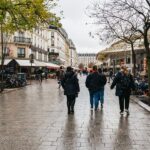
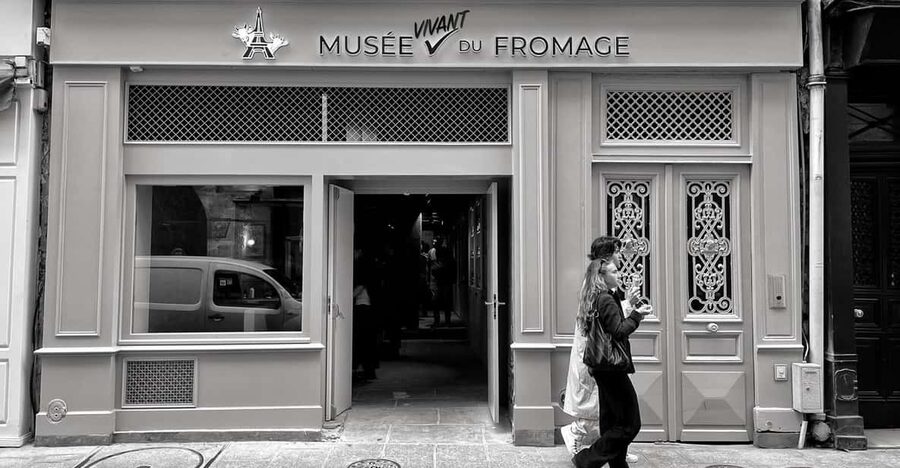
The meeting point is easy to find on Île Saint-Louis: 39 Rue Saint-Louis en l’Île. That matters because Paris tours can be a little chaotic. Here, you’re starting from a fixed address in a very walkable part of town, which makes it simple to plug into a day of sightseeing or even a low-energy, rainy afternoon.
The tour runs for about 1 hour. That’s long enough to see cheesemaking in action and taste multiple styles, but short enough that you won’t feel like your whole day got swallowed. If you want to get the most out of it, arrive 15 to 30 minutes early to start enjoying the exhibition before the guided portion begins.
This is also a nice format if you don’t want a long sit-down class. You’re moving through spaces with explanation, then ending with a tasting. The rhythm keeps you engaged even if cheese isn’t your first love yet.
You can also read our reviews of more tours and experiences in Paris.


The 1-hour flow: demo, exhibition talk, then the four-cheese tasting
This experience is built like a tight story arc. First you get the guided visit, then you watch cheesemaking, then you finish with the tasting. The pacing is part of the value—there’s a clear beginning, middle, and end, all within a single session.
During the guided part, you’re looking at how French cheese connects to place and technique. It’s not just names and categories. The guide helps you connect what you see (textures, rind choices, aging) to what you taste later.
Then comes the cheesemaking demo. Watching it in person makes the explanations feel practical. You can’t help but think, okay, that’s why the cheese changes.
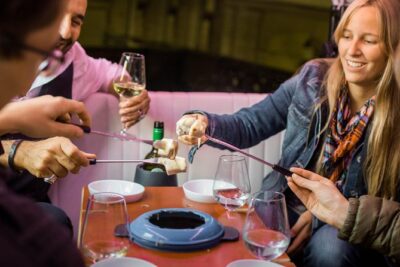
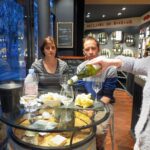
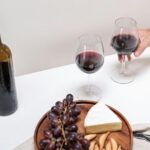
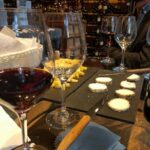
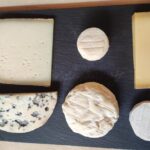
Finally, you’ll taste four pieces of cheese. Four might sound small, but it’s enough to give your palate a quick tour of styles. And because the guide frames what you’re tasting, the tasting becomes a mini lesson you can actually remember later—rather than a random flight of bites.
Cheesemaking demo: what you see and why it changes your tasting
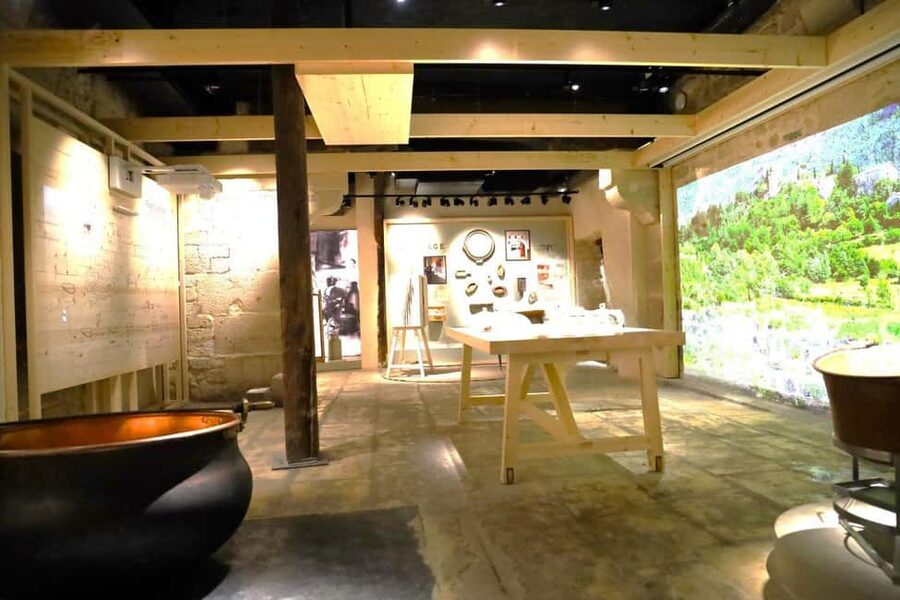
The heart of the museum tour is the cheesemaking demo. You’re not just learning that cheese is made in steps—you watch skilled workers craft it right before your eyes. That visual piece is the difference between reading about fermentation and understanding how it looks in real life.
When you see cheesemaking up close, you start noticing how small changes can lead to major differences. The tour format also nudges you to understand aging and structure as part of the flavor story. Even if you don’t catch every technical detail, you’ll get the logic.
One thing I especially like about this kind of demo is how it supports different learning styles. If you’re a person who needs to see things to understand them, this works. If you prefer conversation, your live guide fills in the blanks and ties it back to French cheese culture.
Also, the experience feels interactive. The museum spaces are set up so you’re not just staring at display cases all hour. That’s a big deal if you’re traveling with kids, or if you’re the type who gets restless when a tour turns into a slideshow.
The museum exhibition and interactive spaces that keep it fun
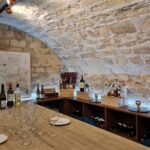
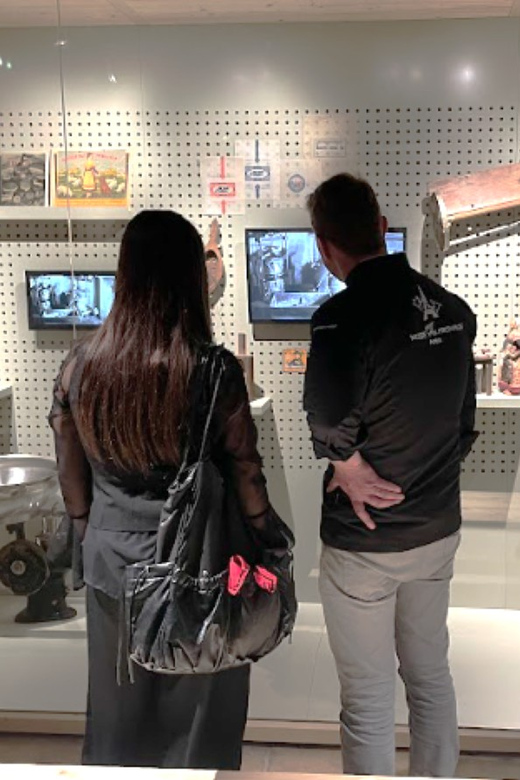
The museum is described as having interactive and innovative spaces, which shows in how the tour moves. Instead of being stuck in one room, you’re guided through an environment meant to help you connect cheese to history, craft, and the science of flavor.
You’ll also learn about French terroir through the lens of cheese. Terroir can sound like a fancy word, but here it translates into practical ideas: where ingredients come from, how tradition gets passed along, and why specific approaches developed in different places.
A clear plus is that the tour doesn’t feel like it’s written only for expert cheese buyers. You can follow along even if you’re not studying dairy. The explanations aim to make the subject approachable, and the guided pacing keeps you from getting overwhelmed.
Guides in English and French: what “split groups” means for you
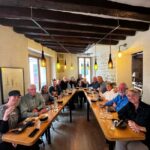
Language support is a real factor on tours like this, and the setup here helps. The guide offers French and English, and groups may be split by language so the guide doesn’t have to repeat everything back and forth.
In practice, that means your tour is less awkward and more focused. You’re listening to the real flow of the story, rather than catching half the points while waiting for the other language.
You’ll also notice how the guide style affects the whole experience. Names like Thomas and Gabriel show up in the guide feedback, and the recurring theme is passion paired with clear explanations. If you like guides who talk like they enjoy the subject, this tour is likely to land well.
One more timing tip: if you’re attending when the museum is less crowded, you might get a more personal pace. The format allows for a range of group sizes, and that can make the tasting feel more tailored.



Cheese tasting: how to make the four bites actually stick
The tasting is included, and you get four pieces of cheese to sample. Don’t treat it like a simple snack stop. Treat it like your cheat sheet for future cheese decisions in Paris.
Here’s how I’d use it:
- Start with a neutral bite first. Pay attention to milkiness and texture.
- Then notice how the taste changes—more salt, more funk, more depth, depending on the style.
- Use the guide’s framing to connect smell and flavor. If someone explains how the cheese is aged, you’ll be able to find that aging in the taste.
Guides typically explain the culture and process behind what you’re tasting. That makes it easier to remember later, when you’re staring at a cheese counter and wondering what’s worth your money.
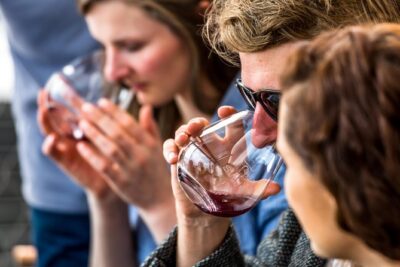
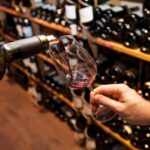
One small note: a guide has mentioned pairing the tasting with red wine in at least one instance. The tasting itself is included; if you don’t want alcohol, you might want to plan to enjoy the cheeses without it.
And yes—at the end, you’ll likely want to keep going. One practical benefit of tasting during a guided tour is that it gives you a shopping list.
The cheese shop and souvenir boutique: turning learning into a take-home win
After the tasting, you get a tour of the cheese shop and souvenir boutique. That’s not an extra random stop. It’s part of the point: you learn, then you can buy what you actually liked.
This is also where you can turn the experience into something that lasts longer than an hour. If the guide helps you name what you tasted, you’re in a better position to choose when you come back later with fewer questions.
If you’re the type who likes to bring home food souvenirs, this stop fits your travel style. Just keep in mind that cheese is perishable, so plan how you’ll store it and eat it soon after.
Price and value: why around $23 can feel fair
At about $23 per person for a 1-hour guided tour with a cheesemaking demo and tasting, the value is solid—especially because the experience isn’t only a talk. You get performance (watching cheesemakers craft cheese), then you get tasting (four pieces), then you get context (history and culture through a live guide).
Some travelers approach museum-style food tours with caution, and the key is whether you get more than just a sales pitch. Here, the repeated praise centers on guides who explain clearly and make it fun without losing accuracy. When that happens, the price feels like you’re paying for an expert-led experience, not a souvenir counter.
Also, it’s a good option when you want something structured but not too long. In Paris, one hour can be the perfect slice of time—enough to feel like you did something meaningful, not enough to wreck your schedule.
When this tour is the best fit for your travel day
This is a strong match if:
- You want a rainy-day activity with a lot going on in small spaces.
- You like food culture tours that teach how something is made.
- You’re new to French cheese and want the basics explained in plain language.
- You’re traveling with kids who enjoy hands-on demos and visible processes.
It’s also smart for couples and solo travelers. A guided format works well in Paris because it saves you from researching each cheese on your own. You walk in with questions; you walk out with a better palate and better instincts.
If you’re a serious cheese professional, you might still enjoy it, but you could finish thinking you want deeper technical workshops. That’s not a deal-breaker—just manage your expectations. The format is designed for broad appeal, not advanced certification.
Should you book the Living Cheese Museum guided tour?
I’d book this if you want an hour of hands-on cheesemaking + a guided tasting, delivered in English or French, in a convenient location on Île Saint-Louis. It’s also a great call if you like learning through doing and watching the process, not just reading about it.
Skip it only if you need a longer food experience than an hour, or if you expect a full sit-down meal. This is a tasting and demo tour. The payoff is understanding and palate calibration, not a long, multi-course extravaganza.
If you’re even mildly curious about French cheese, this is one of those Paris activities that’s easy to justify—and easy to remember later when you find the exact flavor you tried in the museum.
FAQ
Where does the tour start?
The guided tour meets at 39 Rue Saint-Louis en l’Île.
How long is the experience?
The duration is listed as 1 hour.
How much does it cost?
The price is listed as $23 per person.
What do you do during the tour?
You’ll join a guided visit, watch a cheesemaking demo, and end with a cheese tasting.
How many cheeses do you taste?
The tasting is described as four pieces of cheese.
What languages are available?
The live guide is available in French and English.
Is the tour wheelchair accessible?
Yes, it’s listed as wheelchair accessible.
Do I need to arrange transportation?
Transportation is not included, so you’ll need to get yourself to the meeting point.
Can I arrive early?
Yes. You can come 15 to 30 minutes before the guided visit time to start enjoying the exposition.
What’s the cancellation policy?
Free cancellation is available up to 24 hours in advance for a full refund.